
How to Cut and Groom Your Dog: A Complete Home Grooming Guide
Grooming your dog at home means more than just a quick brush; it involves trimming hair, cleaning ears, and sometimes cutting nails to keep your pet healthy and comfortable. How to cut and groom your dog correctly involves knowing your dog’s coat type, using the right tools, and maintaining calm throughout the process.
Proper grooming reduces matting, prevents skin issues, and can help you spot potential health problems early. Many dog owners seek to handle basic grooming tasks themselves to save money and bond more with their pets. Knowing how to cut and groom your dog safely means avoiding common mistakes like cutting too close or stressing the animal.
This article covers essential grooming techniques, how to prepare your dog, choosing the best dog grooming tools, trimming and bathing instructions, and tips for managing different coat types. Whether you’re a beginner or want to refine your skills, these steps will help your dog look and feel their best.
Preparing Your Dog for Grooming Sessions
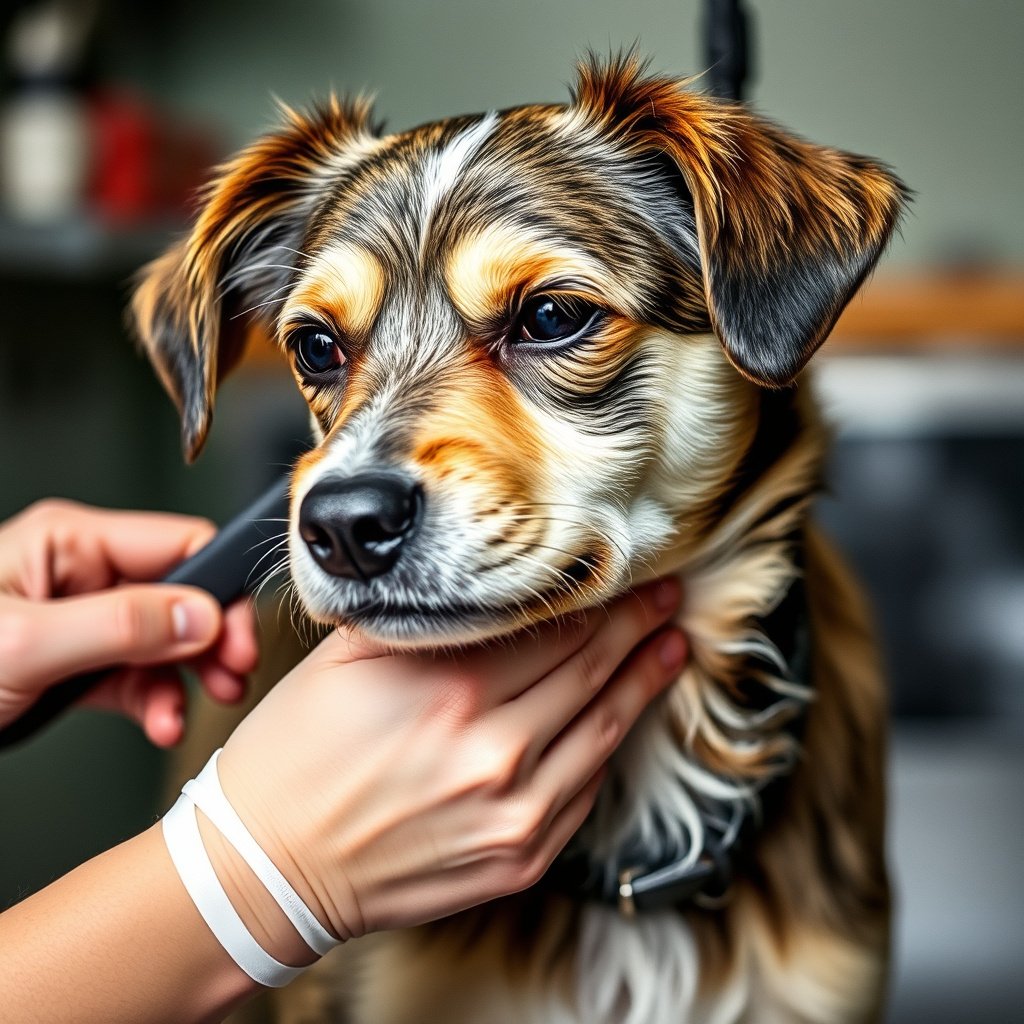
Creating a Comfortable Environment
Start by setting up a quiet, well-lit space where your dog feels safe. Avoid distractions and loud noises that might stress your pet. Using a non-slip mat can help your dog stand steady, preventing anxiety or slipping during grooming.
Familiarize your dog with grooming tools before the session by letting them sniff or see the equipment. Reward calm behavior to build positive associations and make future grooming easier.
- Choose a quiet room
- Use a non-slip mat
- Introduce tools gradually
- Give treats for calmness
Handling Your Dog Gently During Grooming
Start with slow, gentle strokes and monitor your dog’s reactions to avoid causing stress or discomfort. Use a calm voice and take breaks if your dog shows signs of anxiety. Keep sessions short initially, gradually increasing time as your dog becomes more comfortable.
Knowing your dog's limits helps prevent accidents and ensures grooming stays a positive experience that strengthens your bond.
Choosing the Best Dog Grooming Tools
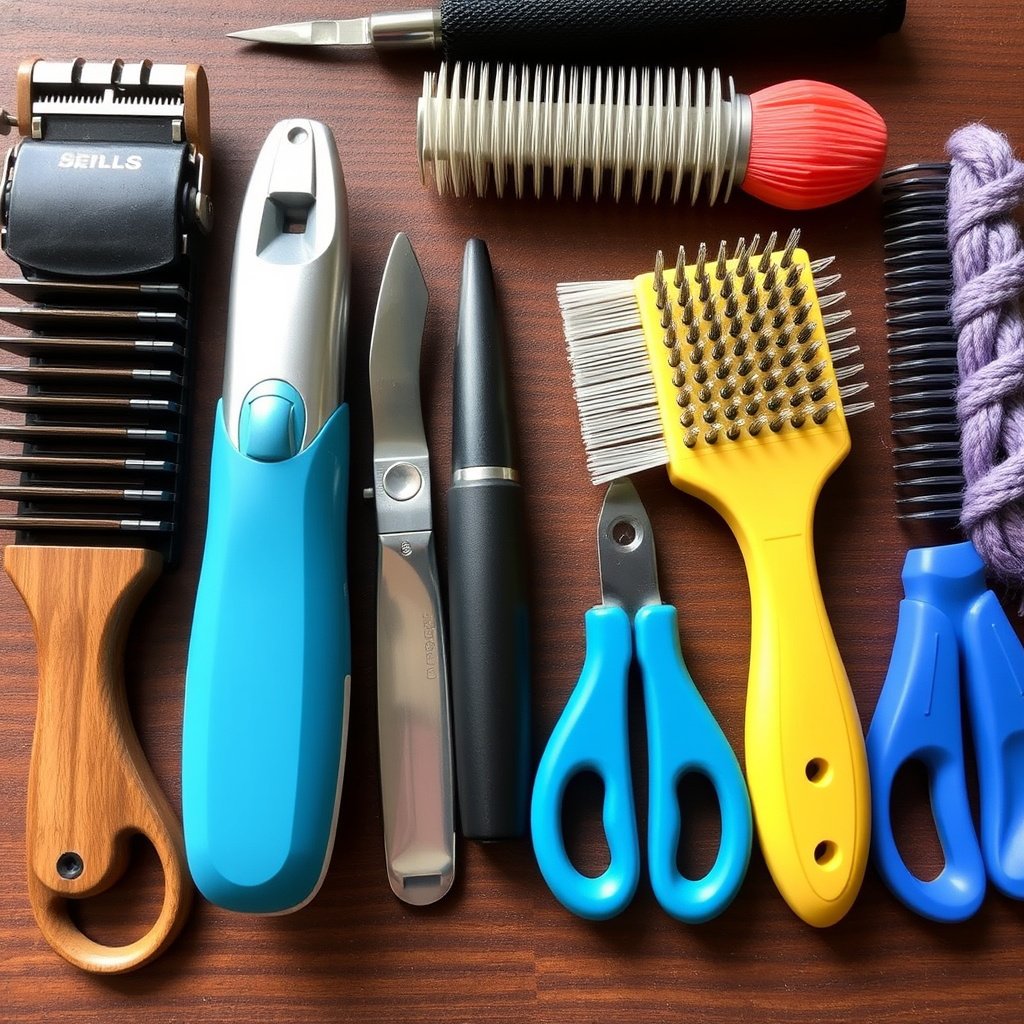
Essential Grooming Tools for Every Dog Owner
Basic grooming requires tools like a slicker brush, comb, nail clippers, and clippers or scissors for trimming hair. The choice of clippers depends on your dog’s coat thickness—heavy-duty clippers suit thick double coats, while fine blades work well for thin or curly fur.
Investing in quality tools designed specifically for dogs improves grooming results and reduces the risk of injuries or discomfort.
- Slicker brush and comb
- Dog nail clippers
- Electric clippers with various blade sizes
- Grooming scissors
Selecting Tools Based on Coat Type
Short-haired dogs often need only a firm-bristle brush and occasional trimming. Medium to long-haired breeds require slicker brushes and detangling combs to prevent mats. Curly coats benefit from regular clipping to keep hair manageable. Tailor your toolkit to your dog’s unique coat to save time and discomfort.
For sensitive dogs or those new to grooming, quieter tools with low vibration help minimize stress.
Mastering Hair Trimming and Styling Techniques
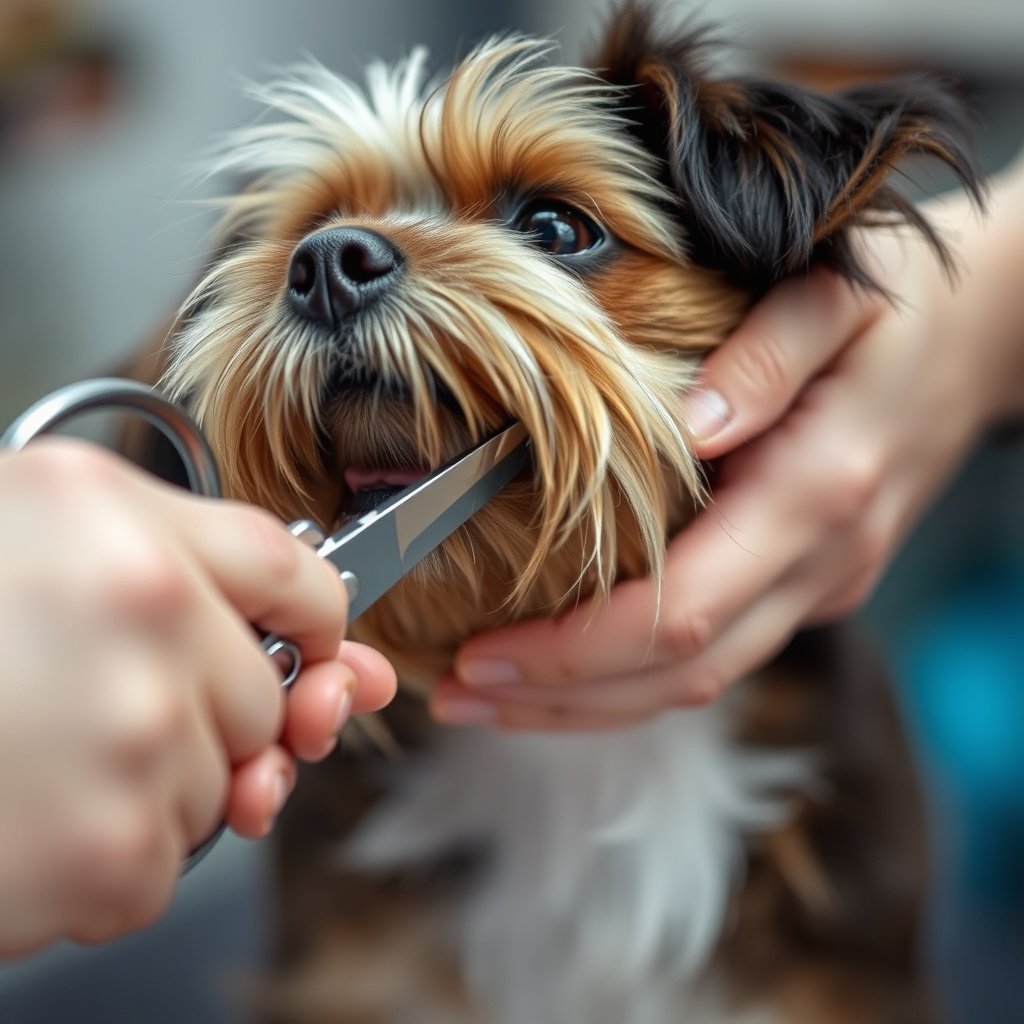
Basic Cutting Techniques for Safety and Evenness
Always comb your dog’s hair to remove tangles before trimming. Use sharp, clean scissors or clippers and cut small sections at a time, following the natural direction of the fur to achieve a neat, even trim. Avoid cutting too close to the skin to prevent irritation or injury.
Keep your dog calm by talking softly during the process and stopping if your dog moves suddenly. Proper technique reduces the chance of uneven patches or cuts.
- Comb before trimming
- Cut small hair sections
- Follow fur growth direction
- Avoid close skin cuts
Styling Options for Different Breeds
Popular trims vary by breed; for example, poodles often receive a rounded “puppy cut,” while terriers may have a hand-stripped finish. Research your dog's breed standard or consult a groomer if unsure. Regular trims keep your dog tidy and can enhance breed-specific features.
Some trims can also help manage shedding or allergy concerns, making grooming both aesthetic and functional.
Bathing and Drying Your Dog Correctly
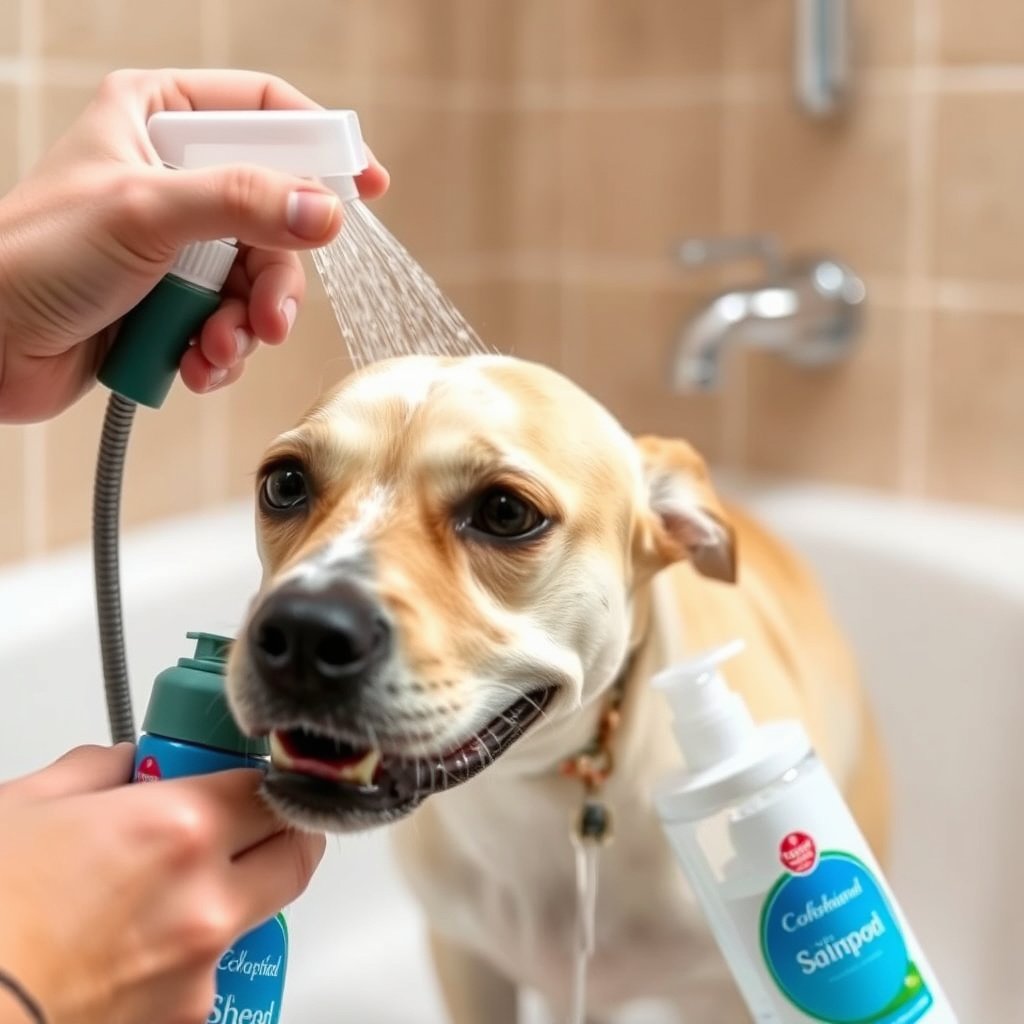
Choosing Suitable Shampoo and Bathing Tips
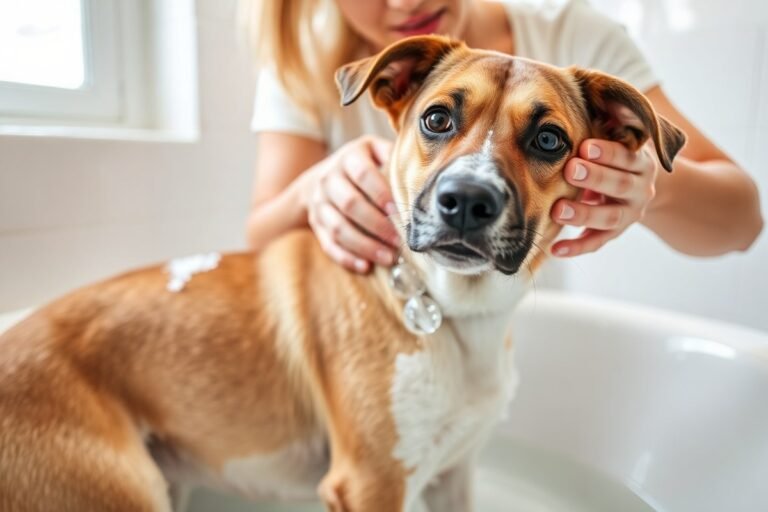
Use a shampoo formulated specifically for dogs to protect their skin's natural oils and pH balance. Avoid human shampoos as they can cause dryness or irritation. Apply shampoo evenly, massaging gently, and rinse thoroughly to remove all residue.
Bath frequency depends on activity level and coat type; over-bathing can strip oils and cause dry skin.
- Dog-specific shampoo only
- Massage gently during wash
- Rinse completely
- Bath every 4-6 weeks as needed
Safe Drying Methods to Avoid Stress
Pat your dog dry with a towel instead of vigorous rubbing which can tangle hair or irritate skin. For dogs comfortable with noise, a pet-specific low-heat dryer helps speed drying. Always keep dryers moving and avoid blowing air near the dog's face or ears to prevent discomfort.
For dogs that dislike dryers, air drying in a warm, draft-free room is a calm alternative.
- Use towel patting method
- Low-heat pet dryer preferred
- Avoid air on face and ears
- Air dry if stressed by dryers
Maintaining Nail, Ear, and Dental Health
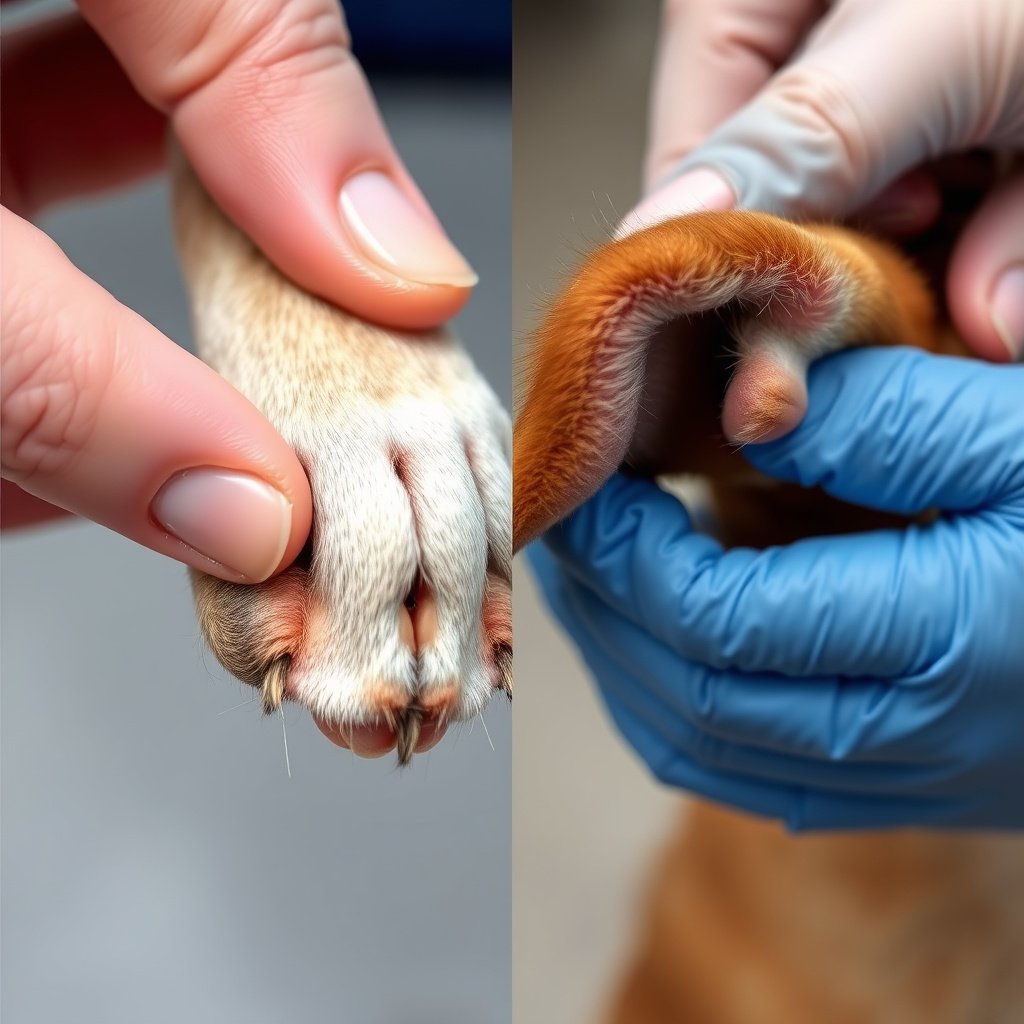
Proper Nail Trimming Techniques
Trim nails with sharp clippers designed for dogs, cutting only the sharp tip to avoid the quick, which contains veins and nerves. If you accidentally cut the quick, use styptic powder to stop bleeding. Regular trims prevent discomfort and walking issues.
If your dog has dark nails and quicks are hard to see, trim small amounts frequently to reduce the risk of injury.
- Use sharp dog nail clippers
- Avoid cutting into quick
- Have styptic powder ready
- Trim small portions often
Cleaning Ears and Maintaining Oral Hygiene
Clean your dog’s ears with vet-recommended solutions to remove wax and debris, preventing infections. Use soft cotton balls and avoid inserting anything deep into the ear canal. Brush teeth regularly with dog-formulated toothpaste to reduce plaque and bad breath.
Routine ear and dental care contribute significantly to your dog’s overall wellbeing and comfort.
- Use vet-approved ear cleaner
- Gentle cotton ball cleaning
- Brush teeth with dog toothpaste
- Avoid deep ear probing
Handling Different Coat Types with Care
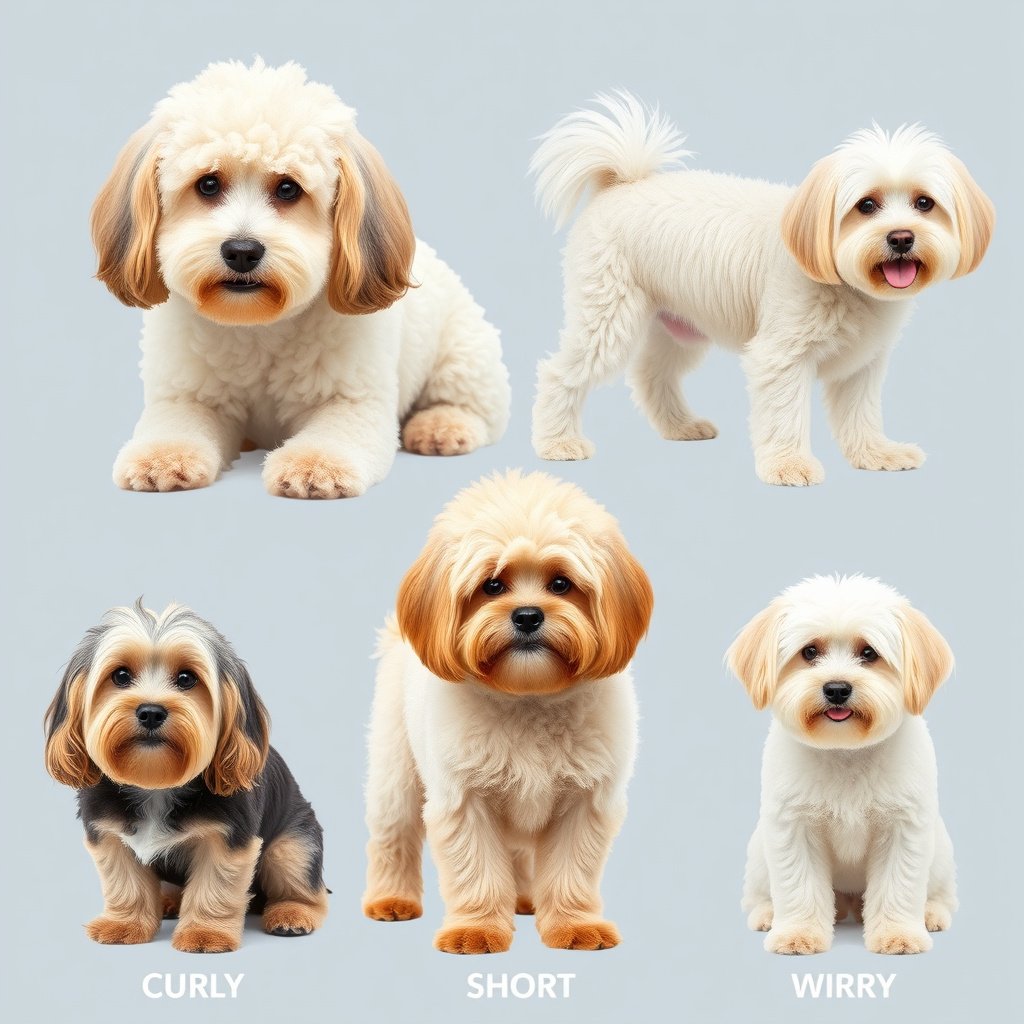
Grooming Long and Curly Coats
Long and curly coats are prone to tangles and mats so daily brushing is essential to keep the fur smooth and free of knots. Use detangling sprays and a slicker brush to address mats gently. Regular trimming helps manage volume and improves comfort for the dog.
Extra attention to drying after baths prevents fungal infections common in dense curled fur.
- Daily brushing required
- Use detangling products
- Regular trimming sessions
- Ensure thorough drying
For further reading on dog care, the American Veterinary Medical Association provides excellent guidance on dog grooming basics. dog grooming basics.
Grooming Short and Wiry Coats
Short-haired dogs need less frequent trims but benefit from weekly brushing to remove loose hairs and distribute natural oils. Wiry coats often require hand-stripping—a technique to pluck dead hair—to maintain texture and health.
Understand your dog's specific coat needs to avoid over-grooming or under-care.
- Weekly brushing routine
- Hand-strip wiry coats if needed
- Less frequent trimming for short hair
- Watch for skin issues beneath short fur
Dog Grooming Tools Category Comparison
Here’s a comparison of common dog grooming tools based on use, coat compatibility, and ease of use to help you find the right fit.
| Category | Best For Coat Type | Ease of Use | Maintenance |
|---|---|---|---|
| Slicker Brush | Medium to Long Hair | Moderate | Regular cleaning and removal of hair |
| Nail Clippers | All Coat Types | Easy | Sharpen blades occasionally |
| Electric Clippers | Thick and Curly Hair | Moderate to Difficult | Blade oiling and cleaning required |
| Grooming Scissors | Finishing and Styling | Difficult | Keep blades sharp and clean |
| Comb | Fine and Curly Hair | Easy | Clean after each use to remove loose hair |
Frequently Asked Questions
How often should I groom my dog at home?
Most dogs benefit from grooming every 4 to 6 weeks, but frequency depends on coat type and activity. Long-haired dogs need more frequent attention than short-haired breeds.
Can I use human hair clippers on my dog?
Human clippers are generally not recommended as they aren’t designed for dog hair thickness and may overheat, causing discomfort or poor results.
What if my dog is afraid of grooming tools?
Introduce tools slowly by letting your dog sniff and interact with them while providing praise and treats, building positive associations before grooming.
Is it safe to trim my dog's nails myself?
Yes, with the right technique and tools. Be cautious of the quick inside the nail, which can cause pain and bleeding if cut.
How do I prevent mats in my dog’s fur?
Regular brushing, especially for long and curly coats, prevents mats. Use detangling sprays and trim mats gently rather than pulling them out.
Key Takeaways
- Prepare a calm environment and use gentle handling for stress-free grooming.
- Choose grooming tools that match your dog's specific coat type.
- Trim hair carefully, following natural fur direction for safety.
- Maintain nails, ears, and teeth as part of comprehensive grooming.
Conclusion
Deciding how to cut and groom your dog involves understanding your dog’s unique coat, temperament, and needs. A methodical approach combining preparation, the right tools, and grooming knowledge leads to a safer, more comfortable experience for both you and your dog. Recognizing stress signals and adapting your technique helps maintain your dog’s well-being during grooming.
For dogs with thick or curly coats, investing in electric clippers and frequent brushing sessions is beneficial. In contrast, short-haired breeds often thrive with simpler tools like slicker brushes and less frequent trims. Regardless of breed, maintaining regular nail trimming and ear cleaning enhances health beyond fur aesthetics.
Starting with simple grooming steps such as brushing and bathing, gradually advance to hair cutting and styling as confidence grows. If uncertain, consulting a professional groomer or attending a grooming workshop can refine your skills. Home grooming can be rewarding and convenient with patience and practice.




2 Comments