
How Long After Applying Advantix Can I Bathe My Dog? A Clear Guide
You should wait at least 48 hours after applying Advantix before bathing your dog. This waiting period allows the medication to properly absorb through the skin and ensures it remains effective against fleas and ticks.
Advantix is a topical treatment that works by spreading over your dog's skin and hair. Bathing too soon after application can wash away the active ingredients, reducing its ability to protect your dog from pests. Understanding the timing helps maintain your pet's protection and health.
This article covers how Advantix works, the recommended waiting times before and after bathing, and additional tips for maintaining flea and tick control while keeping your dog clean and comfortable.
How Advantix Works to Protect Your Dog
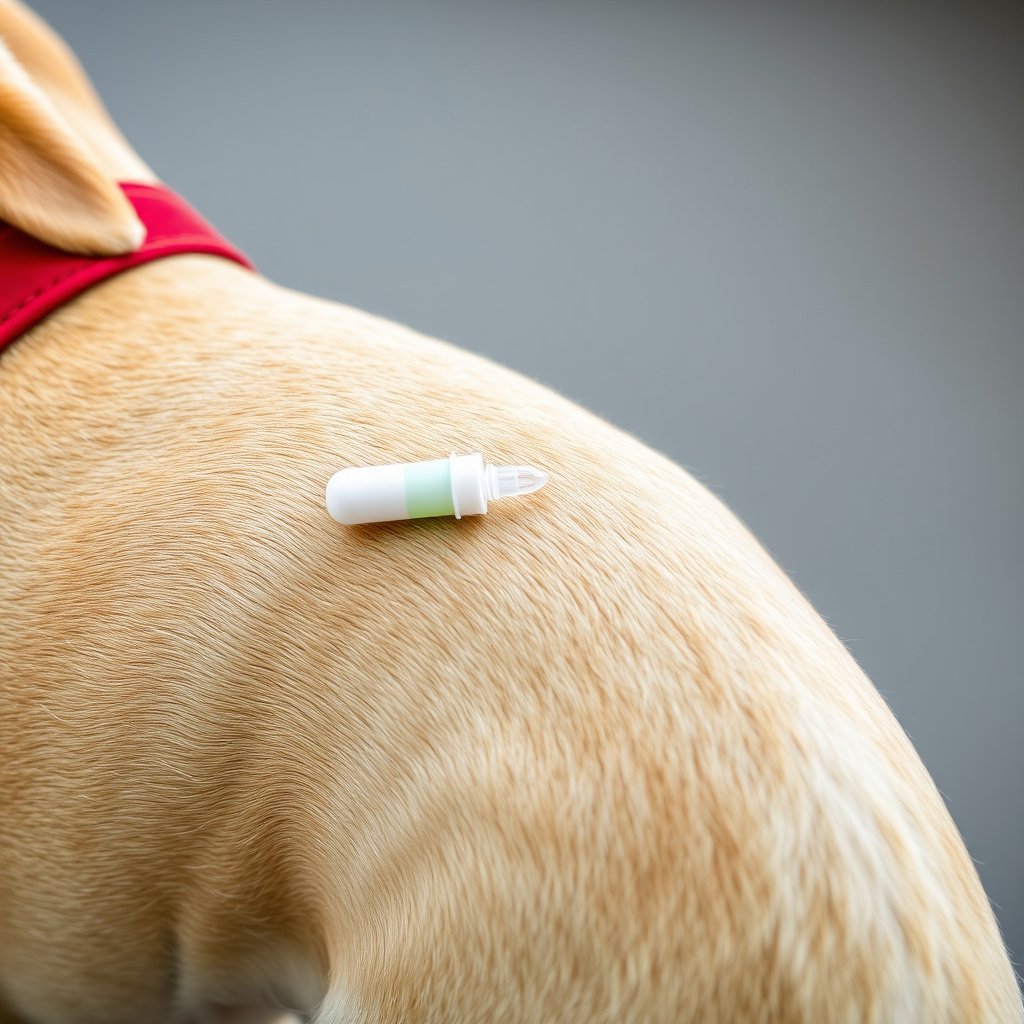
Active Ingredients in Advantix
Advantix combines permethrin, imidacloprid, and other components to kill and repel fleas, ticks, and mosquitoes. Its unique formula spreads across the skin, targeting pests quickly upon contact.
The medication starts functioning almost immediately after application, but it requires time to settle into the skin’s surface layers to offer long-lasting protection.
Absorption and Duration of Protection
Advantix is designed to bond with skin oils and hair follicles to maintain effectiveness through natural skin oils. This slow release keeps pests away for up to four weeks.
Water exposure too soon after application can strip these oils away, significantly reducing the product's lifespan and protective coverage.
Recommended Waiting Time Before Bathing with Advantix

Why Wait 48 Hours?
Manufacturers advise waiting at least 48 hours before bathing your dog after applying Advantix to allow the medication to absorb fully. This ensures the product retains its maximum potency.
Bathing earlier can wash away the treatment, which means your dog may not be protected against fleas, ticks, and mosquitoes as intended.
- 48-hour window to maximize absorption
- Avoid early baths to prevent wash-off
- Protect against flea and tick infestations
Consequences of Bathing Too Soon
If you bathe your dog within the first 48 hours, the product may be partially or fully washed off, which compromises its effectiveness. This can expose your dog to parasite attacks and skin irritation.
Repeated early bathing after application might require you to reapply the medication sooner, which can increase your dog’s exposure to chemicals.
Tips for Bathing Your Dog During Advantix Treatment
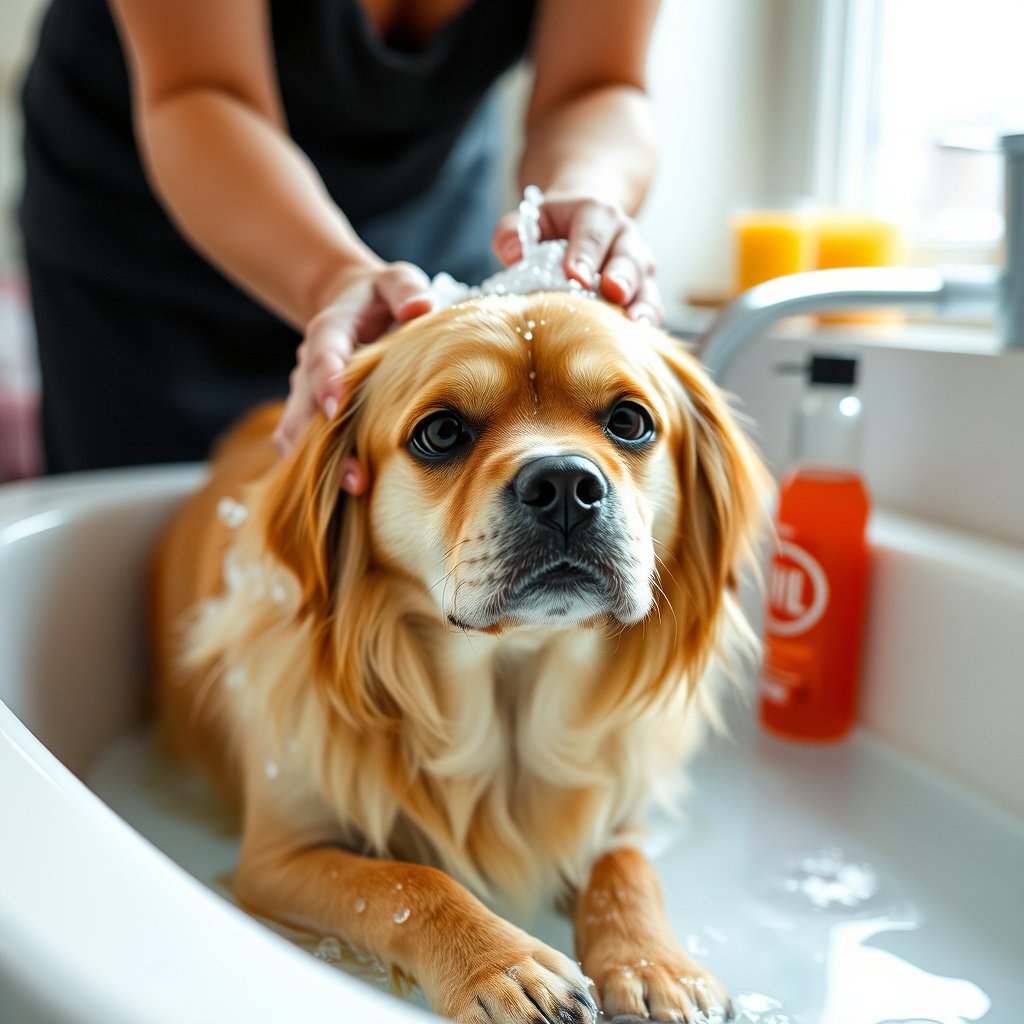
Bathing Before Applying Advantix
If your dog needs a bath, schedule it at least 24 hours before applying Advantix. Clean skin promotes better absorption and effectiveness of the treatment.
Use gentle, unscented shampoos that don't strip natural oils excessively, which help keep the medication bonded longer after application.
- Bath 24+ hours prior to application
- Use mild, pet-friendly shampoos
- Dry your dog fully before applying Advantix
Post-Bath Care Once Advantix is Applied
After the 48-hour waiting period, occasional bathing or swimming is generally safe and won’t drastically reduce Advantix effectiveness.
However, avoid frequent or prolonged water exposure to maintain maximum pest protection throughout the month.
- Limit baths to maintain protection
- Dry your dog thoroughly after water contact
Alternatives and Additional Flea & Tick Control
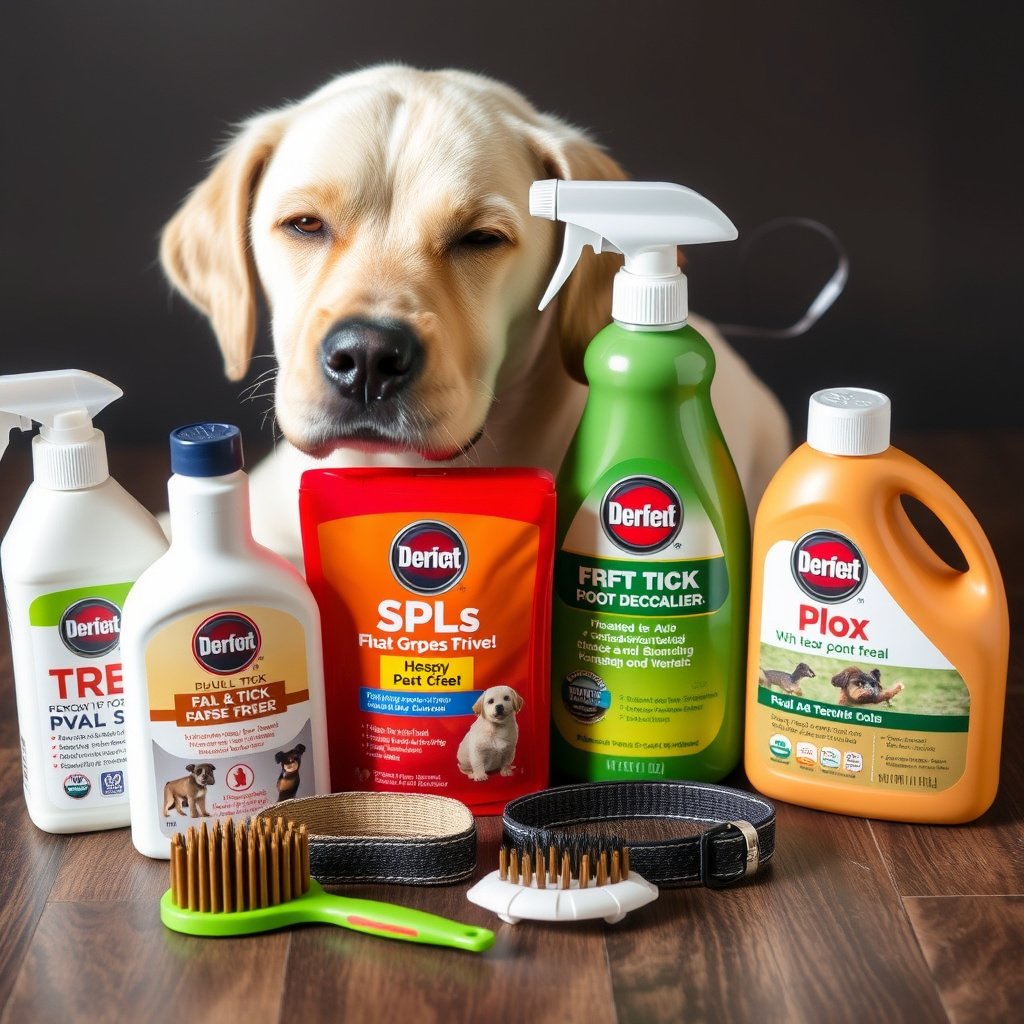
Combining Advantix with Other Prevention Methods
To increase protection, some pet owners use flea collars, oral medications, or regular grooming alongside Advantix. These approaches can help control pests from multiple angles.
Consult your veterinarian before combining treatments to avoid chemical overexposure or adverse reactions.
- Flea collars for continuous protection
- Oral flea medications with veterinary advice
- Regular grooming and parasite checks
Environmental Controls
Treating your home and yard for fleas can reduce the overall infestation risk, complementing Advantix usage on your dog.
Regular vacuuming, washing bedding, and yard maintenance limit flea eggs and larvae, supporting your pet’s health.
- Vacuum carpets and furniture frequently
- Wash pet bedding weekly in hot water
- Yard treatments and mowing to reduce fleas
Signs Your Dog Needs a Flea and Tick Treatment
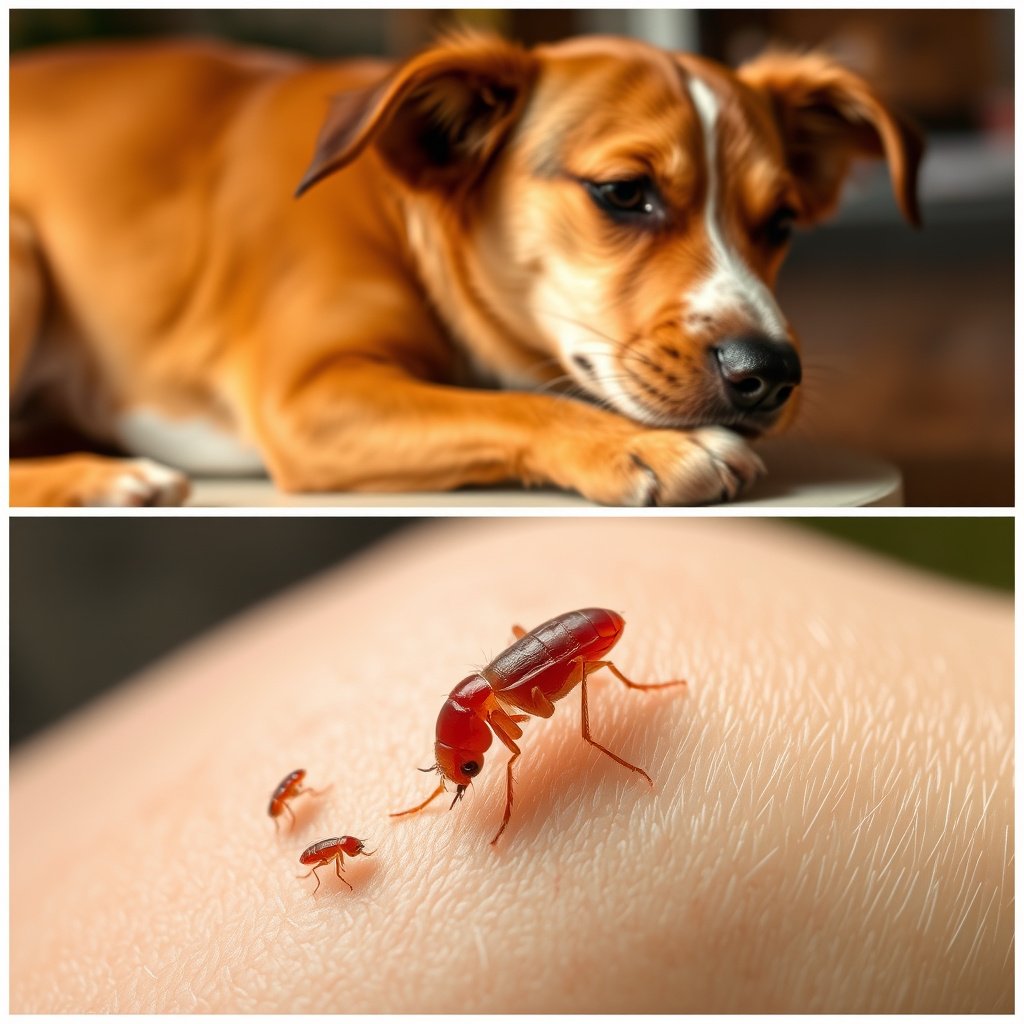
Common Symptoms of Flea Infestation
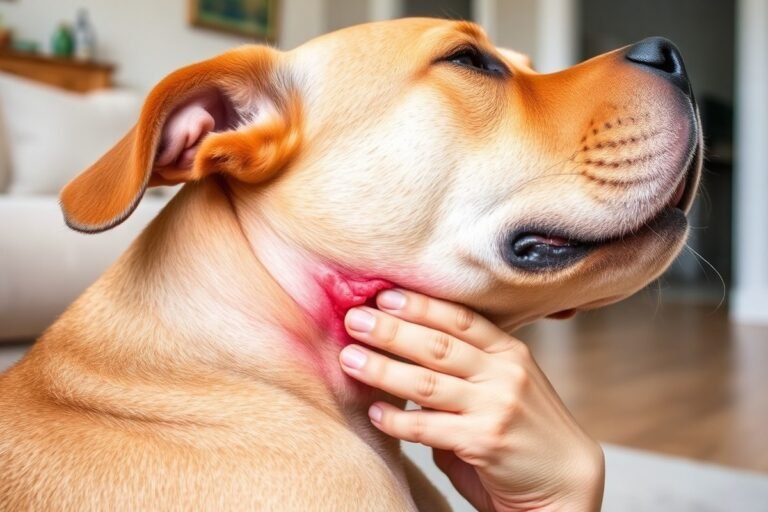
Excessive scratching, biting, and red or irritated skin often hint at fleas or ticks. You might also see flea dirt, which looks like tiny black specks on your dog’s coat.
Prompt treatment with products like Advantix helps reduce discomfort and prevent more severe health issues.
When to Consult a Veterinarian
If your dog exhibits persistent scratching, hair loss, or skin infections despite flea control measures, visit a vet.
Certain dogs may have allergic reactions or require additional treatments, and a professional assessment ensures proper care.
Precautions and Safety When Using Advantix
Handling and Application Safety
Advantix should be applied carefully on your dog’s skin, avoiding contact with eyes and mouth. Wash your hands after application to prevent irritation.
Follow the dosage instructions based on your dog’s weight to avoid toxicity or side effects.
- Use gloves when applying
- Keep away from children
- Apply only on dry skin with parting hair
For more detailed information about Advantix and its ingredients, you can visit the Advantix article on Wikipedia. Advantix detailed information.
Avoiding Harm to Cats and Other Pets
Advantix contains permethrin, which is toxic to cats. Avoid direct contact between treated dogs and cats to prevent accidental poisoning.
Use separate flea control products safe for different pet species and consult a vet for guidance.
- Keep dogs and cats apart after application
- Select species-appropriate treatments
- Monitor pets for adverse reactions
Advantix vs Other Flea and Tick Treatments Comparison
This table compares common flea and tick treatments by application type, duration, and water resistance.
| Treatment Type | Duration of Effectiveness | Water Resistance | Ease of Application |
|---|---|---|---|
| Advantix Topical | Up to 4 weeks | Resistant after 48 hours | Easy spot-on application |
| Oral Tablets | 30 days | Unaffected by bathing | Simple to give by mouth |
| Flea Collar | Several months | Variable water resistance | Wear and forget |
| Natural Sprays | Few hours to days | Wears off with water | Frequent reapplication needed |
| Shampoos | Temporary | Immediately removed by water | Requires bathing |
Frequently Asked Questions
Can I swim with my dog after applying Advantix?
It is best to wait 48 hours after applying Advantix before letting your dog swim to ensure the treatment has absorbed and remains effective.
How often should Advantix be applied?
Advantix is typically applied once a month for continuous flea and tick protection, but you should follow your veterinarian’s advice.
Is Advantix safe for puppies?
Advantix is generally safe for puppies over seven weeks old and weighing at least 4 pounds; consult your vet before use.
What should I do if my dog gets wet within 48 hours of application?
If your dog gets wet early, the flea treatment might wash off partially, and you should contact your veterinarian to assess the need for reapplication.
Can Advantix be used in multi-pet households?
Yes, but you must keep treated dogs separate from cats, as Advantix is toxic to cats and can cause serious harm.
Key Takeaways
- Wait at least 48 hours after applying Advantix before bathing your dog.
- Bathing or swimming too soon washes off the treatment and reduces effectiveness.
- Schedule baths before application or limit water exposure after 48 hours.
- Avoid using Advantix on cats; keep treated dogs away from them.
Conclusion
Choosing the right timing after applying Advantix is essential to maintaining effective flea and tick control for your dog. By waiting the proper 48 hours before bathing, you allow the medication to bond with your dog's skin oils and protect it from parasites for its full duration. This process safeguards your pet's health and comfort while reducing the need for repeated treatments or veterinary visits due to premature washing. Understanding how the product works and handling it with care results in better outcomes for your furry companion.
If your dog needs regular baths, plan them thoughtfully around Advantix application; bathing at least a day before and scheduling the next bath after two full days post-application maintains treatment efficiency. For dogs that swim frequently, other options like oral flea and tick medications may provide more resilience to water exposure. Additionally, integrating environmental controls, such as cleaning living spaces and yard maintenance, supports pest reduction. Working closely with your veterinarian can help tailor a routine that matches your dog’s lifestyle and vulnerabilities to parasites.
Ultimately, the best move after applying Advantix is to avoid any water contact for two days and then keep further baths or swims minimal during the month-long protection period. Keeping in mind these guidelines protects your dog from harmful pests while making bath time less stressful. If uncertain about timing or options, consult your vet to establish a care schedule that balances cleanliness and pest prevention, granting your dog a safe, happy, and itch-free life.




One Comment