How to Make a Dog Smile for Photos: Simple Tips for Picture-Perfect Shots
Getting a dog to smile for photos is all about creating a relaxed and enjoyable atmosphere that brings out their natural happiness. To encourage those adorable grins, use treats, toys, and gentle encouragement while keeping sessions short and stress-free. Timing and patience are key to capturing genuine expressions that look like a smile.
Dogs don't smile exactly like humans, but their expression can show joy through relaxed facial muscles, open mouths, and a bright gaze. Photographing these moments helps showcase their personality and makes for memorable pictures that showcase their unique charm.
This article explains practical ways to make a dog smile for photos, including preparation tips, how to use rewards and sounds, camera settings, and tricks to maintain their interest. It also covers common issues pet owners face when trying to capture that perfect happy face.
Understanding What a Dog's Smile Really Looks Like
Recognizing Canine Facial Expressions
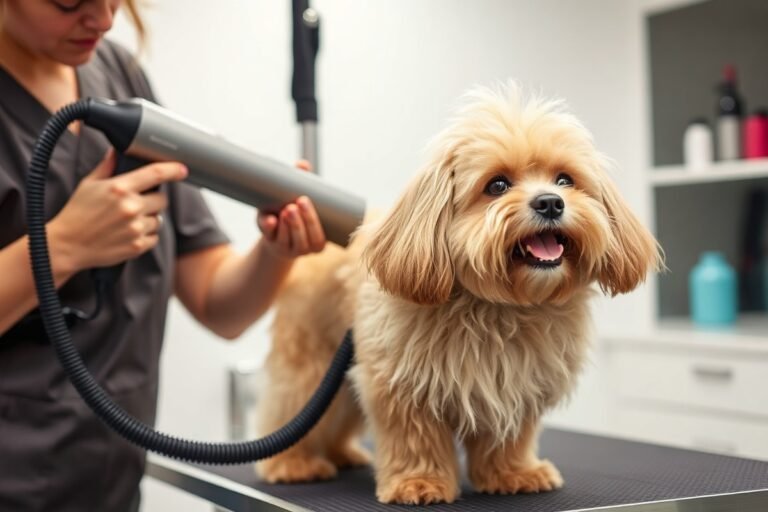
A dog’s 'smile' is often an open-mouth expression combined with relaxed eyes and ears, sometimes accompanied by a slight pant. These signs indicate contentment rather than a human smile. Understanding this helps to know when your dog is genuinely happy and relaxed.
Avoid confusing a fearful or anxious grin with a happy one. A genuine dog smile often features soft eyes, loose body language, and no signs of stress like lip licking or yawning. Spotting these cues allows you to better time your photos.
- Open mouth and relaxed jaws
- Soft or squinty eyes
- Ears in a natural position
- Relaxed posture
Why Dogs Smile for Photos Differently Than Humans
Dogs don’t smile to show teeth because they’re happy — it’s more often a relaxed open-mouth expression. Their expressions involve different muscles and signals than human smiles, so patience in understanding their cues improves your success at capturing authentic moments.
Recognizing that your dog’s smile includes more than just mouth shape—like tail wags or playful movements—adds to your ability to predict and photograph true happiness, instead of waiting for a posed grin.
Preparing Your Dog for a Smiling Photo Session
Creating a Comfortable Environment
Select a quiet, familiar space where your dog feels safe. Away from loud noises or distractions, your dog is more likely to relax and show pleasing expressions. Natural lighting helps maintain comfort without harsh flashes.
Set up the camera in advance and have treats or favorite toys ready. This preparation minimizes the time the dog spends waiting, keeping them engaged and less likely to become restless or stressed.
- Choose a familiar, quiet area
- Use soft, natural light
- Prepare treats and toys beforehand
Timing the Session for the Best Mood
Plan photo sessions when your dog has the most energy and positive mood, often shortly after playtime or a walk. Avoid sessions right after meals or during naptime, as lethargy can dull expressions.
Keep sessions short but frequent if needed to avoid fatigue. Multiple brief attempts often capture happier, more natural smiles than a long session that tires your dog.
- Photo sessions post-playtime
- Avoid times when the dog is tired or hungry
- Limit session length to maintain interest
Using Rewards and Sounds to Encourage Smiles
Incorporating Treats to Motivate Expression
Treats are powerful motivators. Hold a small, high-value reward near the camera to get the dog’s attention and encourage them to open their mouth slightly, mimicking a smile. Reward right after the photo to reinforce the behavior positively.
Use treats sparingly to prevent overfeeding or distraction. Rotate different treats or toys to maintain enthusiasm if the session lasts longer.
- Use small, tasty treats
- Reward immediately after photos
- Avoid excessive treats to keep attention
Employing Sounds and Cues for Engagement
Certain sounds, such as squeaky toys, whistles, or calling your dog’s name in a happy voice, can grab their attention and perk up their expression. Timing these sounds before snapping a photo can help capture a playful or alert 'smile'.
Consistency with commands or cues like 'smile' can train your dog to respond with an expression close to a smile over time, improving your ability to get the shot on cue.
- Use high-pitched, happy sounds
- Incorporate verbal cues regularly
- Pair cues with treats for training
Camera Settings and Techniques to Highlight Your Dog's Smile
Choosing the Right Camera Settings
Use a fast shutter speed (1/250 or higher) to freeze expressions and avoid blurring. A wide aperture (small f-number) creates a shallow depth of field that highlights your dog’s face with a soft background, making the smile stand out.
Adjust ISO to maintain brightness without grain, especially in indoor or low-light conditions. Using continuous focus mode helps keep your active dog’s face sharp even as they move.
- Fast shutter speed to capture motion
- Wide aperture (f/1.8–f/4) for blurred background
- Use continuous autofocus mode
Framing and Angles That Showcase Smiles
Get down to your dog’s eye level for photos. This perspective creates a more engaging and natural image that emphasizes the expression. Close-up shots focusing on the face help isolate the smile and reduce background distractions.
Use portrait orientation for headshots or horizontal framing if including body posture. Experiment with angles slightly above or straight on to see which best captures your dog’s personality.
- Eye-level framing for connection
- Close-ups to emphasize expression
- Try varied angles for personality
Common Challenges When Trying to Capture a Dog's Smile
Dealing with a Distracted or Wimpy Dog
Dogs can lose interest quickly or get distracted by surroundings. Short, playful sessions and switching toys or treats help regain focus. If your dog shies away from the camera, use less intrusive devices like phone cameras on silent mode.
Sometimes the dog’s personality or breed influences their typical expression. Respect their comfort, and don’t force poses. Patience often leads to more authentic and happier smiles than trying to stage forced expressions.
- Keep sessions playful and brief
- Switch rewards to maintain interest
- Avoid forcing uncomfortable poses
Handling Timing and Expression Misses
Smiles can be fleeting, appearing just for a moment. Using burst mode or continuous shooting increases your chances of capturing the perfect shot. Synchronizing sounds or treats with the camera’s shutter helps freeze the expression in time.
Review photos between sessions to adjust strategies and learn what triggers your dog’s smile best. This trial and error process fine-tunes your approach over time.
- Use burst mode for quick capture
- Sync treats/sounds with shots
- Review images to improve technique
Maintaining a Happy Atmosphere for Natural Photos
Avoiding Stress and Pressure
If your dog senses stress or pressure, they may shut down or look tense instead of smiling. Keep the tone light and playful while respecting signs your dog needs breaks or wants to stop. Frequent praise and affection reduce anxiety.
Adapting the pace based on your dog’s mood ensures that sessions end on a positive note, building enthusiasm for future photo attempts instead of aversion.
- Keep voice calm and upbeat
- Watch for signs of fatigue or stress
- Give frequent breaks and praise
Understanding dog body language offers valuable insight into their facial expressions and moods. dog body language.
Building Positive Associations with Photo Sessions
Link photo time with enjoyable activities like play or treats so your dog connects the process with fun. Over time, your dog learns to expect enjoyable rewards around photo attempts, increasing voluntary posing and smiling.
Consistency is key: regular, short sessions build familiarity. Avoid negative experiences during shoots that could cause hesitation or fear toward cameras.
- Pair sessions with play or treats
- Keep sessions regular but short
- Avoid negative or frustrating moments
Comparing Methods to Make a Dog Smile for Photos
Here's a quick comparison of different techniques to help you decide which method best fits your dog's personality and your photography style.
| Method | Ease of Use | Effectiveness | Best For |
|---|---|---|---|
| Treats | Easy | High | Most dogs, especially food-motivated |
| Sounds and Toys | Medium | Medium | Energetic or playful dogs |
| Verbal Cues & Training | Difficult | High (long-term) | Dogs responsive to commands |
| Environmental Comfort | Easy | High | Dogs sensitive to surroundings |
| Camera Settings and Angles | Medium | Medium | Photographers with some experience |
Frequently Asked Questions
Can all dogs be encouraged to smile for photos?
Most dogs can be encouraged to show pleasant expressions with the right motivation and environment. However, some breeds or temperaments naturally show fewer open-mouth smiles, so patience and individualized techniques help.
How can I make my dog less anxious during photo shoots?
Keep sessions short, use familiar environments, offer treats frequently, and avoid sudden movements or loud noises. Positive reinforcement and breaks reduce anxiety and promote relaxed expressions.
Is it better to use a smartphone or a DSLR for dog photography?
Both can work well, but DSLRs offer more control over settings like shutter speed and aperture, which help capture sharp, well-lit images of your dog's smile. Smartphones with good cameras and burst mode can also suffice.
How long should a dog photo session last?
Short sessions of 5-15 minutes usually work best to maintain your dog's interest and prevent fatigue. You can have multiple sessions throughout the day if needed.
What treats are best for smiling dog photos?
Small, soft treats that your dog loves and that can be quickly eaten are ideal. They keep your dog motivated without distracting them from posing or causing a mess.
Key Takeaways
- A dog’s smile is an open, relaxed expression, not identical to a human smile
- Use treats and sounds strategically to encourage happy expressions
- Prepare the environment and timing to keep your dog comfortable and engaged
- Capture smiles using fast shutter speeds and close-up, eye-level framing
Conclusion
Capturing your dog’s smile requires patience, observation, and a genuine understanding of canine body language. By focusing on your dog’s comfort and mood, and using effective methods like treats, sounds, and positive reinforcement, you can create moments where their natural joy shines through. Confidence in timing and knowing when your dog is relaxed will help you take photos that truly capture their happy personality.
Certain techniques, such as using treats near the camera, applying verbal cues, and choosing the right time of day, are particularly effective for bringing out smiles. Dogs that are playful respond well to toys and sounds, while more sensitive dogs benefit from calm, familiar settings. Those willing to train verbal commands for smiling gain an advantage for repeatable, reliable expressions. Understanding your dog’s natural way of reacting is essential to picking the right approach.
Start small with brief, positive sessions in comfortable environments, using treats and fun cues to build a positive association with photography. Experiment with camera angles and settings to find what best highlights your dog’s unique smile. Over time, these steps will help you collect delightful, authentic photos of your smiling dog to treasure and share.