
How to Use Cat Nail Caps: A Practical Guide for Pet Owners
Applying cat nail caps is a straightforward way to manage a cat’s scratching behavior without causing harm or distress. These small, soft caps are glued onto your cat’s nails to prevent damage from scratching. Using cat nail caps involves trimming your cat’s nails, carefully applying adhesive to the cap, then gently attaching each cap onto the corresponding nail.
Many cat owners opt for nail caps because they preserve household furniture and reduce injury from accidental scratching, especially in homes with children or other pets. Nail caps are typically made from non-toxic vinyl and last for several weeks before naturally falling off as the nail grows.
This guide explains everything from the preparation needed before application to detailed methods for fitting cat nail caps correctly. You'll also find advice on maintaining your cat's comfort and tips for removing the caps safely when necessary.
Preparing Your Cat for Nail Cap Application
Trimming Your Cat’s Nails
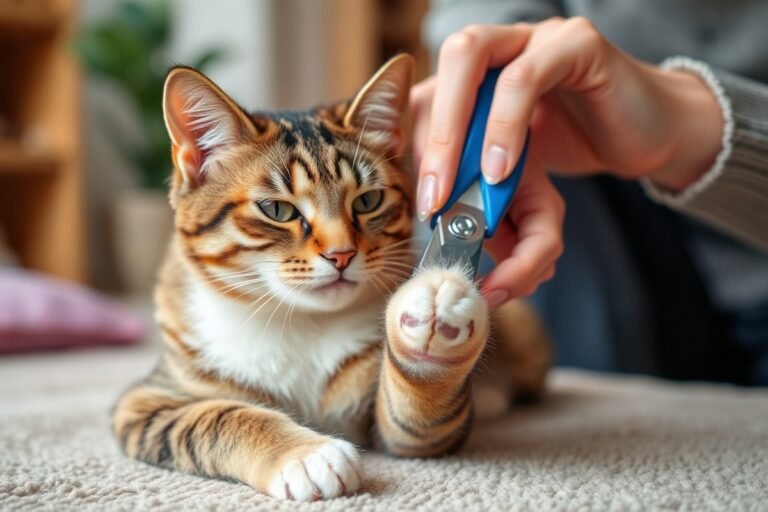
Before applying nail caps, trimming the cat’s nails is essential. Short nails ensure the caps fit securely and reduce discomfort. Use a specialized pet nail clipper to carefully trim only the sharp tip of each nail, avoiding the quick to prevent bleeding.
A calm environment is helpful; consider involving a second person to gently hold your cat or wrapping the cat in a towel if it tends to squirm. Regular nail trims also promote healthy paws alongside nail caps.
- Use sharp, clean clippers designed for pets
- Trim in a well-lit area to see the nail clearly
- Avoid cutting the quick to prevent pain and bleeding
Preparing the Adhesive and Caps
Cat nail caps usually come with a specially formulated, non-toxic adhesive. Before starting, open the glue and caps, and prepare a clean work surface. Some brands recommend applying a small drop of glue inside the cap rather than directly on the nail.
It's best to go one nail at a time to avoid the adhesive drying prematurely. Keep the glue capped tightly when not in use to maintain effectiveness and prevent accidents.
- Check the brand's adhesive instructions carefully
- Have all nail caps and glue ready within reach
- Work quickly but carefully to prevent glue drying too fast
Step-by-Step Application of Cat Nail Caps
Applying the Nail Caps Correctly
After trimming, place a small drop of glue inside each nail cap, then gently stretch the cap over the trimmed nail. Push it forward until it fits snugly at the base without forcing it too deeply onto the nail. The cap should cover just the claw's tip without restricting movement.
Hold the cap in place for about 10-15 seconds to allow the glue to set. Repeat this process for each nail, allowing your cat to rest if it becomes stressed.
- Start with front paws as they tend to cause more damage
- Ensure the cap is secure but not overly tight
- Comfort the cat between paws if anxious
For more on this, see our related guide: How Often to Trim Cat Nails: A Complete Guide for Pet Owners.
Comfort and Adjustment After Application
After all caps are applied, monitor your cat closely for any signs of discomfort, such as excessive licking or biting at the paws. Ordinary paw movement and scratching behavior should feel natural, though the cats will not damage surfaces.
Offer treats and calming praise to reassure your cat. If a cap falls off early, reapplication is usually simple once the nail is clean and dry.
- Watch for any redness or swelling in the paws
- Remove caps if irritation occurs and consult a vet
- Keep nails trimmed to extend the caps' effectiveness
Maintaining Cat Nail Caps Over Time
Monitoring and Reapplying as Needed
Cat nail caps typically last 4 to 6 weeks before naturally falling off with nail growth. Inspect your cat’s nails weekly for any loose caps or signs of discomfort. Reapply caps promptly to maintain protection for your furniture and skin.
Keeping nails well-trimmed during this time helps the caps last longer and prevents sharp edges from developing underneath the caps.
- Check all paws regularly for cap condition
- Remove and reapply any loose caps promptly
- Maintain a consistent nail trimming schedule
Cleaning and Caring for Your Cat’s Paws
Clean the paws gently if your cat goes outdoors or accumulates dirt, but avoid soaking the caps directly as excessive moisture can weaken the adhesive. Regular paw checks prevent hidden irritations and help you spot any problems early.
Keeping your cat’s claws clean complements the effectiveness of the nail caps and improves overall paw health.
- Use a damp cloth to clean paws gently
- Avoid harsh soaps or chemicals on nail caps
- Consult a vet if paws show redness or infection
Removing Cat Nail Caps Safely
When to Remove Nail Caps
Removing caps is necessary if your cat shows discomfort, develops infections, or the caps become damaged. Also, removal is recommended before applying a fresh set for continued protection.
If a cap loosens, it’s better to remove it entirely to prevent swallowing. Monitor your cat’s behavior for scratching or biting directed at the caps as an indication.
- Replace caps every 4-6 weeks
- Remove caps if they cause irritation
- Perform removal in a calm, controlled setting
For more on this, see our related guide: How to Trim Cat Nails That Hate It: Gentle Tips for Stressed Cats.
Methods for Safe Nail Cap Removal
To remove nail caps, soak your cat’s paws briefly in warm water to soften the glue. Then, gently peel off each cap without pulling the nail. If the cap resists, soaking longer can help prevent pain or nail damage.
Avoid using sharp tools to remove caps. After removal, inspect nails for any damage and keep them trimmed before the next application.
- Soak paws in warm water for 10-15 minutes
- Gently peel caps without force
- Keep nails trimmed and clean post-removal
Addressing Common Questions and Concerns About Cat Nail Caps
Are Nail Caps Safe for Cats?
Cat nail caps are generally safe when applied properly with non-toxic adhesive. They do not harm the nail or paw and allow normal claw movement. However, improper application or neglecting signs of discomfort can lead to irritation.
Choosing the right size and ensuring cleanliness during application reduces risks. Always follow manufacturer instructions and consult your vet with any concerns.
For further information about cat grooming practices including nail care, you can visit the Cat Nail Cap information on Wikipedia. Cat Nail Cap information on Wikipedia.
How Do Nail Caps Affect Scratching Behavior?
Nail caps prevent physical damage from scratching by covering the sharp claw tips, but they don’t change the cat’s natural inclination to scratch. Cats still scratch to mark territory and stretch their muscles; the caps simply make those actions less damaging.
Providing proper scratching posts alongside nail caps supports your cat’s scratching needs while protecting your home.
Comparison of Popular Cat Nail Cap Brands
Here’s a comparison of popular cat nail cap brands to help you choose based on size options, durability, and ease of application.
| Brand | Cap Sizes Available | Average Duration (Weeks) | Glue Type | Price per Pack |
|---|---|---|---|---|
| Soft Paws | Small, Medium, Large | 4-6 | Non-toxic adhesive | $12-15 |
| Purrfect Paws | One standard size | 3-5 | Medical-grade adhesive | $10-13 |
| Paws Caps | Extra Small to Large | 4-6 | Quick-dry glue | $14-18 |
| Claw Covers | Small, Medium | 2-4 | Water-based adhesive | $9-12 |
| Kitty Digits | Medium, Large | 5-6 | Non-toxic, quick-setting | $11-14 |
Frequently Asked Questions
How long do cat nail caps usually stay on?
Cat nail caps typically last between four to six weeks, depending on your cat’s activity level and nail growth. They gradually fall off with the natural extension of the nail.
Can nail caps hurt my cat?
If applied correctly, nail caps should not hurt your cat. Proper trimming and fitting are essential to avoid discomfort or irritation.
Do I need to trim my cat’s nails before applying nail caps?
Yes, trimming your cat's nails before applying nail caps is necessary. Short nails help the caps fit securely and prevent stress or injury.
Can nail caps affect my cat’s natural scratching behavior?
Nail caps do not stop cats from scratching but prevent damage by covering the sharp nail tips. They allow cats to express natural behaviors safely.
How do I remove cat nail caps safely?
Soak your cat’s paws in warm water to soften the adhesive, then gently peel off the caps. Avoid forcing them off to prevent nail damage.
Are nail caps safe for all cats?
Nail caps are generally safe for most cats but may not be suitable for very young kittens, elderly cats with fragile nails, or cats with paw injuries.
Key Takeaways
- Trimming nails before application helps caps fit well and avoids discomfort.
- Apply a small amount of non-toxic glue inside each cap for secure fit.
- Monitor your cat after application for signs of irritation or stress.
- Nail caps allow natural scratching while protecting furniture and skin.
Conclusion
Choosing to use cat nail caps involves balancing your cat’s comfort with the need to protect household surfaces and people from scratches. The process demands patience and care, beginning with proper nail trimming, moving to careful application of a suitable adhesive, and ending with regular maintenance checks. Paying attention to your cat’s reactions throughout will ensure the experience remains positive, safe, and stress-free.
For cat owners dealing with frequent scratching or those wanting to reduce claw damage without declawing, brands like Soft Paws and Paws Caps offer reliable nail caps in multiple sizes. These products appeal due to their durable adhesives and user-friendly application kits. Meanwhile, smaller brands like Purrfect Paws or Claw Covers can be effective for more budget-conscious owners or those seeking specific glue types. Regularly reapplying caps aligned with a nail care routine maximizes comfort and durability.
If you decide to try cat nail caps, start by observing your cat’s temperament and consult your veterinarian if you’re unsure about suitability. Once comfortable, following the detailed steps in this guide can help you apply nail caps safely, maintain your cat’s paw health, and protect your living environment from distracting scratch marks.

One Comment