
How to Groom a Persian Cat: Essential Tips for a Healthy Coat
Grooming a Persian cat involves regular brushing, bathing, and careful attention to their coat and eyes, which require more care than many other breeds. Brushing daily prevents matting and tangles, while gentle bathing helps keep the fur clean and free of oil buildup. Along with grooming tools designed specifically for long-haired cats, patience and consistency are key to managing their luxurious coat.
This grooming routine matters not only to preserve the Persian's iconic fluffy appearance but also to maintain their skin health and comfort. Because Persian cats have a dense undercoat and facial structure prone to tear staining and respiratory issues, a thorough grooming regimen supports their overall well-being and happiness.
This article covers the best grooming techniques for Persian cats, including brushing methods, bath routines, managing common coat problems, eye care, and recommendations on the best grooming tools for Persian cats to keep your feline friend looking and feeling their best.
Daily Brushing for a Persian Cat
Choosing the Right Brush
Selecting suitable grooming tools is critical to avoid damaging the delicate Persian coat. A wide-toothed comb is essential for detangling mats without pulling harshly, while a soft-bristle brush helps smooth the fur and remove loose hairs. Investing in a slicker brush designed for long-haired cats delivers effective removal of dead fur and prevents tangles.
Using the best grooming tools for Persian cats helps reduce grooming time and makes the experience more comfortable for your pet. Avoid metal combs with sharp teeth, which can irritate their skin. Instead, opt for ergonomic handles that allow gentle yet thorough grooming.
- Wide-toothed comb for mats
- Soft-bristle brush for smoothing
- Slicker brush for undercoat
- Ergonomic handle for comfort
Techniques for Daily Brushing
Start brushing at the head and work gently toward the tail in short, downward strokes. Pay special attention to behind the ears, under the legs, and along the belly where mats commonly develop. If you encounter tangles, use your fingers or a dematting tool to carefully separate them before combing.
Make grooming a calm, positive time with slow, patient motions and occasional breaks if your Persian becomes restless. Regular brushing of 10-15 minutes daily prevents mats from forming and builds a trusting bond between you and your cat.
- Brush in the direction of hair growth
- Target common mat-prone areas
- Use fingers to loosen tangles gently
- Keep sessions short and positive
Bathing Your Persian Cat
Preparing for Bath Time
Before bathing, thoroughly brush your Persian cat to remove loose hairs and undo tangles. Use lukewarm water to keep your cat comfortable and have a mild cat-specific shampoo ready. Ensure the bathing area is secure to prevent sudden escapes and keep towels nearby for drying.
Since Persian cats can be sensitive about water, prepare calming treats or gentle petting to soothe them. Bathing once every 4 to 6 weeks is usually sufficient unless your cat gets into something messy.
- Brush coat fully before bath
- Use lukewarm water temperature
- Choose gentle, cat-safe shampoo
- Prepare bath area and drying supplies
Bathing and Drying Steps
Gently wet the cat’s fur avoiding the face and ears. Apply shampoo sparingly and work it carefully through the coat, rinsing thoroughly to remove all residue. Dry the cat by wrapping them in a towel and blotting rather than rubbing, then use a low-heat hairdryer while brushing to keep the fur fluffy and prevent mats as it dries.
Proper drying is important because damp fur left to air dry increases the risk of tangles and skin irritation. Maintain soothing tones and slow movements to ease stress during the process.
- Wet fur evenly avoiding face
- Rinse shampoo fully to prevent irritation
- Towel dry with gentle blotting
- Use low-heat hairdryer while brushing coat
Managing Common Coat Problems
Preventing and Treating Mats
Mats are a common challenge due to a Persian’s thick, long coat. Frequent brushing is the most effective prevention method. If mats form, avoid pulling too hard to prevent hurting your cat. Use a dematting comb and carefully cut out severe tangles with rounded scissors if necessary, always keeping the cat calm and safe.
Regular inspections combined with spot brushing especially after play or eating times reduce the likelihood of painful mats. In tough cases, professional grooming assistance can help keep the coat manageable.
- Brush daily to avoid mats
- Use dematting comb cautiously
- Cut out severe mats carefully
- Seek professional groomer for persistent mats
For more on this, see our related guide: What Is a Lion Cut for Cats? Understanding This Popular Cat Grooming Style.
Dealing with Shedding and Hairballs
Persian cats shed year-round, particularly when the seasons change. Regular brushing helps remove loose hairs and reduces hairballs. Feeding a high-fiber diet and specialized hairball control food can aid digestion and decrease hairball formation.
Keep water bowls filled as hydration supports healthy skin and reduces excessive shedding. Monitoring shedding cycles helps plan intensified grooming during peak periods.
- Brush more frequently during shedding season
- Use hairball control cat food
- Maintain adequate hydration
- Monitor seasonal shedding patterns
Eye and Face Grooming
Cleaning Tear Stains
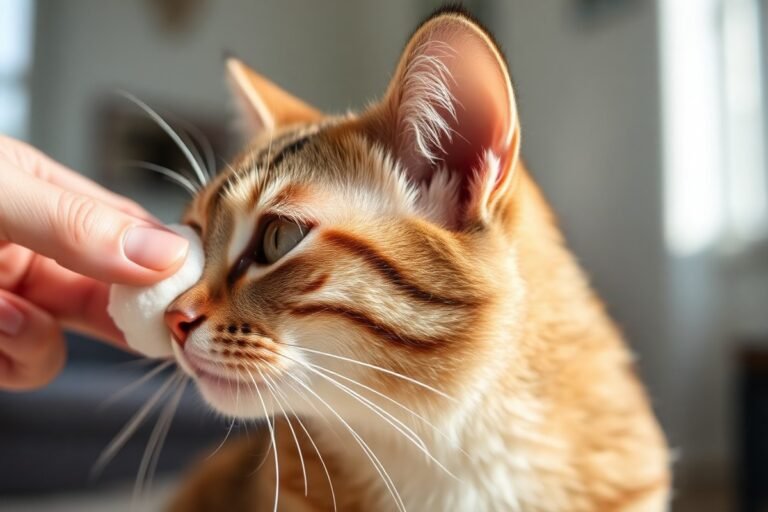
Persian cats commonly develop tear stains due to their flat facial structure. Use damp cotton pads or soft cloths soaked in warm distilled water to gently clean around the eyes daily, preventing buildup of debris and stains.
Avoid harsh chemicals or soaps near the eyes. Keeping this area clean may also involve trimming excess fur that traps moisture and contributes to staining.
- Use warm, damp cotton pads daily
- Avoid soaps near eyes
- Trim fur around eyes carefully
- Monitor for signs of infection
Face Fur Trimming Tips
Long face fur can trap food and cause discomfort. Carefully trim the whisker pads and around the mouth using blunt-nosed scissors to prevent accidents. Regular trimming helps maintain hygiene and reduces staining around the mouth and chin.
If uncomfortable doing this yourself, seek professional groomers familiar with Persian cats to ensure safety and precision.
- Trim around whisker pads and mouth
- Use blunt scissors for safety
- Schedule regular trims for hygiene
- Consult groomer if unsure
Nail and Paw Care
Proper Nail Trimming Techniques
Trim your Persian’s nails every 1-2 weeks to prevent overgrowth and scratching damage. Use a pet-specific nail clipper and avoid cutting into the quick, which causes bleeding and pain. If you see the pink quick, stop trimming and proceed cautiously.
Offer positive reinforcement with treats and calm voices to keep your cat relaxed during nail care. Consistent scheduling reduces stress and makes the process smoother over time.
- Trim nails every 1-2 weeks
- Avoid cutting the quick (pink area)
- Use sharp pet nail clippers
- Reward cat to reduce stress
For more on this, see our related guide: How to Shave a Matted Cat Safely and Effectively.
Checking and Cleaning Paws
Regularly inspect paws for dirt, debris, or signs of infection, especially between toes where hair can collect litter or grime. Use a damp cloth to gently clean paw pads and remove any foreign particles that might cause irritation.
Keeping paw fur trimmed with grooming scissors ensures easier cleaning and prevents matting around the toes, which can be uncomfortable for your Persian.
- Inspect paws frequently
- Clean pads with damp cloth
- Trim fur between toes regularly
- Look for irritations or wounds
Maintaining Overall Coat Health
Nutrition for a Lustrous Coat
A balanced diet rich in omega-3 and omega-6 fatty acids promotes a shiny, healthy Persian coat. High-quality protein supports hair growth while vitamins like biotin and zinc improve skin condition. Consult your veterinarian to select food formulas designed for long-haired breeds that benefit coat health.
Supplements like fish oil can also aid in reducing dryness and flakiness, contributing to more manageable grooming sessions.
- Feed food rich in omega fatty acids
- Include high-quality protein
- Consider biotin and zinc supplements
- Consult vet for breed-specific nutrition
For more detailed insights on caring for Persian cats, including grooming, visit this authoritative source. Persian cat grooming tips.
Regular Vet Visits and Skin Checks
Routine veterinary visits help detect skin issues such as infections, allergies, or parasites that might affect the coat. Prompt treatment prevents deterioration in fur quality and discomfort for your Persian.
During grooming, check skin for redness, dandruff, or unusual lumps. Early attention to problems supports overall coat health and your cat’s comfort.
- Schedule regular vet checkups
- Monitor skin condition during grooming
- Watch for signs of irritation or parasites
- Address skin issues promptly
Persian Cat Grooming Tools Comparison
This table compares popular grooming tool categories tailored for Persian cats to help you select the right ones for your pet's coat maintenance.
| Tool Type | Effectiveness for Mats | Ease of Use | Price Range | Best For |
|---|---|---|---|---|
| Wide-Toothed Comb | High | Moderate | $10-$20 | Detangling mats and loose hair |
| Slicker Brush | Very High | Moderate | $15-$30 | Removing loose undercoat and fluffing fur |
| Soft Bristle Brush | Low | Easy | $8-$15 | Smoothing top coat and finishing touch |
| Dematting Tool | Specialized | Moderate | $20-$40 | Tackling severe mats with care |
| Nail Clippers | N/A | Easy | $10-$25 | Trimming claws safely |
| Grooming Scissors | N/A | Requires skill | $12-$30 | Trimming face and paws |
Frequently Asked Questions
How often should I groom my Persian cat?
Daily brushing is ideal for Persian cats to prevent mats and tangles. Bathing every 4 to 6 weeks helps keep the coat clean, while nail trimming should happen about every 1-2 weeks.
Can I use human shampoo on my Persian cat?
No, human shampoos can irritate your Persian's skin. Always use shampoos specially formulated for cats, preferably ones designed for long-haired breeds.
What causes tear stains in Persian cats?
Tear stains often result from the Persian's flat facial structure leading to excessive tear overflow, trapping stain-causing pigments around the eyes.
Is professional grooming necessary for Persian cats?
Professional grooming can be helpful, especially if mats are severe or for trimming face fur. However, regular at-home grooming is essential to maintain coat health.
What should I do if I find mats in my cat's fur?
Gently detangle small mats with your fingers or a dematting comb. For large or painful mats, carefully cutting them out or seeking professional grooming is safest.
Key Takeaways
- Brush your Persian cat daily to prevent mats and tangles.
- Use grooming tools designed for Persian cats’ long coats.
- Clean tear stains and trim face fur regularly for hygiene.
- Maintain a balanced diet and regular vet visits for coat health.
Conclusion
Grooming a Persian cat requires a patient and gentle approach focused on daily brushing, periodic bathing, and specialized care for their unique facial features. Prioritizing the right grooming tools and techniques keeps their dense, long coat free of mats and tangles, enhancing comfort and appearance. Attentive grooming also prevents skin problems and tear stain buildup, contributing to your cat’s health and happiness.
Cats with particularly thick coats or sensitive skin may benefit from occasional professional grooming sessions that complement your at-home routine. Tools like wide-toothed combs and slicker brushes are essential for dealing with Persian coat challenges, while regular nail trimming and face fur maintenance complete overall care. Adjust grooming frequency based on your cat’s shedding cycles and activity levels to maintain consistent coat condition.
If you’re beginning to groom your Persian or refining your approach, start with simple daily brushing sessions using recommended grooming tools and keep eye and face cleaning part of your routine. Over time, this will build your cat’s tolerance and promote a healthy, shiny coat that’s easier to manage. Consult your veterinarian or a professional groomer if you encounter persistent matting or skin issues.


2 Comments