
How to Get Rid of Fleas on Dogs: Effective Treatment and Prevention Tips
Getting rid of fleas on dogs requires a combination of immediate treatment, consistent prevention, and environmental control. The most effective approach begins with using veterinarian-approved flea medications such as topical treatments, oral tablets, or flea collars designed specifically for dogs. These products kill adult fleas fast and prevent new infestations.
Fleas are not only a nuisance; they can cause severe itching, allergic reactions, and even transmit tapeworms. Quickly addressing fleas on your dog is vital for their comfort and health. Additionally, fleas can quickly infest your home and yard if left untreated, so a multi-step approach is necessary to fully eliminate them.
This article explains how to treat your dog’s flea problem, the best methods to prevent future outbreaks, and how to manage your home environment to keep fleas at bay. We will also compare popular flea control products to help you choose the right option for your dog.
Understanding Fleas and Why They Infest Dogs
Flea Life Cycle and How It Affects Dogs
Fleas go through four stages: egg, larva, pupa, and adult. Adult fleas jump onto dogs to feed, laying eggs on the dog or in the surrounding environment. These eggs hatch and mature quickly, which can lead to rapid infestations if not controlled.
Since only adult fleas live on the dog, many treatments target this stage. However, eliminating fleas from your dog's surroundings is also critical because eggs and larvae live off the host. Understanding the cycle helps in timing flea treatments effectively.
Common Signs Your Dog Has Fleas
Dogs with fleas usually show persistent scratching, biting, and red, irritated skin. Flea dirt, which looks like tiny black specks, may appear on the dog's coat — a sure sign of fleas.
In severe cases, pets may develop flea allergy dermatitis causing hair loss, scabs, and infections. Early detection helps prevent these complications.
- Excessive scratching or licking
- Presence of flea dirt in fur
- Restlessness or agitation
- Visible fleas moving on the skin
Choosing the Best Flea Treatments for Dogs
Topical Treatments and How They Work
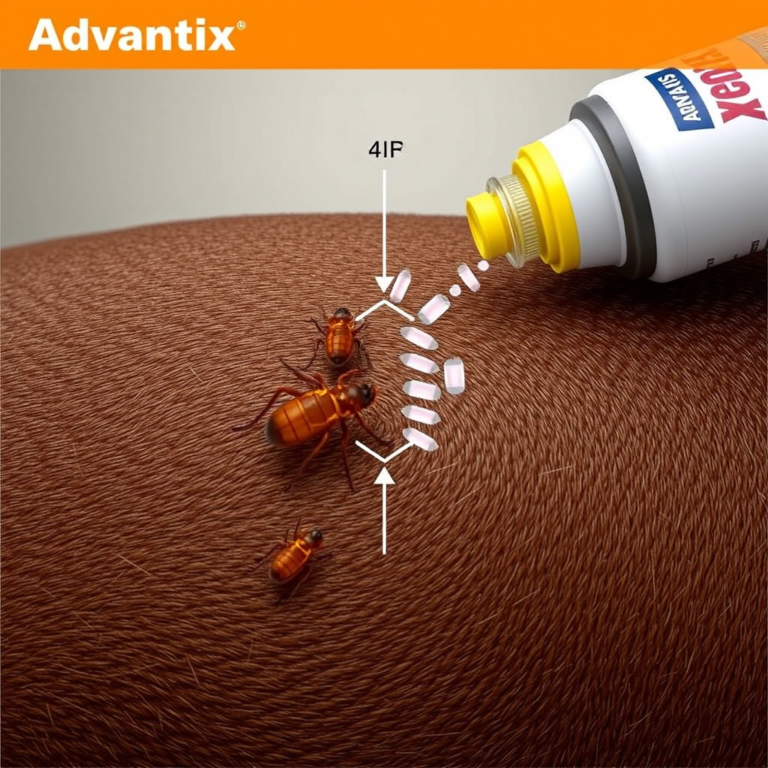
Topical flea treatments are liquids applied to the dog’s skin, usually between the shoulder blades. These contain insecticides that kill adult fleas and sometimes inhibit egg development. They typically last for a month and are easy to apply but vary in effectiveness based on the product and dog's weight.
Popular brands offer formulas for dogs of all sizes. It's important to use only treatments approved for your dog’s species and weight to avoid toxicity.
- Easy to apply monthly spot treatments
- Water-resistant formulas available
- Effective against multiple flea life stages
For more on this, see our related guide: Oatmeal Shampoo for Dogs Benefits: Why It’s a Great Choice for Your Pet’s Skin.
Oral Medications and Their Benefits
Oral flea pills work systemically by entering the dog's bloodstream after ingestion. Fleas biting the dog ingest the insecticide, which kills them quickly, often within hours. Oral medications usually act faster than topical treatments and have the advantage of not washing off in water.
Some oral products also prevent flea reproduction, reducing overall infestation risks. Always follow your vet's instructions when using oral flea preventives.
- Fast-acting flea kill
- Doesn't wash away in water
- May control other parasites too
Preventing Flea Reinfestation on Dogs
Flea Collars and Long-Term Protection
Flea collars release insecticides slowly, providing continuous protection for several months. Some modern collars also repel ticks and mosquitoes. They are convenient for dogs that dislike topical applications or pills but must fit properly to be effective.
When choosing a flea collar, consider the duration, active ingredients, and whether it suits your dog’s size and skin sensitivity.
- Continuous flea and tick protection
- Varied durations from 3 to 8 months
- Water-resistant options available
Combining Treatments for Best Results
Using a combination of flea control methods like topical treatments and collars may provide more comprehensive protection, especially during heavy flea season. However, it's essential to consult a veterinarian before combining products to avoid adverse reactions.
Routine grooming and regular use of flea combs also help detect and remove fleas early, complementing chemical treatments.
- Consult vet before combining products
- Regular use of flea combs
- Maintain consistent treatment schedule
Treating Your Home and Yard for Flea Control
Indoor Flea Treatment Strategies
Flea eggs and larvae often hide in carpets, bedding, and furniture. Vacuuming daily and washing pet bedding in hot water reduce flea populations inside your home. In severe cases, insecticide sprays or foggers approved for indoor use may be necessary.
Focus on areas your dog frequents, including cracks and baseboards. Always follow product instructions carefully to protect family and pets.
- Vacuum thoroughly and frequently
- Wash bedding weekly
- Use indoor-safe insecticides if necessary
For more on this, see our related guide: How to Prevent Shedding in Dogs: Effective Tips to Control Fur Loss.
Controlling Fleas in Your Yard
Outside environments provide flea breeding grounds in tall grass and shaded areas. Mowing the lawn regularly and removing debris can reduce flea habitat. Applying outdoor flea control treatments designed for yards helps break the lifecycle.
Consider natural methods too, such as nematodes that prey on flea larvae, which can be less toxic for children and pets.
- Keep grass trimmed short
- Limit shaded, damp areas
- Use yard flea treatments or beneficial nematodes
When to See a Veterinarian for Flea Issues
Signs That Require Professional Help
If your dog shows signs of severe itching, hair loss, skin infections, or allergic reactions, a veterinarian should evaluate them. A vet can prescribe stronger medications, antibiotics, or anti-inflammatory treatments for complications like flea allergy dermatitis.
Early veterinary care can prevent chronic skin problems and improve your pet’s quality of life.
For a detailed overview of flea biology and control, you can visit the flea information on Wikipedia. flea information on Wikipedia.
Veterinary Flea Treatment Options
Veterinarians offer prescription flea treatments that are sometimes more powerful than over-the-counter products. These include injectables, medicated shampoos, and advanced oral medications tailored to your dog's health and flea status.
They also provide guidance on effectively treating your home and combined pest prevention strategies.
- Prescription flea medications
- Medicated flea shampoos
- Personalized treatment plans
Flea Treatment Categories for Dogs Compared
Here's a comparison of flea treatment options widely used for dogs, highlighting key features and suitability.
| Category | Delivery Method | Duration of Effect | Speed of Kill | Water Resistance | Typical Cost |
|---|---|---|---|---|---|
| Topical Treatments | Skin application | 1 month | Moderate (up to 24hrs) | Yes, most are water-resistant | Moderate |
| Oral Medications | Pill or chewable | 1 month | Fast (within hours) | Yes, unaffected by water | Higher |
| Flea Collars | Collar worn | 3 to 8 months | Slow (days) | Water-resistant variants available | Low to moderate |
| Shampoos | Bath application | Short-term (days) | Fast kill during bath | No, washed off | Low |
| Environmental Sprays | Sprayed on home surfaces | Weeks to months | Varies | N/A | Varies |
Frequently Asked Questions
How quickly do flea treatments start working on dogs?
Most flea treatments begin killing fleas within a few hours, but complete elimination may take up to 24 hours depending on the product. Oral medications tend to act faster than topical options.
Can I use flea treatments made for cats on my dog?
No. Cat flea treatments may contain ingredients toxic to dogs. Always use products labeled specifically for dogs and consult a veterinarian if unsure.
How often should I give my dog flea medication?
Flea medication frequency varies by product but generally ranges from once a month for topical and oral treatments to every 3-8 months for flea collars. Follow manufacturer instructions and vet advice.
Will flea treatments get rid of flea eggs and larvae?
Most treatments target adult fleas and some prevent egg hatching. Environmental control methods like cleaning and insecticides are needed to eliminate eggs and larvae in your home.
Are natural flea control products effective for dogs?
Natural remedies often lack rigorous testing and may be less effective at controlling fleas. For infestations, veterinarian-recommended products provide the best results.
Key Takeaways
- Use veterinarian-approved flea treatments like topical applications or oral meds for effective kill.
- Prevent flea reinfestation by combining treatments and using flea collars or grooming.
- Regular home and yard cleaning significantly reduces flea lifecycle stages outside the dog.
- Consult a vet immediately for severe flea reactions or persistent infestations.
Conclusion
Addressing fleas on dogs effectively hinges on understanding the parasite’s lifecycle and applying targeted treatments to interrupt it. Choosing the right product requires considering your dog's size, health, and exposure to fleas. Combining flea medications with environmental care inside your home and yard closes the gap left by treating just the pet, leading to lasting relief from fleas.
For dogs with mild flea presence, monthly topical or oral preventives are usually sufficient, supplemented by flea collars for extended coverage. Dogs experiencing heavy infestations or allergic reactions benefit most from veterinary-prescribed medicines and enhanced home treatment strategies. Each dog’s flea control plan should be tailored to its lifestyle and local flea threat levels to maximize comfort and safety.
If you notice any signs of intense itching, skin damage, or your dog quickly reacquires fleas, schedule an appointment with a veterinarian to explore advanced treatment options. Meanwhile, a consistent routine of flea control combined with thorough cleaning and yard maintenance offers the best path to keeping your dog flea-free and comfortable.



One Comment