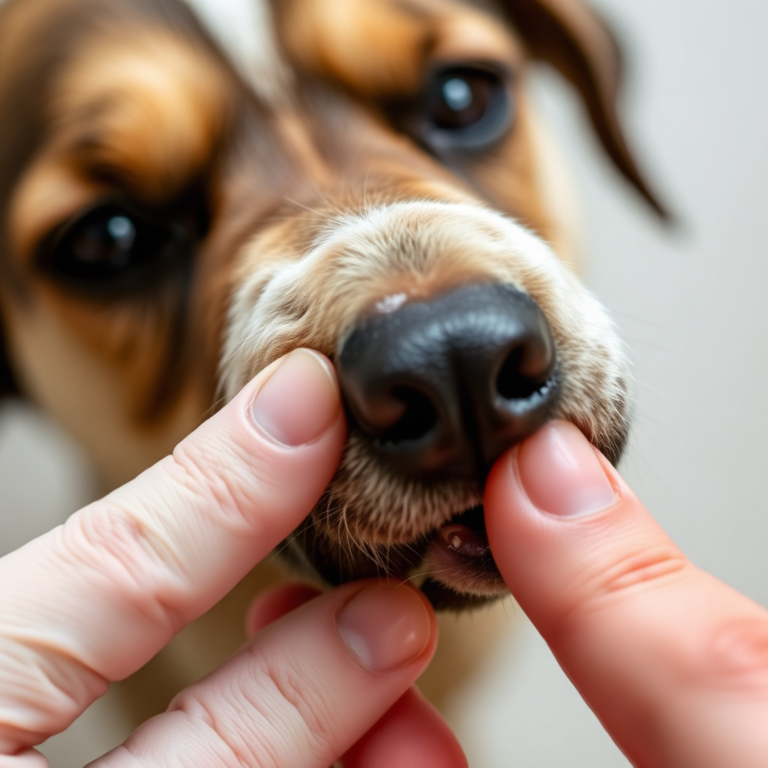
Why Do My Dog’s Ears Smell? Causes and Solutions Explained
If your dog's ears have started to emit an unpleasant odor, it is often a sign of an underlying issue such as infection, wax buildup, or allergies. This smell should not be ignored because it usually indicates that your dog's ear health needs attention.
Dogs' ears are warm, moist environments ideal for bacteria, yeast, and mites to thrive when not properly cleaned or if the dog suffers from skin conditions. Knowing why your dog's ears smell matters since ear problems can lead to discomfort, balance issues, and more serious ear damage if left untreated.
This article will examine the most common causes behind smelly dog ears, highlight symptoms to watch for, explain how to safely clean your dog’s ears, and suggest when to consult a veterinarian for treatment.
Understanding the Causes of Smelly Dog Ears
Bacterial and Yeast Infections in Dog Ears
One of the primary reasons for a bad odor in a dog’s ears is a bacterial or yeast infection. These infections often arise when moisture becomes trapped inside the ear canal, creating a breeding ground for microbes.
Such infections produce a distinct foul or musty smell, often accompanied by redness, swelling, and scraping at the ears. Dogs with floppy ears or those prone to swimming are particularly vulnerable.
- Symptoms include redness, discharge, itching, and head shaking
- Requires prompt vet diagnosis and medication
- Left untreated, infections can worsen and cause permanent damage
Ear Mites and Parasites
Ear mites are tiny parasites that live in the ear canal and cause intense irritation. They can lead to a strong, unpleasant smell combined with dark debris resembling coffee grounds.
These mites are highly contagious between pets and often present with excessive scratching and crusty ear buildup.
- Common in puppies and outdoor pets
- Veterinary treatment includes topical medications
- Cleaning the ears helps remove debris and reduce odor
How Allergies Affect Your Dog’s Ear Health
Allergic Reactions Causing Ear Odor
Allergies, both food-based and environmental, can lead to inflammation in a dog’s ears, disrupting the normal ear canal environment. This inflammation can cause wax overproduction and bacterial overgrowth, resulting in a smelly ear.
If allergies go unchecked, the ears may remain constantly irritated, causing chronic odor issues and potential infections.
- Typical triggers include pollen, dust mites, and certain proteins in food
- Managing allergies can reduce ear odor and improve overall comfort
- Veterinarians may recommend allergy testing or special diets
For more on this, see our related guide: Can You Use Baby Shampoo on Dogs? A Clear Answer for Pet Owners.
Signs Your Dog’s Ear Odor is Allergy-Related
Along with odor, allergy-related ear problems often include frequent scratching, redness in both ears, and sometimes hair loss around the ears or face.
Monitoring these signs alongside other allergy symptoms like skin irritation or frequent licking of paws can help identify allergies as the cause of the smell.
Proper Cleaning Techniques for Dog Ears
Safe Ear Cleaning: Dos and Don'ts
Regular ear cleaning can help prevent odor by removing excess wax and debris. Use only vet-approved ear cleaning solutions and avoid inserting anything deep into the ear canal to prevent injuries.
Cotton balls or gauze can gently wipe the ear flap and accessible canal opening, but never use cotton swabs or sharp objects inside the ear.
- Use products formulated for dogs
- Be gentle to avoid causing inflammation
- Stop cleaning and consult a vet if the dog shows pain
Cleaning Frequency Based on Ear Type
Dogs with floppy ears, like Cocker Spaniels and Basset Hounds, are predisposed to smelly ears and may benefit from weekly cleanings to prevent moisture build-up.
Dogs with upright ears generally require less frequent cleaning, but regular checks for wax and debris are still recommended.
- Adjust cleaning frequency based on your dog's breed and activity
- Monitor for signs of infection despite routine cleaning
When to Seek Veterinary Care for Your Dog’s Smelly Ears
Recognizing Serious Ear Problems
Persistent odor combined with swelling, discharge, and pain usually signals an infection requiring veterinary intervention. Untreated infections can lead to chronic ear diseases and hearing loss.
Additionally, any sudden change in behavior such as head tilting or balance problems indicates the infection may have progressed deeper into the ear.
- Look for continuous scratching or head shaking
- Note any changes in appetite or energy
- Watch for worsening symptoms despite home care
For more on this, see our related guide: Understanding Dog Seborrhea: Causes, Symptoms, and Treatment Options.
Veterinary Treatments for Ear Issues
Veterinarians diagnose ear conditions using tools like otoscopes and lab tests on ear swabs. Treatments may include antibiotics, antifungals, antiparasitics, or medicated ear drops.
In severe cases, cleaning under sedation or surgery might be necessary to remove growths or treat chronic infections.
- Follow all prescribed treatment protocols fully
- Schedule follow-up visits to track healing
- Inform the vet of any ongoing symptoms
Preventing Smelly Ears Through Daily Care
Routine Grooming and Inspection
Regularly checking your dog’s ears for unusual odor, redness, or discharge is key to prevention. Grooming around the ear area also helps keep debris out and air circulating in the ear canal.
Drying your dog's ears thoroughly after water exposure reduces the risk of infections that cause odor.
- Use a soft towel to dry ears after bathing or swimming
- Keep hair trimmed around ears if recommended for breed
- Identify and eliminate irritants promptly
For a detailed guide on dog ear infections and their treatment, you can visit this authoritative veterinary resource. dog ear infections overview.
Dietary and Environmental Influences
A balanced diet supports healthy skin and ear conditions, reducing the chance of allergy-related ear problems that lead to odor. Minimizing exposure to allergens and irritants in your dog’s environment can also lower ear infection risk.
Regular vacuuming and limiting pollen exposure help sensitive dogs stay healthier.
- Feed a vet-recommended diet suitable for your dog’s needs
- Keep sleeping areas clean and allergen-free
- Observe reactions to new foods or environments
Common Causes of Dog Ear Odor Compared
This table highlights typical causes of smelly dog ears alongside their key characteristics and treatment approaches.
| Cause | Symptoms | Treatment | Contagiousness |
|---|---|---|---|
| Bacterial Infection | Redness, discharge, foul smell | Antibiotics, cleaning | No |
| Yeast Infection | Musty smell, itching, brown discharge | Antifungal meds, cleaning | No |
| Ear Mites | Dark debris, intense scratching | Topical antiparasitics | Yes |
| Allergies | Itching, redness, wax buildup | Allergy management, cleaning | No |
| Wax Buildup | Mild odor, ear discomfort | Regular cleaning | No |
Frequently Asked Questions
Can dry ears cause a bad smell in dogs?
Dry ears typically do not cause odor. Smell usually results from infections or wax buildup where moisture and microbes accumulate.
How often should I clean my dog’s ears to prevent odor?
Cleaning frequency depends on breed and lifestyle. Weekly for floppy-eared dogs and monthly or as needed for others is a common guideline.
Are smelly ears a sign of a serious health issue?
Persistent odor often signals infections or allergies that require veterinary diagnosis and treatment to prevent complications.
Can I use human ear cleaning products on my dog?
No, human products can irritate dogs’ ears. Always use vet-approved dog-specific ear cleaners.
Do all dogs with ear infections have a bad smell?
Most infections cause odor, but very mild or early infections might not smell noticeably yet.
Key Takeaways
- Smelly dog ears usually indicate infection, mites, allergies, or wax buildup.
- Proper cleaning with dog-safe products can prevent many odors.
- Persistent odor requires veterinary evaluation to avoid serious complications.
- Regular ear inspections help catch problems early and maintain ear health.
Conclusion
When your dog's ears smell unpleasant, it often signals an underlying problem like infection, parasites, allergies, or excess wax. Addressing these issues demands careful observation and appropriate cleaning habits. Knowing what to watch for and when to act can protect your dog from discomfort and prevent worsening issues that affect their quality of life.
Dogs with floppy ears or those frequently exposed to moisture may benefit from regular weekly cleanings to minimize buildup and odor. For dogs showing signs of infection or mites, prompt veterinary treatment is essential. Allergy sufferers need tailored diet and environmental adjustments alongside medical care to keep ear odor in check.
Start by gently cleaning your dog’s ears with recommended products and consulting your veterinarian if you notice persistent odor, discharge, or scratching. Early detection and management ensure your dog's ears remain healthy and comfortable, sparing you both stress and costly treatments.