
How to Choose a Do It Yourself Dog Wash for Easy Pet Grooming
A do it yourself dog wash provides a convenient way to clean your dog at home without the mess and stress of traditional bathing. It typically includes a specialized tub or station with built-in features like sprayers, ramps, and drainage that make washing easier and safer for your pet. Using one can streamline your pet grooming routine while saving money and time.
Many dog owners struggle with the trunk mess and awkward positions required during a normal bath. A DIY dog wash station is designed to eliminate these problems by providing a dedicated, ergonomic setup for all dog sizes. This setup improves safety for both pet and owner, keeping the process controlled and neat.
In this guide, we will explore the key features you should consider when selecting a do it yourself dog wash, review different types of stations available—from portable tubs to full-service setups—and provide a comparison of popular models. You’ll also find tips for making your home dog wash experience efficient and comfortable.
Essential Features in a Do It Yourself Dog Wash
Design and Ergonomics
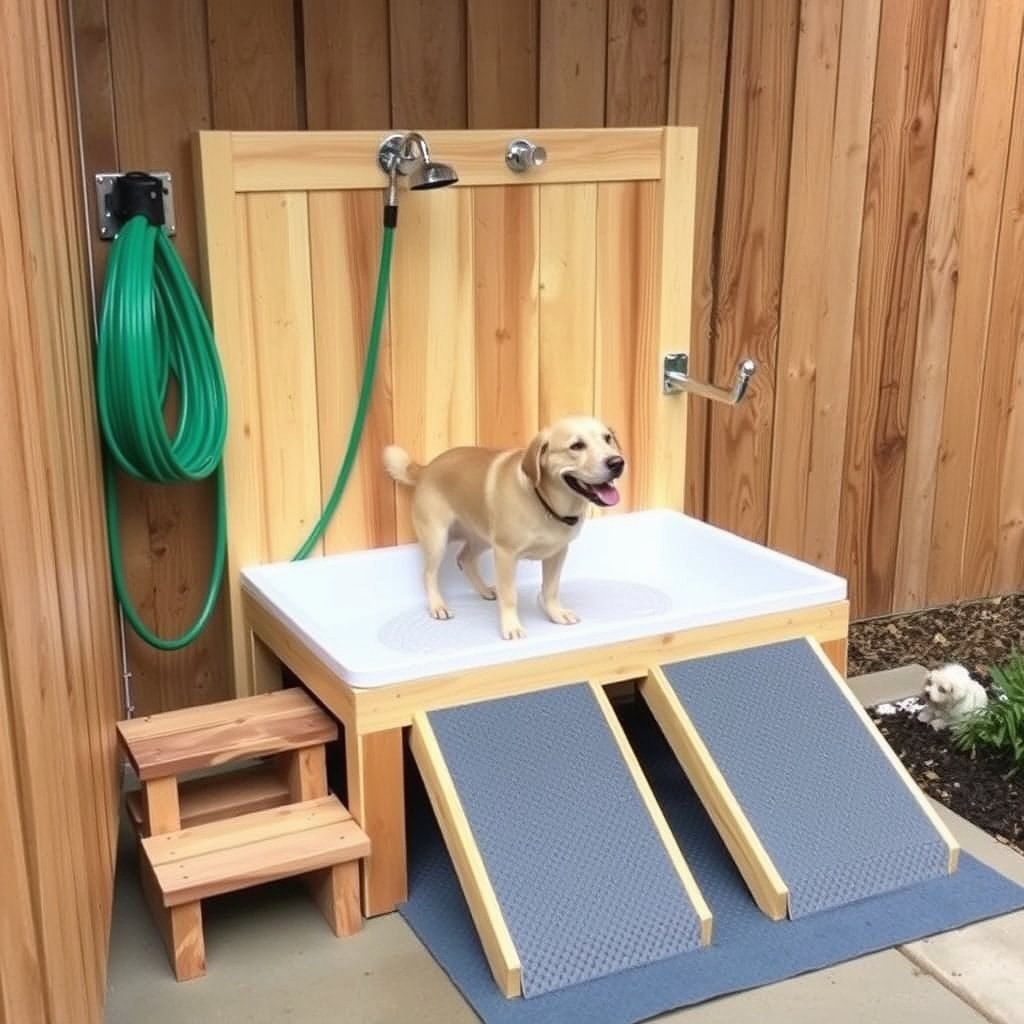
Look for a dog wash station designed at a comfortable height to reduce back strain. Features like non-slip floors and ramps facilitate safe entry and exit for dogs. Compact designs with thoughtful layouts make it easier to control your pet during washing.
Material choice also matters: durable, waterproof materials like stainless steel or heavy-duty plastic ensure your wash station lasts while being easy to clean. Foldable or portable units add convenience for limited spaces.
- Adjustable height options
- Non-slip surfaces
- Ramps or steps for dog entry
- Foldable or portable designs
Water Supply and Drainage
An integrated sprayer with adjustable water flow and temperature controls save time and water. Ensure the hose is long enough to reach all parts of your dog, and that the nozzle provides both a gentle shower and more powerful rinse options for stubborn dirt.
Drainage should be efficient to avoid standing water, which can harbor bacteria. Some units include direct plumbing connections; others rely on removable tubs that you empty after use.
- Flexible sprayer hose
- Temperature and pressure control
- Efficient drainage systems
- Plumbed connections or removable basins
Types of Do It Yourself Dog Wash Stations
Portable Dog Wash Tubs
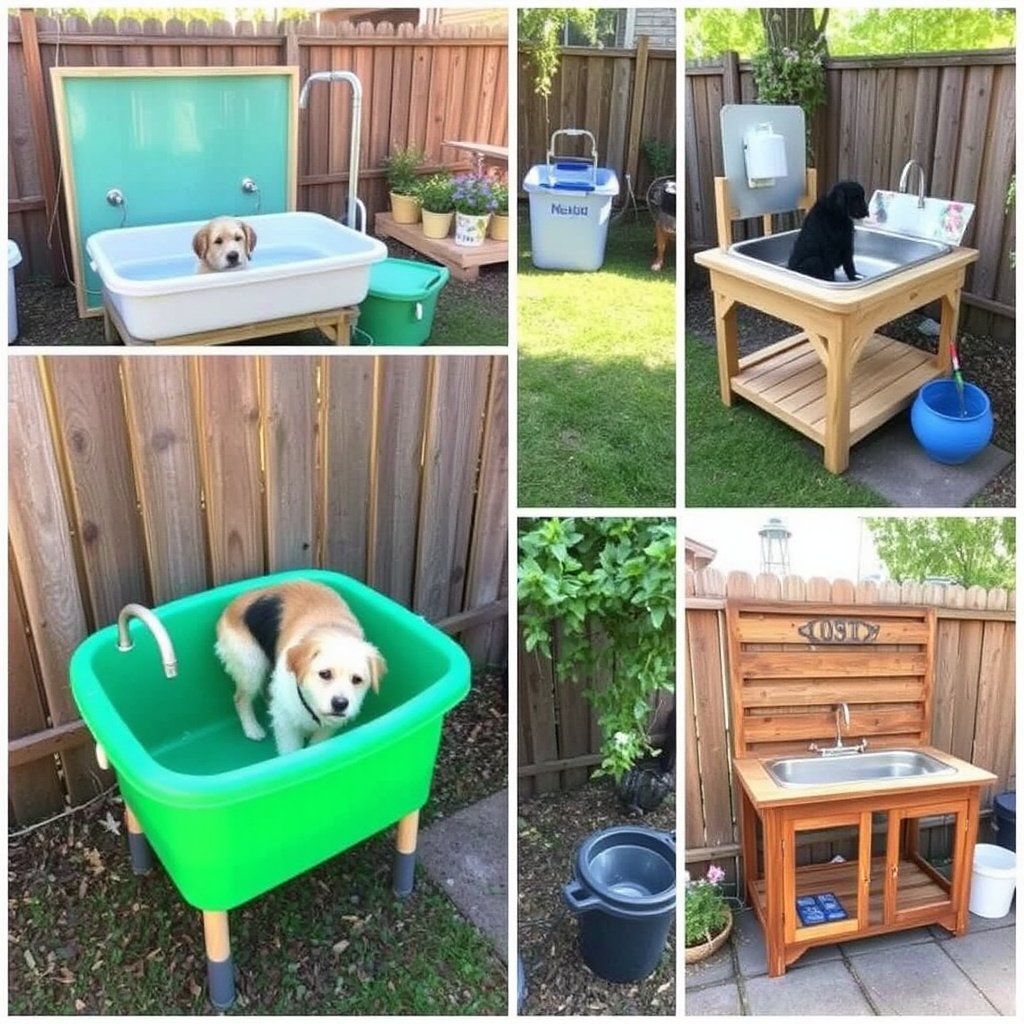
Portable tubs are lightweight, easy to set up, and ideal for small spaces or travel. Made from durable plastic, these tubs often come with side walls to contain water splashes and sometimes include simple drainage plugs.
They are best for smaller breeds due to size limitations but offer flexibility to wash pets indoors or outdoors. Pairing with a handheld sprayer enhances functionality.
- Lightweight and foldable
- Easy to store
- Best for small to medium dogs
- Compatible with handheld sprayers
Fixed Self-Service Dog Wash Stations
These stations are permanent installations commonly found in grooming facilities but increasingly installed at home. They feature built-in plumbing, sturdy tubs, and often have ramps and hooks for securing dogs.
Ideal for frequent use and larger breeds, fixed dog wash stations offer greater stability and integrate well with water heating systems, making grooming more comfortable for pets.
- Permanent plumbing setup
- Suitable for larger dogs
- Stable and robust construction
- Integrated water heating options
Setting Up Your DIY Dog Wash Area
Location Selection
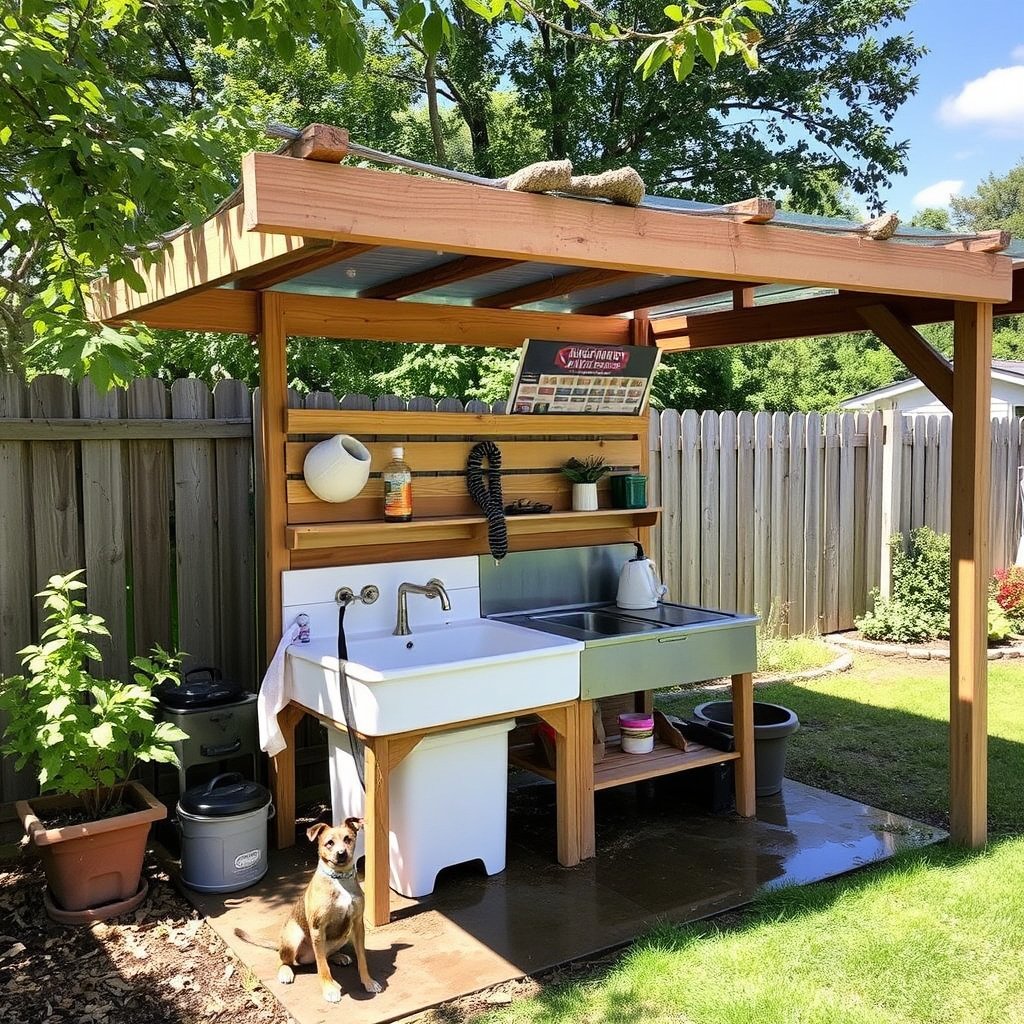
Choose a spot with easy access to water and drainage, preferably outdoors or in a laundry area. A shaded area prevents pets from overheating, while good lighting helps with thorough grooming.
Consider proximity to your home to reduce mess tracking and ensure quick cleanup. Nearby storage for towels, brushes, and shampoos improves convenience.
- Near water hookups
- Accessible drainage
- Shaded or covered if outdoors
- Close to grooming supplies storage
Safety and Comfort Considerations
Use non-slip mats both inside and around the wash area to reduce slips. Fresh water temperature should always be moderate to avoid discomfort or burns.
Introduce your dog gradually to the wash space to reduce anxiety. Having treats and gentle handling tools can make the experience positive and safer.
- Non-slip flooring
- Temperature-controlled water
- Calming accessories like treats
- Secure harness or leash hooks
Maintenance and Cleaning of Your DIY Dog Wash
Routine Cleaning Tips
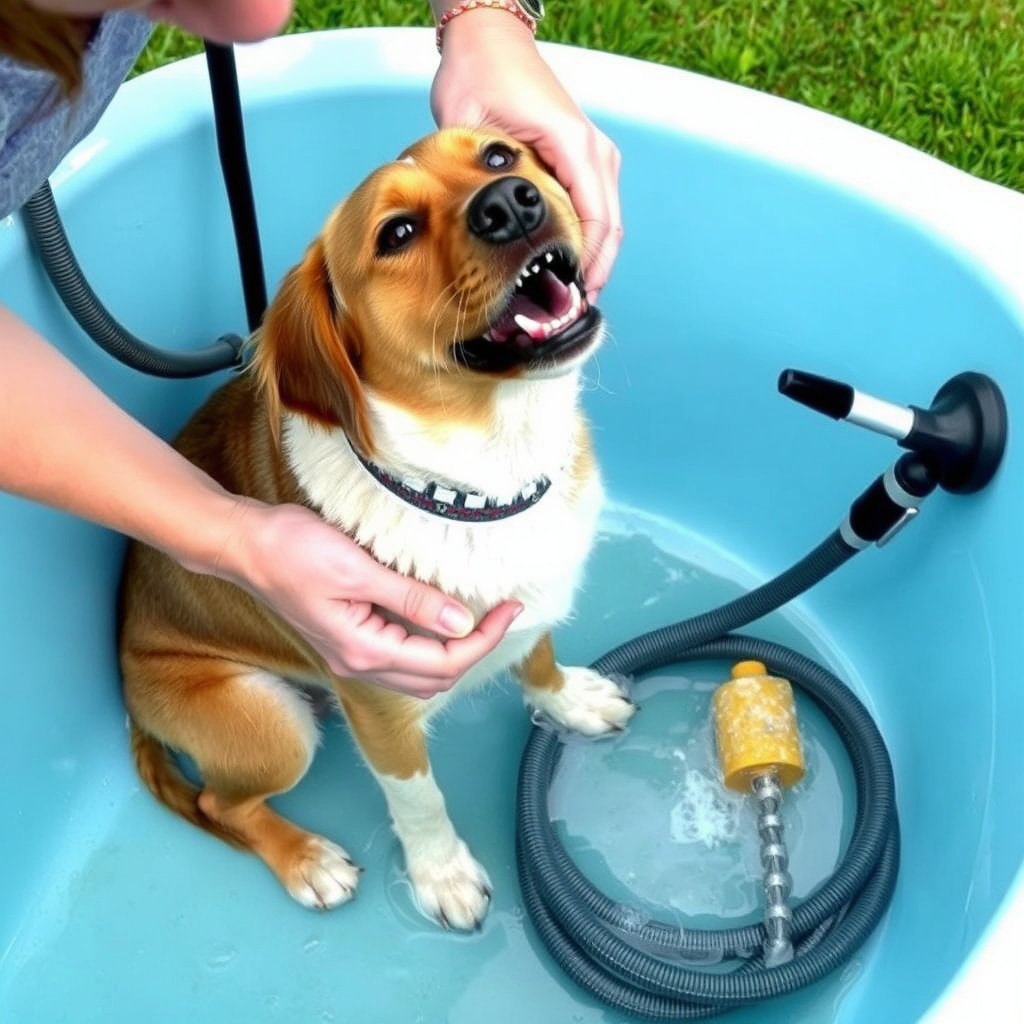
Regularly rinse and disinfect the tub after each use to prevent buildup of dirt and bacteria. Use pet-safe cleaning agents to avoid irritation if residue remains.
Check hoses and nozzles for clogs and replace filters where applicable to maintain water flow quality.
- Rinse and disinfect after each use
- Use pet-safe cleaners
- Inspect hoses and nozzles
- Replace filters regularly
Long-Term Upkeep
Inspect structural components like ramps and platforms periodically for wear or damage. Replace worn parts promptly to maintain safety.
Consider seasonal maintenance such as draining and storing portable tubs indoors during winter to prevent cracking.
- Check structural integrity
- Replace worn components
- Seasonal storage of portable tubs
- Lubricate moving parts if present
Cost and Value of Do It Yourself Dog Wash Stations
Budget-Friendly Options
Basic portable tubs often cost less than $100 and provide good value for occasional use or small dogs. They require minimal setup and no plumbing.
While cost-efficient, these are less convenient for frequent washing or larger breeds due to size and lack flexibility in water control.
- Low initial investment
- Good for small dogs
- No plumbing required
- Portable and easy to store
Higher-End Self-Service Dog Wash Stations
Fixed stations range from several hundred to over a thousand dollars depending on features like built-in heating, adjustable height, and durable materials. These offer long-term durability and ease of use.
They represent an investment that can save money on professional grooming over time and provide superior comfort when used regularly.
- Higher upfront cost
- Durable construction
- Comfort and convenience features
- Saves grooming expenses long-term
Using a Self-Service Dog Wash Station Effectively
Preparation Before Washing
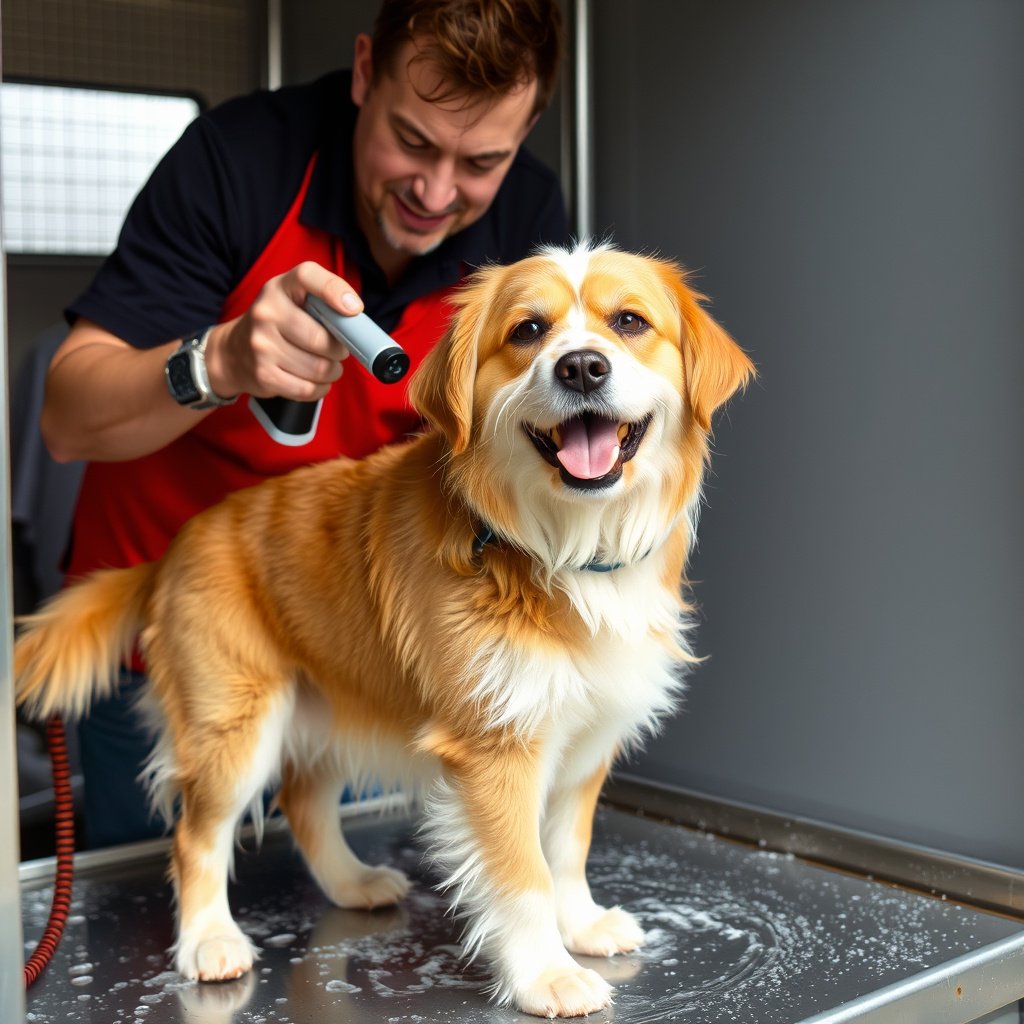
Brush your dog thoroughly before washing to remove loose hair and mats, which makes cleaning more efficient. Prepare all shampoo, towels, and grooming tools within reach to streamline the process.
Test water temperature before starting to prevent shocks. Secure your dog with a leash or harness if station includes hooks to keep them steady.
- Brush dog beforehand
- Gather supplies
- Test water temperature
- Secure dog using hooks or harness
For a broader understanding of dog hygiene and grooming needs, consult this overview of dog grooming basics. dog grooming basics.
Post-Wash Care
Dry your dog well to prevent chills or skin irritation, using towels or a pet dryer if the station allows. Check ears and paws to ensure no water remains that may cause infections.
Offer praise or treats after washing to build positive associations, making future washes easier and more cooperative.
- Thoroughly dry dog
- Check ears and paws
- Use pet-safe drying tools
- Reward dog to reinforce good behavior
Comparison of Do It Yourself Dog Wash Station Types
Here is a comparison of common DIY dog wash options to help you identify which suits your needs best.
| Type | Price Range | Best For | Portability | Setup Requirements |
|---|---|---|---|---|
| Portable Plastic Tub | $50-$150 | Small to medium dogs | High | Minimal, none |
| Foldable Soft Tub | $40-$120 | Small dogs, travel | Very high | None |
| Fixed Stainless Steel Station | $500-$1500 | All dog sizes, frequent use | Low | Plumbing required |
| Backyard Concrete Wash Pad | $300-$700 | Large dogs, outdoor use | None | Plumbing, drainage |
| Self-Service Commercial Station | $700-$2000 | Multiple dogs, grooming businesses | Low | Full plumbing & power |
Frequently Asked Questions
Can I use a regular bathtub instead of a DIY dog wash?
While a regular bathtub can work, it lacks features like ramps, non-slip surfaces, and easy drainage, making it less safe and efficient for dog washing compared to a DIY dog wash station.
How often should I clean the dog wash station itself?
You should rinse and disinfect the dog wash station after every use to prevent bacteria buildup and odors, using pet-safe cleaning agents.
Are DIY dog wash stations suitable for all dog sizes?
There are stations designed for various sizes. Portable tubs fit small to medium dogs, while fixed stations and custom setups can accommodate large breeds comfortably.
Is professional grooming still necessary if I have a DIY dog wash?
DIY dog washes help with regular cleaning, but professional grooming may still be needed for specialized care like haircuts, nail trimming, or skin treatments.
Can I install a DIY dog wash station indoors?
Yes, but it requires access to plumbing and drainage. Many owners install them in laundry rooms or garages where water connections are available.
Key Takeaways
- Do it yourself dog wash stations simplify at-home pet grooming and reduce mess.
- Choose the right type based on your dog's size and washing frequency.
- Proper setup and maintenance increase safety and longevity of the wash station.
- Investing in built-in sprayers and drainage makes washing and cleaning more efficient.
Conclusion
Selecting an effective do it yourself dog wash station depends on understanding your specific needs, such as the size of your dog, available space, and how often you groom. A well-chosen station minimizes physical strain and mess while making pet washing a more pleasant experience. Prioritize ergonomic design, reliable water control, and efficient drainage to keep everything smooth and hygienic.
For those with small dogs or limited space, a portable or foldable tub offers flexibility and ease of storage. Larger dogs or frequent washers benefit from a fixed stainless steel station with plumbing hookups and ramps. Backyard wash pads provide an outdoor solution, while commercial-style units suit multi-dog households or small grooming businesses. Matching your choice to your lifestyle and dog’s needs ensures both safety and convenience.
Start by evaluating your space and plumbing access, then choose a station that fits your dog's size and typical grooming routine. Regular maintenance and grooming prep like brushing ahead keep the process efficient. Whether upgrading your current setup or establishing a new wash area, a do it yourself dog wash station can make pet hygiene easier and more controlled for you and more comfortable for your dog.


One Comment