How to Stop a Cat from Hissing During a Bath: Gentle Tips That Work
To stop a cat from hissing during a bath, use calm, slow movements and warm water combined with gentle praise and reassurance to help your cat feel safe. Start by preparing everything beforehand so the bath is quick and efficient, minimizing stress.
Cats often hiss during baths because they feel scared or trapped. Understanding their anxiety and responding calmly can reduce their defensive behavior. Creating a soothing environment helps your cat associate bath time less with fear and more with security.
This article explores why cats hiss during baths, offers step-by-step calming methods, and examines various tools and products that can ease bath time. By following these guidelines, you can help your cat feel more comfortable and reduce hissing during bathing.
Understanding Why Cats Hiss During a Bath
Cat Body Language and Stress Signals
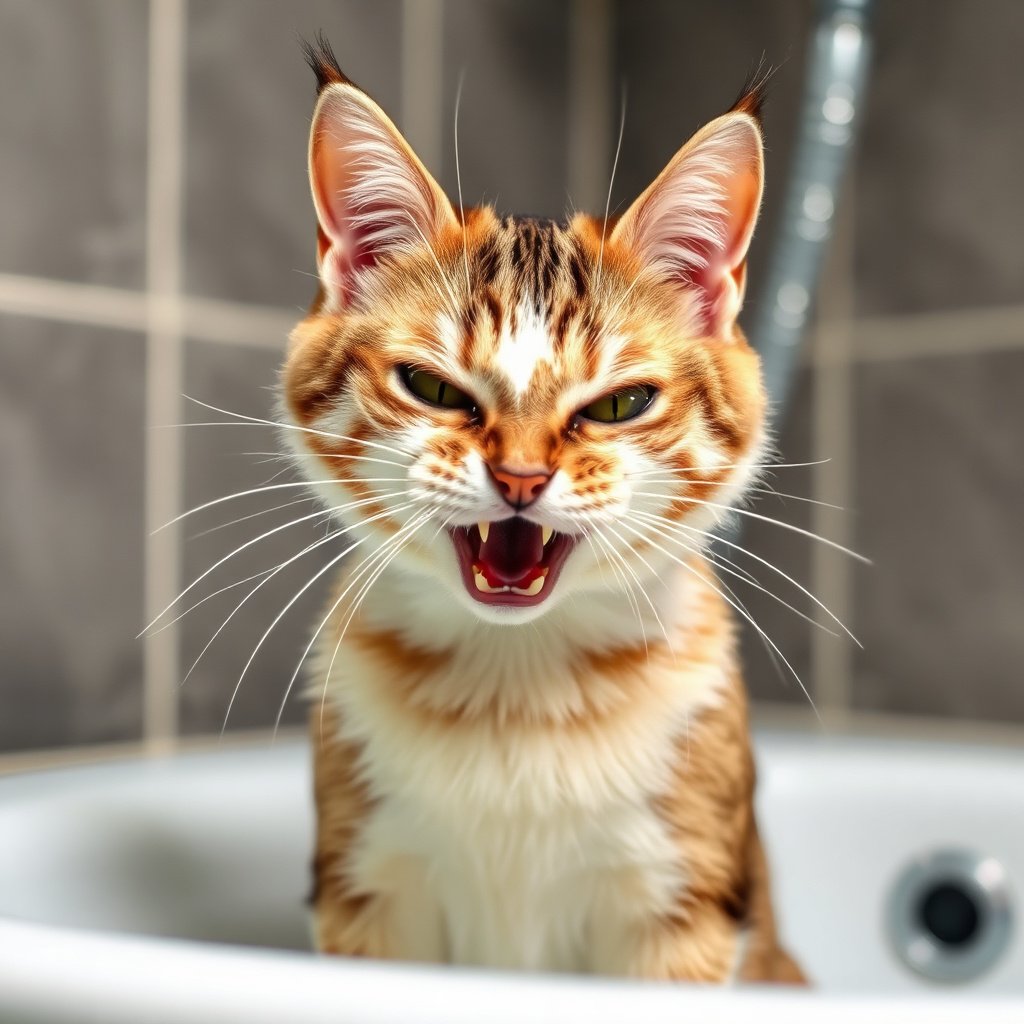
Cats hiss as a warning signal when they feel threatened, anxious, or uncomfortable. During a bath, new sensations, water temperature, and confinement can trigger this reaction. Recognizing raised fur, flattened ears, and tail flicking helps identify when your cat is nearing the stress point.
By reading these signals early, you can adjust your approach to prevent hissing and promote calm. Hissing is a form of communication, signaling that your cat wants the situation to stop or slow down.
Why Baths Are Stressful for Many Cats
Most cats dislike water and being restrained. Baths interrupt their control of the environment and expose them to unfamiliar sensations, creating fear or confusion. The unfamiliar sounds and slippery surfaces add to their stress.
Understanding this helps you approach bath time with greater patience and empathy, making efforts to comfort rather than control your cat.
Preparing for a Calm Bath Experience
Gathering Supplies and Setting Up
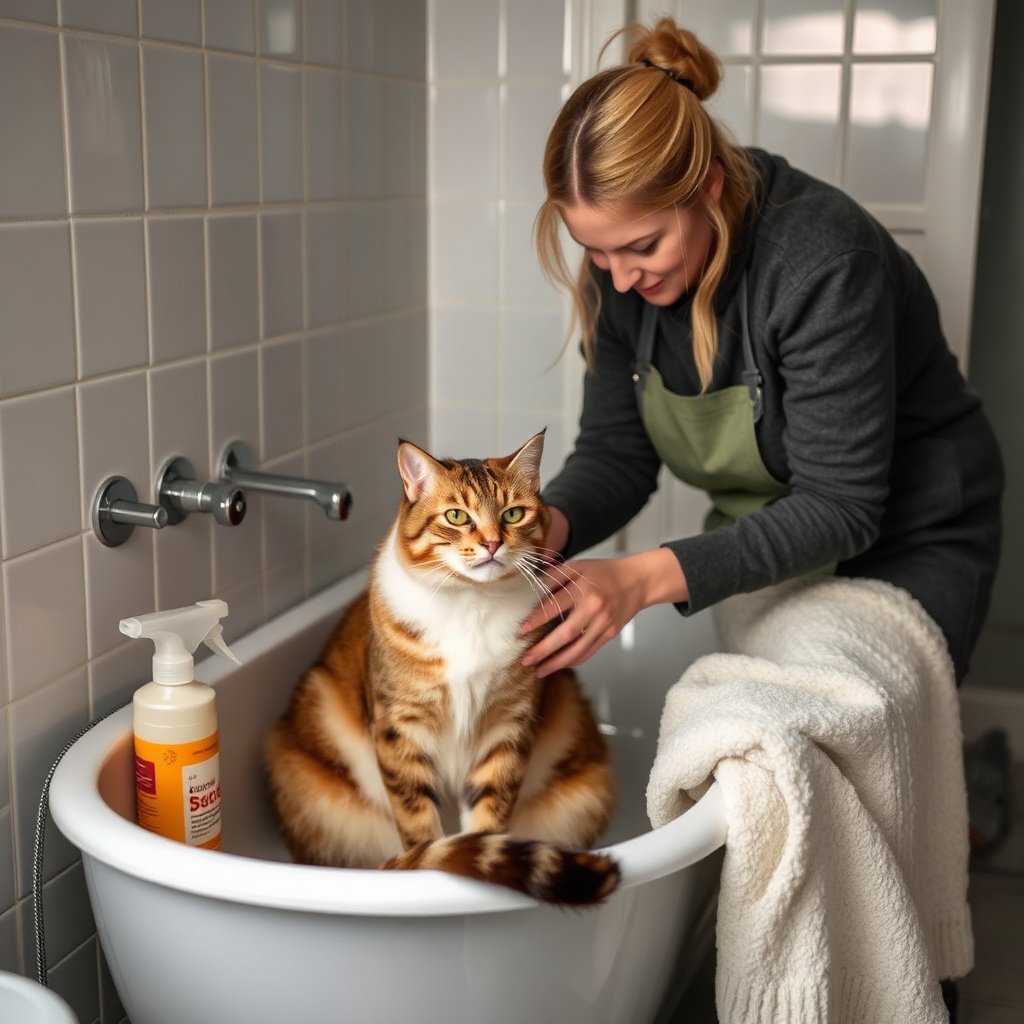
Have all supplies—cat shampoo, towel, non-slip mat, and toothbrush or comb—ready before bringing your cat to the bath area. This reduces the time your cat spends in an unfamiliar environment and limits stress.
Setting room temperature and water warmth to comfortable levels, and using a sink or small tub rather than a large bathtub can create a gentler experience.
- Use lukewarm water around 37°C (98.6°F)
- Place a rubber mat to prevent slipping
- Keep towels handy for quick drying
For more on this, see our related guide: How to Bathe a Cat at a Pet Wash: Simple Steps for Stress-Free Baths.
Creating a Calm Environment with Calming Techniques
Soft lighting, quiet surroundings, and gentle talking during the bath help reduce anxiety. Calming techniques for cats such as pheromone sprays or diffusers can also ease tension before and during the bath.
Consider giving your cat familiar objects like a favorite blanket nearby to provide a sense of security.
- Use feline pheromone sprays 15 minutes before bathing
- Keep voices soft and calm
- Limit sudden movements
Methods to Prevent Hissing During the Bath
Gentle Handling and Slow Movements
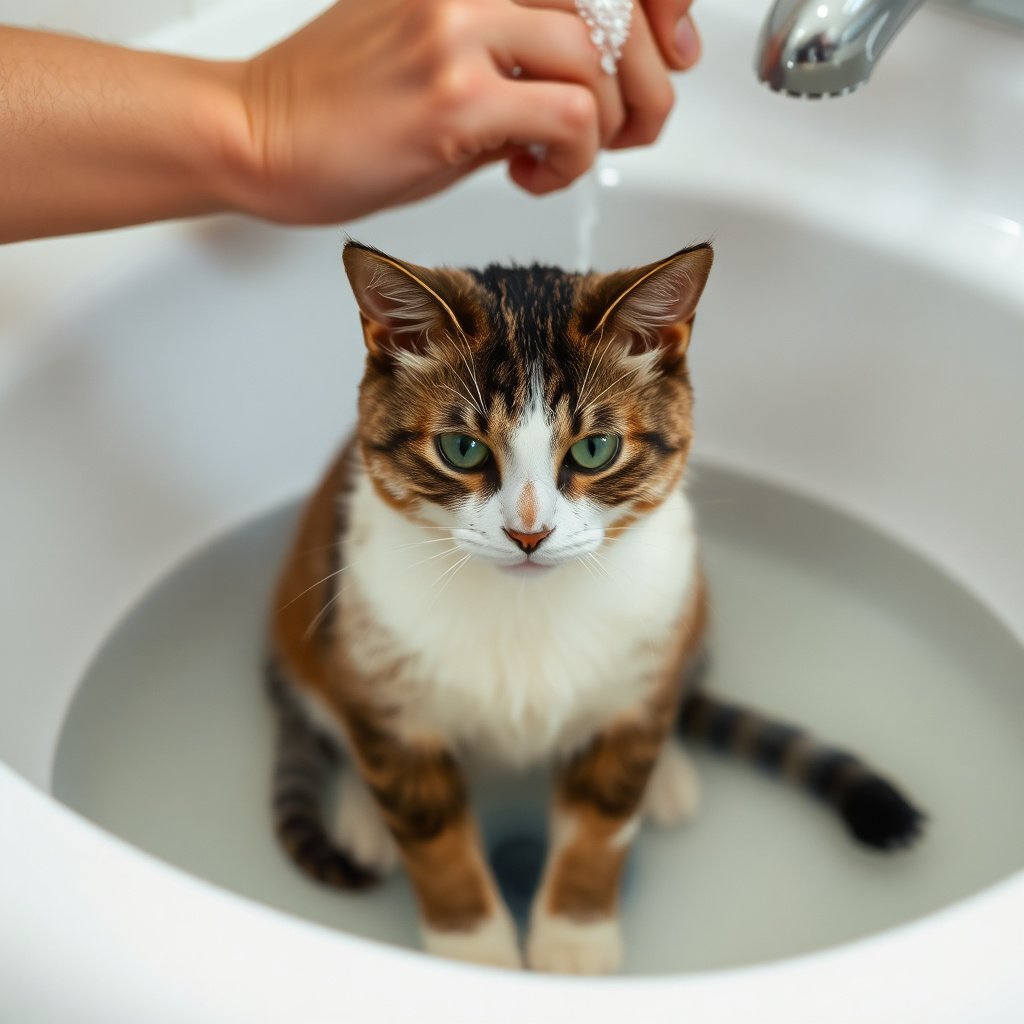
Restrain your cat gently without squeezing, allowing some freedom of movement to avoid triggering fear responses. Use slow and deliberate movements to wash, avoiding splashing or sudden actions that can startle.
Keep your pet’s face away from water spray, rinsing from body downwards, which helps cats feel less threatened by the process.
- Support the cat's body firmly but softly
- Slowly lower limbs into the water
- Avoid wetting the head initially
Using Distractions and Rewards
Distraction methods such as offering treats, toys, or gentle petting during the bath can redirect your cat’s focus from discomfort. Praising verbally and rewarding after completion reinforces positive associations.
Short baths combined with immediate rewards consistently can reduce the frequency of hissing over time.
- Offer small treats during breaks
- Speak in soothing tones
- Use favorite toys post-bath
Tools and Products to Help with Bath Time
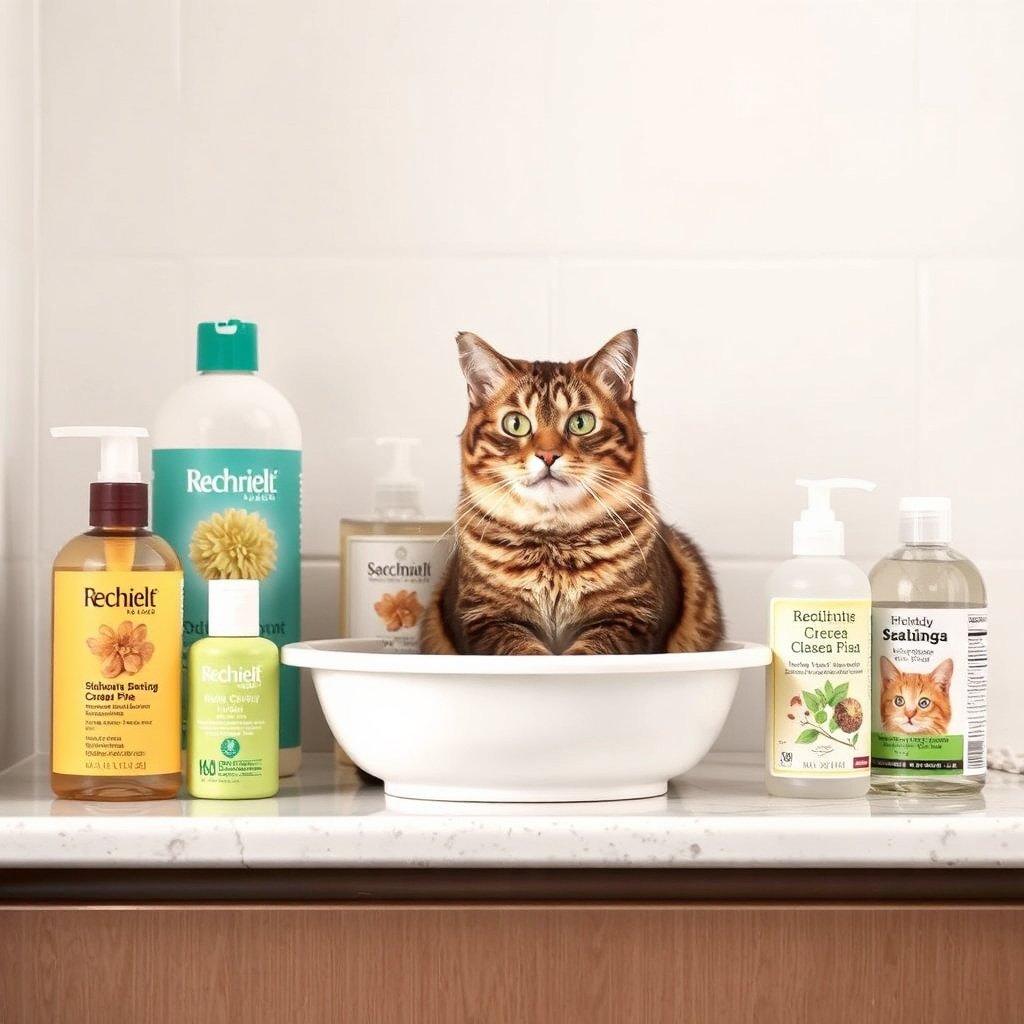
Choosing the Right Shampoo and Accessories
Using hypoallergenic, gentle cat-formulated shampoos reduces skin irritation and discomfort. Avoid human shampoos and harsh detergents. Accessories like gentle brushes or combs designed for wet fur help clean without stressing the skin.
Non-slip bath mats improve stability, and shower sprayers with adjustable flow can provide a gentle rinse.
- Hypoallergenic cat shampoos
- Soft-bristled brushes
- Adjustable water spray nozzles
- Non-slip mats
For more on this, see our related guide: How Often Should You Groom a Long Haired Cat? Simple Steps for Healthy Fur.
Calming Sprays and Supplements
Calming sprays with natural ingredients like valerian or chamomile applied before baths may soothe some cats. Additionally, supplements designed for anxiety can be used temporarily under veterinary guidance to reduce stress-related hissing.
Always test sprays on a small area of skin first to check for allergic reactions.
- Use pheromone-based calming sprays
- Consider veterinary-approved supplements
- Test products on fur patch first
After-Bath Care to Reinforce Calm Behavior
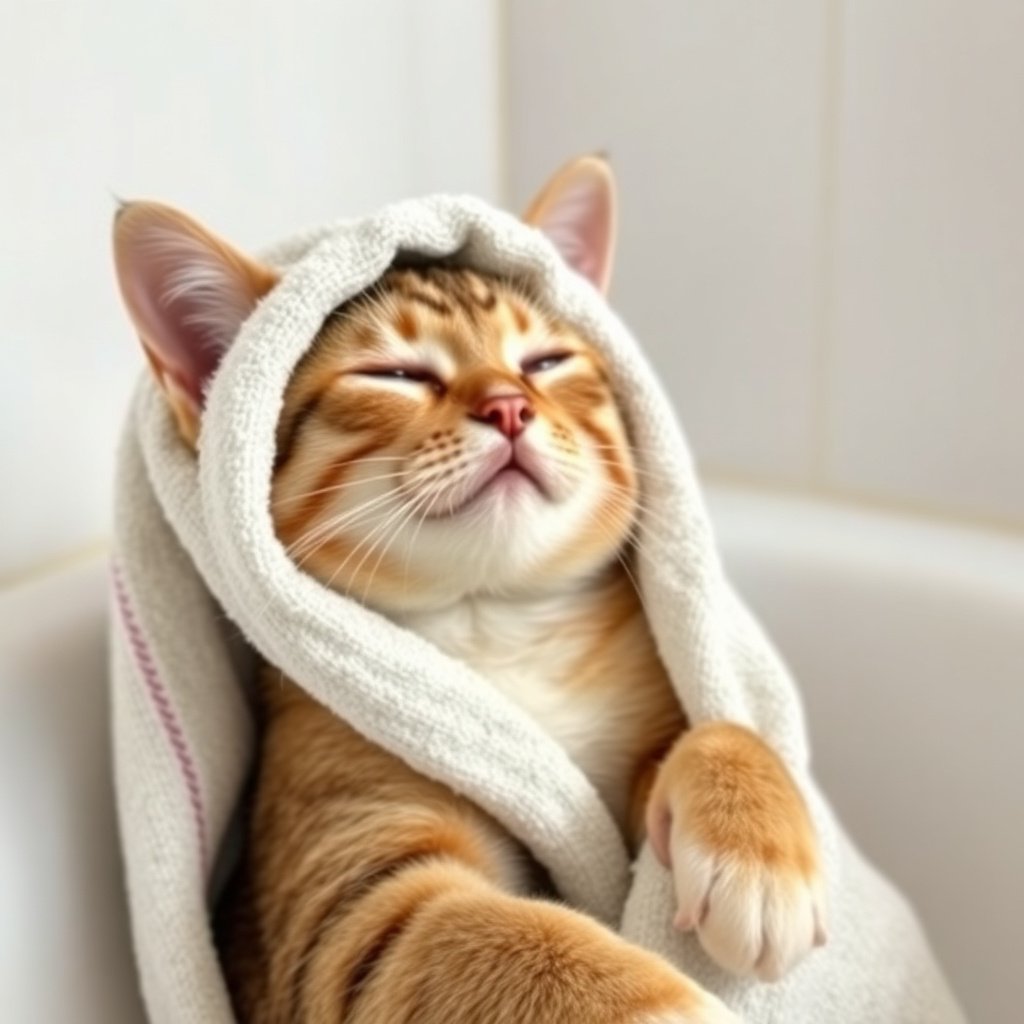
Drying Techniques to Avoid Stress
Pat your cat dry gently with a soft towel. Avoid loud hair dryers as noise and heat can increase anxiety. If you need to use a dryer, keep it on the lowest heat and noise settings and let your cat choose when it’s near them.
Once dry, brushing fur softly can also comfort your cat and prevent matting.
- Use absorbent towels
- Avoid loud blow dryers
- Brush fur gently after drying
For additional expert advice on cat bathing and grooming, review these detailed guidelines. Cat grooming basics on ASPCA.
Rewarding and Comforting Post-Bath
Offer a favorite treat or play session immediately after drying to reinforce a positive experience. Pet your cat calmly and speak softly, letting them explore a familiar space to relax fully.
Reinforcing good behavior helps reduce future bath-related hissing episodes.
- Offer treats after bath
- Engage in gentle play
- Create a comfortable resting spot
Comparison of Cat Bathing Methods
Here’s a comparison of common cat bathing methods by time, stress level, and recommended uses.
| Method | Average Time | Stress Level for Cat | Best For |
|---|---|---|---|
| Sink Bath | 5-10 minutes | Low to Medium | Small cats or kittens |
| Bathtub Bath | 10-15 minutes | Medium to High | Cats used to water or large breeds |
| Dry Shampoo/Waterless | 2-5 minutes | Low | Quick cleaning and sensitive cats |
| Professional Groomer Bath | 20-30 minutes | Varies | Difficult or aggressive cats |
| Wipes and Spot Cleaning | 1-3 minutes | Very Low | Minor dirt and stressed cats |
Frequently Asked Questions
Is it normal for cats to hiss during baths?
Yes, hissing is a common way cats express fear or discomfort during baths because they often dislike water and being restrained.
Can I give my cat a bath without getting scratched?
Using gentle restraint, slow movements, and calming techniques reduces the chance of scratches, but a calm cat is key to a scratch-free bath.
How often should I bathe my cat?
Most cats do not need frequent baths; bathing once every few months or as needed for dirt or medical reasons is usually sufficient.
Are waterless shampoos effective for cats?
Waterless shampoos are a good alternative for quick cleaning and sensitive cats, helping reduce stress associated with full baths.
What should I do if my cat becomes very aggressive during baths?
If your cat is highly aggressive, consider professional grooming services or consult a vet about calming aids to ensure safety.
Key Takeaways
- Gentle handling and calm environments reduce bath-time hissing.
- Preparing in advance makes baths quicker and less stressful.
- Using calming techniques for cats helps create positive associations.
- Post-bath rewards reinforce calm behavior for future baths.
Conclusion
Stopping a cat from hissing during a bath involves recognizing their stress signals and responding with patience. Approaching bath time as a calm, controlled experience rather than a struggle helps your cat trust the process. Preparing all materials in advance and maintaining a quiet, warm environment supports this goal.
Practical guidance like gentle handling, slow introduction to water, and distraction with treats makes a difference. Options like sink baths or waterless shampoos may suit cats that strongly dislike water. Pheromone sprays and calming products provide another layer of comfort. After the bath, soothing drying techniques and offering rewards help reinforce positive behaviors.
To improve your cat’s bath experience, try incorporating these steps gradually, tailoring your method to your cat’s temperament. Consult a veterinarian if your cat is extremely stressed or aggressive, and consider professional grooming if needed. With patience and care, bath time can become less frightening and more manageable for both of you.