How to Trim a Cat’s Nails Without Getting Scratched: Safe and Stress-Free Techniques
Trimming a cat's nails without getting scratched requires calm handling, the right tools, and understanding your cat’s behavior. Using quick, gentle techniques such as wrapping your cat in a towel and choosing the correct clippers minimizes risks and stress for both you and your cat.
Cats often resist nail trimming because it feels unfamiliar or uncomfortable, which can lead to scratching attempts. Learning how to read their body language and using distractions can create a smoother experience. Avoiding force and rushing helps keep the process safe and calm.
This article covers effective strategies for trimming your cat’s nails safely, the best equipment to use, and ways to handle common challenges. You’ll also find comparisons of nail trimmer types and answers to frequently asked questions about meeting your cat’s grooming needs.
Preparing for a Gentle Cat Nail Trim

Creating a Calm Environment
Start by choosing a quiet, comfortable space where your cat feels safe. Dim lighting and minimal noise help soothe nerves. Keep sessions brief to avoid overwhelming your cat, and consider trimming nails after a meal when they are more relaxed.
Use familiar bedding or a blanket that carries your cat’s scent, which can comfort them during the process. Avoid sudden movements or loud sounds that may trigger anxiety or defensive behavior.
- Choose a quiet room
- Trim after meals or playtime
- Use familiar blankets or towels
- Minimize sudden noises
Using a Towel for Safe Handling
Wrapping your cat securely in a towel helps restrict movement and protect you from scratches. Choose a large, soft towel and wrap your cat’s body snugly, leaving one paw exposed at a time for trimming.
Practice gentle restraint to keep your cat calm without causing distress. Towel wrapping can be especially helpful for squirmy or anxious cats and allows you to focus on one paw without distractions.
- Use a large, soft towel
- Wrap snugly but gently
- Expose one paw at a time
- Calm approach reduces stress
Selecting the Best Cat Nail Trimmers
Types of Nail Trimmers
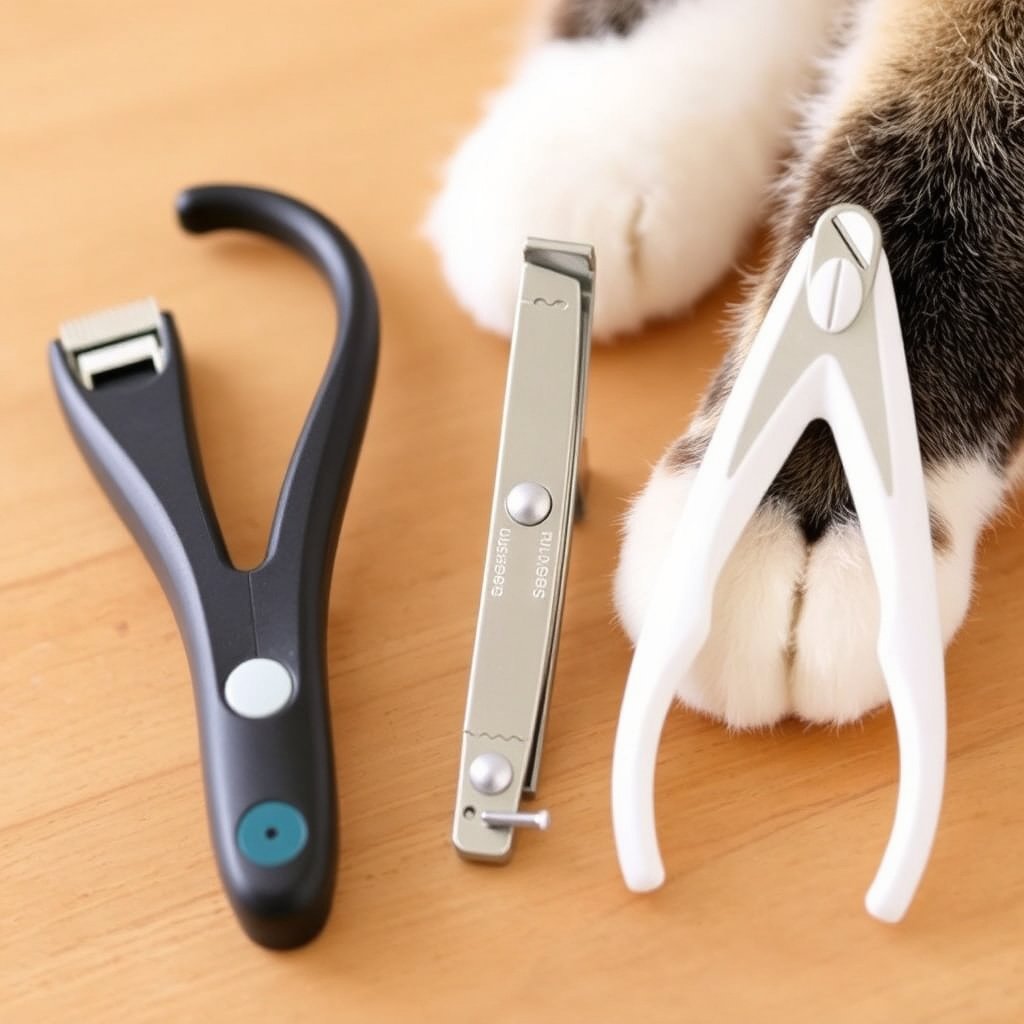
Common cat nail trimmers include scissor-style, guillotine-style, and electric files. Scissor-style clippers offer precision, ideal for careful cuts, while guillotine-style tools allow quick clipping with one squeeze. Electric files smooth nails without clipping but require patience.
Choose a type that feels comfortable in your hand and suits your cat’s temperament. Some cats tolerate electric files if introduced slowly, while others prefer quick scissor cuts.
- Scissor-style for precision
- Guillotine-style for speed
- Electric files for smoothing
- Comfort in handling is key
Features to Look For
Look for sharp, rust-resistant blades that can cut cleanly without crushing nails. A safety guard helps prevent over-cutting and injury. Ergonomic handles reduce hand fatigue and increase control during trimming.
Non-slip grips ensure steadiness, important when trimming a reluctant cat's nails. Additional features like built-in LED lights illuminate nails, making the quick zone easier to identify.
- Sharp, rust-resistant blades
- Safety guards to avoid over-cutting
- Ergonomic, non-slip handles
- LED lights for visibility
Handling Your Cat During Nail Trimming
Reading Your Cat's Signals
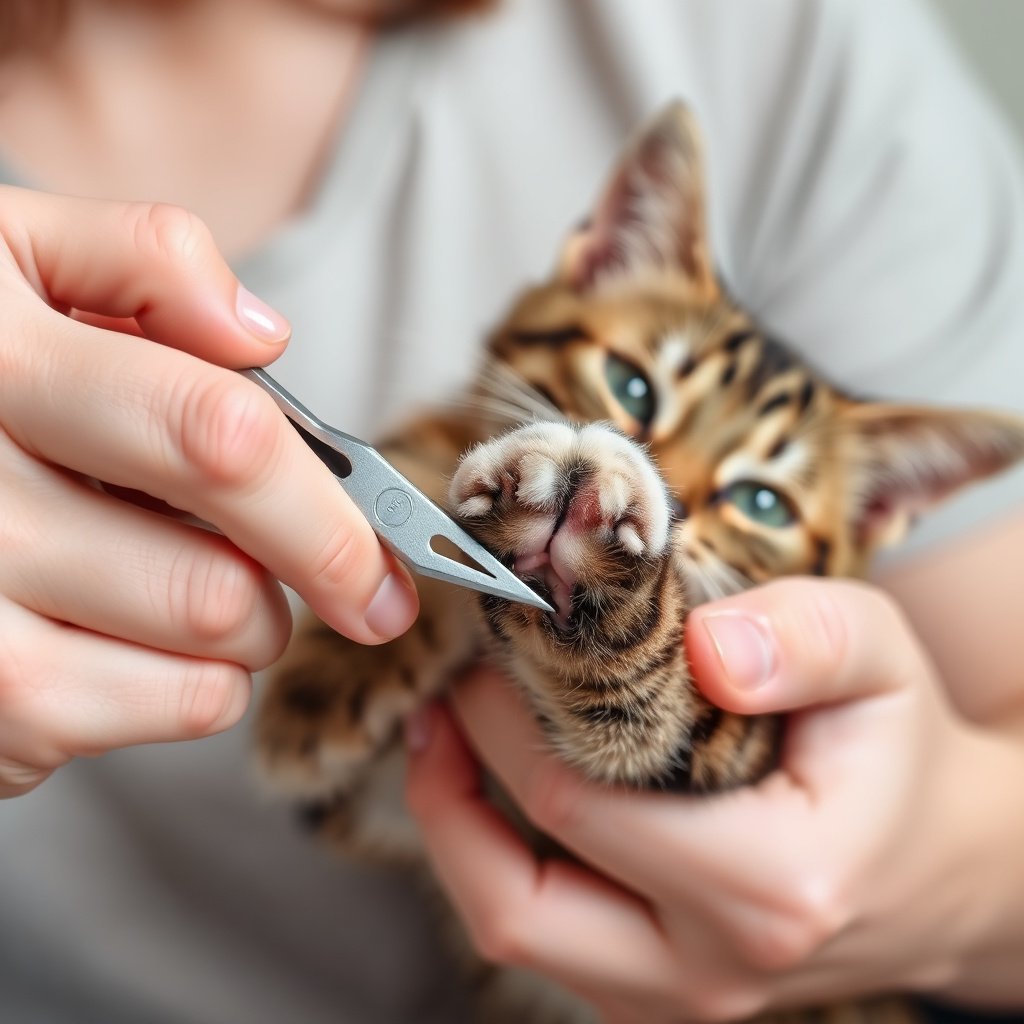
Recognize signs of discomfort such as twitching tails, flattened ears, or attempts to pull away. If your cat shows distress, pause and let them relax before resuming. Patience can prevent scratches and build trust.
Approach each paw slowly and speak in a calm voice. Briefly touch and hold paws regularly even when not trimming to normalize handling and reduce sensitivity over time.
Using Distractions and Rewards
Use treats, toys, or gentle stroking to distract your cat during trimming. Small food rewards immediately after clipping a nail reinforce positive associations with the process.
Consistency in reward type and timing encourages your cat to tolerate nail trimming more willingly. Consider using pheromone sprays or diffusers to help maintain a calm atmosphere.
- Treats after each nail
- Interactive toys for diversion
- Calming pheromone products
- Gentle reassuring voice
Techniques to Avoid Getting Scratched
Proper Hand Placement
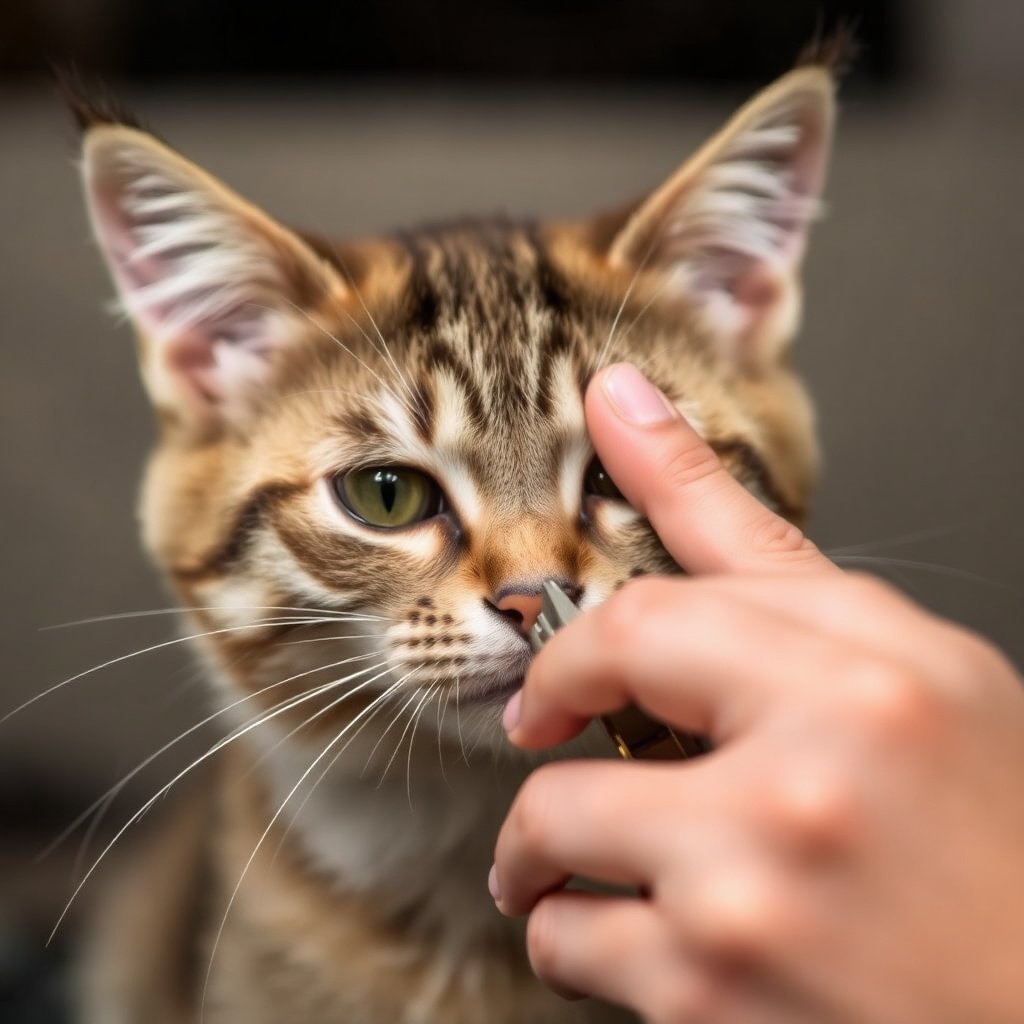
Keep your hand steady and avoid sudden movements near the cat’s face. Holding the paw firmly but gently prevents quick jerks that cause scratches.
Position yourself so you can work at your cat’s level, reducing tension. Use your free hand to support the cat’s body when necessary, minimizing the risk of defensive scratching.
- Firm but gentle paw hold
- Avoid fast hand motions
- Maintain eye-level positioning
Cutting the Right Amount
Cut small sections of the nail at a time to avoid hitting the quick, which can cause pain and trigger scratching.
If unsure where the quick ends, trim just the sharp tip or use a nail file instead. Staying cautious and trimming gradually reduces resistance and protects both you and your cat.
- Trim only sharp nail tips
- Avoid cutting into quick
- Use nail file if uncertain
Maintaining Regular Nail Care
Establishing a Schedule
Regular nail trims every 2-3 weeks keep nails at manageable lengths, reducing the chance of painful overgrowth or snagging. Consistency normalizes the experience for your cat.
Mark dates on a calendar or set reminders on your phone to maintain this routine. Better to do short, frequent sessions than rare, stressful ones.
- Trim every 2-3 weeks
- Set reminders
- Short, frequent sessions preferred
For detailed guidance on trimming your cat’s nails safely, the ASPCA provides useful tips and expert advice. Nail trimming information from the ASPCA.
Signs You Need Professional Help
If your cat is highly resistant, has painful nails, or if trimming causes bleeding, consult a veterinarian or professional groomer. They have experience and tools for safe handling in difficult cases.
Regular vet checks can reveal issues like nail infections or injuries that interfere with trimming. Don’t hesitate to seek expert guidance for your cat’s comfort and safety.
- Resistance or aggressive behavior
- Bleeding or nail abnormalities
- Consult veterinarian or groomer
Comparison of Cat Nail Trimmer Types
Here’s a breakdown of common cat nail trimmer categories highlighting their features and ideal uses.
| Category | Ease of Use | Precision | Best For | Cost Range |
|---|---|---|---|---|
| Scissor-Style | Moderate | High | Small, precise cuts | $10-$20 |
| Guillotine-Style | Easy | Moderate | Quick clipping | $8-$18 |
| Electric Files | Moderate | Varies | Smoothing and gentle trimming | $20-$40 |
| Human Nail Clippers | Low | Low | Emergency use only | $3-$10 |
Frequently Asked Questions
How often should I trim my cat’s nails?
Trim your cat’s nails every 2-3 weeks to prevent overgrowth and keep their claws healthy and manageable.
What should I do if I accidentally cut the quick?
Apply styptic powder or cornstarch to stop bleeding quickly. Calm your cat and avoid trimming the nail for a few days.
Can I use human nail clippers on my cat?
Human nail clippers are not recommended because they can crush or splinter the nail; specialized cat nail trimmers are safer and more effective.
My cat hates having nails trimmed. What can I do?
Try wrapping your cat in a towel, use treats for positive reinforcement, trim nails slowly, or seek a professional groomer’s help.
Are electric nail files safe for cats?
Electric files can be safe if introduced gradually and used gently, but some cats may find the noise or vibration stressful.
Key Takeaways
- Use a calm environment and towel wrapping for safer trimming.
- Choose the best cat nail trimmers with sharp blades and safety features.
- Read your cat’s signals and use treats to reduce stress.
- Trim nails regularly to keep cats comfortable and avoid issues.
Conclusion
Successfully trimming your cat’s nails without getting scratched hinges on patience, preparation, and proper technique. Understanding your cat’s body language and having the right tools like the best cat nail trimmers can drastically reduce stress and injury risks. Building a routine around calm, slow sessions helps your cat accept nail care over time. Rather than attempting to force the process, gentle restraint combined with positive reinforcement encourages cooperation and keeps both you and your feline safe throughout.
For cats that tolerate handling well, scissor-style or guillotine-style trimmers offer quick and effective nail clipping. Electric files suit owners willing to introduce the device gradually, especially for smoothing rough edges. If your cat resists strongly or you’re nervous about trimming, a professional groomer or veterinarian can provide additional assistance or advice tailored to your cat’s needs. Avoid using human nail clippers, and always focus on small trims to avoid cutting into the quick.
Begin by selecting a quiet, comfortable space and have your trimming tools ready. Practice gentle wrapping in a towel to minimize movement, and provide treats as rewards to make nail care a positive experience. Establish a regular trimming schedule every 2-3 weeks to maintain healthy claws. With patience and attention, nail trimming can become a manageable part of your cat’s grooming routine without scratches or stress.