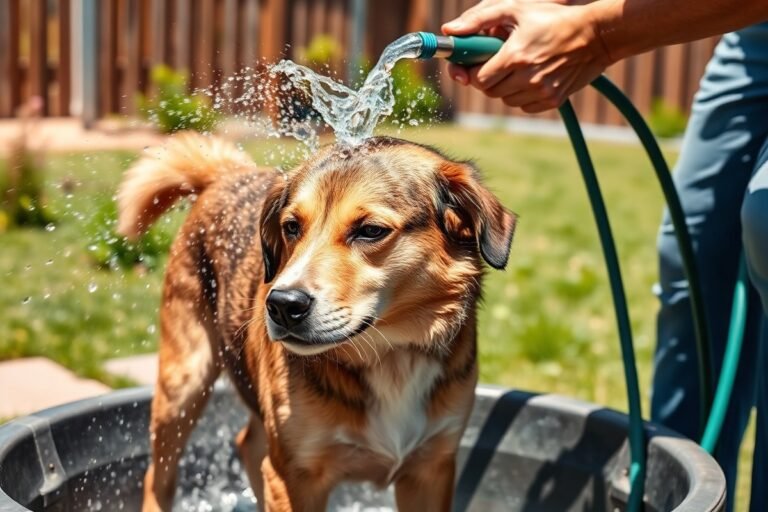
How to Prevent Dog Hair in the House: Effective Strategies for Pet Owners
Preventing dog hair in the house starts with regular grooming and strategic cleaning habits. Brushing your dog frequently reduces shedding by removing loose fur before it falls around your home. Additionally, maintaining a clean environment with targeted cleaning tools can keep fur from accumulating on floors and furniture.
Dog hair can quickly coat sofas, carpets, and clothes, making a home look untidy and sometimes triggering allergies. Understanding how shedding works and the typical times dogs shed most heavily helps manage the issue better. Different breeds also vary in shedding patterns, so tailoring your approach based on your dog's coat type will make prevention more effective.
This article covers practical measures including grooming routines, home cleaning techniques, choice of furnishings, and specific products designed to reduce and manage dog hair. We’ll also discuss lifestyle habits that minimize loose fur, so you can enjoy a cleaner home while loving your furry companion.
Regular Grooming Techniques to Reduce Dog Hair
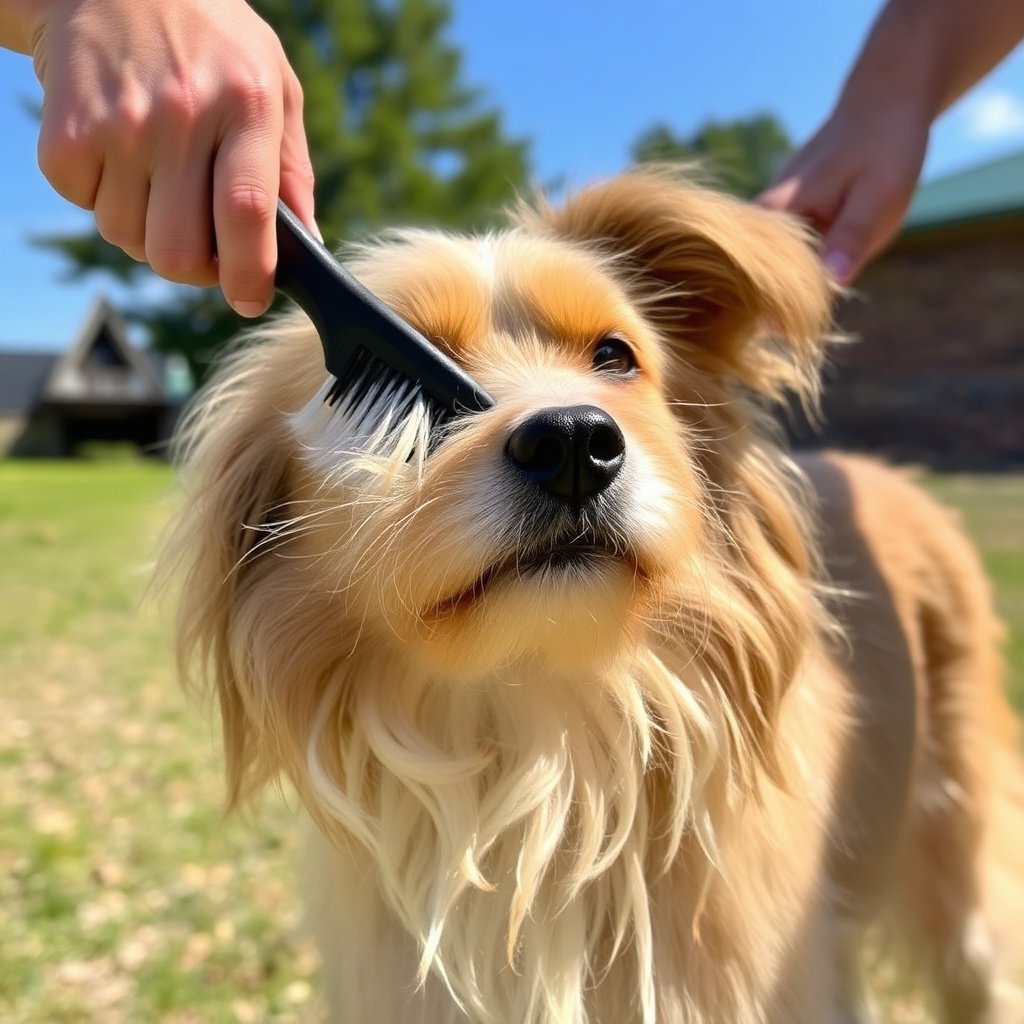
Choosing the Right Brush for Your Dog’s Coat
Selecting a brush that suits your dog’s coat type is critical for effective hair removal. Slicker brushes work well for dogs with medium to long hair, while bristle brushes suit short-haired breeds. For thick undercoats, de-shedding tools are ideal as they reach deeper layers to remove loose fur without hurting the dog.
Frequent brushing helps catch loose hair early, preventing it from shedding around the house. Besides reducing fur buildup, it also promotes healthy skin and a shiny coat, making grooming a beneficial routine for both pet and owner.
- Slicker brushes for long or curly coats
- Bristle brushes for short coats
- De-shedding tools for heavy shedders
- Rubber grooming mitts for sensitive skin
Establishing a Grooming Schedule
Consistency is key to controlling dog hair indoors. Depending on your dog’s breed and shedding season, brushing frequency can range from daily during peak shedding to twice a week for less intensive periods. Regular grooming sessions reduce the amount of loose fur before it spreads around your home.
Incorporate brushing into your pet’s routine early, making it a positive experience to reduce resistance. Combining grooming with treats or playtime helps dogs associate it with reward, increasing cooperation and ease of hair control.
- Daily brushing in spring and fall for heavy shedders
- Weekly brushing for low-shed coats
- Use grooming as bonding time
- Adjust frequency based on shedding cycles
Cleaning Strategies to Keep Dog Hair at Bay
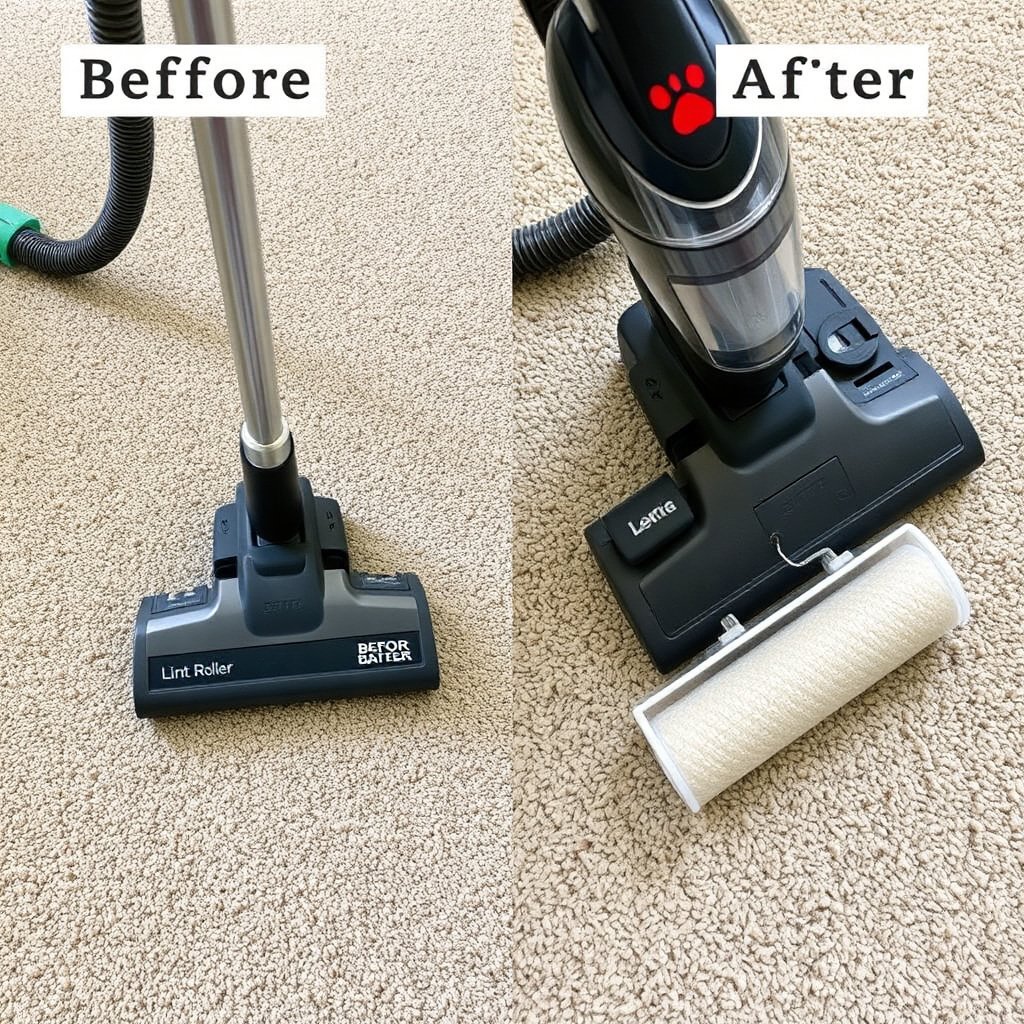
Vacuuming and Floor Maintenance
Vacuuming is essential for removing dog hair from carpets, rugs, and upholstered furniture. Choose a vacuum with strong suction and a brush roll designed to capture pet hair effectively. Some models come with specialized pet hair attachments that improve fur pickup on various surfaces.
Hard floors attract less hair but still require regular sweeping or mopping to prevent fur buildup. Using microfiber mops after vacuuming collects residual hair and dust particles that vacuums may miss.
- Vacuum with pet hair attachments
- Vacuum at least twice a week
- Sweep and mop hard floors regularly
- Consider robot vacuums in multi-pet homes
For more on this, see our related guide: How Do You Know If a Dog Has Mites? Clear Signs and Treatment Tips.
Furniture and Fabric Care
Dog hair sticks to upholstery and fabrics, but you can reduce this with fabric sprays and regular cleaning. Lint rollers or pet hair removers made from silicone or rubber help lift hair off couches and clothing efficiently. Washing removable covers frequently also helps to maintain a fur-free environment.
Using washable slipcovers or blankets on furniture where pets rest limits hair deposition on large surfaces and makes cleanup easier. Regularly airing and vacuuming curtains and bedding also prevents hair buildup.
- Use lint rollers on furniture and clothes
- Wash pet blankets weekly
- Apply fabric anti-static sprays
- Use washable slipcovers
Home Setup and Lifestyle Adjustments

Selecting Pet-Friendly Furnishing
Choosing furniture with smooth, tightly woven fabrics limits hair attachment and eases cleaning. Leather or faux leather options repel fur better than plush textiles. For floors, select low-pile or washable rugs that do not trap excessive pet hair.
Furniture colors close to your dog’s fur tone can help mask loose hairs between cleanings, making hair less visually distracting while maintaining a neat appearance.
- Leather or faux leather sofas
- Low-pile or washable rugs
- Dark colors for fur matching
- Slipcovers for easy cleaning
Designating Pet Zones
Restricting your dog to certain areas reduces the spread of hair throughout the house. Setting up a dedicated space with a comfortable bed and blankets encourages your pet to stay in one spot, containing fur accumulation and simplifying cleaning.
Using baby gates or closed doors limits access to bedrooms or rooms with delicate fabrics, helping keep these spaces hair-free. Regularly cleaning and grooming your dog before allowing access maintains overall hygiene.
- Dedicated pet zones with washable bedding
- Use gates to restrict movement
- Routine brushing before indoor time
- Keep pet beds near cleaning tools
Managing Shedding Through Diet and Health

Nutritional Support for Coat Health
A balanced diet rich in omega-3 and omega-6 fatty acids supports skin and coat health, often reducing excessive shedding. High-quality dog foods with natural ingredients contribute to stronger hair follicles and less hair loss over time.
Dietary supplements such as fish oil can be added after veterinary consultation to enhance coat condition and minimize dryness that can exacerbate shedding.
- Choose premium dog foods with omega fatty acids
- Consult vet before supplements
- Avoid allergenic ingredients that may worsen shedding
- Maintain hydration for skin health
For more on this, see our related guide: Why Does My Dog Have Brown Paws? A Complete Guide with Proven Solutions.
Health Checks to Prevent Excessive Shedding
Shedding beyond typical levels can signal health problems such as allergies, parasites, or hormonal imbalances. Regular veterinary visits help identify and treat conditions before shedding worsens and spreads fur throughout your home.
Early detection of skin infections or parasites can prevent fur loss and discomfort, improving both your dog’s wellbeing and your house's cleanliness.
- Routine vet exams every 6-12 months
- Parasite prevention protocols
- Monitor for skin irritation
- Immediate treatment of infections
Using Technology and Products to Fight Dog Hair
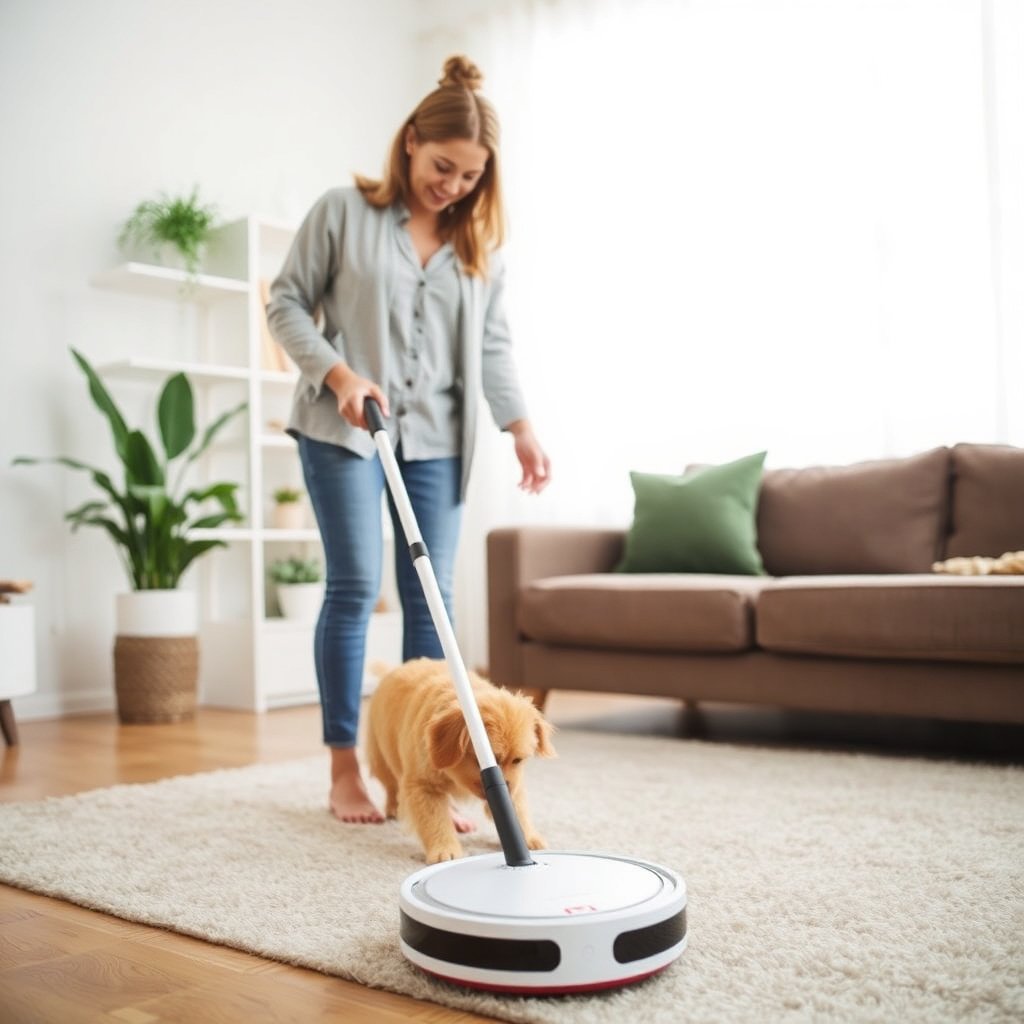
Robotic Vacuums and Hair Removal Tools
Robotic vacuums programmed for daily cleaning help manage continuous hair shedding in busy households. Many models specialize in pet hair with brushes and filters designed for fur pickup, reducing manual vacuuming effort significantly.
Handheld hair removers and pet-specific brushes produced with rubber compounds remove hair easily from furniture and car interiors, complementing vacuum routines and speeding up cleanup.
- Schedule robotic vacuum daily runs
- Use pet hair-specific vacuum attachments
- Keep handheld rubber hair removers handy
- Regularly clean vacuum filters
For more detailed scientific information about dog shedding, visit this shed dog hair prevention resource. shed dog hair prevention.
Air Purifiers and Protective Covers
Air purifiers with HEPA filters capture airborne pet dander that contributes to hair settling on surfaces. They improve air quality and can reduce allergic reactions in occupants sensitive to pet allergens.
Protective covers on pillows and mattresses prevent fur accumulation in bedding areas. These covers are washable and reduce daily cleaning demands while extending the life of household textiles.
- Use HEPA air purifiers in common rooms
- Utilize washable covers on furniture and bedding
- Replace filters regularly
- Choose allergen-proof textiles
Dog Hair Prevention Methods Comparison
This table compares common categories of dog hair prevention techniques, highlighting their effectiveness, effort required, and cost factors.
| Method Category | Effectiveness | Time/Effort Required | Average Cost |
|---|---|---|---|
| Grooming Tools & Schedule | High | Moderate daily to weekly effort | Low to moderate ($20-$50 for tools) |
| Home Cleaning Equipment | High | Regular upkeep needed | Moderate to high (vacuum $100-$400) |
| Furniture & Home Setup | Moderate | Minimal ongoing effort | Varies (from low to high depending on furniture) |
| Diet & Health Management | Moderate | Routine maintenance | Moderate ($20-$60/month food/supplements) |
| Technology & Accessories | High | Low to moderate automated effort | Moderate to high (robot vacuums $200-$600) |
Frequently Asked Questions
How often should I brush my dog to reduce shedding?
For heavy shedders, daily brushing during peak shedding seasons helps control loose fur, while brushing once or twice a week usually suffices for low-shedding breeds.
Can diet really affect how much my dog sheds?
Yes, a diet rich in omega fatty acids and balanced nutrients supports healthy skin and reduces excessive shedding caused by poor nutrition or allergies.
What type of vacuum is best for pet hair?
Vacuum cleaners with strong suction and pet hair attachments, such as brush rolls designed for fur, work best. HEPA filters also help trap allergens associated with pet hair.
Are robotic vacuums effective for managing dog hair in the house?
Robotic vacuums can efficiently maintain hair control with daily cleaning, especially in households with moderate shedding and hard floors, reducing manual cleaning frequency.
How do I prevent dog hair from sticking to furniture?
Using tight-woven fabrics, leather, or washable slipcovers along with regular use of lint rollers and fabric sprays minimizes fur adherence on furniture.
Key Takeaways
- Frequent grooming tailored to coat type significantly reduces indoor shedding
- Regular vacuuming and fabric maintenance keep fur from accumulating
- Home furnishing choices and pet zones limit spread of dog hair
- Diet and health influence shedding levels and coat condition
Conclusion
When aiming to prevent dog hair in the house, consider a combined approach that addresses both the source of shedding and the accumulation environment. Regular grooming is paramount to reduce loose fur before it falls off, while consistent cleaning routines tackle residual hairs that reach floors and furniture. Adjusting your home's setup and furnishings can further limit where hair collects.
Select grooming tools appropriate for your dog's coat and establish a brushing schedule fitting their shedding cycle. Complement these efforts with efficient vacuuming and the use of pet-specific hair removal products, plus implementing designated pet zones with washable bedding. For those whose dogs shed heavily, robotic vacuum cleaners offer valuable continuous maintenance. Additionally, supporting your dog’s coat health through quality nutrition and veterinary care helps reduce excessive shedding.
Start by evaluating your dog's grooming needs and your household's cleaning capacity to create a manageable routine. Invest in grooming tools and cleaning equipment tailored for pet hair. Monitor your dog’s health and coat regularly, and adjust your strategies as needed. Taking these straightforward steps will keep your home cleaner and make sharing your space with your furry friend more comfortable.