
The Best Way to Remove Mats from a Dog: Step-by-Step Grooming Guide
The best way to remove mats from a dog is to use a combination of patience, proper grooming tools, and gentle techniques to prevent causing pain or skin damage. Beginning with small mats, you should carefully separate and detangle fur using a dematting comb or mat splitter, often starting at the edges and working inward. For larger or tighter mats, applying a detangling spray or conditioner can help loosen knots before carefully cutting out mats that cannot be brushed through safely.
Matted fur can cause discomfort, skin infections, and restricted movement in dogs, so addressing mats promptly is important for your pet's well-being. Removing mats correctly is necessary also because aggressive or improper mat removal can damage the dog's coat or skin, increasing stress during grooming sessions. Dog owners and groomers must balance effective mat removal with maintaining the dog's comfort and safety throughout the process.
This article covers the best methods for removing mats from dogs, including recommended tools, grooming steps, safety precautions, and tips for preventing mats in the future. We'll explore techniques suitable for different coat types, as well as how to handle challenging mats without causing harm, to help you keep your dog's coat healthy and comfortable.
Understanding Dog Mats and Their Causes
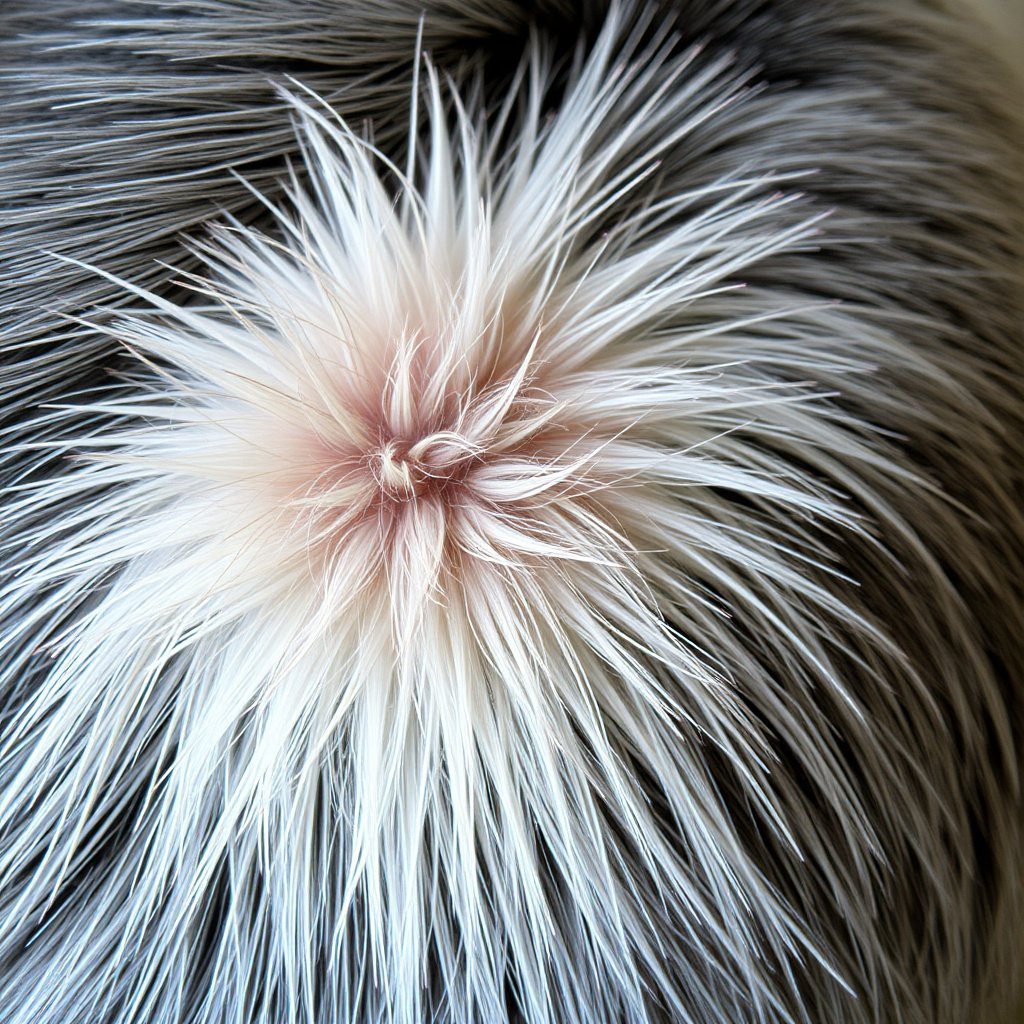
What Are Dog Mats and Why Do They Form?
Dog mats occur when loose fur and dirt become tangled and compressed into dense clumps in the coat. These knots form frequently in areas with friction such as behind the ears, under the legs, and around the neck. Long-haired and thick-coated breeds are more prone because their fur can easily tangle if not brushed regularly. Environmental factors like moisture and debris also encourage matting.
Understanding the root causes of matting helps in managing and preventing these uncomfortable tangles. Regular grooming prevents mats by removing loose hair before it tangles. Mats also worsen when neglected, tightening against the skin and potentially trapping bacteria or creating hotspots.
Impact of Mats on Dog Health and Comfort
Mats can restrict a dog’s movement and irritate the skin, leading to inflammation or infections under the fur. As mats tighten, they can pull on the skin, causing pain or raw spots. Dogs may scratch or bite affected areas, worsening skin damage.
Because mats trap heat and moisture alongside dirt, they contribute to skin odor and can hide parasites like fleas or ticks. Recognizing mats early is vital, as severe matting often requires professional grooming or veterinary intervention to safely remove.
Essential Dog Mat Removal Tools
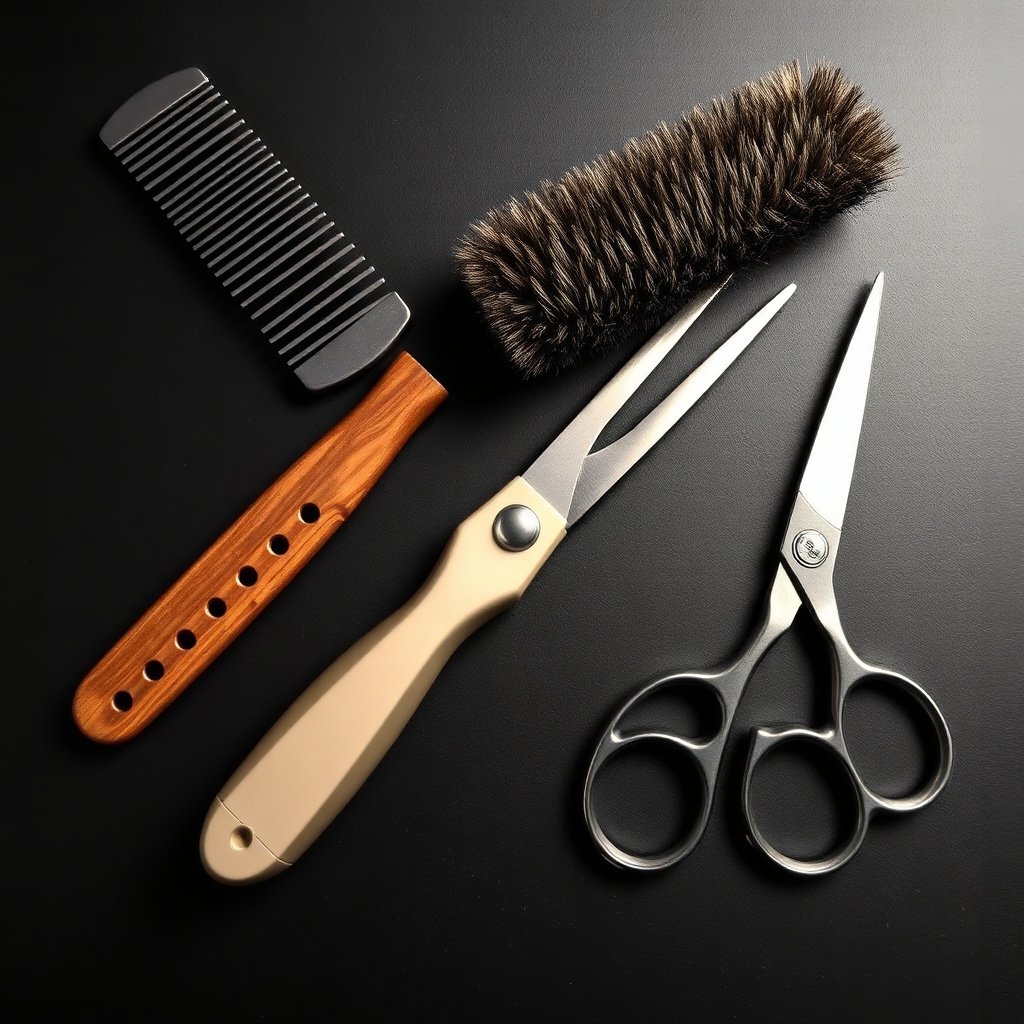
Dematting Combs and Slicker Brushes
Dematting combs feature sharp, closely spaced teeth designed to cut through mats gradually without pulling the skin. Slicker brushes complement this by detangling loose hair gently before working on tougher mats with a comb. Both tools help break down mats before resorting to cutting.
Selecting quality grooming tools suited to your dog’s coat type is crucial for effective mat removal. Many pet users prefer stainless steel combs for durability and sharp teeth optimized for loosening tangles.
- Dematting comb with rotating teeth
- Fine-toothed slicker brush
- Ergonomic handles for grip
Mat Splitters, Scissors, and Detangling Sprays
Mat splitters gently separate large mats into smaller portions, making it easier to comb through. For mats too tight or large to detangle safely, blunt-ended scissors can carefully cut the mat away, minimizing risk of skin injury. Always use scissors as a last resort and with extreme care.
Detangling sprays and conditioners help soften coarse or matted fur before attempting removal. Spritzing affected areas reduces friction and breakage, making the grooming process smoother and less stressful.
- Mat splitter tool
- Round-tipped grooming scissors
- Detangling spray formulated for pets
The Best Way to Remove Mats Safely
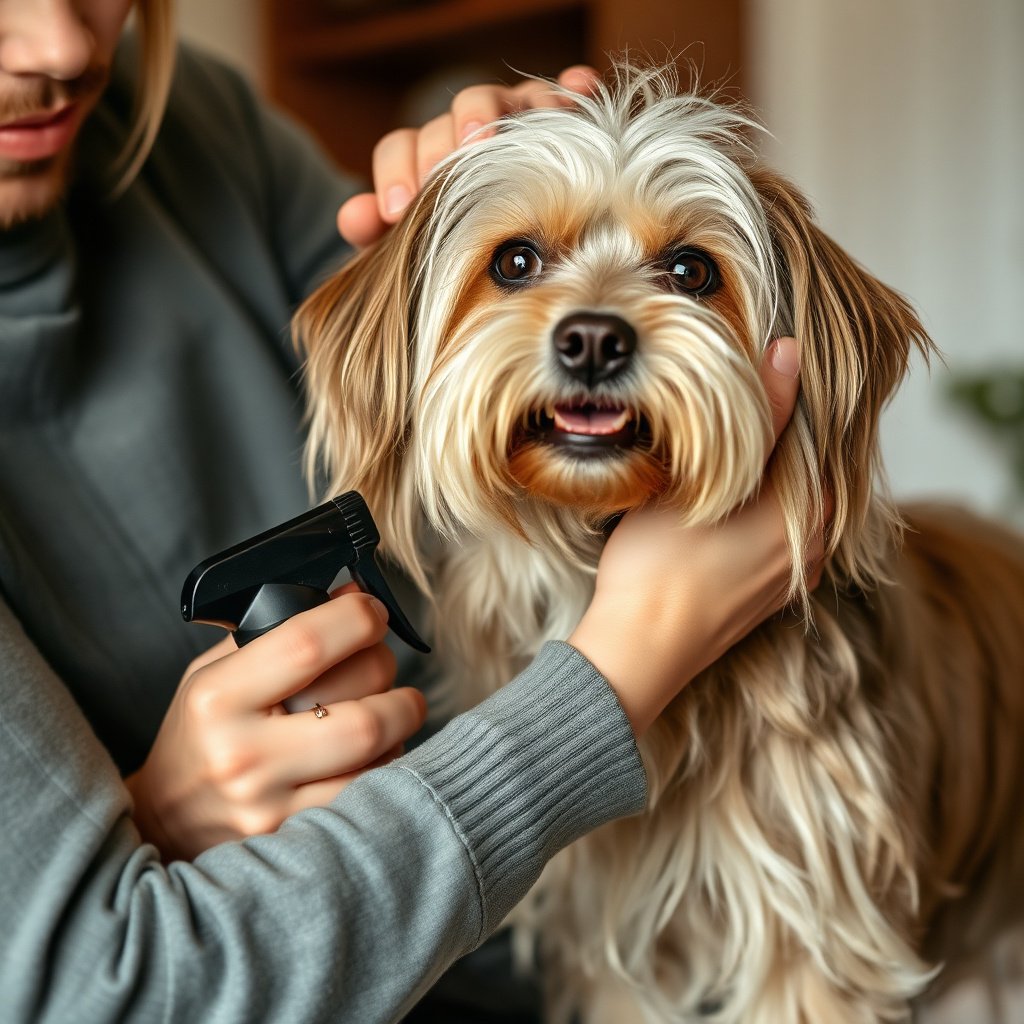
Preparation and Soothing Your Dog
Begin by choosing a calm environment free from distractions to help your dog relax. Grooming sessions should be short initially, rewarding your dog with treats to build positive associations. Using calming tones and gentle handling reduces stress.
If your dog is particularly sensitive or large mats are present, bathing beforehand with a moisturizing shampoo can hydrate the fur, making mats easier to slide apart. Dry the coat partially, leaving it damp but not wet before starting mat removal.
For more on this, see our related guide: Why Does My Dog Shake After a Bath? 8 Key Reasons and Solutions.
Step-by-Step Mat Removal Process
Start with spraying the mat area with detangling spray and gently tugging it apart using fingers before introducing tools. Use a dematting comb to work from the outer edges toward the center, loosening smaller tangles gradually. For stubborn mats, apply more spray and use a mat splitter tool to divide the mat into manageable sections.
If combing fails, cautiously cut through mats with rounded scissors, ensuring the skin is pulled taut to avoid injury. Always take care not to rush; progress in small increments and give your dog breaks if stressed.
- Spray and massage detangler
- Loosen mats from edges
- Cut only as a last resort with safety focus
Preventing Future Mats and Maintaining Coat Health

Regular Brushing and Grooming Routine
Establishing a regular brushing schedule tailored to your dog’s coat type is the key to preventing mats. Daily brushing is ideal for long-haired breeds, while medium or short-haired dogs benefit from brushing several times a week to remove loose hair and dirt.
Incorporate grooming sessions into your routine that include thorough combing and occasional baths with coat-conditioning shampoos to maintain softness and reduce friction, which promotes mat formation.
Special Considerations for Different Coat Types
Dogs with curly or double coats need specific grooming tools and techniques to avoid matting. For instance, curly coats require careful detangling with wide-toothed combs, while double coats benefit from shedding blades or rakes to remove undercoat.
Consulting breed-specific care advice or involving professional groomers can help in addressing mats tailored to your dog’s particular fur characteristics and lifestyle factors such as outdoor activity.
When to Seek Professional Grooming or Veterinary Help
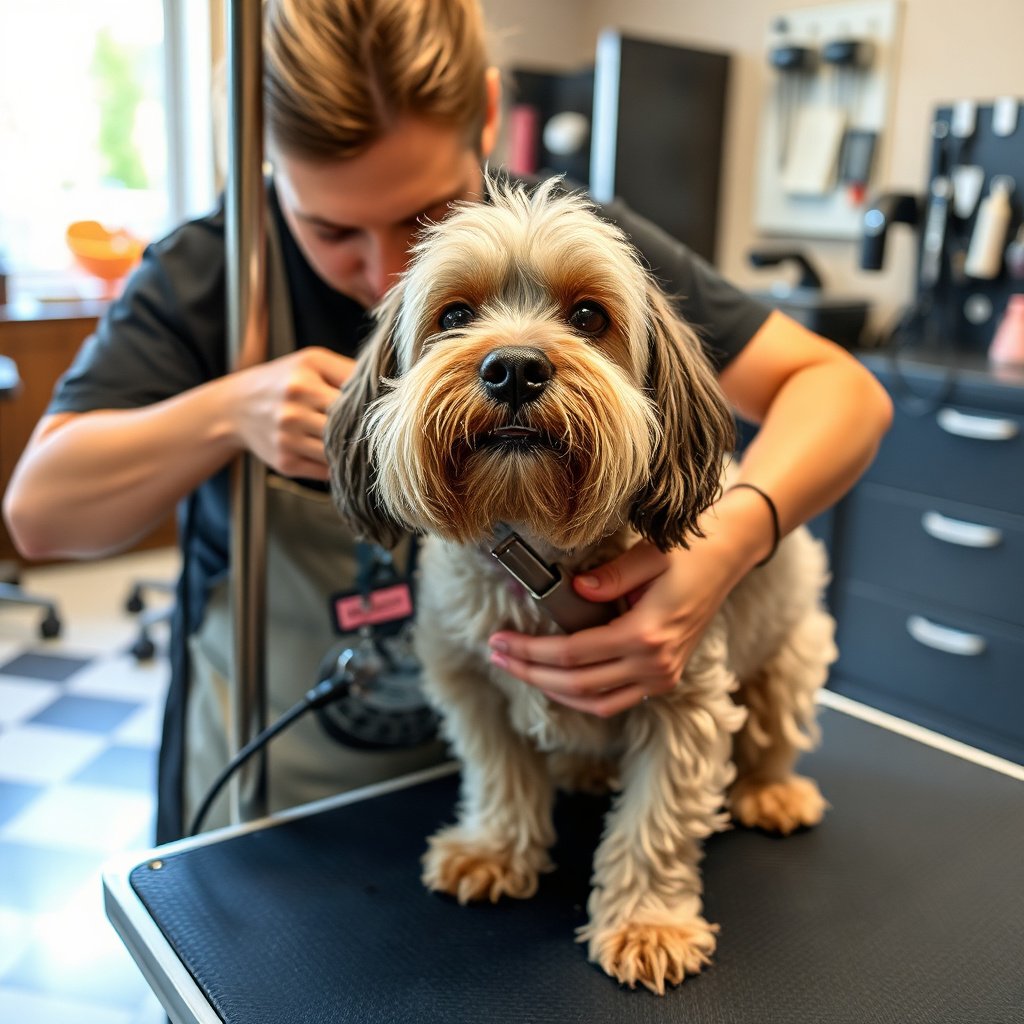
Signs That Mats Require Expert Removal
If mats are too tight to comb through or cover large portions of the body, professional groomers have the experience and tools to remove them safely. Signs include open wounds beneath mats, extreme discomfort in the dog, or matted fur near sensitive areas like the face or paws.
Avoid trying to cut or remove such mats at home as it carries risk of injury. Groomers can often detach mats with specialized electric clippers or treatment techniques that minimize pain.
For more on this, see our related guide: What Is the Best Dog Grooming Table: Complete Guide to Choose Your Ideal Model.
Veterinary Assistance for Severe Mats
In cases where mats have caused skin infections, abscesses, or extensive pain, veterinary intervention is necessary. Vets may need to sedate the dog to safely remove mats and treat underlying skin conditions with medication.
Veterinary advice is essential if behavioral changes or ongoing irritation occur, ensuring the dog’s health issues related to matting are properly addressed.
Grooming Tips for Comfortable Dog Mat Removal
Maintaining Patience and Positive Reinforcement
Patience is crucial when removing mats to avoid distressing your dog or causing injury. Frequent short sessions accompanied by treats keep your dog cooperative and calm.
Introducing grooming tools gradually and allowing your dog to smell or touch them beforehand builds trust and reduces anxiety for future removal sessions.
- Use treats generously
- Keep sessions under 15 minutes initially
- Speak soothingly throughout grooming
For a detailed overview of hair matting and its properties, you can visit the Mat (hair) page on Wikipedia. Mat (hair) on Wikipedia.
Using Appropriate Detangling Products
Choosing detangling sprays formulated specifically for canine coats optimizes mat removal by softening hair fibers and reducing static. Avoid human hair products which can irritate skin.
Regular conditioning treatments help manage fur texture, making it less prone to knotting between grooming days.
- Purchase pet-safe detanglers
- Apply before brushing mats
- Avoid skin contact with sprays
Dog Mat Removal Tools Comparison
Here's a comparison of common tools used for dog mat removal based on effectiveness, ease of use, and safety.
| Tool Type | Effectiveness | Ease of Use | Best For |
|---|---|---|---|
| Dematting Comb | High | Moderate | Small to medium mats on most coats |
| Slicker Brush | Moderate | Easy | Loose hair and light tangles |
| Mat Splitter | High | Requires skill | Large, tight mats |
| Rounded Scissors | Variable | Risky | Last resort for very tight mats |
| Detangling Spray | Supports other tools | Easy | Softens mats for easier removal |
Frequently Asked Questions
Can I cut mats out myself without hurting my dog?
Cutting mats requires extreme caution. Use rounded scissors and pull the skin taut to avoid injury. If unsure or mats are near sensitive skin, it is safer to consult a professional groomer.
How often should I brush my dog to prevent mats?
Brushing frequency depends on your dog’s coat. Long-haired dogs often benefit from daily brushing, while short-haired breeds may need grooming several times per week to keep mats from forming.
Are there any sprays that help with mat removal?
Yes, canine-formulated detangling sprays soften matted fur and reduce tangles, making it easier and less painful to comb out mats during grooming sessions.
When should I see a professional for mat removal?
Seek professional grooming if mats cover large areas, are extremely tight, or if your dog shows signs of pain. Professionals can safely remove mats and manage underlying skin issues.
Can mats cause health problems for dogs?
Mats can trap moisture and dirt against the skin, leading to infections, sores, and discomfort. Removing mats promptly protects your dog’s skin health and comfort.
Key Takeaways
- Use gentle tools like dematting combs and detangling sprays for safe mat removal.
- Remove mats gradually, starting from the edges and working inward to minimize pain.
- Regular grooming and brushing prevent mats from forming.
- Seek professional help for severe or painful mats to avoid injury.
Conclusion
Choosing the best way to remove mats from a dog involves balancing effective grooming techniques with your pet’s comfort and safety. Employing tools like dematting combs, mat splitters, and detangling sprays lets you address mats methodically without causing pain. Patience and gentle handling during the removal process minimize your dog’s stress and help keep their skin healthy, which is central to any grooming routine. Understanding the role of proper preparation, calm environment, and recognizing when to cut mats versus combing out knots shapes a safe approach to mat removal. This awareness is especially important for dogs with thick or long coats that mat more easily.
If your dog has minor mats, regular brushing paired with detangling products often suffices to loosen tangles. For more stubborn mats, techniques like using a mat splitter tool or carefully cutting mats with rounded scissors can work, provided you proceed cautiously. Preventing mats by maintaining a grooming routine tailored to your dog’s coat type is as important as removal. Some dogs benefit from professional grooming which is recommended when mats cover large areas, cause pain, or when home attempts are unsuccessful. Veterinarians may need to assist if mats cause skin infections or serious discomfort.
Start by incorporating daily or frequent brushing and applying dog mat removal tools suited to your pet’s coat. Watch for early signs of matting and gently work through tangles before they tighten. Should mats become problematic, consult a professional groomer or veterinarian promptly. This approach keeps your dog's coat smooth and your grooming sessions manageable, contributing to your dog’s overall health and happiness.


