How to Treat Tear Stains on Dogs: Effective Solutions and Preventive Tips
Tear stains on dogs can be reduced using a combination of cleaning routines, dietary adjustments, and specialized products designed to remove discoloration. Regular gentle cleaning with a damp cloth or pet-safe wipe helps prevent buildup, while addressing underlying causes such as allergies or eye infections. Additionally, certain tear stain removers specifically formulated for dogs can help eliminate existing stains effectively.
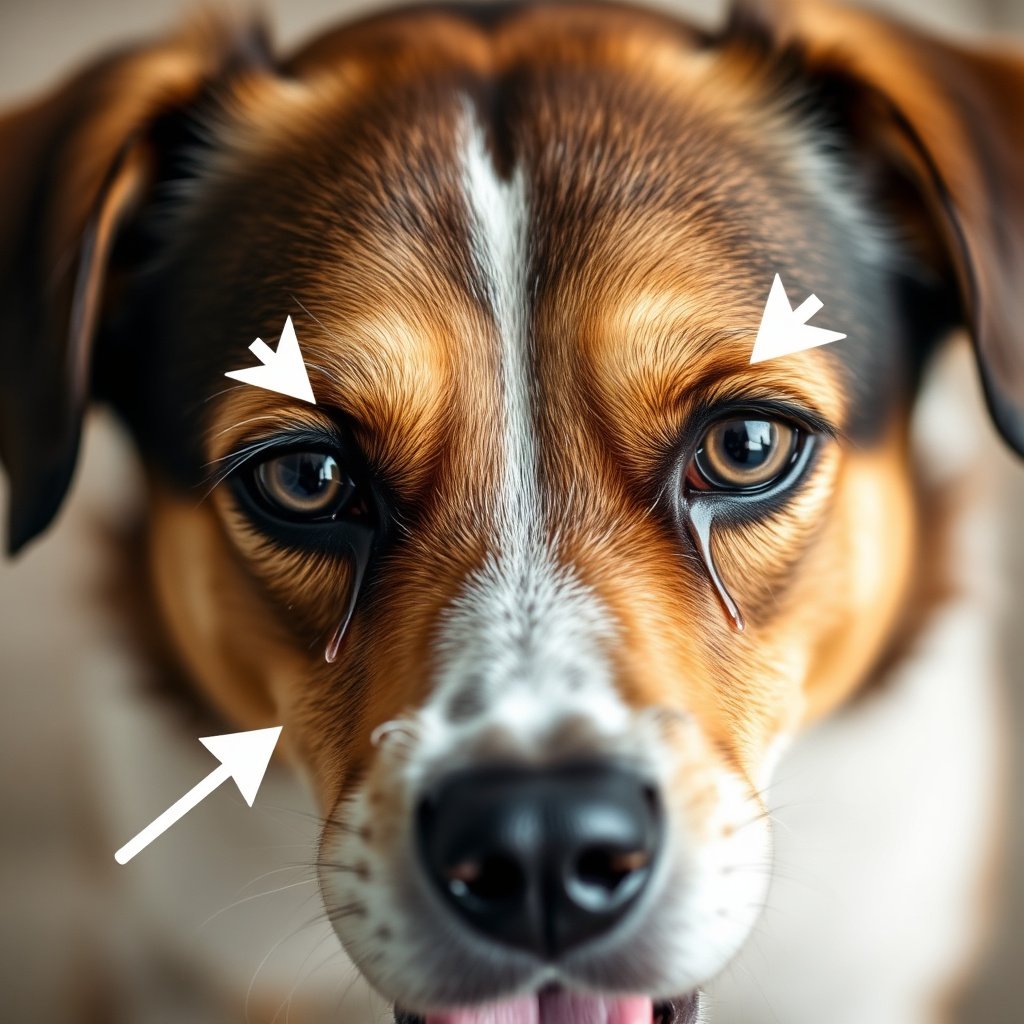
These reddish-brown stains occur when excessive tear production leads to moisture accumulation, which fosters bacteria and yeast growth, resulting in visible discoloration on the fur. Not only do tear stains affect your dog's appearance, but they can also indicate health issues that may need attention.
This article explores the main causes of tear stains, how to clean and treat them at home, dietary and grooming tips to prevent recurrence, recommended products for stain removal, and when to consult a veterinarian for persistent problems.
Understanding the Causes of Tear Stains on Dogs
Common Health Factors Leading to Tear Stains
Tear stains often result from excessive tear production caused by eye irritation, allergies, blocked tear ducts, or infections. Certain breeds with prominent eyes or shallow tear drainage systems are more prone to developing these stains. Untreated eyelid abnormalities or foreign bodies can also worsen staining.
Identifying the cause is necessary to treat tear stains effectively. If the underlying issue persists, stains will likely recur despite cleaning efforts, making proper diagnosis essential for long-term management.
Environmental and Dietary Influences
Environmental irritants like dust, pollen, or smoke can trigger excessive tearing, while diet plays a role in tear stain development. Some foods high in fillers or artificial ingredients may contribute to inflammation or allergies affecting tear production.
Switching to high-quality, hypoallergenic diets and maintaining a clean environment can reduce tear discharge and staining. Monitoring water quality and ensuring your dog drinks purified water may also help minimize discoloration.
Home Cleaning Techniques for Tear Stain Removal
Daily Cleaning Routine to Prevent Build-up
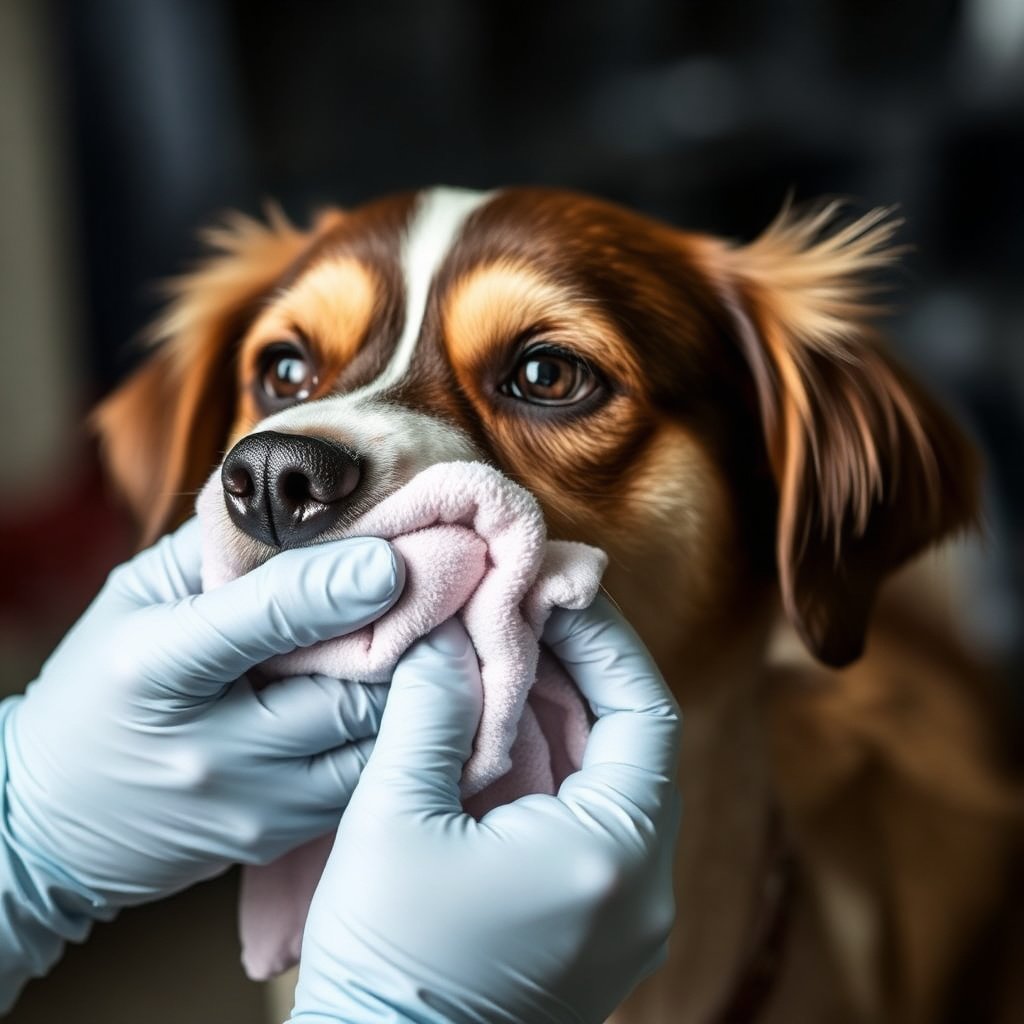
Regularly wiping your dog’s face with a damp microfiber cloth or pet-safe wipes helps remove tear discharge before it stains the fur. Use gentle motions and avoid harsh chemicals or human products, as they can irritate sensitive areas around the eyes.
Cleaning should be done once or twice daily for dogs prone to tear stains. Be consistent to maintain a clean appearance and reduce bacterial growth that exacerbates stains.
- Use lukewarm water or specialized tear stain cleaning solutions
- Avoid cotton balls which can leave fibers
- Dry area thoroughly after cleaning
Using Natural Remedies and Commercial Products
Natural treatments like diluted chamomile tea or saline rinses can soothe eyes and help clean stains gently. For tougher stains, products formulated as the best tear stain remover for dogs contain enzymes or mild whitening agents safe for facial use.
When selecting commercial removers, opt for vet-recommended brands with non-toxic ingredients. Always test product compatibility with your dog’s skin and discontinue use if irritation occurs.
- Chamomile tea compress
- Saline solution rinse
- Veterinary-approved stain remover creams or wipes
Diet and Grooming Strategies to Minimize Tear Stains
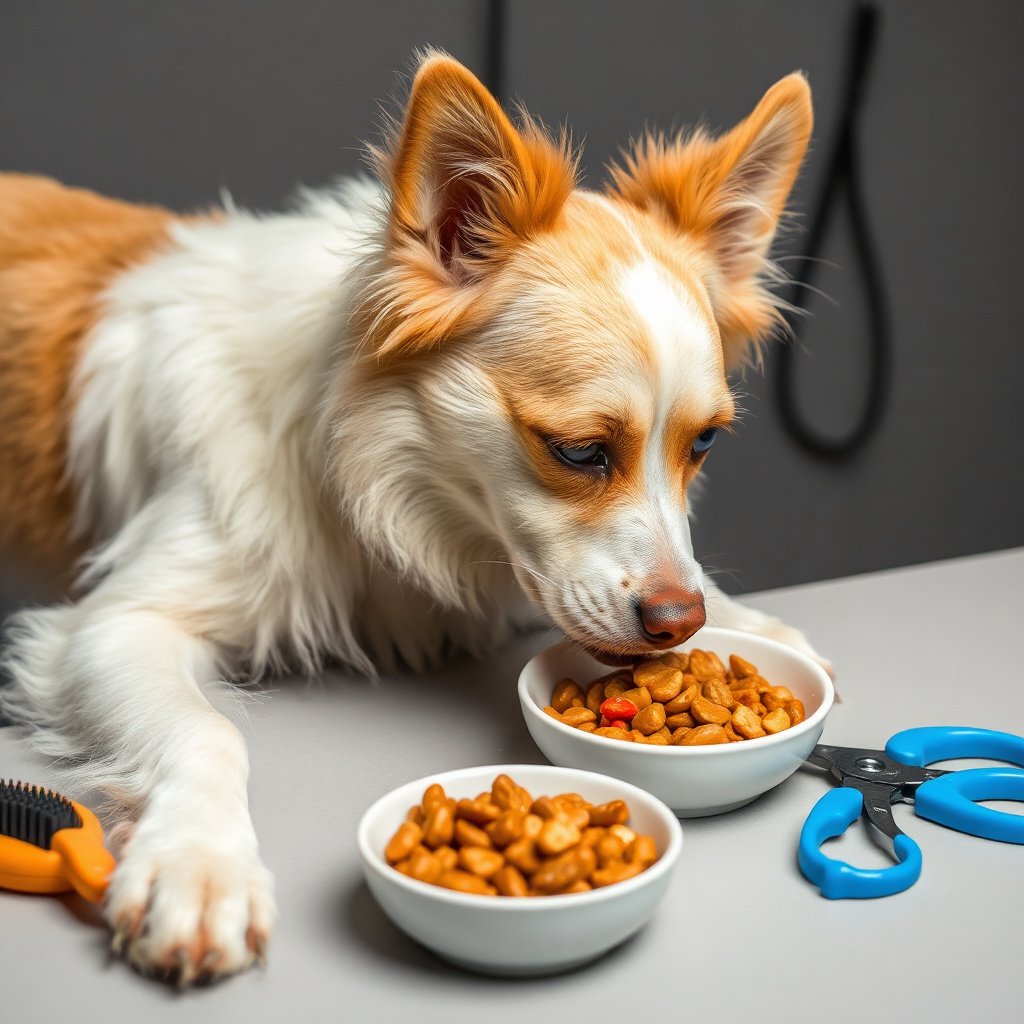
Adjusting Diet for Healthier Tear Production
Switching to a diet rich in natural ingredients and free from artificial additives can improve overall health and reduce tear staining. Ingredients like omega-3 fatty acids support skin and coat health, potentially decreasing tear production frequency.
Some owners find that homemade meals or grain-free options reduce allergenic reactions around the eyes, which subsequently lowers tear stain formation.
- Incorporate fatty acids like fish oil
- Avoid fillers and artificial colors
- Hydrate with filtered water
For more on this, see our related guide: How to Clean a Dogs Wrinkles: A Complete Guide with Proven Steps.
Proper Grooming and Maintenance Around the Eyes
Keeping the fur around your dog’s eyes trimmed short prevents tears from soaking into the hair and staining it. Regular grooming sessions reduce debris and moisture buildup that exacerbates staining.
Use scissors designed for sensitive areas or consult a professional groomer to avoid nicking skin or causing discomfort while trimming delicate facial hair.
- Trim fur around eyes carefully
- Clean grooming tools regularly
- Check and clean eyes during grooming
When to Seek Veterinary Assistance for Tear Stains
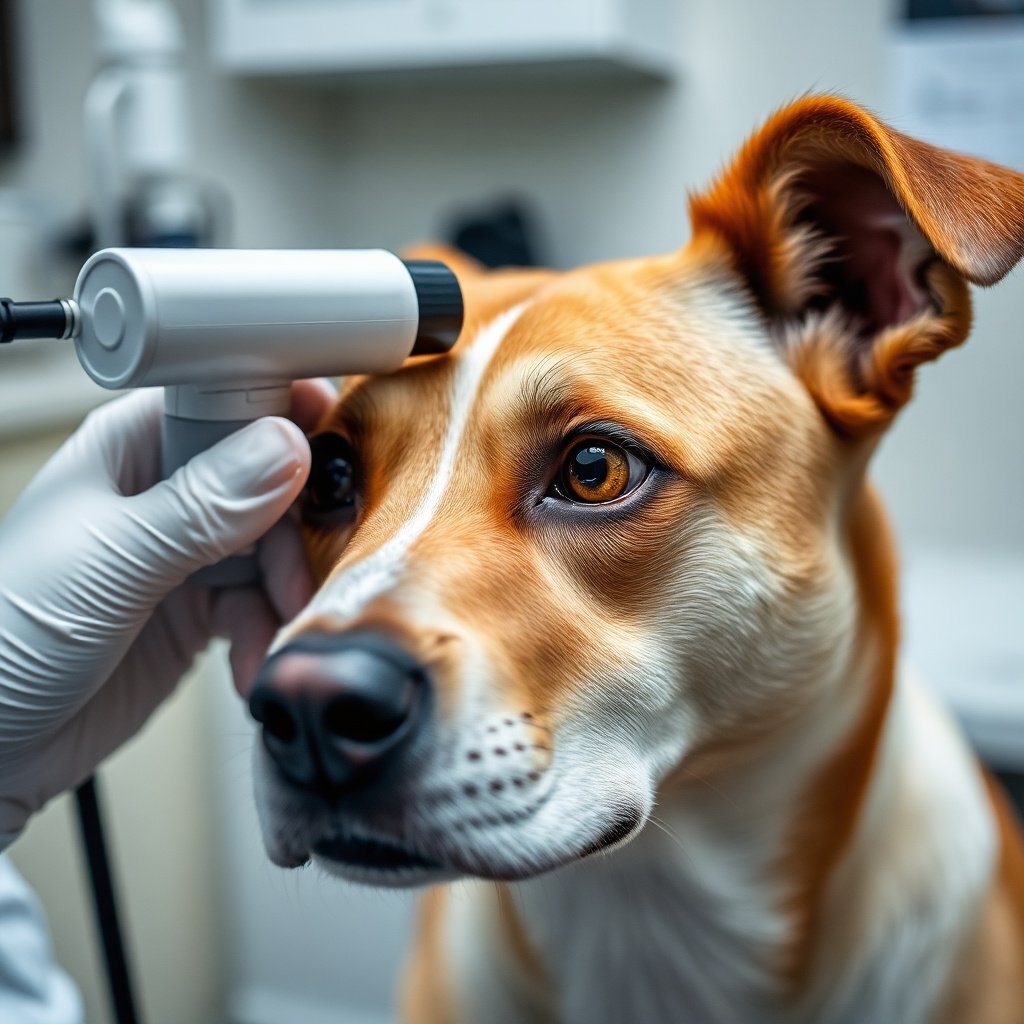
Signs That Indicate Underlying Eye Problems
If tear stains persist despite home care or are accompanied by redness, swelling, discharge that smells bad, or discomfort, these symptoms may signal infections, blocked tear ducts, or eyelid issues needing medical treatment.
Veterinarians can conduct thorough eye exams, prescribe medication, or perform procedures to clear blockages, addressing the root causes behind excessive tearing and staining.
Professional Treatments and Follow-Up Care
In some cases, veterinary intervention includes antibiotics for infections, tear duct flushing, or surgery for anatomical corrections. Follow-up care often involves regular cleaning and monitoring to prevent recurrence of tear stains after treatment.
Consult your vet before starting any stain removal product if your dog has ongoing eye conditions to avoid adverse reactions or worsening symptoms.
Recommended Products for Treating Tear Stains on Dogs
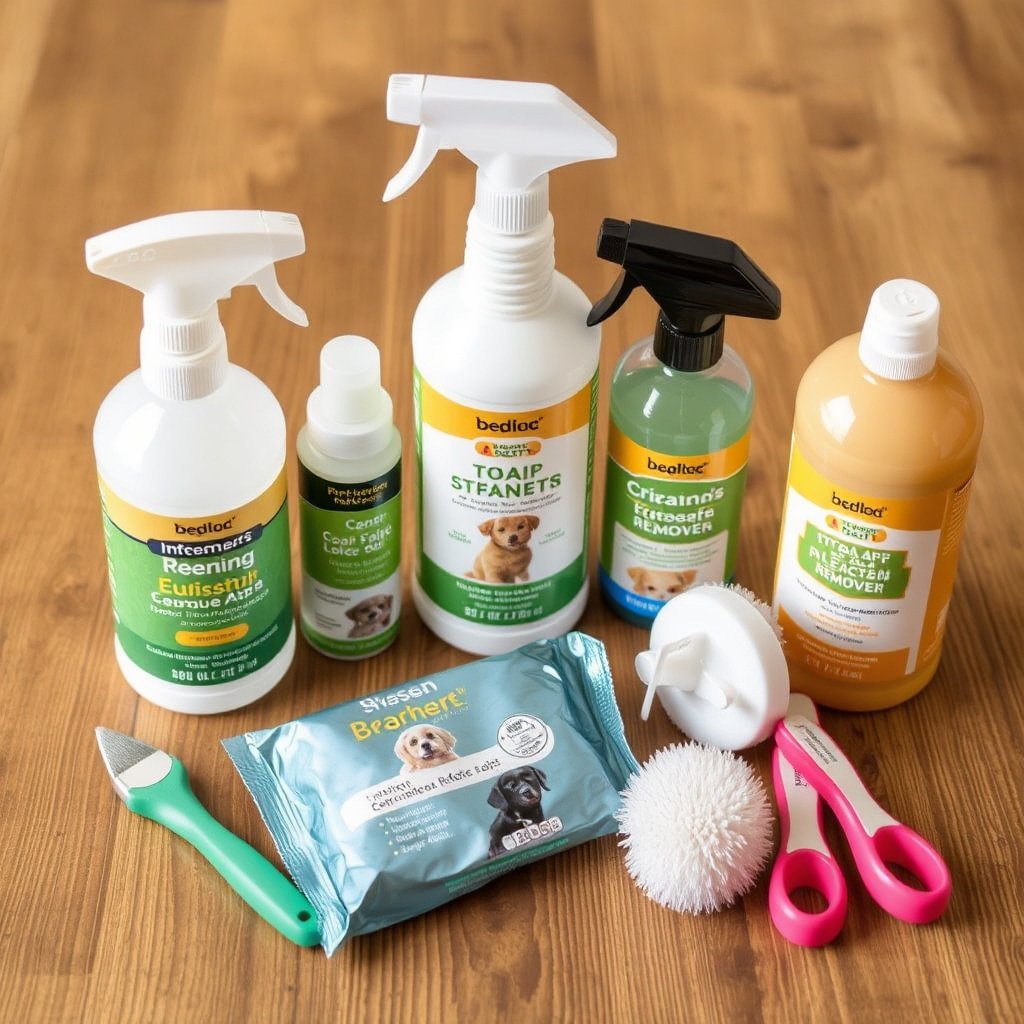
Top Tear Stain Removers and Wipes
Highly rated tear stain removers for dogs typically contain natural ingredients such as sodium citrate, enzymes, and gentle cleansers to break down discoloration without harming your pet's eyes or skin.
Wipes offer convenience for quick cleanups and are formulated to be safe with regular use. Choose products free from alcohol and artificial fragrances to reduce irritation risk.
- Enzymatic-based stain removers
- Hypoallergenic wipes
- Products free from harsh chemicals
For more on this, see our related guide: Why Does My Dog Have Tear Stains? 8 Key Causes and Solutions.
Tools and Accessories to Support Cleaning
Microfiber cloths, soft brushes, and grooming scissors designed specifically for dogs help remove tear stains effectively. These tools aid in gentle, precise cleaning and trimming necessary for ongoing maintenance.
Regular cleaning with the right tools helps maintain your dog's appearance and comfort, minimizing tear stain recurrence.
- Soft microfiber towels
- Round-tip grooming scissors
- Gentle-bristle facial brushes
Preventive Measures to Reduce Tear Stain Formation
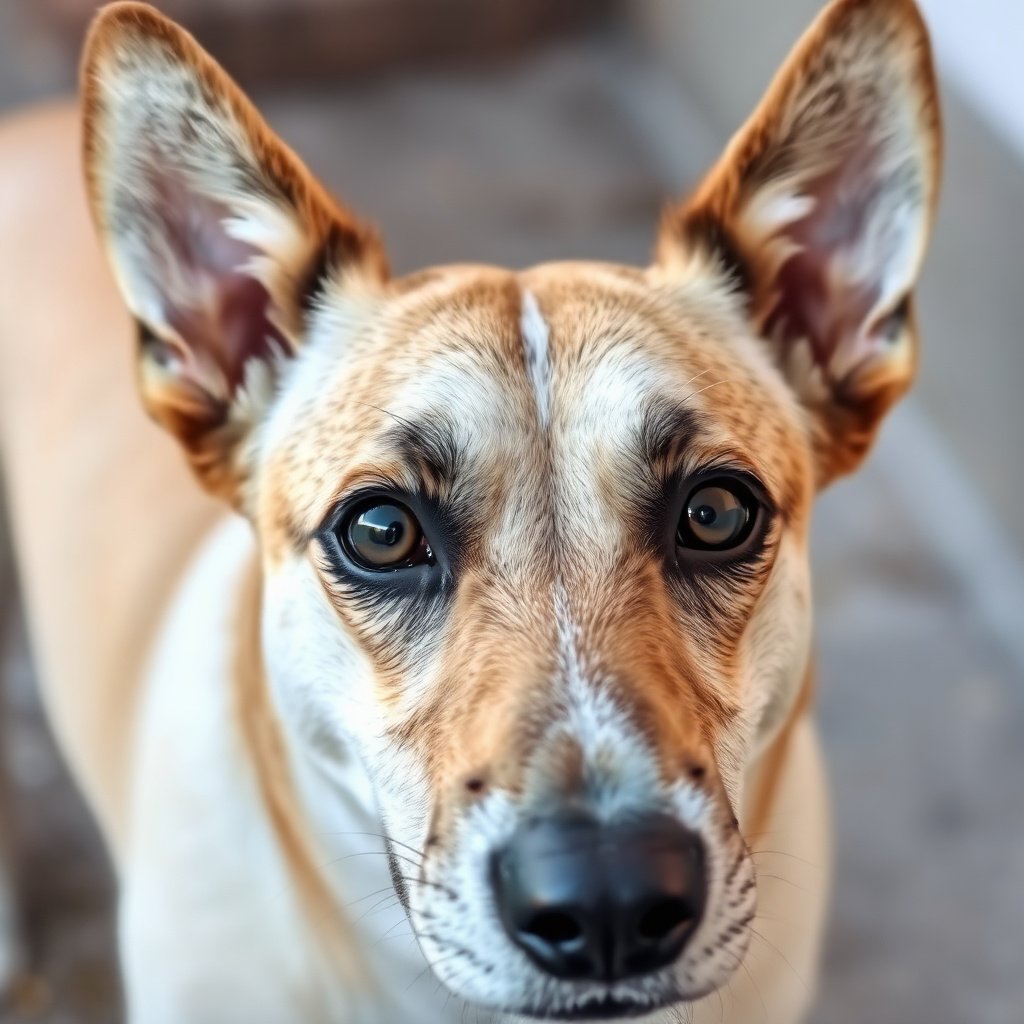
Lifestyle Habits to Keep Tear Stains Away
Avoid exposing dogs to dust, smoke, or harsh chemicals that can irritate eyes and trigger tear production. Keeping living areas clean and stress-free contributes to healthier tear management.
Routine eye checks and immediate cleaning at the first signs of tearing help prevent stains from forming and becoming permanent.
For additional insights and professional advice on tear stains, the American Kennel Club offers a helpful resource. tear stain information from the American Kennel Club.
Consistent Maintenance Routines
Establishing a regimen of regular grooming, dietary monitoring, and cleaning sets a foundation for long-term tear stain control. Tracking any changes in tear color or volume helps catch potential problems early.
Consistency in care, combined with occasional veterinary evaluations, ensures your dog remains comfortable and cosmetically clear of stains.
Comparison of Tear Stain Treatment Options for Dogs
This table summarizes popular categories of tear stain treatments, highlighting their effectiveness, ease of use, and suitability for various dogs.
| Treatment Type | Effectiveness | Ease of Use | Cost | Recommended For |
|---|---|---|---|---|
| Home Cleaning (Cloths & Saline) | Moderate | Easy | Low | Mild cases, preventive care |
| Natural Remedies (Chamomile, Tea) | Mild | Moderate | Low | Sensitive dogs, gentle cleaning |
| Commercial Tear Stain Removers | High | Easy | Moderate | Established stains, regular users |
| Dietary Changes | Moderate | Moderate | Varies | Allergy-prone, chronic staining |
| Veterinary Treatments | Very High | Complex | High | Severe cases, infections |
| Professional Grooming Services | Moderate | Convenient | Moderate to High | Owners seeking hands-off maintenance |
Frequently Asked Questions
Why do some dog breeds have more tear stains than others?
Breeds with prominent eyes and shallow tear ducts, like Maltese or Shih Tzus, produce more tears that can stain fur. Their anatomy makes drainage less effective, increasing tear stain likelihood.
Can I use human eye wipes to clean my dog’s tear stains?
No, human eye wipes often contain chemicals irritating to dogs. Always use pet-safe wipes or gentle solutions recommended for canine use to avoid eye and skin irritation.
How often should I clean my dog’s eyes to prevent tear stains?
For dogs prone to staining, clean their eyes daily or twice daily using a damp cloth or pet wipes. Consistent cleaning prevents tear buildup and stains.
Are tear stains harmful to my dog’s health?
Tear stains themselves are cosmetic but can indicate underlying issues like infections or allergies. Persistent staining warrants a vet check to rule out health problems.
Will changing my dog’s diet help reduce tear stains?
Yes, switching to higher-quality, hypoallergenic foods and fresh water often reduces excessive tearing caused by allergies or sensitivities, lowering tear stain occurrence.
Key Takeaways
- Regular gentle cleaning is essential for managing tear stains effectively.
- Addressing underlying health issues prevents recurring stains.
- Diet quality impacts tear production and staining in dogs.
- Veterinary consultation is recommended for persistent or severe cases.
Conclusion
Deciding how to treat tear stains on dogs involves understanding the root causes behind excessive tearing and stain formation. By combining thorough cleaning, dietary adjustments, and appropriate grooming, most dog owners can reduce or eliminate harmful discoloration around their pet’s eyes. Careful observation and prevention play important roles in maintaining eye health and appearance, minimizing both cosmetic and health concerns associated with tear stains.
For mild to moderate tear staining, home cleaning routines coupled with natural or commercial tear stain removers provide practical solutions. Dogs with chronic tear stains or symptoms of infection may require professional veterinary assessment to identify blocked tear ducts or allergies affecting tear production. High-quality diets free of allergens and regular grooming around the eyes support these treatments. Professional grooming services can also augment maintenance for owners seeking expert care.
In practice, starting with gentle daily cleaning and monitoring changes gives you control over managing tear stains. Choose safe, pet-approved products and consult your veterinarian if stains persist despite care efforts. Taking these simple steps improves your dog's comfort and helps keep their face bright and healthy over the long run.