How to Keep a Dog Coat Healthy: Essential Care Tips for Shiny Fur
Keeping a dog's coat healthy requires regular grooming, a balanced diet, and attention to skin health. Frequent brushing removes loose fur and dirt while stimulating natural oils that keep the coat shiny and resilient.
A healthy coat reflects your dog’s overall well-being; dull or patchy fur often signals underlying health problems or poor nutrition. Moreover, maintaining coat hygiene reduces skin irritations, prevents infections, and minimizes shedding inside your home.
This article will cover key areas including grooming routines, nutrition, bathing practices, seasonal care, common coat problems, and product recommendations to help you maintain your dog’s coat in excellent condition.
Daily Grooming and Brushing for a Healthy Dog Coat
Choosing the Right Brush Based on Coat Type
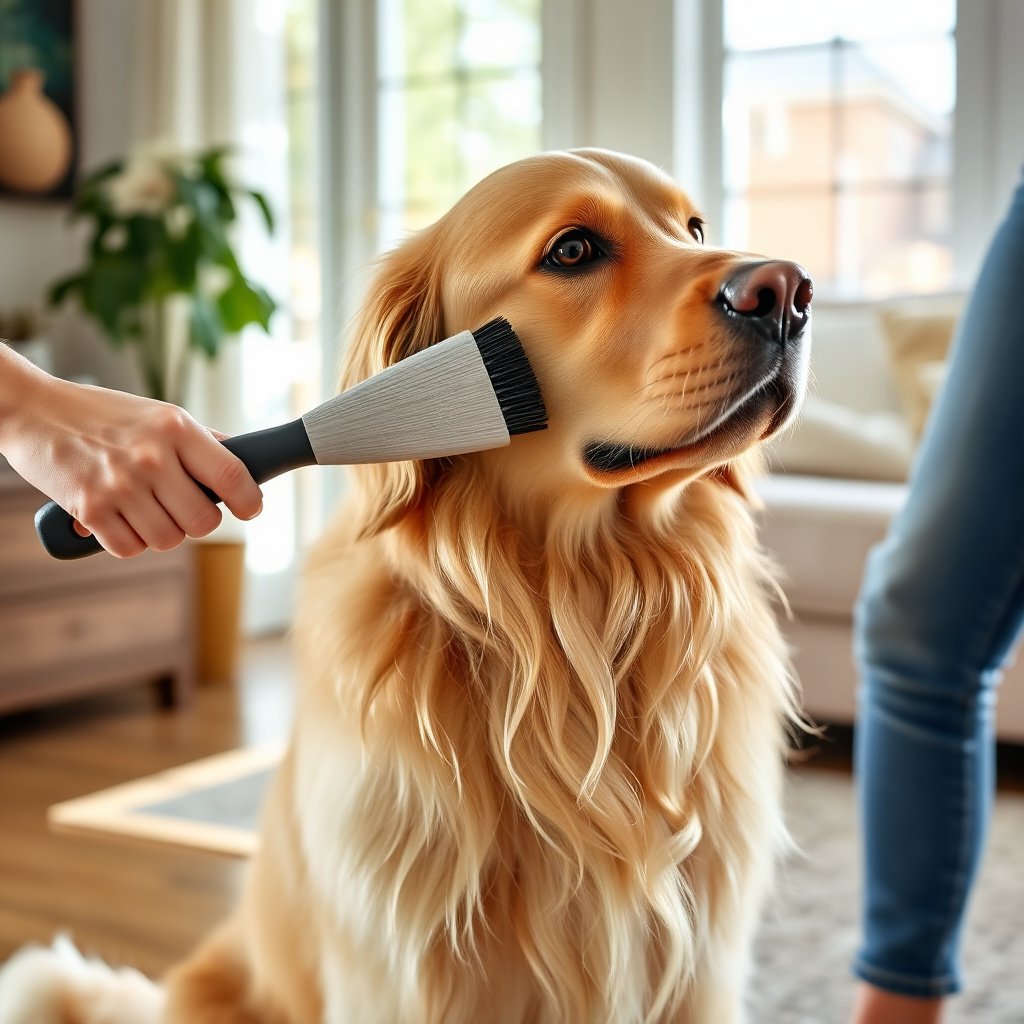
Different dog breeds have varying coat types, such as short, medium, long, curly, or double coats, requiring specific brushes. For example, slicker brushes work well for removing tangles in long-haired breeds, while bristle brushes are better suited for short coats.
Using the right brush keeps your dog comfortable during grooming and avoids damaging delicate fur. It also efficiently removes dead hair and dirt, promoting a glossy coat.
- Bristle brushes for short-haired breeds
- Slicker brushes for long or curly coats
- Undercoat rakes for double-coated dogs
- Comb for detangling
Establishing a Grooming Schedule
Regular grooming frequency depends on the dog’s breed and activity level; short-haired dogs may need brushing once or twice weekly, while long-haired breeds benefit from daily brushing to prevent mats.
Consistency in grooming accelerates natural oil distribution and helps identify skin problems early, improving overall coat health.
Feeding and Nutrition for Coat Vitality

Essential Nutrients for a Healthy Coat
Omega-3 and omega-6 fatty acids play a major role in maintaining coat shine and skin hydration. These nutrients are found in fish oils, flaxseed, and some high-quality commercial dog foods.
Protein is equally important, as the hair is made primarily of keratin, a protein that requires adequate dietary input for regeneration and strength.
- Omega-3 fatty acids
- Omega-6 fatty acids
- High-quality proteins
- Vitamins A, E, and biotin
Supplements and Diet Adjustments
Adding supplements such as fish oil capsules or coconut oil under veterinary guidance can improve coat texture and reduce dryness.
Gradual diet changes and ensuring balanced meals tailored to your dog’s age, breed, and health status help sustain a vibrant, healthy coat.
Bathing Practices to Support Dog Coat Health
Choosing the Right Shampoo and Conditioner
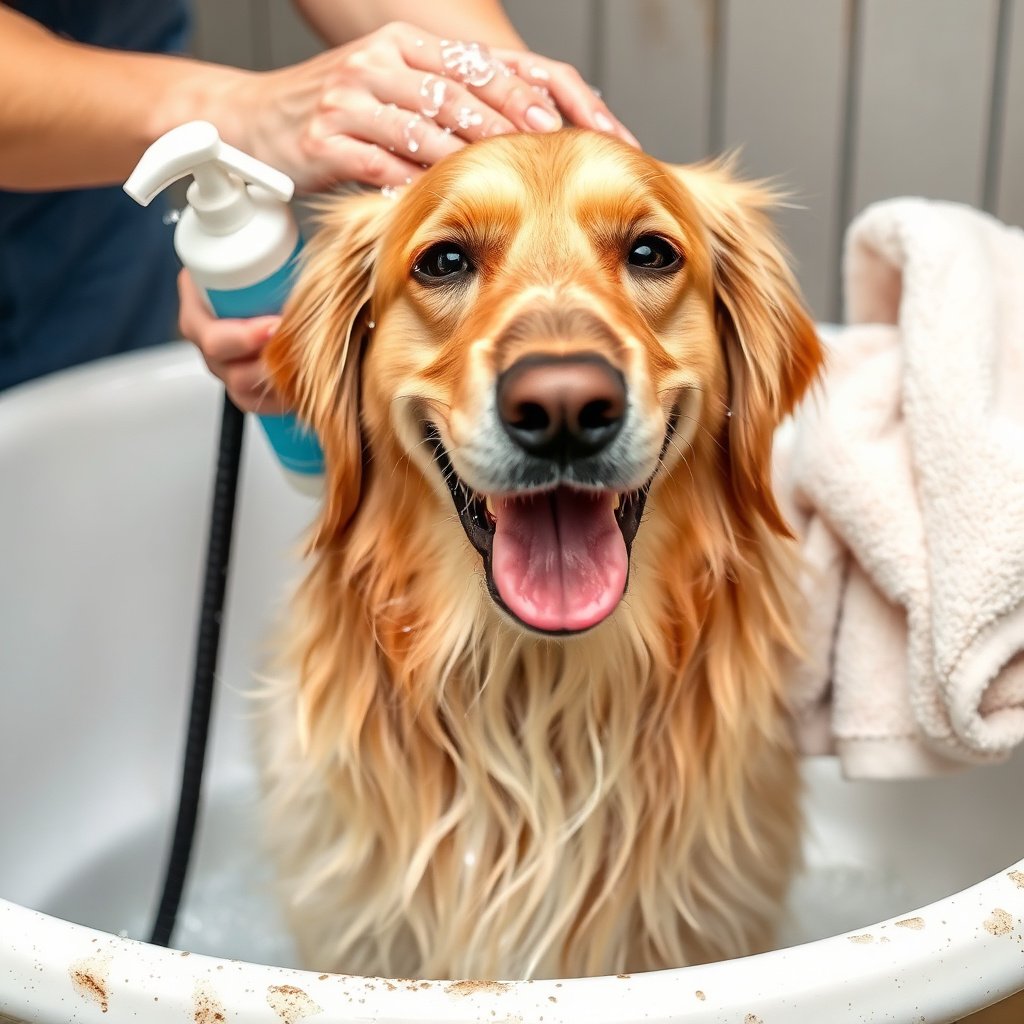
Selecting shampoos specially formulated for dogs avoids harsh chemicals that strip natural oils. Mild, pH-balanced shampoos preserve the skin's protective layer, preventing dryness and irritation.
Conditioners designed for dog coats can reduce tangles and enhance softness, particularly important for long-haired breeds.
- Hypoallergenic options for sensitive skin
- Avoid human shampoos
- Oatmeal-based formulas for soothing
For more on this, see our related guide: Why Does My Dog Shake After a Bath? 8 Key Reasons and Solutions.
Bathing Frequency and Technique
Bathing too often can strip oils, so a frequency of once per month or as needed based on activity and odor is typical for most dogs. More frequent baths may be required for dogs with skin problems or those spending significant time outdoors.
Using lukewarm water and thorough rinsing prevents residue build-up, while gentle drying with towels reduces hair breakage.
Seasonal and Environmental Factors Affecting Coat Health
Managing Shedding and Coat Changes
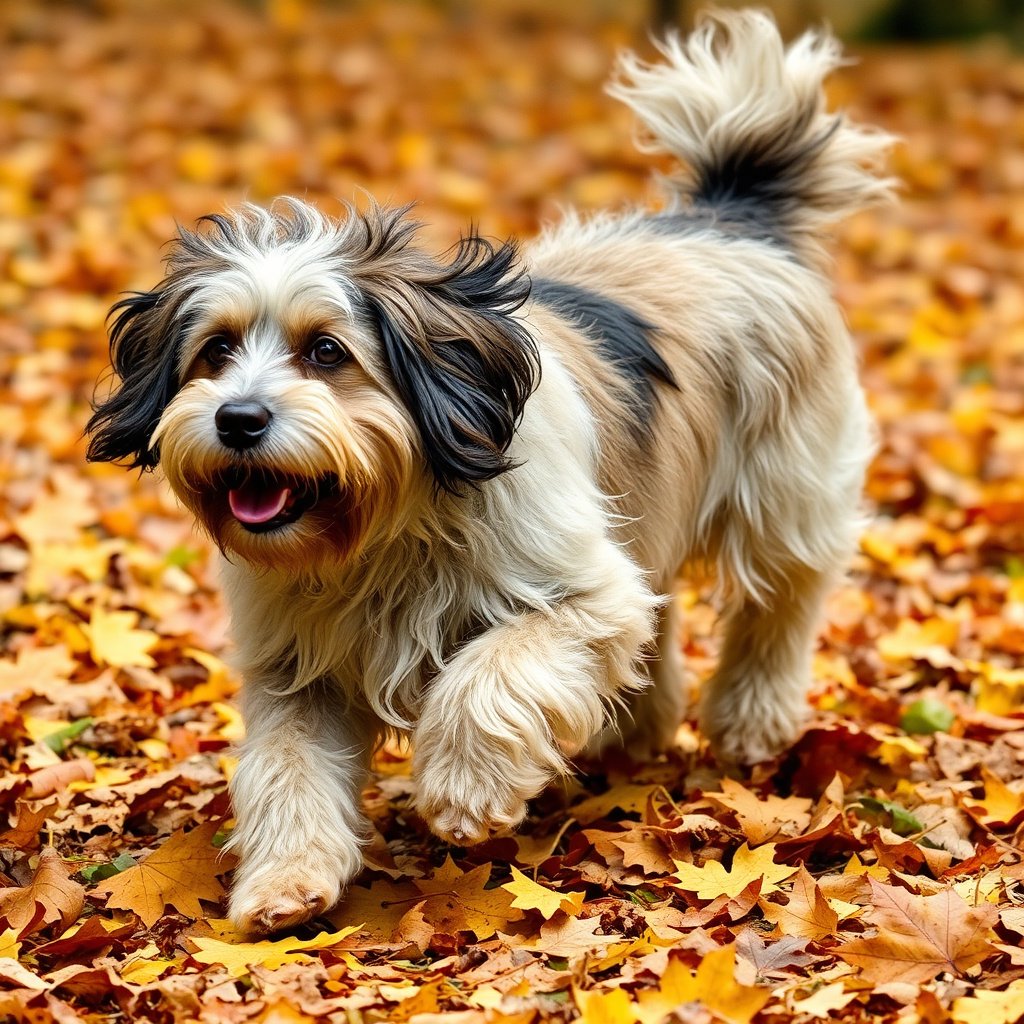
Many dogs grow thicker coats in winter and shed in warmer months. Increased shedding during seasonal changes requires more frequent brushing and sometimes specialized shedding tools.
Proper season-specific grooming mitigates excessive hair loss and helps the dog adapt comfortably to temperature changes.
- Use deshedding tools like Furminators
- Increase brushing frequency in spring/fall
Protecting the Coat from Environmental Damage
Sun exposure, salt, dirt, and allergens can impair coat condition. Rinsing after outdoor activities and applying protective sprays can shield the fur and skin.
Winter dryness can cause brittle hair; moisturizing sprays or adding humidifiers indoors may help maintain coat suppleness.
Identifying and Treating Common Coat and Skin Problems
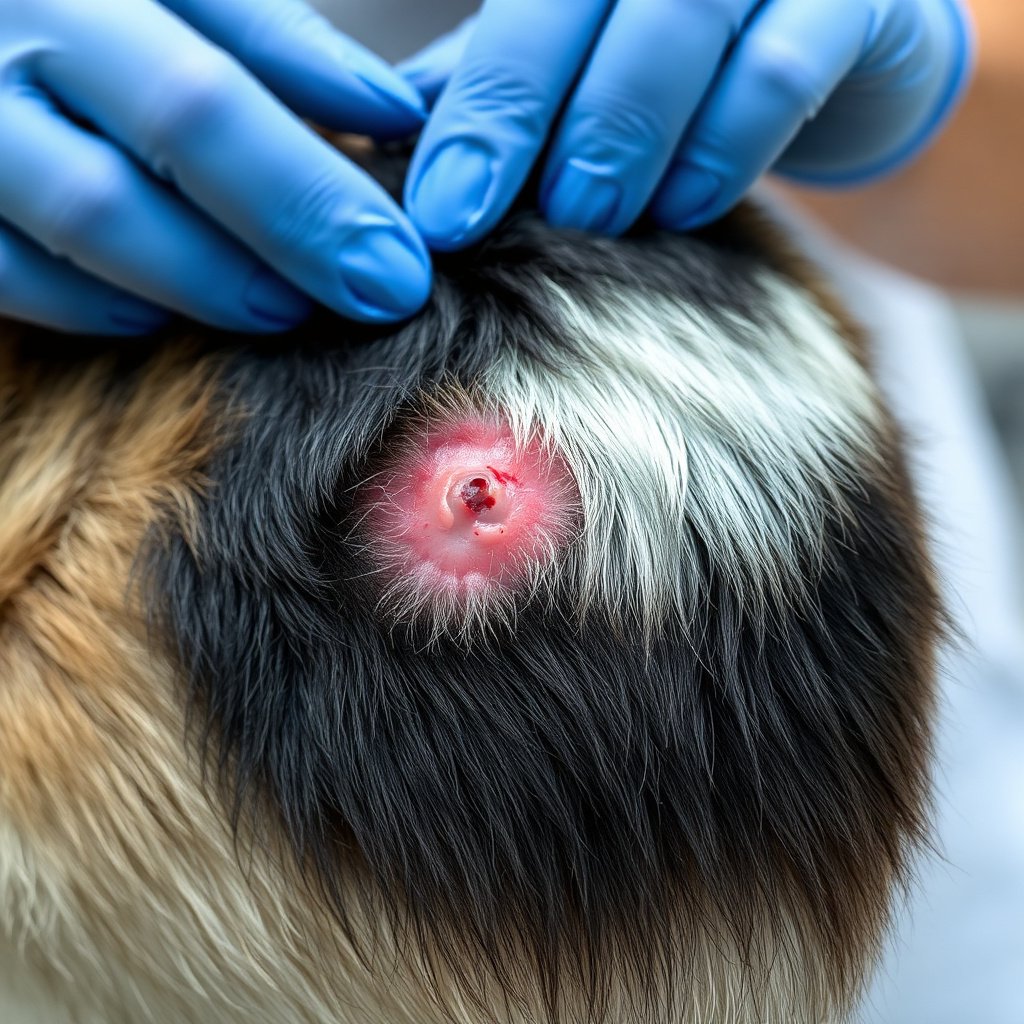
Signs of Coat or Skin Issues
Problems such as itching, redness, dandruff, bald patches, or excessive oiliness often indicate allergies, parasites, infections, or nutritional deficiencies affecting the coat.
Observing these warning signs early enables treatment before conditions worsen or cause discomfort.
- Excessive scratching or licking
- Flaky skin or dandruff
- Patchy fur or hair loss
For more on this, see our related guide: What Is the Best Dog Grooming Table: Complete Guide to Choose Your Ideal Model.
Veterinary Care and Treatment Options
Veterinarians can diagnose issues including mange, fungal infections, or allergies with skin scrapings or blood tests. Treatment may involve medicated shampoos, topical ointments, or dietary changes.
Regular parasite control with flea and tick treatments also protects skin and coat health.
Using Grooming Products and Tools Safely
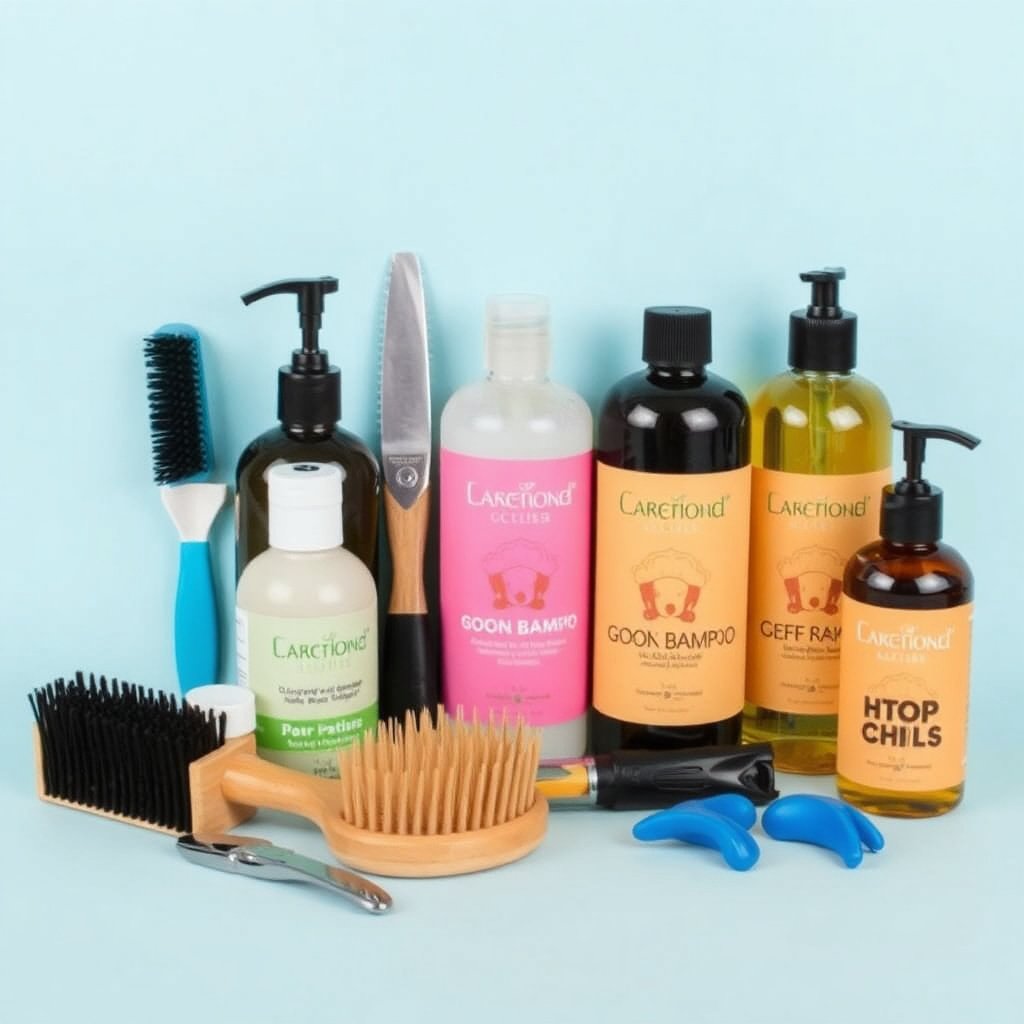
Selecting Suitable Products for Your Dog
Choosing natural, gentle grooming products minimizes allergic reactions and skin irritation. Avoid products with artificial fragrances or harsh chemicals.
It's helpful to test any new product on a small skin patch and monitor for adverse reactions before full use.
For a deeper understanding of canine coat health and biology, you might explore this detailed resource. canine coat health.
Safe Grooming Techniques and Habits
Be gentle during brushing to avoid pulling hair or scratching skin. Use blunt-tipped scissors for trimming and avoid sensitive areas like eyes and ears.
Properly cleaning grooming tools between uses prevents bacterial growth and cross-contamination.
- Brush in fur direction
- Keep nails trimmed to prevent injury
- Clean tools regularly
Dog Coat Care Methods Comparison
The following table compares popular dog coat care methods and their suitability for different coat types and needs.
| Method | Best For | Frequency | Pros | Cons |
|---|---|---|---|---|
| Daily Brushing | Long-haired breeds | Daily | Reduces mats and shedding | Time-consuming |
| Weekly Brushing | Short to medium coats | Once a week | Maintains shine and cleanliness | May miss debris between sessions |
| Monthly Bathing | All breeds | Monthly | Cleanses coat without drying skin | Not suitable for dirty or smelly dogs |
| Specialized Shedding Tools | Double-coated dogs | Seasonally | Effectively removes dead undercoat | Can irritate sensitive skin |
| Nutritional Supplements | Dogs with dull coats | Daily | Improves coat quality from inside | Needs vet advice to avoid overdose |
Frequently Asked Questions
How often should I brush my dog’s coat?
The frequency depends on coat type—daily for long or curly coats, weekly for short-haired breeds—to prevent tangles and remove loose hair.
Can diet really affect my dog’s coat health?
Yes, a diet rich in omega fatty acids, protein, and vitamins supports a shiny, strong coat and healthy skin.
Is it okay to use human shampoo on my dog?
No, human shampoos have a different pH than dogs and can dry out or irritate their skin. Use dog-specific grooming products.
What are common signs of coat or skin problems?
Watch for itching, flaking, bald spots, redness, or excessive oiliness as indicators of skin issues requiring veterinary attention.
How can I reduce shedding in my dog?
Regular brushing and seasonal deshedding tools help manage shedding; maintaining a healthy diet also plays a role.
Key Takeaways
- Regular grooming tailored to coat type maintains shine and reduces mats.
- Balanced nutrition with omega fatty acids supports coat vitality.
- Appropriate bathing frequency prevents dryness and irritation.
- Early detection of skin problems prevents worsening conditions.
Conclusion
Choosing how to keep a dog coat healthy involves a holistic approach including consistent grooming routines, proper diet, and vigilance for skin concerns. Consistency in brushing and bathing allows natural oils to spread properly, helping maintain a lustrous fur coat free of tangles or dullness. Equally, quality nutrition rich in essential fatty acids and proteins fosters new hair growth and keeps the skin hydrated. Regular checkups and attention to environmental factors complete this balanced care strategy.
Different breeds and lifestyles require customized care plans: long-haired dogs benefit from daily brushing and conditioners, while short coats often manage well with weekly grooming and occasional baths. Dogs prone to shedding may need specialized tools during seasonal transitions, and those with sensitive skin will respond best to hypoallergenic products and gentle techniques. Including nutritional supplements under veterinary guidance can also improve coat appearance especially in dogs showing dryness or brittleness.
Start by assessing your dog’s coat type and typical activity level, then establish a grooming schedule using suitable brushes and shampoos recommended in this guide. Watching closely for changes in fur texture or skin health allows prompt treatment where needed. With ongoing care and adjustments based on your dog’s unique needs, you can keep their coat vibrant, soft, and healthy throughout the year.