Why Does My Dog Have Split Nails? Understanding Causes and Solutions
If your dog has split nails, it usually points to nail trauma, dryness, or health issues like infections or nutritional deficiencies. These splits make walking uncomfortable and can lead to infections if untreated.
Split nails often result from activities that cause physical damage such as rough terrain walks, nail overgrowth, or biting at the nails. Environmental factors like dryness or poor diet may worsen nail brittleness, raising the risk of splitting.
This article explores the main causes of split nails in dogs, practical ways to care for damaged nails, treatment options, and preventive measures to maintain strong, healthy claws.
Common Causes of Split Nails in Dogs
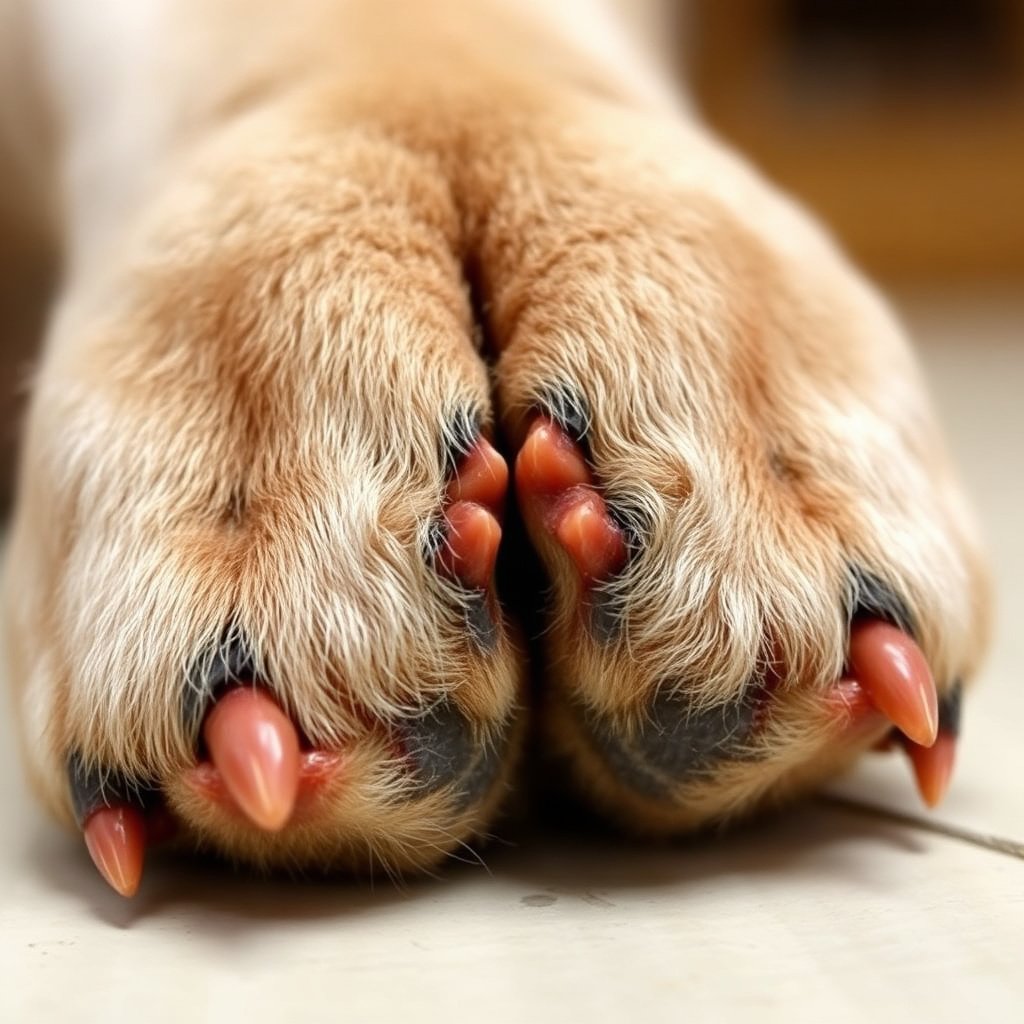
Physical Trauma and Injury
Physical trauma like snagging a nail on rough surfaces or excessive scratching can cause nails to split. Active dogs running on hard pavement or rocky trails often experience these injuries.
Additionally, improper nail trimming can weaken the nail structure, making it more susceptible to splits and cracks.
- Walking on hard or abrasive surfaces
- Snagging nails on objects
- Improper nail clipping techniques
Nutritional Deficiencies and Health Conditions
Inadequate nutrition, especially a lack of biotin, zinc, or fatty acids, can make nails brittle and prone to splitting. Certain health problems like fungal infections or autoimmune diseases also undermine nail health.
If your dog's nails repeatedly split despite proper care, it may warrant a visit to the vet to check for underlying medical issues.
- Deficiency in vitamins and minerals
- Skin or fungal infections
- Autoimmune disorders affecting nails
Identifying Signs and Symptoms Beyond Split Nails

Pain and Discomfort Indicators
Dogs with split nails often show limping, licking, or biting at their paws because of irritation or pain. Behavioral changes like favoring one leg or reluctance to walk can also signal discomfort.
Tracking these signs early helps prevent worsening conditions like infections or paw inflammation.
Signs of Infection or Nail Bed Damage
Look for redness, swelling, or discharge around the split nail, which may suggest infection. Broken nails can expose the sensitive nail bed, increasing the risk of bacterial invasion.
Without treatment, infections might spread and cause more severe complications requiring veterinary care.
How to Treat Your Dog’s Split Nails
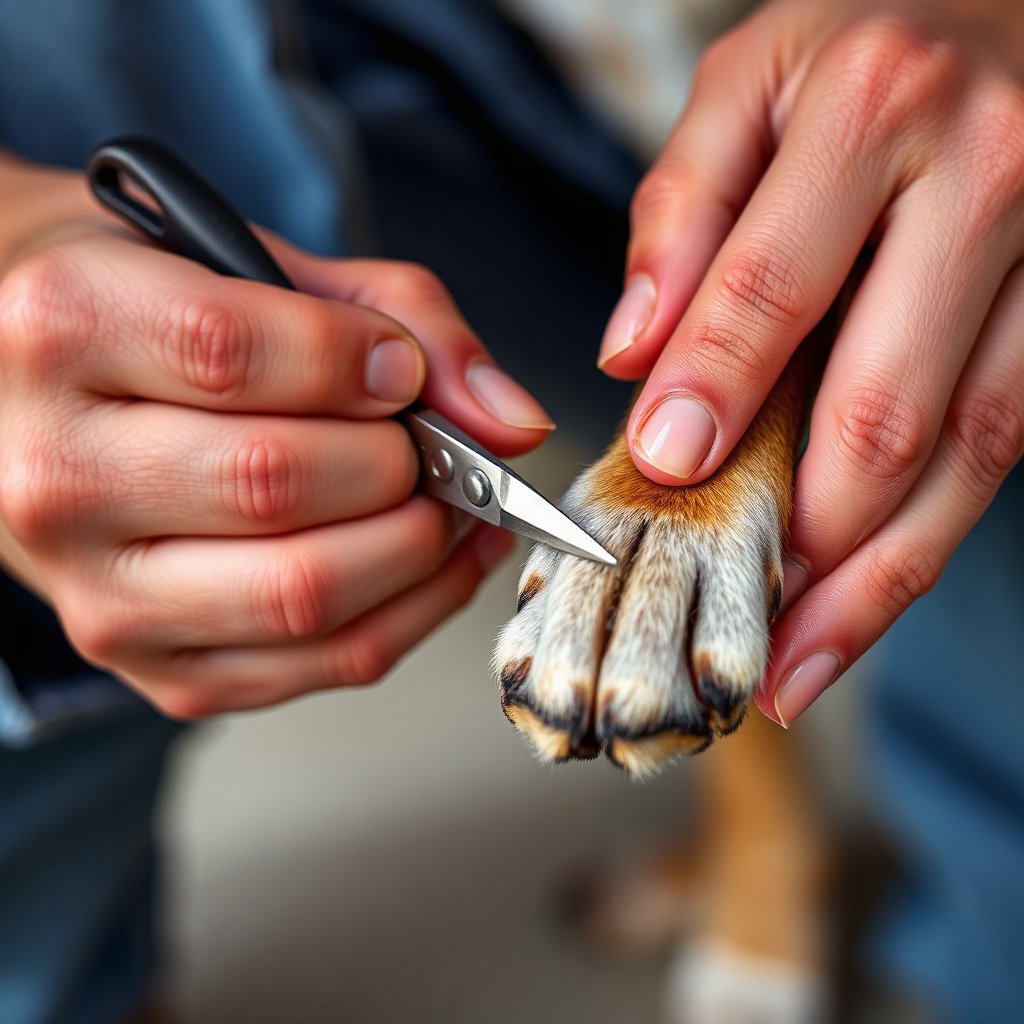
First Aid and At-Home Care
For minor splits, carefully trim the jagged parts to prevent further tearing, then clean the area with antiseptic. Applying a dog-safe balm helps promote healing and reduces dryness.
Avoid letting your dog walk on rough surfaces until the nail has partly regrown to minimize additional damage.
- Trim damaged nail edges gently
- Use antiseptic wipes or solutions
- Apply moisturizing nail balms
For more on this, see our related guide: How to Stop a Dog from Biting Its Nails: 8 Proven Ways That Work.
When to See a Veterinarian
Seek professional help if nails are severely split, bleeding, infected, or if the dog is in visible pain. The vet may prescribe antibiotics or recommend nail repair procedures.
Persistent splitting unlinked to trauma should prompt medical evaluation to rule out systemic causes.
- Severe nail cracking or breaks
- Signs of infection or swelling
- Recurring nail damage without clear cause
Preventing Split Nails in Dogs
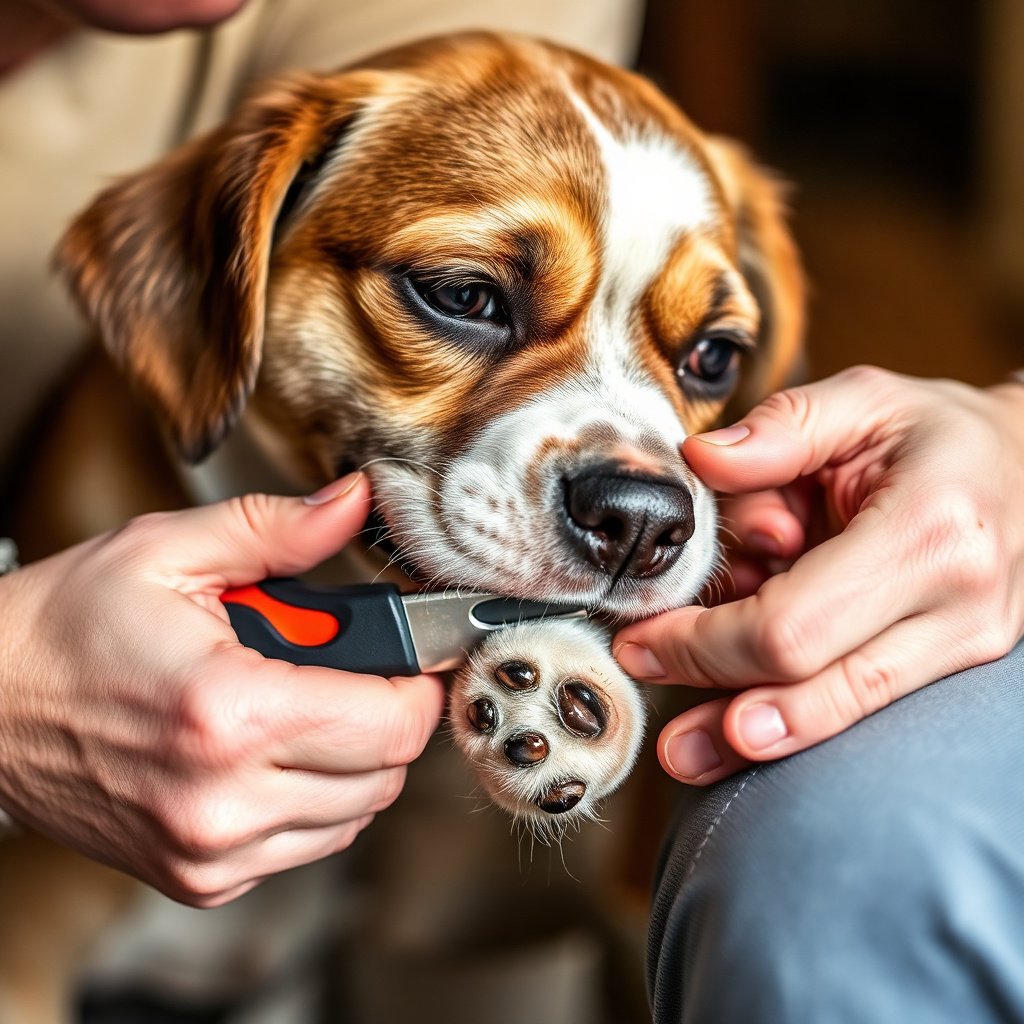
Routine Nail Maintenance
Regular nail trimming keeps nails at a safe length, reducing the chance of snagging and splitting. Use proper dog nail clippers and avoid cutting too close to the quick to prevent injury.
Smoothing rough edges with a nail file after trimming can also help maintain nail integrity.
- Trim nails every 3-4 weeks
- File edges smooth after clipping
- Avoid cutting nails too short
Diet and Environment for Strong Nails
A balanced diet rich in vitamins E, biotin, and omega fatty acids supports nail health. Supplements may be helpful if dietary intake is insufficient.
Keeping your dog's environment clean and avoiding rough terrain when possible lessens trauma risk to the nails.
- Feed high-quality dog food with essential nutrients
- Consider supplements for nail strength
- Minimize exposure to abrasive surfaces
Understanding Dog Nail Anatomy and Growth
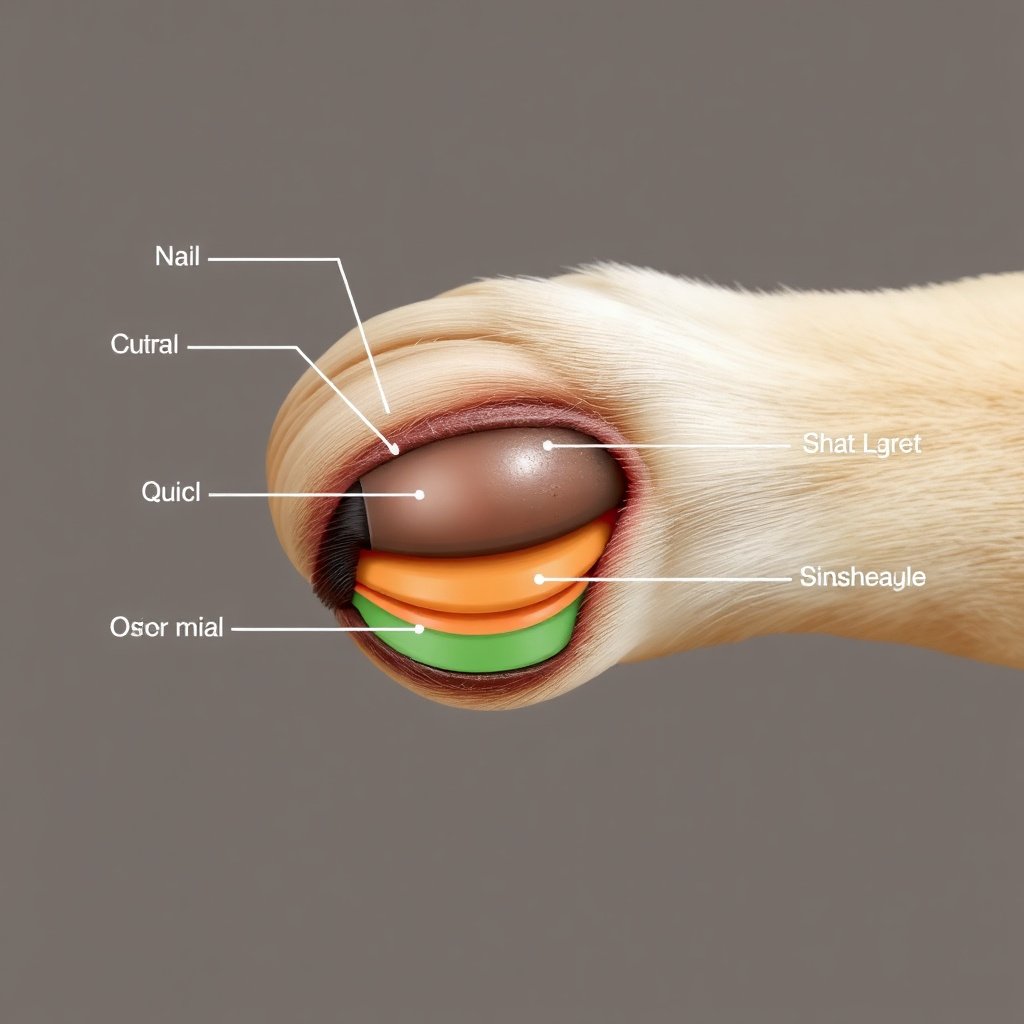
Structure of Dog Nails
Dog nails are made of keratin and have a sensitive inner part called the quick containing nerves and blood vessels. Proper understanding of this anatomy helps avoid causing pain during trimming.
The nail grows continuously, and if left untrimmed, it can curl or split more easily.
For more on this, see our related guide: Why Does My Dog Act Weird After Grooming? 8 Clear Reasons and Solutions.
Growth Cycle and Regeneration
Dog nails typically grow around 1-2 mm per week, with healthy growth depending on age, breed, and health status. Splits often heal as new nail material replaces damaged parts if further trauma is avoided.
Regular care assists in maintaining a balanced growth cycle, reducing the chances of repeated splits.
Tools and Products Recommended for Dog Nail Care
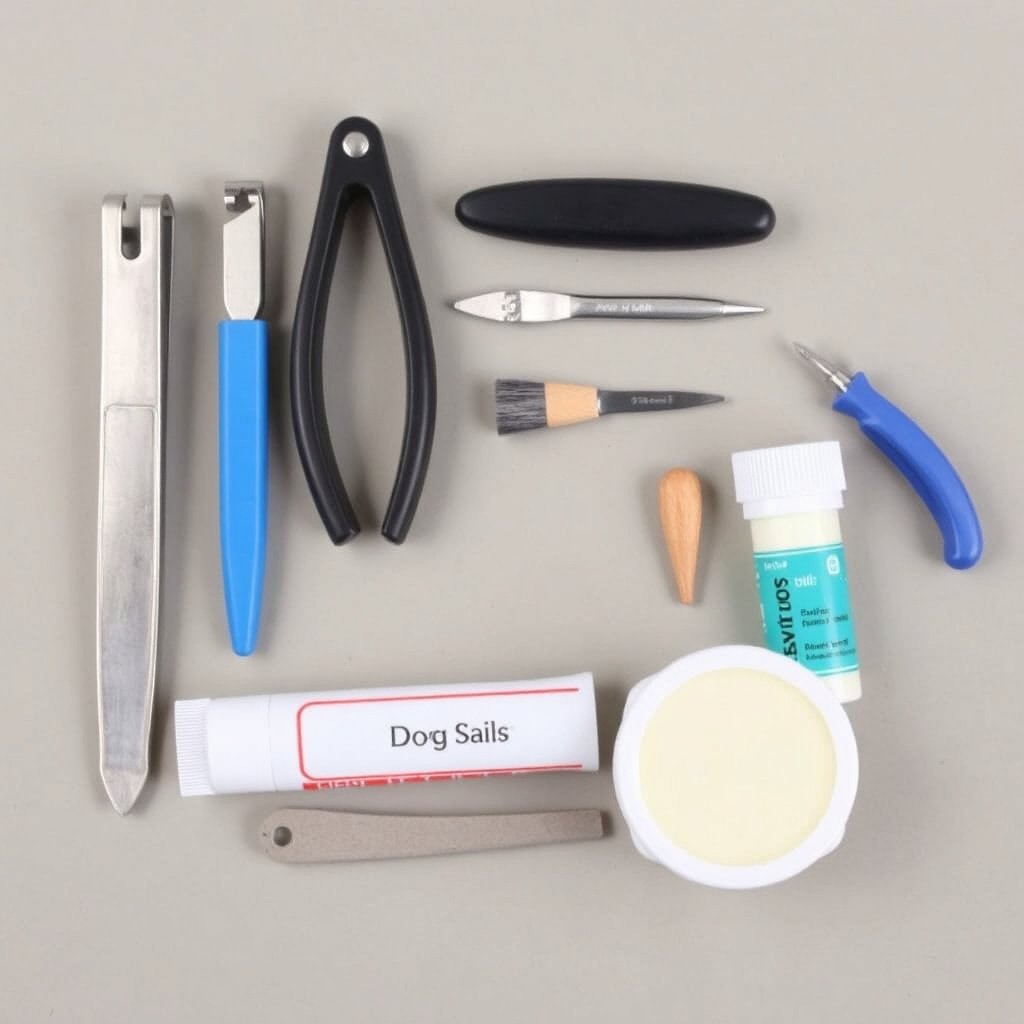
Choosing the Right Nail Trimming Tools
High-quality dog nail clippers come in guillotine, scissor, or rotary styles. Select the type that fits your dog’s nail size and comfort level.
Safety guards and ergonomic handles can reduce the risk of cutting too deep or slipping during grooming.
- Guillotine clippers for smaller nails
- Scissor clippers for thick nails
- Rotary grinders for smoothing
For more detailed information about dog nail anatomy and care, refer to this comprehensive resource. dog nail anatomy and care.
Nail Moisturizers and Protective Products
Nail balms and conditioners help maintain moisture in dry nails prone to splitting. Look for products specifically designed for dogs without harmful chemicals.
Some topical treatments also provide a protective coating, enhancing the nail’s resilience against damage.
- Dog-safe nail balms with natural oils
- Conditioning treatments for brittleness
- Protective nail coatings
Comparison of Dog Nail Care Approaches
This table summarizes different nail care methods, highlighting their benefits and ideal use scenarios to help you choose the best approach for your dog's needs.
| Care Method | Best For | Pros | Cons |
|---|---|---|---|
| Regular Trimming | Most dogs | Prevents overgrowth and splitting | Requires consistent schedule |
| Use of Nail Grinders | Sensitive or wiggly dogs | Smooths edges without risk of cutting quick | Takes longer and needs training |
| Professional Grooming | Busy owners or nervous dogs | Expert care and reduced injury risk | Can be costly |
| Nail Moisturizers | Dry, brittle nails | Improves flexibility and reduces splits | Needs regular application |
Frequently Asked Questions
Can split nails in dogs heal on their own?
Minor splits may heal if kept clean and trimmed properly. However, severe splits or infections require veterinary attention.
How often should I trim my dog's nails to prevent splitting?
Trimming every 3 to 4 weeks is generally recommended to keep nails at a healthy length and avoid splits.
Are certain dog breeds more prone to split nails?
Breeds with naturally brittle or slow-growing nails may be more susceptible, but trauma and care practices play larger roles.
What should I do if my dog is in pain from a split nail?
Clean the area gently, prevent further walking on hard surfaces, and seek veterinary care if pain or bleeding persists.
Can diet affect my dog’s nail strength?
Yes, a balanced diet rich in biotin, zinc, and omega fatty acids supports stronger, healthier nails.
Key Takeaways
- Split nails often result from trauma, dryness, or health issues.
- Proper nail trimming and care can prevent most splits.
- Watch for pain and signs of infection around split nails.
- Balanced diet and moisturizers support healthier nails.
Conclusion
When trying to understand why your dog has split nails, consider both environmental factors and underlying health conditions. Regular inspection and timely nail trimming avoid many common causes, while attention to signs like redness or discomfort helps catch infections early. Combining proper grooming tools with gentle handling minimizes nail damage during routine care.
For dogs prone to nail trauma from activity or brittle nails due to diet, implementing a care routine including regular trims, moisturizing balms, and a nutrient-rich diet can provide visible improvements. If splitting persists or worsens, consulting a veterinarian is wise to exclude infections or systemic issues. Professional groomers can also relax difficult dogs and provide expert clipping services, especially for sensitive nails.
Ultimately, starting with consistent nail maintenance is the most practical step to support your dog’s nail health. Incorporate regular checks for early signs of cracks or splits, adjust your dog’s walking surfaces as needed, and supply proper nutrition. This hands-on approach keeps your dog comfortable and reduces the risk of painful complications caused by split nails.