Why Does My Dog Shake When I Give It a Bath? Understanding Canine Behavior
Your dog shaking when you give it a bath is usually a natural response to the situation, linked mainly to nerves, cold, or stress. Dogs often associate bath time with discomfort or uncertainty, triggering shaking as a physical reaction. Some dogs shake because they feel chilly due to wet fur, while others might do it out of fear or excitement.
Understanding why a dog shakes during baths matters because it helps you create a more positive experience and prevent distress. Shaking can indicate your pet is uncomfortable or anxious, and addressing these feelings benefits both your dog's wellbeing and makes grooming easier for you.
This article covers common reasons behind dog shaking during a bath, how to recognize different causes like coldness or anxiety, practical tips to calm your pet, selecting the right bathing tools, and ways to build your dog's tolerance and comfort with water.
Causes of Dog Shaking During Bath
Physical Reasons for Shaking
When a dog shakes during a bath, one common cause is feeling cold. Wet fur lowers body temperature rapidly, especially for short-haired breeds, leading to shivering as a natural reflex to generate heat.
Besides cold, muscles might tense up due to the unfamiliar sensation of water and soap on the skin. Shaking also helps redistribute water off the fur faster, serving a functional purpose once they’re wet.
Emotional and Behavioral Triggers
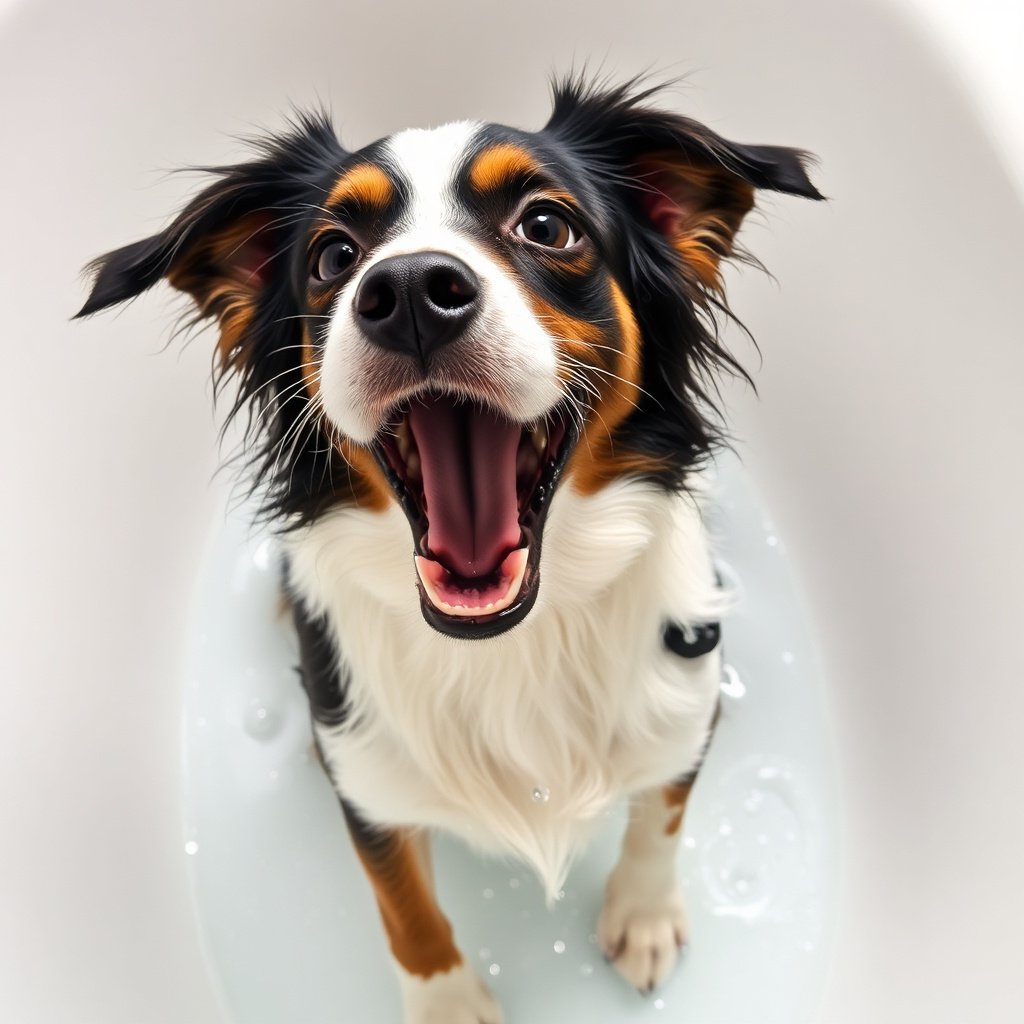
Bath time can provoke anxiety or stress in dogs due to previous negative experiences, loud noises like running water, or unfamiliar environments. Shaking reflects their discomfort or nervousness in this setting.
Some dogs also shake as an expression of submission or appeasement toward their owner during a stressful bath. Recognizing these emotional cues allows owners to respond with calming behaviors.
How to Tell If Shaking Is a Problem
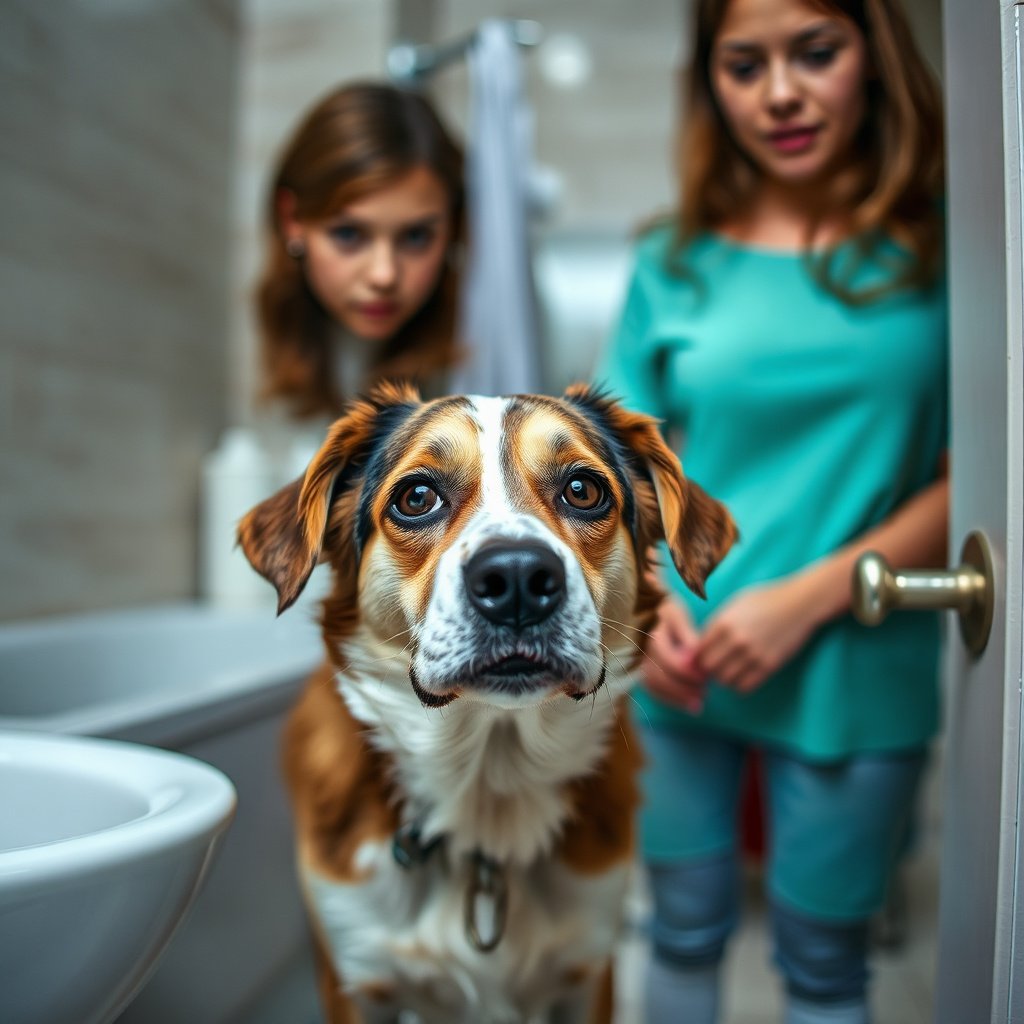
Distinguishing Normal From Concerning Shaking
Occasional shaking during a bath is typical, but persistent or violent shaking may signal pain, illness, or a more severe fear. Look for additional signs such as whining, trembling all over, or attempts to escape.
Also, if shaking continues well after the bath, or the dog appears lethargic or refuses to eat, consulting a veterinarian is advisable to rule out health issues.
- Normal shaking: brief, during bathing only
- Concerning shaking: prolonged, accompanied by other symptoms
For more on this, see our related guide: Why Does My Dog Scratch Its Ears? Causes, Care & When to Act.
Signs of Cold Versus Stress
Shivering combined with lifted fur and seeking warmth usually points to cold. Stress shaking often comes with wide eyes, panting, lip licking, or submissive body language.
Understanding the difference aids in quickly responding—whether by warming your dog or calming its nerves with gentle petting and a soothing voice.
Tips to Reduce Shaking During the Bath
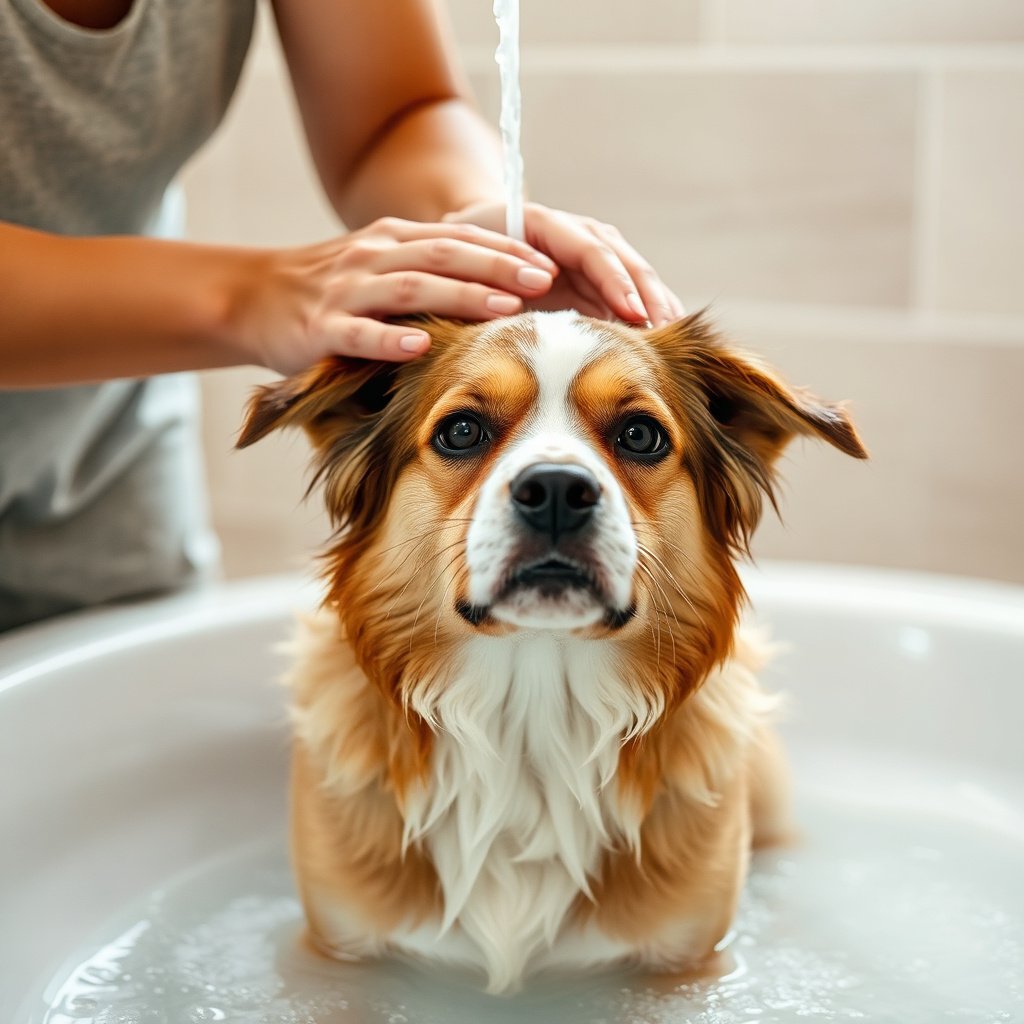
Creating a Comfortable Bath Environment
Use lukewarm water that’s not too cold or hot to prevent triggering a cold response. Ensure the room is warm enough, and have towels nearby to dry your dog promptly after rinsing.
Non-slip mats inside the tub help your dog feel secure, avoiding nervous shaking related to instability or fear of slipping.
- Maintain water temperature around 37-39°C (98-102°F)
- Place non-slip mats in bathing area
- Keep the room warm and free of drafts
Calming Techniques and Positive Associations
Speak gently and offer treats throughout the bath to create a positive connection. Massaging your dog gently before and during the bath can reduce muscle tension and stress, lowering shaking.
Gradually introducing your dog to the bathing process in small steps over time builds confidence and lessens anxiety-related shaking.
- Use calm, friendly voice tones
- Reward with treats and praise
- Gradually familiarize your dog with water exposure
Choosing the Right Bathing Tools
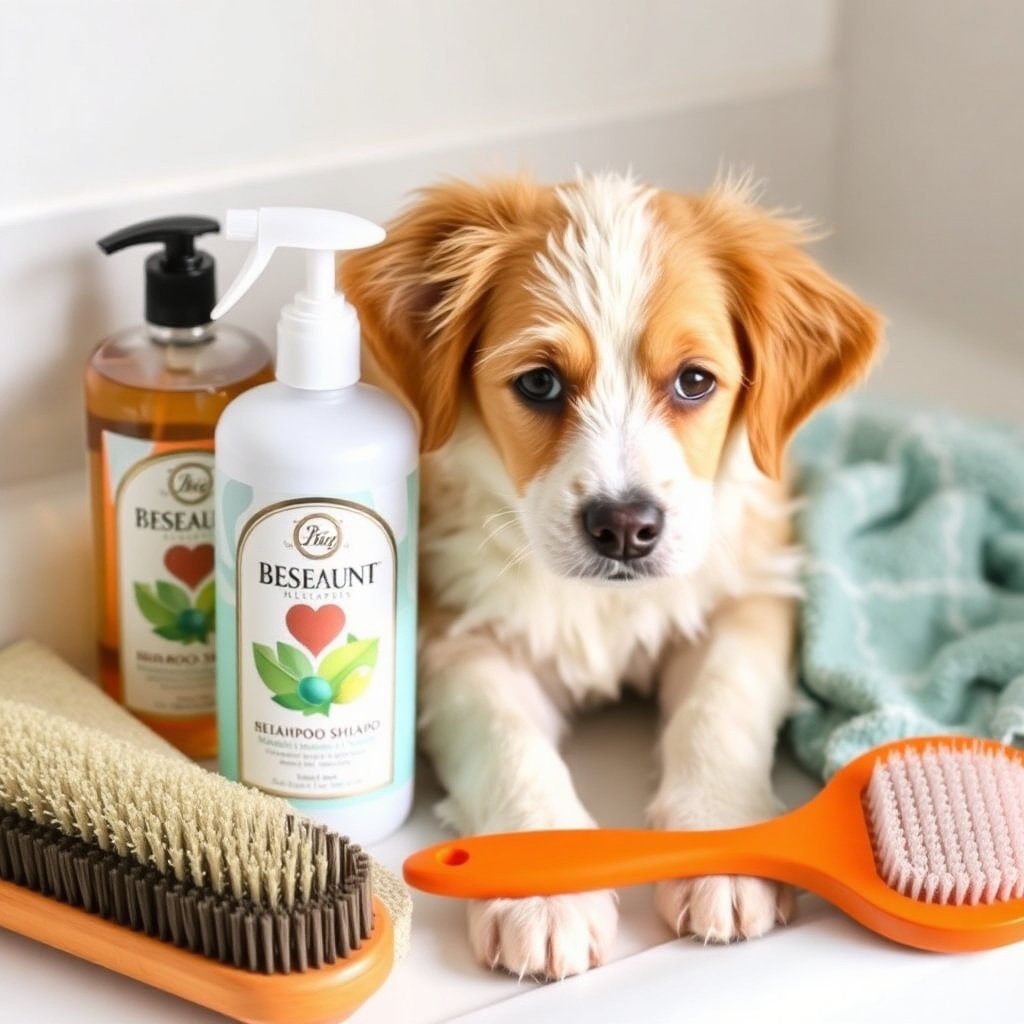
Selecting Soaps and Shampoos
Use shampoos formulated specifically for dogs, avoiding harsh chemicals or fragrances that might irritate skin or cause discomfort leading to shaking.
Hypoallergenic or oatmeal-based shampoos can soothe sensitive skin, which helps reduce restless shaking during bathing.
- Avoid human shampoos and harsh detergents
- Choose gentle, moisturizing formulas
For more on this, see our related guide: Why Does My Dog Have Smelly Ears? 8 Causes and Simple Treatments.
Useful Accessories to Make Bathing Easier
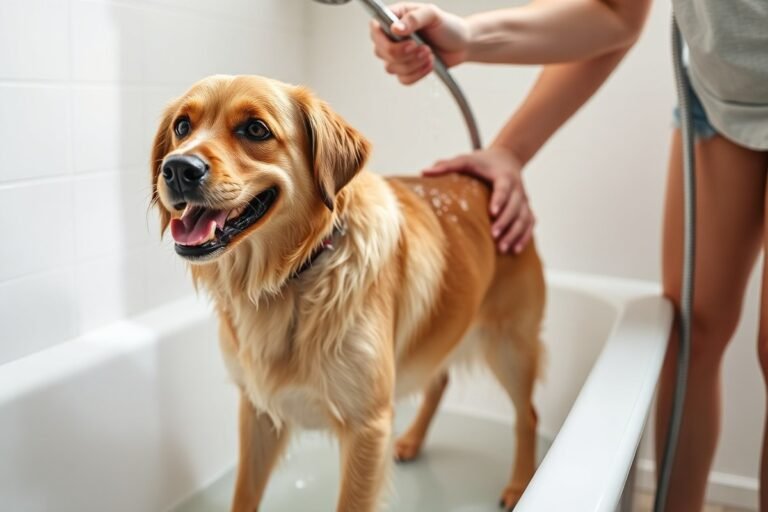
A handheld sprayer or shower attachment helps control water flow and direction more gently, preventing sudden surprises that cause shaking.
Soft brushes and microfiber towels improve comfort when washing and drying, making the process less stressful for your dog.
- Handheld shower attachments for controlled water
- Soft brushes for gentle cleaning
- Absorbent towels for quick drying
Building Your Dog’s Bath Tolerance Over Time
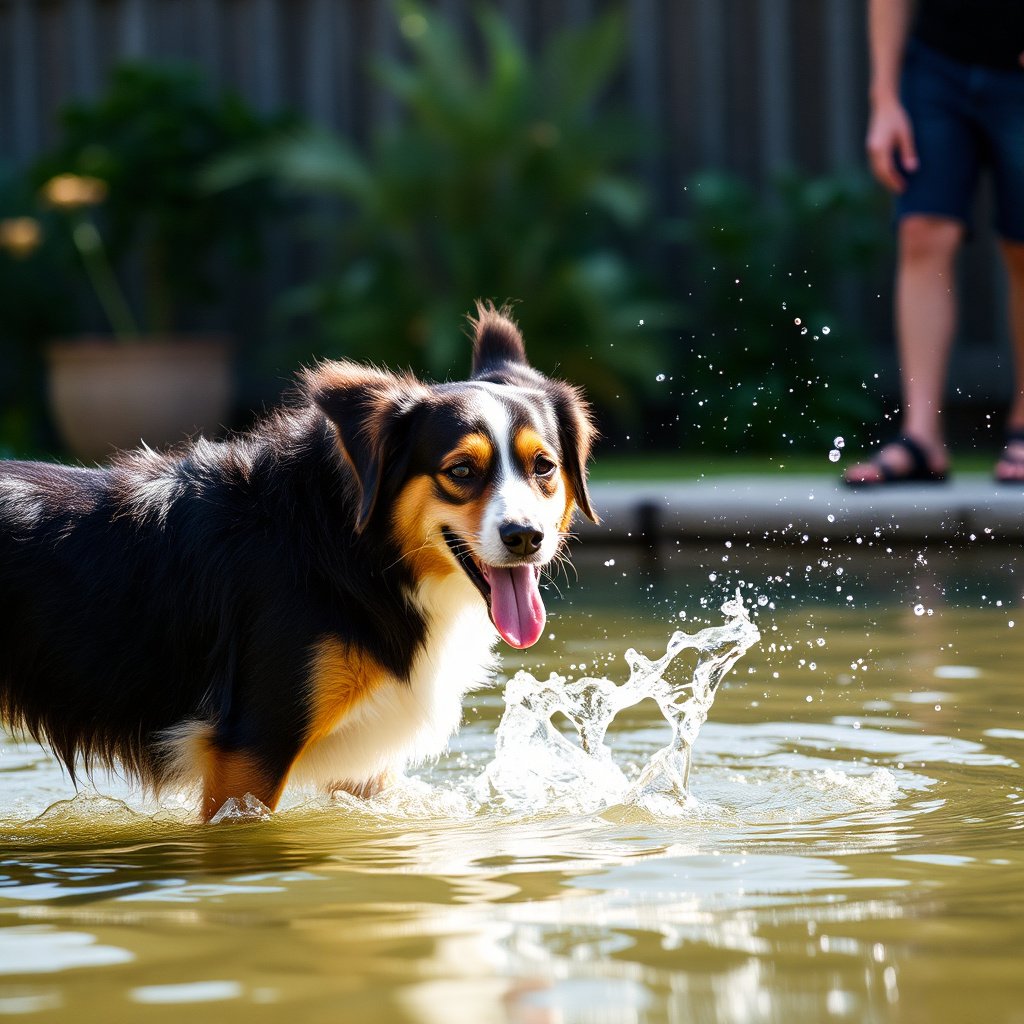
Desensitization and Gradual Exposure
Start by slowly introducing your dog to water with positive rewards, such as allowing it to play with damp towels or a gentle splash before a full bath.
Repetition in calm, controlled sessions lessens anxiety and decreases shaking over time as the bath becomes a familiar activity.
For more insight into canine responses and behaviors, check out this detailed dog behavior explanation on Wikipedia. dog behavior explanation on Wikipedia.
Incorporating Play and Relaxation
Pair bath time with play sessions or relaxation techniques to build good associations. Using toys or calm petting before and after baths helps your dog remain relaxed and reduces stress-induced shaking.
These methods work together to transform uncomfortable baths into enjoyable bonding moments.
Comparison of Common Causes for Dog Shaking in Bath
Here’s a comparison of different reasons why dogs might shake during baths, highlighting symptoms and best responses.
| Cause | Common Symptoms | Typical Duration | Recommended Owner Action |
|---|---|---|---|
| Cold | Shivering, seeking warmth, raised fur | While wet or until dried and warmed | Use warm water, dry promptly, provide warmth |
| Anxiety/Stress | Panting, shaking, submissive posture | During bath and shortly after | Calm voice, treats, gradual exposure |
| Pain or Illness | Violent shaking, whining, lethargy | Persistent beyond bath time | Veterinary consultation advised |
| Excitement | Tail wagging, playful shaking | Brief during bath | Encourage positive associations |
Frequently Asked Questions
Is it normal for all dogs to shake during baths?
Not all dogs shake during baths. While many do out of cold or nervousness, some are calm and enjoy the water. Shaking depends on individual temperament, breed, and previous experiences.
Can shaking during baths harm my dog?
Shaking itself is generally harmless and a natural response. However, if it’s excessive or indicates distress, it can cause fatigue or stress, so helping your dog stay calm is beneficial.
How can I stop my dog from shaking during baths?
Use warm water, create a non-slip and calm environment, offer treats, and introduce your dog gradually to baths to build comfort and reduce shaking caused by cold or anxiety.
When should I worry about my dog's shaking?
If shaking continues long after the bath, is violent, or combined with signs like lethargy or whining, you should consult a veterinarian to check for medical issues.
Does breed affect how much a dog shakes in the bath?
Yes, breeds with thin coats or sensitive temperaments tend to shake more due to cold or stress compared to thick-coated or water-loving breeds.
Key Takeaways
- Dogs shake during baths mainly due to cold or anxiety.
- Recognizing signs helps distinguish normal from concerning shaking.
- Creating a warm, calm environment reduces shaking.
- Gradual exposure and positive reinforcement build bath tolerance.
Conclusion
Understanding why your dog shakes when you give it a bath involves considering both physical and emotional factors. Shaking commonly arises from coldness or nervousness triggered by the bath situation. By observing your dog’s behavior and environment, you can determine the root cause and respond appropriately. Whether it’s providing warmth or calming reassurance, tailored care makes bath time less stressful and shaking less frequent.
For pet owners seeking to reduce shaking during baths, methods like using lukewarm water, placing non-slip mats, and gentle handling are effective. Dogs prone to anxiety benefit from gradual desensitization and positive reinforcement through treats and praise. Certain breeds may require special attention due to their coat type or temperament. Integrating these practical approaches helps ensure more enjoyable and shake-free bathing experiences.
Next steps include preparing your bathing space thoughtfully and pacing your dog’s exposure to water. Try incorporating some calming techniques and choosing the right grooming products to ease discomfort. If shaking persists despite these efforts, consulting a veterinarian is wise to rule out underlying health concerns. Bath time can transform from tense to tranquil with patience and the right practices.