How to Stop a Cat from Over Grooming: Effective Solutions and Tips
If your cat is over grooming, the first step to stop this behavior is identifying the underlying cause, which can range from stress and allergies to parasites or skin infections. Over grooming often results in bald patches, sores, and irritation that need timely attention.
Over grooming is more than just a quirky habit; it can indicate discomfort or emotional issues that affect your cat’s health and happiness. Left untreated, it might lead to painful skin conditions or infections, so addressing it promptly protects your pet’s well-being.
This article will explore common causes of over grooming, discuss strategies for prevention and treatment, and guide you through managing your cat’s environment and health to reduce this behavior effectively.
Understanding Why Cats Over Groom
Physical Causes of Over Grooming
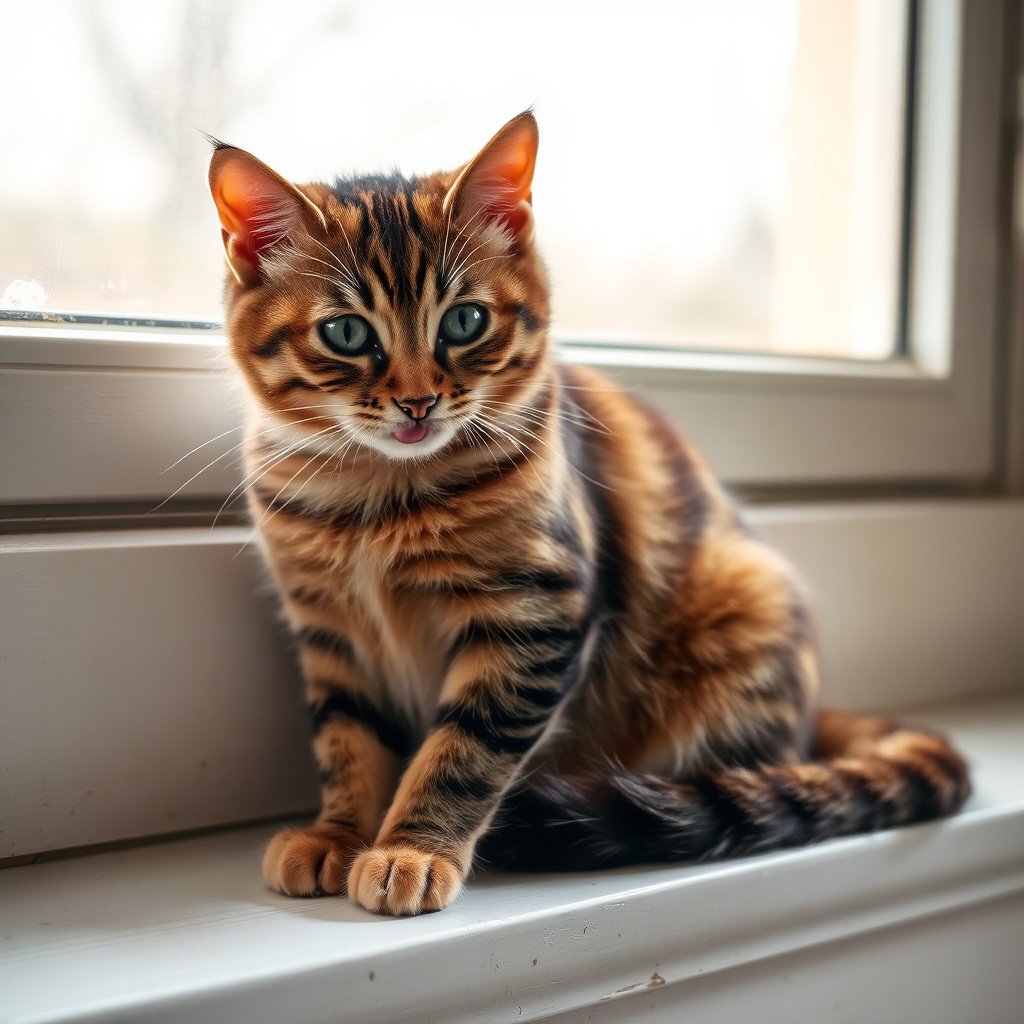
Many physical issues can trigger excessive grooming, including allergies, fleas, mites, fungal infections, or even underlying pain from arthritis or injury. These irritants cause the cat to lick or scratch relentlessly to soothe discomfort.
Cats are masters at hiding pain, so spotting these triggers early requires careful observation of behavior changes and visible skin conditions. Consulting a veterinarian for allergy testing or parasite checks is essential in ruling out medical causes.
- Fleas or mites
- Food or environmental allergies
- Skin infections like ringworm
- Pain or injury
Psychological and Environmental Triggers
Stress, boredom, or changes in a cat’s environment—such as moving, new pets, or altered routines—can also cause over grooming as a coping mechanism. This repetitive behavior helps some cats relieve anxiety but leads to damaging skin effects.
Environmental enrichment by providing interactive toys, scratching posts, and quiet resting areas helps reduce stress-related grooming habits. Ensuring a calm and familiar environment is crucial to addressing the psychological side of over grooming.
- Separation anxiety
- Change in household dynamics
- Lack of stimulation
- Territorial stress
Diagnosing Over Grooming: When to See a Vet
Recognizing Symptoms Indicating Medical Help
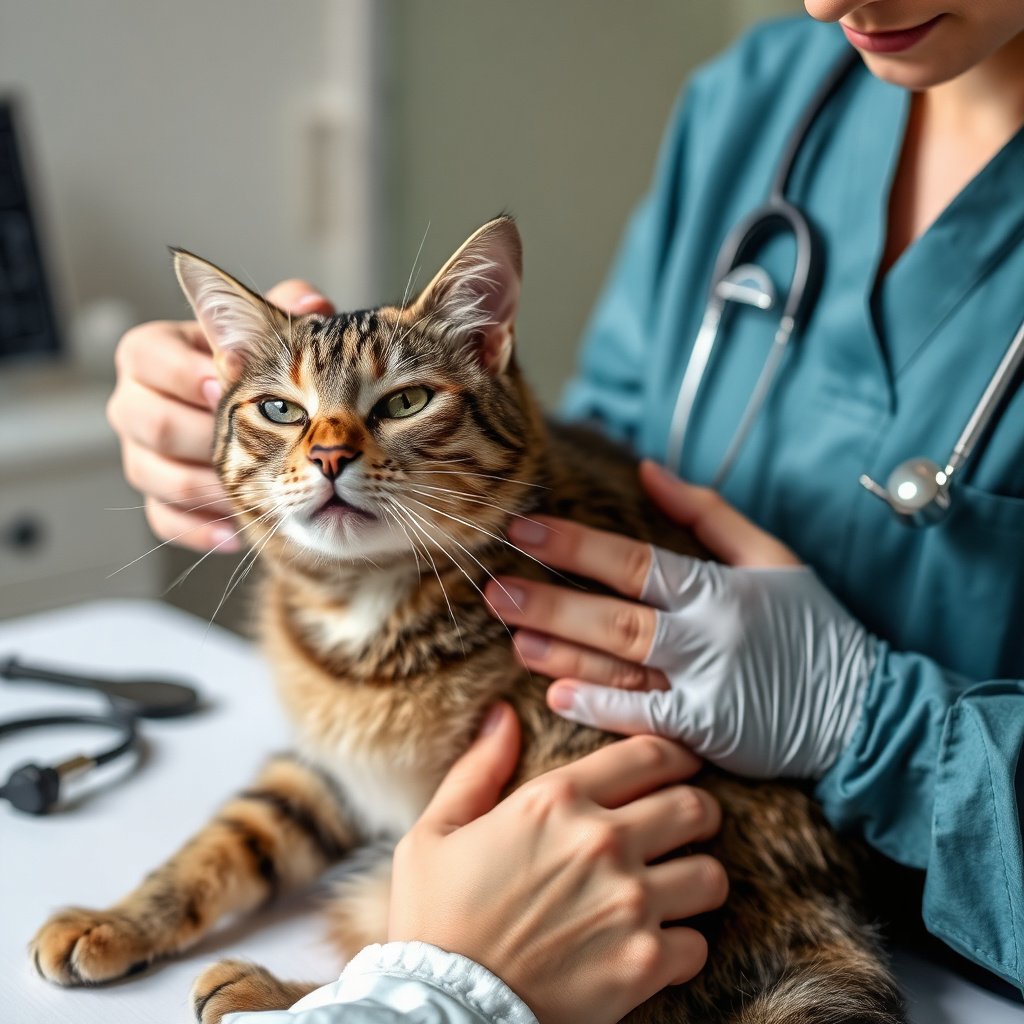
Symptoms like bald spots, raw or bleeding skin, persistent scratching, and obvious discomfort signal the need for veterinary evaluation. Early diagnosis of medical issues can prevent worsening conditions.
Vets will perform skin scrapings, allergy testing, and possibly blood work to identify infections or systemic diseases that may cause over grooming.
- Bald or thinning fur
- Open sores or scabs
- Persistent scratching or biting
- Changes in behavior or appetite
For more on this, see our related guide: How to Stop a Dog from Biting Its Nails: 8 Proven Ways That Work.
Veterinary Treatments for Over Grooming
Depending on the cause, treatments could involve antibiotics, antiparasitic medications, allergy management, or pain relief. Behavior modification therapies and anti-anxiety medications might be recommended for stress-induced grooming.
Some cats benefit from medicated shampoos or topical ointments to heal skin, while in chronic cases, environmental changes are prescribed alongside medical treatments.
- Medications for infections or parasites
- Allergy management plans
- Anxiety-reducing drugs
- Topical skin treatments
Practical Steps to Stop Your Cat from Over Grooming
Environmental Enrichment and Routine
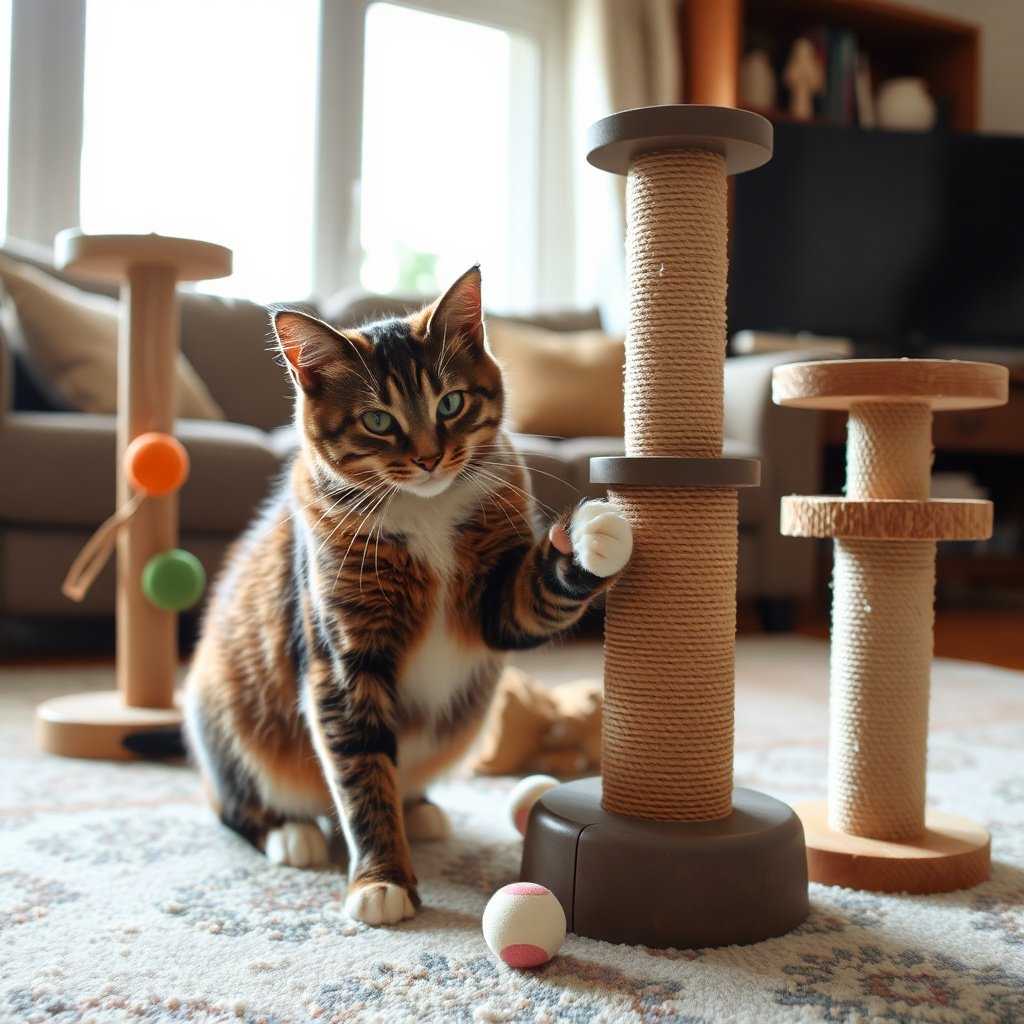
Provide stimulating toys, climbing structures, and regular interactive playtime to reduce boredom that triggers excessive licking. Consistent feeding and play routines create a sense of security.
Adding puzzle feeders and new surfaces to explore engages your cat mentally and physically, which may divert attention from over grooming and improve overall well-being.
- Interactive toys
- Scratching posts
- Puzzle feeders
- Regular play schedules
Managing Stress and Anxiety
Create quiet resting places away from noisy areas and introduce calming products like pheromone diffusers or calming collars. Gradual introductions to new pets or changes reduce stress-induced grooming.
Behavioral techniques such as clicker training or positive reinforcement when the cat stops licking excessively can retrain habits and improve mood.
- Pheromone diffusers
- Safe, quiet zones
- Gradual household changes
- Positive behavior reinforcement
Diet and Grooming Control for Healthy Skin
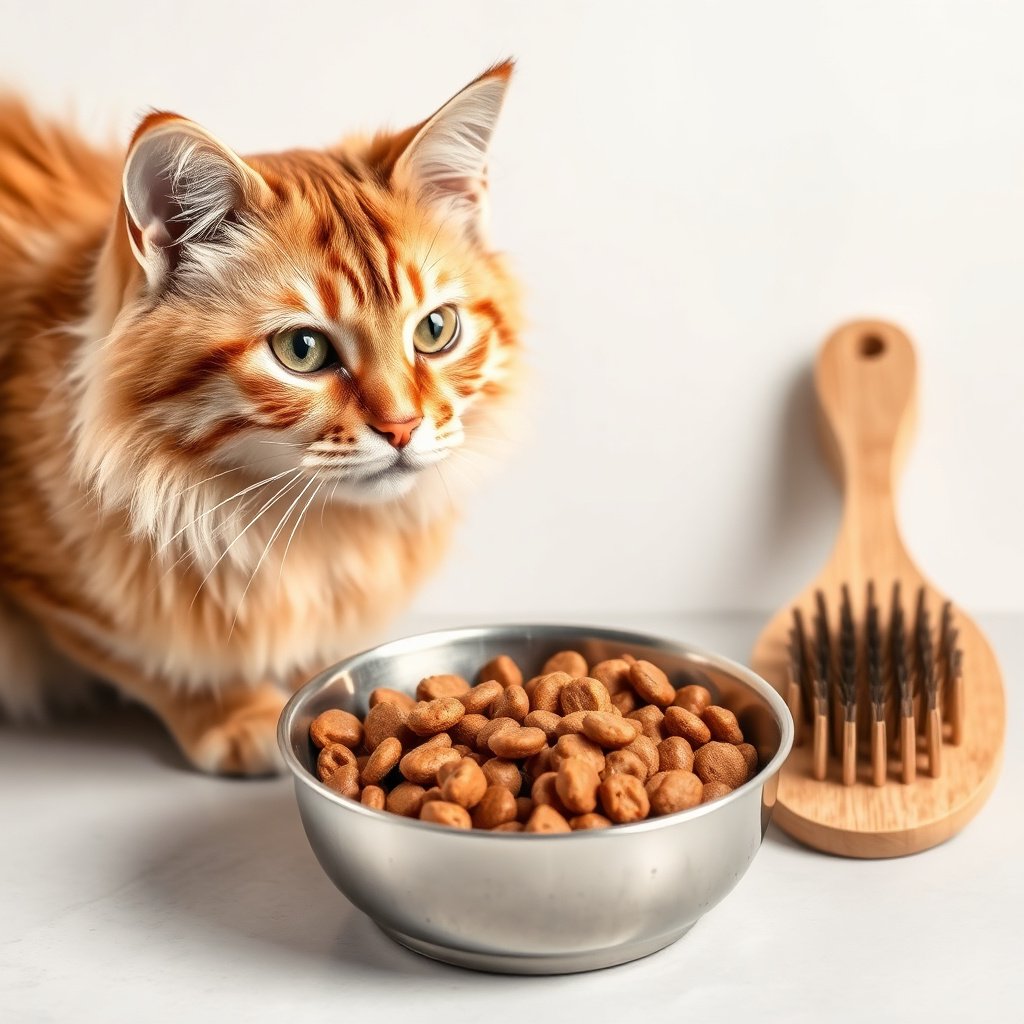
Nutrition's Role in Skin Health
A balanced diet rich in essential fatty acids like omega-3 and omega-6 supports skin integrity and reduces irritation that leads to over grooming. Special diets formulated for sensitive skin can help manage allergies.
Regular vet consultations to adjust diets based on test results or skin condition progress ensure your cat receives adequate nutrients for recovery and prevention.
- Omega-3 and omega-6 fatty acids
- Hypoallergenic diets
- Veterinary dietary advice
- Hydration importance
For more on this, see our related guide: How to Stop a Dog from Itching: 8 Proven Strategies for Fast Relief.
Grooming Techniques to Prevent Over Grooming
Regular brushing removes loose fur and reduces self-grooming needs. Using gentle, cat-specific grooming tools minimizes skin irritation. Avoid forcing grooming on stressed cats, which may worsen anxiety-driven licking.
Focused grooming sessions paired with reward-based training encourage tolerance and relaxation, helping break the compulsive grooming cycle.
- Gentle brushes
- Routine grooming sessions
- Positive reinforcement
- Avoid forced grooming
When to Use Protective Devices and Behavioral Therapy
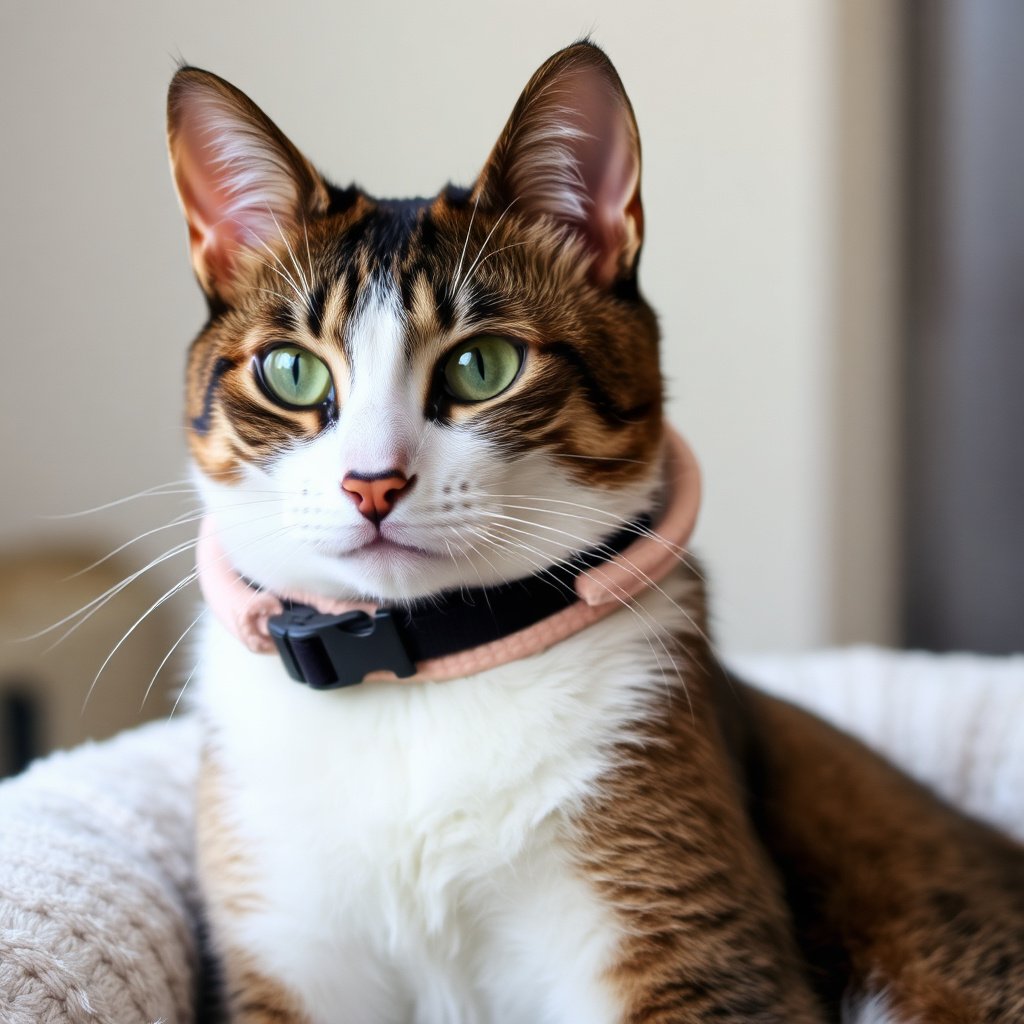
Physical Barriers to Limit Damage
Elizabethan collars or soft protective covers can prevent your cat from licking wounds or bald spots. These devices provide temporary relief while skin heals but should be used under vet guidance to avoid stress.
Choosing the right size and type of collar ensures comfort and minimizes interference with normal activities such as eating or sleeping.
- Elizabethan collars (e-collars)
- Soft fabric protective wear
- Proper sizing importance
- Limited duration use
For additional expert information on managing feline over grooming, refer to resources provided by the American Society for the Prevention of Cruelty to Animals. Feline overgrooming information from the American Society for the Prevention of Cruelty to Animals.
Behavioral Therapy Options
Consulting a veterinary behaviorist can be beneficial for persistent over grooming not resolved by medical treatment. Techniques may include desensitization, counterconditioning, and specialized training.
Behavior therapy targets anxiety or compulsive disorders directly and often works best combined with environmental management and medication.
- Desensitization methods
- Counterconditioning strategies
- Training to redirect behavior
- Professional behaviorist guidance
Over Grooming Causes and Treatment Comparison
This table summarizes common causes of over grooming in cats and the most effective treatments associated with each.
| Cause | Symptoms | Treatment Approaches | Expected Recovery Time |
|---|---|---|---|
| Fleas and Parasites | Itching, hair loss, redness | Flea treatment, antiparasitics | 1-3 weeks |
| Allergies | Chronic licking, skin inflammation | Hypoallergenic diet, meds | Several weeks to months |
| Stress or Anxiety | Repeated licking, bald patches | Environmental enrichment, therapy | Weeks to several months |
| Skin Infections | Sores, scabs, odor | Antibiotics or antifungals | 2-4 weeks |
| Pain or Injury | Localized licking, limping | Pain medication, rest | Days to weeks |
Frequently Asked Questions
Can over grooming cause permanent damage to my cat's skin?
Yes, excessive grooming can lead to hair loss, skin wounds, and infections that may become permanent if left untreated. Early intervention helps minimize lasting damage.
Is over grooming always a sign of illness in cats?
Not always. While medical issues often cause grooming, stress and behavioral problems also contribute. A veterinary exam is needed to determine the cause.
How can I help my cat relax to prevent over grooming?
Creating a calm environment with routine play, quiet resting spots, and calming aids like pheromone diffusers can reduce anxiety and lower grooming levels.
Are there any risks with using an Elizabethan collar on my cat?
Collars can be stressful and uncomfortable if not fitted properly. They should be used temporarily and under veterinary supervision to avoid additional anxiety or injury.
Can diet changes alone stop my cat from over grooming?
Diet improvements can reduce allergy-related grooming but usually need to be combined with other treatments or environmental changes for full relief.
Key Takeaways
- Identify the root cause—medical or behavioral—before treating over grooming.
- Vet consultation is essential for accurate diagnosis and treatment.
- Environmental enrichment and routine play reduce stress-related grooming.
- Balanced nutrition supports skin health and reduces irritation.
Conclusion
Stopping a cat from over grooming involves carefully examining physical health, environmental factors, and behavior patterns. Identifying medical causes like allergies or parasites directs appropriate veterinary treatment, while recognizing stress or anxiety guides management through enrichment and behavioral interventions. A holistic approach combining medical care, nutrition, environment, and mental well-being gives the best chance at overcoming this issue.
For cats with flea infestations or skin infections, targeted parasite control and medications usually bring rapid improvement. Stress-related grooming benefits greatly from stable routines and interactive toys, while severe anxiety may require professional behavioral therapy and calming aids. Incorporating dietary changes with omega fatty acids supports skin healing, which complements other treatments effectively. Using barriers such as Elizabethan collars can be a helpful temporary measure when aggression toward affected skin appears.
If your cat is showing signs of over grooming, consult your veterinarian promptly to rule out infections or allergies. Simultaneously begin environmental enrichment and monitor behavior closely. Combining these strategies equips you to protect your feline companion’s health and comfort, promoting strong skin and a happier, balanced life.