How to Groom a Dogs Paws: Simple Steps for Safe, Effective Care
How to groom a dogs paws starts with trimming hair between the pads, clipping nails carefully, and cleaning after outdoor activities. Maintaining your dog’s paws keeps them healthy and comfortable, so regular care matters for every breed and coat type. You will learn practical steps to safely care for your dog’s paws at home.
This advice suits dog owners new to paw grooming or those wanting to improve their skills. It covers choosing tools, trimming nails without injury, cleaning, and protecting paws in extreme weather. You’ll also find tips for preventing common grooming mistakes and advice on when to seek professional help.
Key Takeaways
- Trim hair between paw pads with sharp scissors to prevent dirt buildup and matting.
- Select quiet, low-vibration cordless trimmers designed for pets to reduce dog anxiety during grooming.
- Clip nails carefully, stopping about 1/8 inch before the quick to avoid pain and bleeding.
- Clean paws with gentle wipes or water after walks, especially in hot or winter conditions.
- Adjust grooming frequency and techniques based on your dog’s breed, coat type, and activity level.
- Protect paws from heat and ice using booties or paw wax in extreme weather conditions.
Should You Trim the Hair Between Your Dog’s Paw Pads?

Trimming the hair between your dog’s paw pads helps keep their paws clean and prevents mats, which can trap dirt, moisture, and debris. This grooming also improves traction on slippery surfaces since the pads make better contact with the ground. Dogs with long or thick fur often benefit most from hair trimming around the toes, especially if their pads are hidden beneath matted fur. The American Kennel Club recommends trimming the hair so it’s even with the pads or slightly shorter. This keeps the pads exposed without removing all the hair, which provides some natural protection.
Using blunt-tipped scissors or small clippers with a guide comb is safest for trimming, as these tools reduce the risk of cutting the skin, which is close to the hair in sensitive paw areas. Avoid cutting too short or removing all the hair, especially on dogs with thin pads, as this can increase their risk of irritation from rough surfaces or cold weather. For dogs with thick underfur, start by gently pulling the tufts of hair upwards to see how much trimming is needed. Follow these steps to trim hair between your dog’s paw pads carefully:
- Prepare your dog and tools. Choose a calm moment and have blunt-tipped scissors or small clippers ready. Use a comb to separate tufts of hair.
- Inspect each paw. Look closely between the toes and pads for any mats, dirt, or debris that need removing before trimming.
- Lift the fur between the pads. Use your fingers or a comb to gently pull the hair upward between the toes, exposing the pad surface.
- Trim carefully. Cut the hair level with or slightly shorter than the pad surface, avoiding cutting too close to the skin. Take small snips to prevent mistakes.
- Check for evenness. Place the paw on a flat surface and comb the hair again, trimming any excess to keep the fur neat and uniform.
- Dry paws thoroughly. After trimming, gently towel dry the paws, especially between the toes, to prevent moisture-related issues.
- Reward your dog. Offer praise or treats to keep the experience positive and easier for future grooming sessions.
Trim your dog’s paw hair every few weeks depending on their coat growth and outdoor activity level. Dogs with long coats may require more frequent grooming to keep pads clear and comfortable. Sensitive or arthritic dogs particularly benefit from regular paw hair trimming, which can reduce irritation and improve mobility. Avoid using clippers with guide combs on very long fur near the paws without prior experience, since tangles can pull and hurt your pet. Consistent, gentle grooming helps prevent infections and keeps your dog’s paws healthy all year.
Choosing the Right Tools for Grooming Dog Paws
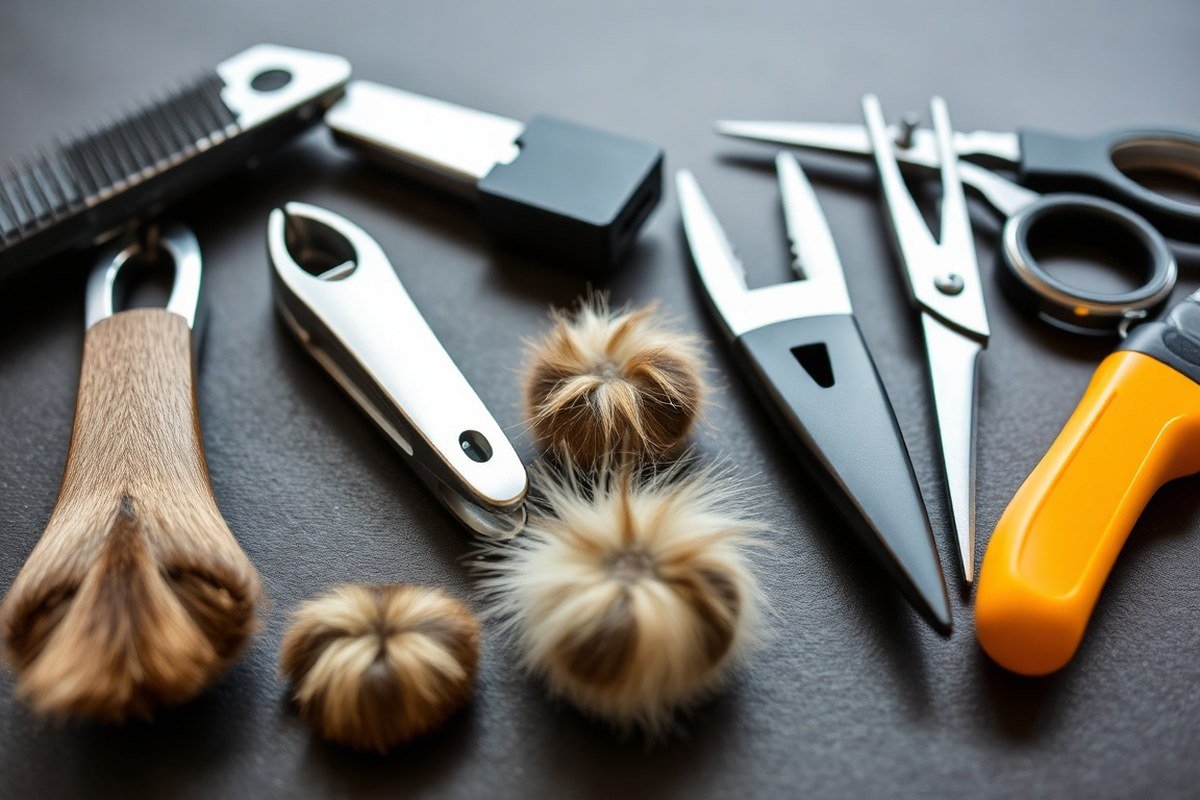
To groom your dog’s paws effectively, you’ll need a few essential tools tailored to your dog’s coat and grooming needs. Scissors and clippers are both common for trimming paw hair, but your choice depends on your dog’s comfort level and coat type. Scissors offer precision for small, delicate areas but require steady hands and caution. Clippers can speed up the process, especially for thick or long fur, but you must use a quiet, dog-friendly model to avoid startling your pet.
Brushes are important for removing debris, mats, and loose hair before trimming. Different coat types demand specific brushes: slicker brushes suit most coats; bristle brushes are designed for short-haired breeds, and undercoat rakes manage dense double coats. Using the right brush prevents matting and keeps your dog comfortable.
For cleaning and maintaining paw health, select gentle, dog-specific wipes or balms, particularly if your dog has sensitive skin. Hypoallergenic formulas with moisturizing ingredients protect against dryness or irritation from outdoor exposure. Always avoid human products, which may contain harmful chemicals. Below is a comparison table outlining the key grooming tools for paw care, their uses, and when to choose them:
| Grooming Tool | Purpose | Best For | Price Range |
|---|---|---|---|
| Slicker Brush | Removing mats and loose hair | Most coat types | $10, $25 |
| Bristle Brush | Smooths short coats, removes dirt | Short-haired dogs | $8, $20 |
| Undercoat Rake | Shedding control, removes loose undercoat | Double-coated breeds | $15, $30 |
| Grooming Scissors | Precise trimming in sensitive areas | Detail work on paw hair | $10, $30 |
| Electric Clippers | Quick trimming of dense or long fur | Medium to long-haired dogs | $25, $70 |
| Dog Paw Wipes | Cleaning and moisturizing paws | All dogs, sensitive skin | $6, $15 per pack |
| Paw Balm | Moisturizes and protects paw pads | Dry or weather-exposed paws | $8, $20 |
Start grooming by brushing to remove dirt and tangles, then trim paw hair carefully with scissors or clippers, paying close attention to avoid cutting too close to the skin. Finish by wiping and applying balm to keep the paws healthy and protected. Proper grooming prevents mats and discomfort, and using the right tools keeps the process safe and less stressful.
Always keep sharp grooming tools away from your dog’s quick and work in a calm setting to prevent sudden movements and injuries.
How to Safely Trim Your Dog’s Nails at Home
Trimming your dog’s nails safely means taking small, careful steps to avoid cutting the quick, which is the sensitive vein running inside the nail. Start slowly, use the right tools, and keep your dog calm with treats and praise. Dew claws, which are the nails located higher on the leg, need trimming as well since they don’t wear down naturally.
Identifying the Quick in Your Dog’s Nails
The quick is a blood vessel inside your dog’s nail that you need to avoid cutting to prevent pain and bleeding. Your dog’s light-colored nails show the quick as a pinkish area in the middle of the nail. For dark nails, it can be harder to see, so trimming small amounts at a time is safest.
Dew claws are extra nails on the side of your dog’s leg, usually found higher up and not touching the ground. They require regular trimming because they don’t naturally wear down. Failing to trim dew claws can cause snagging or injury, so make sure to keep an eye on them during grooming.
Step-by-Step Nail Trimming Guide
Use sharp nail clippers designed for dogs, ideally with a safety guard or a nail grinder, to trim small amounts at a time. Trim only the blunt tip to avoid the quick and keep the process positive by trimming just one or two nails per session if your dog is nervous.
- Prepare your workspace. Find a quiet, comfortable spot and have your nail clippers, styptic powder (for bleeding), and treats ready.
- Hold your dog’s paw gently. Support the paw firmly but softly to keep your dog calm.
- Inspect the nail for the quick. Look for the pink section in light nails, or trim 1-2 millimeters at a time for dark nails.
- Trim the nail tip. Cut the nail’s curve without pressing down or forcing the clipper.
- Pause and praise. Give your dog a treat or gentle petting between nails.
- Repeat on each nail. Take breaks as needed if your dog shows signs of stress.
- Trim dew claws carefully. These usually need extra attention and should be trimmed slowly.
- Stop if you hit the quick. When the nail bleeds or your dog yelps, use styptic powder to stop the bleeding and calmly reassure your dog.
Calming and Rewarding Your Dog During Grooming
Make nail trimming a positive experience by speaking in a calm, soothing tone throughout. Pairing the trimming with treats given before, during, and after each nail helps your dog associate the process with something good. Keep sessions short initially; a few nails at a time can build patience over multiple grooming days.
Avoid forcing your dog if it resists. Instead, stop and try again later, possibly after a calm activity like a walk. You may ask your veterinarian or a professional groomer for guidance to reduce anxiety and learn gentle handling techniques that protect both you and your dog.
Cleaning and Caring for Dog Paws After Outdoor Activities
Cleaning your dog’s paws after outdoor activities is essential to prevent infections, irritation, and the ingestion of harmful substances. Use lukewarm water or dog-approved wipes to remove dirt, chemicals, or debris. Wiping paws after urination is helpful, especially if your dog tends to lick their feet afterward. Choose gentle, pet-safe products formulated for dog skin to avoid irritation.
Why Cleaning Paws Matters After Walks and Potty Breaks
After time outside, dog paws can pick up dirt, harmful chemicals, road salt, and allergens. Left uncleaned, these substances can cause skin irritation, cuts, or infections. Dogs often lick their paws, so residues on the skin may lead to ingestion of toxins. Persistent moisture from wet conditions encourages bacterial or fungal infections. Cleaning paws keeps them healthy and comfortable, supporting your dog’s overall well-being.
Step-by-Step Paw Cleaning After Outdoor Time
First, prepare a basin or bowl with lukewarm water, avoiding hot or cold temperatures that can stress paw skin. Gently dip or rub each paw in the water to loosen dirt and debris. Use a soft cloth or dog-specific paw wipes if you don’t want to use water. Pay close attention to the area between the toes where dirt and small particles often collect. After rinsing or wiping, dry the paws thoroughly with a clean towel before your dog walks inside to avoid tracking wet dirt or increasing moisture-related irritation.
If your dog was exposed to road salt or de-icing products in winter, wash paws promptly. These substances can cause burns or dry skin. Using plain water to rinse will remove these chemicals effectively. Avoid human soaps as they can be harsh; instead, use shampoos formulated for dogs if paws are very dirty or greasy. Apply shampoo sparingly, lather gently, and rinse thoroughly, staying clear of eyes and ears.
Wiping Paws After Urination
Wiping paws after your dog pees is recommended, especially if your dog licks their paws frequently or has sensitive skin prone to irritation. Urine can leave salts and bacteria on the paws that contribute to discomfort and infections. Use a damp cloth or dog-safe wipes to gently clean the paw pads and between the toes. This practice also helps reduce odors and keeps your home cleaner by preventing urine residues from spreading.
Safe Cleaning Products for Dog Paws
Choose products labeled specifically for dogs, such as dog paw wipes or gentle pet shampoos. Do not use baby wipes or household cleaners as they might contain harmful chemicals or fragrances. A simple mixture of water with a little dog shampoo is usually sufficient for thorough cleaning. For ongoing paw care, applying a dog paw balm after drying can help moisturize and protect paw pads against cracking and irritation. Always follow product directions and check for any skin reactions after use.
Adjustments for Different Conditions and Situations
In muddy or wet weather, more frequent paw cleaning ensures debris does not cause matting or infection. After hikes on rough or rocky terrain, thoroughly inspect paws for cuts or lodged stones before cleaning. Dogs with long fur between paw pads might benefit from having the hair trimmed regularly to reduce dirt buildup. Keep a travel paw cleaning kit with a small towel, paw wipes, and water when you’re out for longer walks, especially in urban or chemically treated areas.
For dogs with allergies or sensitive skin, consult your veterinarian about special hypoallergenic paw wipes or shampoos. In cold weather, washing paws to remove ice-melting chemicals is necessary, followed by applying a protective paw balm to prevent drying and cracking from salt damage.
Adjusting Paw Grooming Based on Dog Breed and Coat Type
Paw grooming needs vary widely depending on your dog’s breed and coat type. Different coats require different trimming frequencies and tools, especially when managing the hair between paw pads and nail care. Adjusting your approach prevents matting, discomfort, and nail problems.
Short-Haired Dogs
Short-haired breeds like Beagles and Boxers have low-maintenance paws compared to long-haired dogs. Their hair grows closely to the skin, so trimming between paw pads is usually minimal or unnecessary. You should still check their nails regularly and trim them every four to six weeks, as nails can grow quickly and cause discomfort or walking difficulties.
Regular brushing with a rubber curry or bristle brush helps remove loose hair and dirt, but overgrooming short coats risks skin irritation. Bathing these dogs every 4 to 6 weeks supports paw hygiene without stripping natural oils.
Long-Haired and Curly Coats
Long-haired breeds such as Shih Tzus and Afghan Hounds need more frequent grooming to prevent mats and tangles. Hair grows between their paw pads and can trap dirt, ice, or debris, leading to irritation or infection. Trimming this hair every 3 to 4 weeks helps keep paws clean and comfortable.
Curly-coated breeds like Poodles and Bichon Frises require daily brushing with a slicker brush to keep their dense coats manageable. Regular trims with grooming clippers prevent excessive hair growth between toes. Long or double-coated dogs such as Golden Retrievers or German Shepherds also benefit from undercoat rakes and deshedding tools. Their nails should be checked and trimmed every 4 to 8 weeks.
| Coat Type | Example Breeds | Key Tool | Typical Bath Frequency |
|---|---|---|---|
| Short | Beagles, Boxers, Dalmatians | Rubber curry or bristle brush | Every 4 to 6 weeks |
| Double | Golden Retrievers, Huskies, German Shepherds | Undercoat rake or deshedding tool | Every 4 to 8 weeks |
| Curly | Poodles, Bichon Frises, Doodle mixes | Slicker brush, daily use | Every 3 to 4 weeks |
| Long | Shih Tzus, Yorkshire Terriers, Afghan Hounds | Pin brush and steel comb | Every 2 to 4 weeks |
Using the right tool and maintaining a schedule based on coat type supports healthy paws and reduces the need for painful mat removal or nail overgrowth corrections later.
Small vs. Large Dog Grooming Differences
Small dogs with furnished coats, like Yorkies and Maltese, often have fine, continuously growing hair between their paw pads. This hair needs frequent trimming, often every 2 to 4 weeks, to avoid matting and slipping on smooth floors. Use grooming scissors or clippers designed for delicate jobs.
Large dogs may develop thick hair mats and heavier nails if not regularly trimmed. Controlling hair growth between the toes every 4 to 8 weeks prevents debris buildup and helps with grip. Larger dog nails tend to wear down more with activity but still require regular clipping to avoid cracks and splitting.
Tip: Trim hair using gentle, slow strokes following hair growth direction to avoid cutting too close or causing discomfort.
Preventing Common Paw Grooming Mistakes and Injuries
Cutting a dog’s nails too short is one of the most common paw grooming mistakes and can cause pain, bleeding, and infection. The quick, which is the pink part inside the nail containing blood vessels and nerves, should never be trimmed. To avoid this, trim only the tip of the nail and stop as soon as you see a darker center if your dog has dark nails. Use sharp nail clippers designed for dogs, and trim slowly. When you accidentally cut the quick, apply styptic powder or cornstarch to stop bleeding and keep the area clean to prevent infections.
Trimming the hair between your dog’s paw pads requires careful attention to avoid injury or infection. Hair that bunches up can cause slipping or matting, which leads to painful sores or infections. Trim hair only enough to prevent bunching but avoid cutting the sensitive skin between pads. Begin with just a few seconds of trimming per session, rewarding your dog each time to build positive associations. Over-trimming can cause skin irritation, setting the stage for redness, hot spots, or bacterial infections. Notice your dog licking paws excessively after grooming? Check for irritation and use gentle, fragrance-free products to soothe the area.
Skin irritation often results from over-grooming or using harsh grooming tools and products. Avoid products with parabens, dyes, or soaps as these can aggravate sensitive paw skin, especially in puppies and dogs with allergies. Regular inspection and gentle cleaning can prevent infections caused by mites, fleas, or bacterial overgrowth. Dogs that lick their paws compulsively might be developing an allergy or a skin infection. Excessive licking can cause hot spots, which worsen quickly if not treated. Continued paw licking for more than a few days with redness or swelling calls for a veterinary consultation to find causes like allergies, infections, or other health problems.
Not trimming paw hair properly can also lead to discomfort or slipping on smooth surfaces, especially in older dogs. Hair that grows over paw pads can soften the pad skin and encourage slips, causing injury. Regular light trimming keeps the hair manageable and movement safer. Your dog resisting paw grooming means you should trim only a small amount at a time and reward generously. Over time, this builds trust and makes grooming less stressful.
Another frequent mistake is neglecting to check paws regularly for cuts, foreign objects, or infections. During grooming sessions, closely examine the paw pads and spaces between the toes. Remove small debris like seeds or thorns, and check for redness, swelling, or foul smells, which can indicate infection. Spot any suspicious signs? Apply antiseptic wipes and seek veterinary advice if the problem doesn’t improve within a few days.
Careful, minimal trimming focused on preventing snagging and matting while avoiding the quick is the best approach. Use sharp, dog-specific tools, trim gradually, and watch for signs of irritation or infection. Keep paw skin clean and healthy by choosing gentle products and regular checks. Excessive or constant licking often signals a deeper problem and needs prompt attention.
Protecting Your Dog’s Paws in Winter and Hot Weather
Protecting your dog’s paws during extreme weather is essential to keep them healthy and comfortable. In winter, cold, ice, and salt on sidewalks and roads can dry out and crack paw pads. Applying a paw balm before walks forms a protective barrier that shields against moisture loss and irritation from salt. Choose a balm specifically made for dogs, which usually costs between $10 and $20, and apply it in a thin layer before and after walks. Dog booties offer another strong defense by physically blocking contact with snow, ice, and rough salt. They come in various sizes and usually cost $20 to $50 per set. Booties are especially helpful for dogs with sensitive paws or those that spend long periods outside in freezing weather.
In hot weather, the pavement and sand can reach temperatures that cause burns or discomfort. Paw balms can again protect pads from dry heat and cracking. Booties designed for summer use are usually lighter and more breathable, protecting against hot surfaces while allowing airflow. Regularly checking the temperature of the ground by pressing your hand to the surface for 7 seconds helps decide whether protective measures are needed. Keep walks to cooler parts of the day like early morning or late evening on hot days. Keeping a dog’s nail trims up to date all year round supports cooler and healthier paws, as long nails interfere with natural cooling. Nail trimming every 4 to 6 weeks helps maintain this benefit.
Seasonal grooming adjustments depend on your dog’s coat and activity level. For long-coated dogs, regular clipping in summer supports cooling but avoid shaving double-coated breeds since their undercoat regulates temperature. In winter, brushing and cleaning paws after outdoor time removes ice clumps or salt residues. Inspect paws daily in extreme weather and clean as needed. Grooming frequency for paws varies with the season and activity; aim for weekly inspection and cleaning during harsh weather, with monthly thorough grooming including moisturizing balms and trimming. Healthy, protected paws allow your dog to enjoy outdoor activities comfortably, preventing paw injuries like cracks, burns, and irritation caused by environmental extremes.
When to Consult a Professional Groomer or Veterinarian
You should consult a professional groomer when your dog has severe matting near the paws or shows strong anxiety during grooming. Professional groomers have the skills and tools to safely remove tangled hair and handle nervous pets. When your dog resists nail trimming or paw handling and it causes stress or harms your bond, a groomer or veterinary behaviorist can provide strategies or handle the task to avoid injury.
Medical issues require veterinary attention if you notice signs such as redness, swelling, limping, draining sores, or your dog incessantly licking a paw. These symptoms can indicate infections, broken nails, or foreign objects stuck between paw pads. Prompt diagnosis and treatment by a vet prevent worsening conditions that could lead to pain or difficult-to-treat infections. Veterinary care also helps identify allergies or skin diseases that impact paw health.
For dogs that dislike paw grooming, start by frequently touching and massaging their paws during calm moments to build positive association. Use soft, gentle strokes and reward calm behavior with treats and praise. When stress levels stay high, shorter grooming sessions spread out over several days can help your dog build tolerance gradually. When anxiety persists, booking time with a professional groomer experienced in handling nervous dogs is a safer option. They may use calming techniques or medications prescribed by a veterinarian.
Evaluate grooming needs by asking these questions: Are mats tight and close to the skin? Does your dog pull away or show aggression when you approach their paws? Are any paws red, swollen, limping, or oozing? Saying yes to severe mats, high anxiety, or physical symptoms means it’s time to contact a specialist for help. Costs for professional grooming vary from $50 to $100 per session, depending on location and service level. Veterinary visits can start around $100, especially if medications or diagnostics are needed. Good results look like calm, mat-free paws and improved comfort while walking. Inadequate treatment risks worsening mats, infections, or chronic stress.
Never try to remove mats that are tight against the skin yourself; this can cause pain or injury and is better handled by a professional groomer or veterinarian.
Step-by-Step Action Plan for Grooming Your Dog’s Paws
Follow these steps to keep your dog’s paws clean, healthy, and comfortable after outdoor activities and regular wear.
- Before Outdoor Walks: Apply a paw balm or protective wax to shield pads from rough surfaces or harsh weather. Check for any visible cracks or redness.
- After Every Walk: Rinse your dog’s paws gently with warm water to remove dirt, salt, or chemicals. Dry thoroughly with a soft towel to prevent moisture buildup.
- Weekly: Trim hair between paw pads using blunt-ended scissors or clippers to prevent matting. Look for clean, even cuts without nicks or cuts on the skin.
- Every 2 to 4 Weeks: Check and trim nails using a dog nail clipper or grinder. Nails should be short enough to avoid clicking on floors but not so short they cause bleeding.
- Monthly: Inspect paws for signs of infection, irritation, or foreign objects like splinters. Consult a vet if you notice swelling, persistent redness, or limping.
- Seasonal Adjustments: Apply extra moisturizing balm in winter and clean paws more frequently in hot weather. Watch for cracked pads or burns as signs of needed care.
Frequently Asked Questions
Are You Supposed to Trim a Dog’s Paw Hair?
Yes, trim the hair between and around your dog’s paw pads, especially if it’s long. Use blunt-ended shears or clippers with guide combs to avoid pulling or tangling the hair, which can cause discomfort.
How to Get Rid of Hair on Dog’s Paws?
Trim the fur around and under the paws regularly for hygiene and comfort. Using small clippers or round-tip scissors helps keep the hair neat and prevents mats or debris buildup between the paw pads.
Do I Need to Wipe My Dog After Peeing?
Wiping your dog after peeing is not necessary for all dogs but can be helpful to keep their paws and fur clean, especially in wet or muddy conditions. A quick wipe prevents irritation and dirt buildup around sensitive areas.
How to Cut a Dog’s Toenails for Beginners?
Start by getting your dog comfortable with paw handling, then use a nail clipper designed for dogs. Cut small amounts at a time, avoiding the quick inside the nail, to prevent pain and bleeding. Patience and positive reinforcement help.
Can I Use Human Nail Clippers on My Dog’s Nails?
It’s best to use dog-specific nail clippers instead of human ones. Human clippers don’t handle the thickness and curve of dog nails well, increasing the risk of splitting or injuring your dog’s nails.
How Often Should I Check My Dog’s Paws for Injuries?
Check your dog’s paws after every outdoor walk, especially on rough or hot surfaces. Early detection of cuts, debris, or irritation helps prevent infection and keeps your dog comfortable.
Wrapping Up
Your dog’s paw care directly affects their mobility and comfort, so consistent grooming helps prevent problems before they start. Begin protecting those paws with a simple rinse and inspection after your next walk. Taking these small steps regularly will keep your furry friend happy and ready for any adventure.