

Can You Bathe a Dog Too Much? What Actually Happens and How Often to Bathe
Bathing a dog more often than every 2 to 4 weeks can lead to dry skin and coat damage. Many dogs stay healthy with baths every 4 to 6 weeks, though breed, activity level, and skin health influence the ideal schedule. This advice helps dog owners maintain cleanliness while protecting their pet’s skin and fur. This article covers how often to bathe your dog based on key factors like breed and activity level, what signs mean your dog needs a bath sooner, and how to protect their skin and coat during baths.
Key Takeaways
- Bathe most dogs every 4 to 6 weeks to maintain healthy skin and coat without over-drying.
- Dogs with oily skin, thick coats, or outdoor lifestyles may need more frequent baths than indoor or short-haired dogs.
- Use the sniff test along with visible dirt or odor to decide when your dog needs a bath.
- Choose shampoos made for dogs and designed to protect the skin’s natural oils during frequent baths.
- Regular brushing helps reduce the need for bathing by removing dirt and loose hair between washes.
- Consult your veterinarian or groomer if your dog has skin issues or requires a special bathing schedule.
Can You Bathe a Dog Too Often Without Harm?

Bathing your dog too often can harm their skin and coat by stripping away the natural oils that keep both healthy and moisturized. These oils serve as a protective barrier against environmental irritants and help maintain the skin’s proper pH balance. Frequent baths, especially more than once every two weeks, can dry out the skin, causing itching, redness, and irritation. This dryness is more than just uncomfortable for your dog; it can lead to flaky skin or even painful cracks that increase the risk of bacterial or fungal infections.
Over-bathing also affects your dog’s coat quality. Natural oils give the fur its shine and softness, so when these oils are washed away too often, the coat can become dull, brittle, and prone to breakage. Dogs with sensitive skin or certain coat types, such as double coats or long, thick fur, are particularly vulnerable to these effects. For example, washing a double-coated dog weekly can interfere with the natural shedding and smoothing process of the coat, leading to patchiness and increased shedding rather than improvement.
Another consequence of over-bathing involves disrupting the skin’s microbial balance. Normally, the skin hosts a community of bacteria and other microorganisms that protect against harmful pathogens. Frequent use of soaps or shampoos, even those made specifically for dogs, can upset this balance and make skin conditions like allergies and infections more likely. Protecting this natural microbiome is just as important as maintaining the oils.
To avoid these problems, use warm or cool water when you bathe your dog, since hot water can further strip oils and irritate the skin. Limit baths to no more than every other week, unless your veterinarian or groomer advises differently based on your dog’s specific health needs. Between baths, you can keep your dog’s coat clean by regular brushing to remove dirt and loose hair, reducing the need for frequent washing. When your dog needs more frequent baths because of outdoor play or skin conditions, pick mild, gentle shampoos made for regular use and rinse all the soap out completely.
Bathing your dog too often can dry the skin, lead to irritation, and harm the coat’s natural protective layer. Sticking to a bathing schedule that respects your dog’s skin health while managing cleanliness will keep their coat in better condition and reduce the risk of uncomfortable skin problems. When in doubt, seeking advice from a veterinarian or professional groomer can help tailor the right bathing routine for your pet’s individual needs.
How Often Should You Bathe a Dog Based on Breed and Coat?
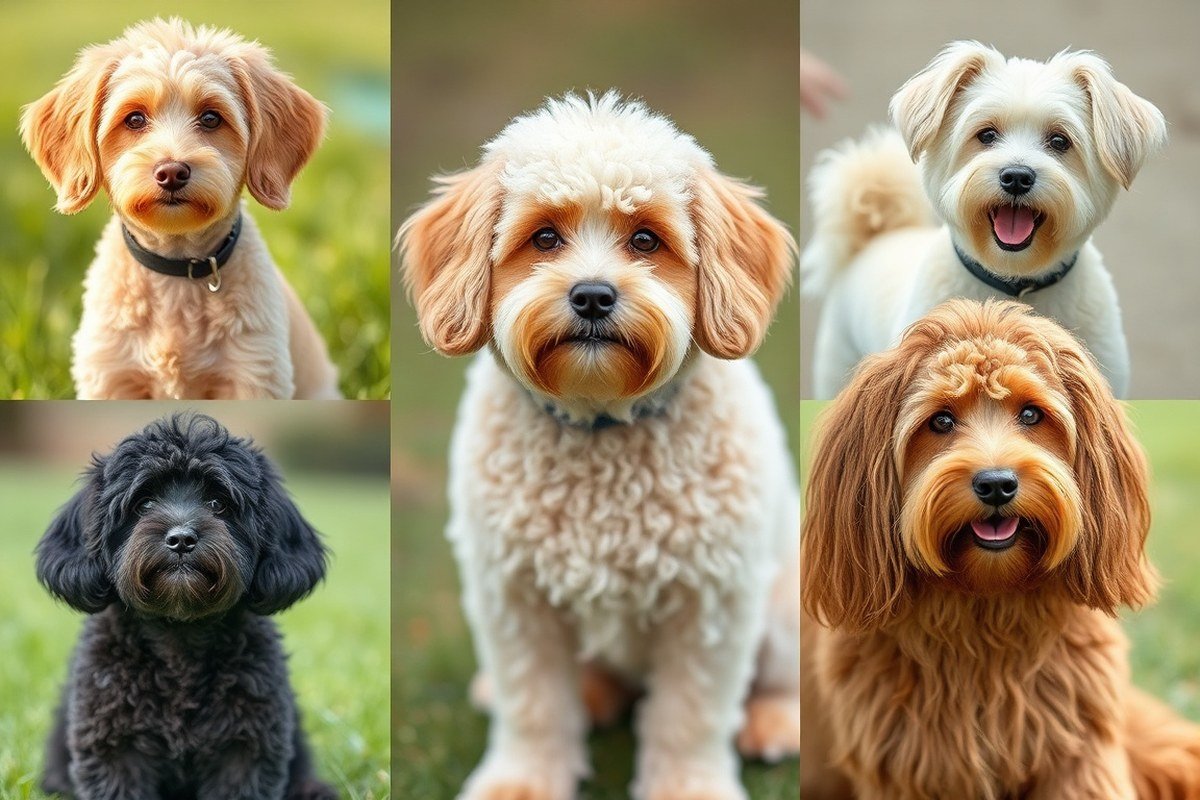
Bathing frequency varies significantly based on your dog’s breed and coat type. Short-haired breeds typically need less frequent baths, while curly or double-coated breeds require more regular care to maintain skin and coat health. Adjusting bath schedules according to these factors will keep your dog comfortable and clean without overbathing.
Short Coats and Recommended Frequency
Dogs with short, smooth coats such as Beagles, Boxers, and Labs usually need baths every 6 to 12 weeks. These coats shed dirt easily and don’t trap moisture or debris, so weekly brushing is often enough to keep them clean. Overbathing short-haired dogs can strip oils and lead to dry or irritated skin, so aim to bathe only when they are visibly dirty or have an odor.
This group of dogs often spends less time grooming themselves, so regular brushing supports skin health and reduces the need for baths. Short coats dry quickly and respond well to less frequent washing, which helps retain their natural oils.
Long, Curly, and Double Coats Explained
Long, silky coats like those of Yorkies, Maltese, and Shih Tzus require baths every 4 to 6 weeks. These dogs need detangling before every bath to prevent matting and skin issues. Double-coated breeds such as Huskies, Golden Retrievers, and German Shepherds typically receive baths every 6 to 12 weeks. Their thick undercoat acts like insulation, retaining oils and moisture, but these coats may need more frequent baths during shedding seasons.
Curly- or wooly-coated breeds such as Poodles, Doodles, and Bichons benefit from baths every 3 to 4 weeks due to their tendency to mat. Wire-coated dogs like West Highland Terriers and Schnauzers fall between these groups, requiring baths every 6 to 8 weeks.
| Coat Type | Example Breeds | Bathe Every | Key Note |
|---|---|---|---|
| Short, smooth | Beagle, Boxer, Lab | 6 to 12 weeks | Sheds dirt easily, brush weekly instead |
| Long, silky | Yorkie, Maltese, Shih Tzu | 4 to 6 weeks | Detangle before every bath |
| Double coat | Husky, Golden, German Shepherd | 6 to 12 weeks | Bathe more during shedding season |
| Curly or wooly | Poodle, Doodle, Bichon | 3 to 4 weeks | Prone to matting, needs routine care |
| Wire coat | West Highland Terrier, Schnauzer | 6 to 8 weeks | Requires regular grooming |
Adjusting bathing schedules based on your dog’s coat type helps prevent skin dryness or irritation, while keeping their fur healthy and manageable. The right frequency supports natural oils and reduces the risk of matting or odor.
Breed-Specific Bathing Tips and Exceptions
Some breeds need tailored bathing schedules. For example, Golden Retrievers, with their thick double coats, do well with baths every 2 to 3 months. Poodles require baths every 1 to 2 months due to their curly, non-shedding coats that mat easily. Beagles, having short, smooth coats, generally need baths every 3 to 4 months.
Activity level also plays a role, dogs that spend time outdoors or are prone to dirt and debris may need more frequent baths. Avoid frequent baths on dogs with sensitive skin or certain skin conditions unless recommended by a veterinarian.
Use a gentle, pH-balanced shampoo specific to your dog’s coat type to avoid drying out their skin during baths.
What Signs Indicate Your Dog Needs a Bath Right Now?
You can tell your dog needs a bath if they have a noticeable odor, visible dirt or mats, or if their skin looks irritated. These signs go beyond routine bathing schedules and indicate that a bath is necessary to keep your dog clean and comfortable. Paying attention to your dog’s smell, coat condition, and behavior can help you decide exactly when to bathe them.
Recognizing Strong Odor and Dirt Buildup
A strong, unpleasant smell coming from your dog is one of the clearest signals it’s time for a bath. Dogs develop odors from bacteria and dirt accumulating on their skin and coat. The smell often comes before other signs are visible. Check your dog’s coat closely; dirt, debris, or stains may be obvious, especially after outdoor activities or visits to muddy areas. A greasy feel to the coat also shows excess oils or grime that water alone won’t remove without shampoo.
Checking for Skin and Coat Changes
Look for signs like matting or clumping fur, visible grease, or dirt patches. Your dog’s coat may need a bath when it looks dull or brittle rather than shiny. Increased scratching or chewing at the skin signals potential irritation or buildup causing discomfort. It’s important to watch out for changes in skin color or texture, redness, or rash presence, which require vet advice rather than just more frequent baths. For dogs without skin conditions, dirt and grease buildup are the main bath triggers.
Behavioral Signs to Watch For
Sometimes your dog’s behavior tells you a bath is overdue. Dogs may rub against furniture, carpets, or the floor more than usual to relieve itchiness or to try removing dirt. Excessive scratching, licking, or chewing can point to a need for cleaning or a skin issue that needs vet evaluation. Reluctance to be petted or signs of restlessness might also mean discomfort from dirt or possible irritants caught in the coat.
Bath Time Checklist for Immediate Needs
Use this checklist to decide if your dog needs a bath right now:
- Strong, unpleasant odor noticeable even without close sniffing
- Visible dirt, mud, or debris stuck in fur
- Greasy or sticky coat texture
- Fur is matted or clumped
- Frequent scratching, licking, or chewing at skin
- Stains or discoloration on the coat
- Rubbing against objects to relieve itchiness
Cover all these points helps prevent guesswork. Spotting several signs together usually means your dog needs a bath sooner rather than later.
Knowing When to Follow Your Schedule or Bathe Immediately
Dogs with normal skin and short coats often don’t need baths unless these signs appear. You might follow a regular bathing schedule but adjust it when odors or dirt become obvious. Dogs active outdoors or with longer coats might show buildup faster than indoor dogs. Avoid frequent bathing without need because over-bathing can dry the skin and dull the coat.
For dogs with skin conditions, follow your vet’s bath timing and product instructions. Skin diseases sometimes cause odor and itching, requiring medicated baths at vet-recommended intervals. Always check with your vet if your dog’s skin gets worse or new symptoms develop between bath times. Appropriate shampoos and thorough rinsing improve the condition, while incorrect care can prolong discomfort.
How Age, Lifestyle, and Skin Conditions Affect Bathing Frequency
Puppies have more delicate skin than adult dogs, so bathing them too often can strip natural oils and cause dryness or irritation. Most vets recommend gentle baths only when puppies are visibly dirty or smelly, generally no more than once a month during the first few months of life. Use a mild puppy shampoo and warm water between 85°F and 90°F to protect their sensitive skin. Seniors also need careful consideration; their skin tends to thin and dry out with age. Frequent bathing can worsen these issues, so limit baths to every 6 to 8 weeks unless your vet advises otherwise. Monitor for any signs of itching, redness, or discomfort since aged skin demands more hydration and sometimes medicated shampoos prescribed by your vet.
Dogs who live mostly indoors with low activity levels usually need fewer baths, around every 6 to 8 weeks, because they don’t get as dirty or sweaty. Regular brushing helps remove loose hair and dirt, reducing the need for frequent washing. Conversely, dogs spending lots of time outdoors, especially those playing in woods, mud, or tall grass, may require baths every 3 to 4 weeks to wash off dirt, allergens, and parasites. Outdoor dogs with long or thick coats need extra attention to prevent matting and skin infections. After outdoor adventures, a gentle rinse or spot cleaning can help maintain coat health without overbathing.
Skin allergies, dermatitis, or other skin conditions often require a more tailored bathing regimen. Some dogs with allergies need baths as often as once a week using medicated shampoos prescribed by a veterinarian to soothe inflammation and remove allergens like pollen or dust mites. These shampoos often contain ingredients that help restore the skin barrier and reduce itching. Be careful not to mix products without vet approval, and always follow the recommended frequency because too frequent washing, even with medicated shampoos, can dry out the skin. If your dog has hotspots, fungal infections, or bacterial issues, a vet might suggest even more frequent baths coupled with topical treatments. Always consult your vet before changing your dog’s bathing schedule due to skin problems.
How to Bathe Your Dog Safely to Protect Skin and Coat
To bathe your dog safely while protecting their skin and coat, use warm water, dog-specific shampoo, and gentle techniques. Proper rinsing and thorough drying are essential to prevent irritation and maintain coat health.
Selecting Dog-Appropriate Shampoo
Choose a shampoo formulated specifically for dogs to avoid drying or irritating their skin. Dogs have a different skin pH than humans, so human shampoos can strip natural oils and cause dermatological problems. Look for pH-balanced shampoos suitable for your dog’s coat type, such as moisturizing formulas for dry or sensitive skin or medicated shampoos if recommended by a vet for allergies or infections.
Avoid products with harsh chemicals, perfumes, or dyes that can cause discomfort. Some shampoos also contain soothing ingredients like oatmeal or aloe vera which help calm and moisturize the skin during and after the bath.
Bath Preparation and Water Settings
Prepare the bathing area with all supplies within reach to keep your dog calm and safe. Use lukewarm water, neither hot nor cold, as water temperature affects your dog’s skin and coat health. Hot water can strip oils, while cold water may be uncomfortable. Aim for about 90°F (32°C) to 100°F (38°C), similar to comfortably warm bathwater for humans.
Place a non-slip mat in the tub or sink to prevent slipping. Brush your dog gently before the bath to remove loose hair and mats, which helps shampoo reach the skin evenly.
Proper Shampoo Application and Rinsing
Follow these steps to shampoo and rinse thoroughly without causing irritation:
- Wet the coat completely with warm water, avoiding water in the eyes, ears, and nose.
- Apply a small amount of dog shampoo, starting at the neck and working toward the tail, gently massaging it into the coat to create a lather.
- Pay close attention to commonly dirty areas such as the paws, underbelly, and rear, but avoid over-scrubbing which can irritate the skin.
- Let the shampoo sit for a minute or two if the product instructions recommend it for optimal cleaning.
- Rinse thoroughly with warm water to remove all shampoo residue, as leftover soap can cause dryness and itching.
- Consider applying a soothing rinse such as an oatmeal or aloe vera spray to calm the skin.
Never rush rinsing, soap left in the fur can dry out your dog’s skin and cause irritation.
Drying and Post-Bath Coat Care
Start drying your dog immediately after the bath to avoid chills and skin issues caused by trapped moisture. Use a clean, absorbent towel to blot wet areas without rubbing harshly, which can cause tangling or skin irritation.
For dogs with thick or long coats, a pet-safe blow dryer set on low heat and low airflow can speed drying. Keep the dryer moving continuously to prevent heat spots. Avoid using human hair dryers on high heat. Once dry, brush the coat gently to detangle and restore natural shine.
Choosing the Right Shampoo and Products for Frequent Baths
Choosing the right shampoo for frequent dog baths is important because many shampoos can strip natural oils and irritate your dog’s skin. Dog shampoos are specially formulated with a pH balanced for canine skin, which is different from human skin. Human shampoos tend to have a lower pH designed for people, and using them on dogs, especially on sensitive areas like the face or ears, can cause dryness, redness, or allergic reactions. Experts advise against using any human shampoo on dogs and recommend dog-specific products instead.
For dogs with normal skin, look for shampoos labeled as mild or gentle and made with plant-based ingredients. These shampoos clean without disrupting the skin’s protective barrier. Frequent baths using these products should not cause dryness or itchiness if done correctly. They typically cost between $8 and $15 for a mid-sized bottle, which lasts for several baths depending on your dog’s size. Avoid products with harsh detergents, artificial fragrances, or dyes, as these can irritate frequent bathers’ skin.
Dogs with sensitive skin, allergies, or certain skin conditions should be bathed with shampoos made for sensitive skin or medicated shampoos recommended by a veterinarian. Medicated shampoos contain ingredients to treat infections, hot spots, or dermatitis but should only be used according to your vet’s instructions. Using medicated shampoos more often than recommended may worsen symptoms. Shampoos for sensitive skin usually exclude fragrances and harsh chemicals and often contain soothing additives such as oatmeal or aloe vera. These shampoos typically cost $12 to $20.
Waterless or no-rinse dog shampoos can be a helpful option between baths. These shampoos freshen your dog’s coat without frequent water exposure and are usually formulated to be gentle on skin and coat. Use these products when you need a quick clean-up or to reduce the frequency of full baths, especially if your dog is prone to dry skin or discomfort from bathing. Follow the product instructions exactly to avoid leaving residues that can irritate skin.
Avoid using human shampoo on your dog because its pH balance differs from a dog’s and can cause skin irritation or damage. Choose dog-specific products based on your dog’s skin type and health needs: mild, plant-based shampoos for general use, medicated shampoos for health conditions under veterinary guidance, and waterless shampoos for occasional freshening. Watch how your dog’s skin reacts; signs of redness, itchiness, or dry flakes usually mean you need to switch to a gentler product or reduce bathing frequency. Always consult your vet if you notice persistent skin problems after changing shampoos or bathing routines.
How Brushing and Grooming Reduce the Need for Frequent Bathing
Regular brushing is one of the best ways to keep your dog’s coat clean and healthy without needing frequent baths. Brushing helps remove loose hair, dirt, and debris, preventing matting and tangles that can trap odors and cause discomfort. A clean, well-brushed coat also shines better because the natural oils from the skin are spread evenly across the fur, protecting the skin and maintaining moisture.
The frequency of brushing depends on your dog’s coat type. Dogs with short coats typically benefit from brushing once or twice a week, while long-haired or double-coated breeds often require daily brushing to prevent mats and reduce shedding. For example, a Labrador Retriever with a short coat may do well with brushing twice weekly, whereas a Golden Retriever with a thick, long coat needs daily attention.
- Brush your dog at least two to three times a week for short coats, and daily for long or thick coats.
- Use a slicker brush or undercoat rake for thick or double-coated breeds to remove loose fur effectively.
- Regularly comb through tangles and mats before they worsen, especially behind ears and under legs.
- Wipe your dog’s coat with a damp cloth or pet-safe grooming wipe between brushes to remove surface dirt.
- Trim hair around paws and sanitary areas to reduce dirt accumulation and matting.
- Introduce grooming gradually if your dog is new to brushing to build their comfort and cooperation.
Brushing is also effective for managing shedding by collecting fur before it falls off naturally. This reduces the amount of loose hair around your home and keeps your dog more comfortable. Skin oils stay balanced because you avoid overwashing, which can strip these oils and lead to dryness or irritation. Instead, you maintain a protective barrier that supports healthy hair growth.
Appropriate grooming techniques, including trimming and de-matting, improve coat condition and cut down on the dirt and oils that accumulate between baths. Hairless breeds or dogs with sensitive skin might still need more frequent baths, but for most dogs, a consistent brushing routine means you can safely space out baths, saving time and reducing the risk of drying out your dog’s skin and coat.
When to Consult a Veterinarian or Professional Groomer About Bathing
Determining when to seek expert advice follows a simple decision rule: regular baths with appropriate shampoo are fine until signs of distress appear. Your dog’s unhealthy skin or changes in behavior like more scratching, licking, or discomfort calls for immediate veterinary consultation. Discuss with your vet any plans to use medicated shampoos and follow their recommended bathing frequency strictly. For example, a dog with dry skin might need less frequent baths with a moisturizing shampoo, while a dog with a yeast infection might require medicated baths twice weekly until cleared. This tailored approach helps avoid overbathing that strips the skin’s natural oils or underbathing that worsens skin issues. Always share information about your dog’s lifestyle, allergies, and current skin condition when consulting professionals. This data allows them to recommend the best bathing products and schedule for your pet’s health and comfort. When a vet prescribes medication or special shampoo, plan for several weeks of treatment, with medicated shampoo costing between $20 and $60 per bottle. Using these products correctly should show improvement in skin condition within 1 to 2 weeks, while failure to improve or new symptoms need prompt reevaluation. Never use medicated shampoos longer than recommended without checking with your vet, as overuse can irritate your dog’s skin further.
Step-by-Step Action Plan for Healthy Dog Bathing
Follow these steps to establish a bathing routine that keeps your dog clean without harming their skin or coat.
- Before You Start: Gather gentle, dog-specific shampoo and a brush suited for your dog’s coat type. Check your dog’s skin for any irritations or signs of dryness to avoid worsening issues.
- Day 1: Bathe your dog using lukewarm water and the chosen shampoo, focusing on avoiding the eyes and inside the ears. Success is a clean coat without redness or scratching afterward.
- Week 1: Brush your dog daily to remove loose hair and prevent matting, which reduces the need for extra baths. You’ll notice less fur buildup and fewer odors between baths.
- Week 2: Assess your dog’s skin and coat health; if signs of dryness, irritation, or strong odor appear, consider scheduling a bath or vet visit. Healthy skin looks smooth and feels elastic.
- Month 1: Adjust bathing frequency based on breed, lifestyle, and skin condition, most dogs do well with a bath every 4 to 8 weeks. Avoid over-bathing to keep natural oils intact.
- Ongoing: Consult your veterinarian or professional groomer if your dog has persistent skin problems or if you’re unsure about shampoo products. Professional advice helps you customize care correctly.
Frequently Asked Questions
Can You Bathe a Dog Too Much?
Yes, bathing a dog too often can strip natural oils, causing dry, irritated skin. Limit baths and use gentle shampoos to maintain healthy skin and coat.
How Often Can I Bathe My Dog with Sensitive Skin?
Weekly bathing may irritate sensitive skin; it’s better to bathe less often and use specially formulated shampoos. Consult your vet for the best routine.
Is Bathing My Dog Daily Ever Recommended?
Bathing daily is usually excessive and can harm the skin barrier unless directed by a vet for special conditions. Clean spots with wipes instead.
Can Cold Water Be Used Safely for Dog Baths?
Yes, cold water is safe if your dog tolerates it, but lukewarm water is preferable for comfort and cleaning effectiveness.
Will Frequent Baths Reduce My Dog’s Shedding?
Frequent baths do not stop shedding, which is a natural skin process; gentle grooming is a better way to manage loose hair.
Can I Use Human Shampoo on My Dog?
Human shampoos are not recommended as they can disrupt a dog’s skin pH, leading to irritation and dryness. Use dog-specific shampoos instead.
Wrapping Up
Bathing your dog too often can strip their skin of natural oils, causing dryness and irritation. Adapting bath frequency to your dog’s breed, lifestyle, and condition protects their coat and comfort. Start by observing your dog closely and only bathe when signs show it’s necessary. Taking this simple step ensures your dog stays clean and healthy without unnecessary baths.


