

How to Groom a Golden Retriever at Home: A Complete Step-by-Step Guide
Grooming a Golden Retriever at home requires regular brushing, occasional bathing, nail trimming, and care for ears and coat to keep your dog healthy and comfortable. You’ll need the right tools like an undercoat rake and clippers, plus a consistent routine tailored to your dog’s unique coat needs. How to groom a Golden Retriever at home varies by age and coat condition, but maintaining a clean, brushed, and healthy coat is essential.
This guide is for Golden Retriever owners looking to manage their dog’s grooming between professional visits or who prefer a DIY approach. You’ll find clear advice on tool choices, brushing techniques, bathing steps, trimming nails, and handling shedding to keep your Golden’s coat looking its best year-round.
Key Takeaways
- Brush your Golden Retriever’s coat 2 to 3 times per week to prevent mats and control shedding effectively.
- Use an undercoat rake priced around $15 to $30 to reach and remove loose fur from the dense undercoat.
- Bathe your Golden every 6 to 8 weeks with dog-specific shampoo, or apply dry shampoo between baths if preferred.
- Trim nails carefully and feathering cautiously or seek professional help if unsure to avoid injury or uneven cuts.
- Clean your dog’s ears and eyes regularly with appropriate wipes to prevent infections or irritation.
- Blow dry your Golden on a low heat setting after baths to keep the coat fluffy and reduce matting risks.
Essential Tools for Grooming a Golden Retriever at Home

To groom a Golden Retriever thoroughly at home, you’ll need a specific set of tools designed for their thick double coat and grooming needs. Start with a slicker brush and a stainless-steel comb. The slicker brush removes mats and prevents tangles in the dense undercoat, while the comb helps detangle finer hairs and checks for remaining knots after brushing. These two brushes together ensure you protect the insulation the coat provides without damaging it.
Nail care requires either nail clippers or a nail grinder. Clippers are the fastest way to trim nails but can cause sharp edges if not smoothed. Grinders offer more control and smoother finishes but may be noisy and take more time. Both tools work well for Golden Retrievers, so choose based on your comfort and your dog’s tolerance.
For trimming fur, scissors and thinning shears are the best picks. Clippers usually aren’t needed for a Golden Retriever’s coat. Scissors allow you to neaten feathering on the legs and tail and trim any stray hairs without cutting too close to the skin. Thinning shears help blend trimmed areas so the coat looks natural.
Choosing the right shampoo also plays a important role. Use a dog-specific shampoo that supports the double coat’s health; look for gentle formulas that clean without stripping natural oils. A quality shampoo will help keep the coat shiny and healthy and reduce the risk of skin irritation.
- Slicker brush: removes mats and tangles in the undercoat
- Stainless-steel comb: detangles and checks for knots
- Nail clippers or grinders: trims nails safely, clippers are quicker, grinders smoother
- Scissors and thinning shears: trims feathering and blends fur naturally
- Dog shampoo: gentle, moisturizing, and suitable for double coats
- Optional: hair dryer for drying coat after bathing
- Ear cleaner and wipes: maintains ear and eye hygiene
Puppy Golden Retrievers need a gentler approach with softer brushes and careful handling of nails and fur trimming since their skin and coat are more sensitive. Adults tolerate firmer brushing and regular trimming more easily. Investing in a grooming kit that bundles these essential tools can range from $50 to $150, but picking individual higher-quality items tailored to your dog’s needs may be better. Good results show as a smooth, tangle-free, healthy coat without skin redness or irritation, neatly trimmed nails with no splitting, and clean ears and eyes. Avoid brushing aggressively or over-trimming as that can damage the coat or hurt your dog.
How to Brush Your Golden Retriever Effectively
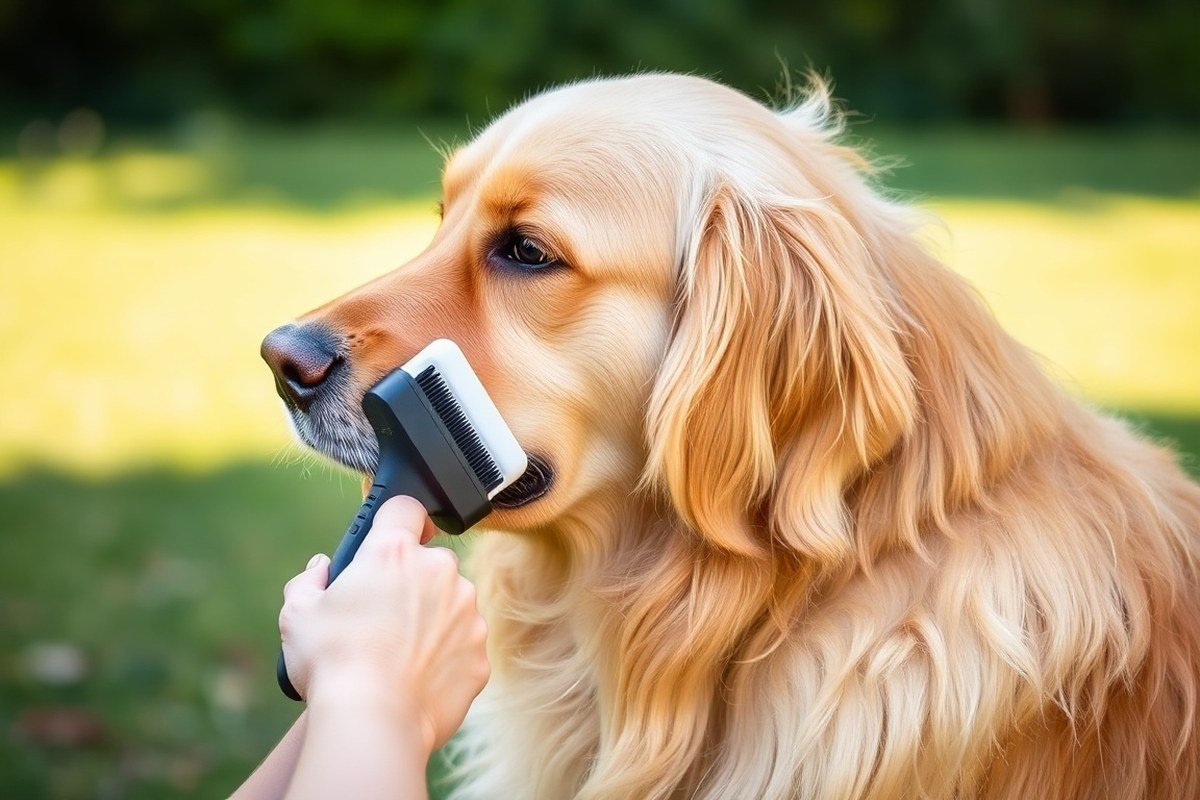
Regular brushing of your Golden Retriever hair once a week maintains coat health, prevents mats, and reduces shedding. During heavy shedding in spring and fall, brush daily to clear loose undercoat and limit fur spread at home.
Brushing Frequency by Season
Brushing frequency changes with the seasons due to your dog’s shedding patterns. In spring, your Golden blows its thick winter undercoat, so daily brushing with a rake helps remove loose fur. The same applies in autumn when the summer coat sheds. During summer and winter, brush two to three times per week to maintain a tangle-free coat and tidy feathers.
Besides seasonal changes, increase brushings after outdoor activities like swimming or playing in dirty areas to remove debris and prevent matting. Pay attention to your dog’s coat condition and skin, if you see tangles or dry patches, brushing more frequently can help.
Step-by-Step Brushing Technique
Use a systematic approach from head to tail to prevent mats and smooth out the coat. Start with gentler tools and work your way to undercoat rakes, giving your dog breaks if it seems uncomfortable.
- Choose the right brush based on shedding season (slicker brush for heavy shedding, bristle brush for general use).
- Begin brushing at the head, moving toward the tail using long, gentle strokes following the hair direction.
- Brush feathering areas like ears, chest, legs, and tail with a gentle comb to prevent tangles.
- Use an undercoat rake on neck, chest, and hindquarters to remove loose undercoat, especially during blow seasons.
- Check for mats behind ears, armpits, and under legs, gently teasing them apart with your fingers or a dematting tool.
- Finish by brushing the coat again with a bristle brush to smooth the hair and distribute natural oils.
- Reward your dog with praise or treats to make grooming a positive experience.
Don’t apply too much pressure when brushing; pulling mats harshly can hurt your Golden’s skin and create anxiety for future grooming sessions.
Managing the Undercoat
The undercoat of a Golden Retriever is dense and soft. It traps dead fur that causes mats and heavy shedding if not removed regularly. Safely managing undercoat means avoiding shaving or clipping close to skin; this can damage the coat and reduce its natural insulation.
Use a quality undercoat rake or de-shedding tool two times per week during coat blow seasons and once a week otherwise. Gently pull out loose fur without digging into the skin. Over-brushing can irritate the skin, so balance thoroughness with care.
Tools for Different Coat Areas
Choose your tools based on coat type and location. Slicker brushes excel during shed season because their fine wire bristles pull loose hair and dirt. For routine brushing, a bristle brush smooths the coat and massages your dog’s skin.
Combs work best on feathering around ears, chest, legs, and tails, reducing tangles and mat formation in these finer areas. Undercoat rakes target thick areas like the neck, chest, and hindquarters for deeper fur removal.
Use a separate soft comb for delicate feathering areas to prevent accidental tugging or hair breakage common with slicker brushes or rakes.
Bathing Your Golden Retriever at Home: Step-by-Step
Bathe your Golden Retriever every 4 to 6 weeks using lukewarm water and a dog-specific shampoo to keep its coat healthy and skin free from irritation. Avoid over-bathing to prevent dryness. Focus on gentle shampooing, thorough rinsing, and safe drying methods to protect your dog’s skin and coat.
Preparing for Bath Time
Gather all grooming tools before starting, including a slicker brush, dog shampoo, and towels. Make sure the bathing area is warm and draft-free to keep your dog comfortable. Brush your Golden Retriever to detangle any mats and remove loose hair, which helps prevent clogged drains and improves shampoo effectiveness.
Use a non-slip mat in the tub or bathing area to keep your Golden steady and reduce stress. Trim nails beforehand if needed, to avoid scratches during splashing. Ensure the water temperature is lukewarm, roughly between 90°F and 100°F, which feels warm to the skin but not hot enough to cause burns or discomfort.
Choosing and Applying Shampoo
Select a shampoo formulated specifically for dogs, as their skin pH differs from humans. Hypoallergenic or oatmeal-based shampoos work well for sensitive Golden Retriever skin. Avoid human shampoos, which can disrupt the natural oils and cause irritation or dryness.
Apply a small amount of shampoo initially, working it into a light lather starting at your dog’s neck. Gently massage the coat and skin without harsh scrubbing. Adding more shampoo as needed will help clean thoroughly, but focus on being gentle near the face and ears to avoid discomfort or water getting into ears.
Proper Rinsing Techniques
Rinse your Golden Retriever thoroughly with lukewarm water, making sure to remove all shampoo residues. Leftover shampoo can dry out and irritate the skin, so spend extra time rinsing under the belly, around the neck, and in the thick feathering on the legs and chest.
Use a handheld showerhead or a cup to control water flow and avoid startling your dog. Check water temperature periodically to maintain comfort. If your dog is particularly dirty or has loose hair, consider using a bathing brush during rinsing to help lift shedding coat and dirt out of the fur.
Drying Safely Without Skin Issues
Dry your Golden Retriever promptly and thoroughly to avoid moisture buildup that can cause hot spots or infections. Start with absorbent towels, pressing down gently without rubbing to remove excess water. For longer-haired dogs, towel drying may not be sufficient alone.
A human blow dryer on a low, cool setting is an option, especially for puppies to get used to from an early age. Keep the dryer moving constantly and maintain several inches of distance from the skin. Avoid high heat, which can damage the coat or cause burns. Allow your Golden to air dry in a warm environment if blow drying is not possible.
- Brush your Golden Retriever’s coat to remove tangles and loose fur before bathing.
- Fill the tub with lukewarm water, around 90°F to 100°F.
- Wet your dog thoroughly, avoiding the eyes and inside of the ears.
- Apply dog-specific shampoo, lather gently starting at the neck, and massage through the coat.
- Rinse completely with lukewarm water, ensuring no shampoo residue remains.
- Dry your dog with towels first, then use a low-cool human blow dryer or air dry in a warm, draft-free area.
Trimming Nails and Feathering Safely at Home
Trimming your Golden Retriever’s nails and feathering is essential to keep them comfortable, healthy, and looking their best. Nails should be trimmed every 3 to 4 weeks to prevent overgrowth, which can cause pain or walking difficulties. For trimming nails, use a pet-safe nail clipper and trim just the tips to avoid cutting the quick, which contains nerves and blood vessels. Trim small amounts at a time to avoid cutting the quick. Stop trimming when you notice a darker center in the nail or feel resistance to prevent pain or bleeding.
Feathering refers to the longer fur on the legs, tail, chest, and belly that should be shaped gently every 6 to 8 weeks to keep a neat yet natural appearance. Use thinning shears designed for dogs to reduce bulk without fully removing the hair, which helps maintain the Golden’s coat texture. For the legs and feet, gently push the fur around the pads down and trim carefully between the toes to avoid matting and debris. Light trimming on the ears and tail helps your dog look well-groomed without damaging the fur. Scissors or thinning shears offer more control and a softer finish than clippers on delicate feathering. Follow these steps for safe, effective trimming:
- Gather pet-safe nail clippers and thinning shears. Ensure your tools are sharp and clean to make precise cuts without pulling hair or causing injury.
- Inspect your dog’s nails and coat in good light. Identify nails that have grown past the paw pads and feathering areas needing shaping.
- Hold your dog’s paw securely and gently push fur away from paw pads. This exposes the nails and foot hair clearly for trimming.
- Trim nails carefully one at a time. Clip small tips, avoiding the quick. Use a styptic powder nearby in case of accidental bleeding.
- Comb feathering on legs and tail to detangle. Then use thinning shears to trim stray long hairs, focusing on shaping rather than removing volume.
- For tail feathering, twist the last 5 to 6 inches of hair tightly to expose layers, then trim evenly along the edges for a tidy finish.
- Trim fur around the bottom of the feet by pushing hair back and cutting excess. Avoid cutting too close to pads to prevent irritation.
- Check for any uneven spots and touch up carefully. Reward your dog throughout to keep the experience positive.
Trimming at home costs little beyond the initial purchase of quality clippers and shears, usually about $15 to $30 each, and some patience. Avoid trimming aggressively, which can damage your Golden’s soft feathering or cause nail injury. Choosing a professional groomer is smart if your dog is restless or you don’t feel confident trimming nails and feathering yourself. This helps keep your Golden’s grooming safe and effective.
Cleaning and Caring for Your Golden Retriever’s Ears and Eyes
Golden Retrievers have floppy ears that can trap moisture and debris, making them prone to ear infections if not properly maintained. Cleaning your dog’s ears regularly, about once a week, helps prevent infections and discomfort. Use a vet-recommended ear cleaning solution, avoiding harsh substances like alcohol or hydrogen peroxide, which can irritate the delicate skin. For the eyes, gentle wiping with a damp cloth helps remove any discharge and keeps the area clean.
Signs of an ear infection include redness, swelling, dark discharge, unpleasant odor, shaking of the head, or signs your dog is scratching or rubbing their ears. If you notice any of these, contact your veterinarian promptly. It’s important not to insert cotton swabs or any objects deep into the ear canal, as this can cause injury or push debris further in.
Use a damp cotton ball or pad with the ear cleaner to wipe the outer ear. For eyes, only clean around the eyelids, never touch the eyeball itself. Dry the ears thoroughly after swimming or bathing to reduce the risk of infection. Keeping up with this small routine supports your Golden Retriever’s comfort and health. Follow these steps to clean your dog’s ears and eyes safely:
- Inspect the ears for redness, swelling, discharge, or foul smell.
- Apply a small amount of vet-approved ear cleaning solution onto a cotton ball or pad.
- Gently wipe the inside of the ear flap and the entrance to the ear canal, avoid pushing inside.
- Repeat on the other ear with a clean cotton ball or pad.
- Use a damp cloth to gently wipe away any discharge or crust around the eyes.
- Dry the ears thoroughly with a soft cloth after cleaning or after your dog gets wet.
- Observe your dog for signs of discomfort, excessive scratching, or changes in behaviour.
Never insert cotton swabs or objects deep into your Golden’s ears to avoid injury; use only vet-approved cleaners and gentle wiping for safe ear and eye care.
Managing Shedding and Seasonal Coat Changes
Golden Retrievers experience the heaviest shedding twice a year, typically in spring and fall. This seasonal shedding, called a blowout, happens as they lose their winter or summer undercoat to prepare for temperature changes. Managing this requires more frequent grooming and specific steps to keep your dog comfortable and maintain a healthy coat year-round.
During shedding seasons, daily brushing becomes essential. It helps remove loose fur before it falls around your home and prevents mats and tangles from forming. A deshedding tool or a slicker brush designed for undercoats works best to reach dead hair beneath the topcoat. In addition to brushing, performing a thorough blowout bath every few weeks can significantly reduce shedding.
For deshedding baths, use a gentle dog shampoo formulated for shedding control. After soaking and lathering, use a deshedding mitt or brush while rinsing to help lift loose fur from the undercoat. Thorough rinsing and blow drying afterward ensure the loose hair is removed completely. Drying your Golden Retriever at about 70°F until the coat is fully dry helps prevent skin irritation and maintains coat health.
| Season | Shedding Intensity | Recommended Grooming Frequency | Bathing & Blowout |
|---|---|---|---|
| Spring | Heavy | Daily brushing; weekly thorough grooming | Deshedding bath every 3-4 weeks |
| Summer | Light to moderate | 3-4 times per week brushing | Bath as needed, typically monthly |
| Fall | Heavy | Daily brushing; weekly thorough grooming | Deshedding bath every 3-4 weeks |
| Winter | Light | 2-3 times per week brushing | Bath as needed, about monthly |
Adding Omega-3 fatty acids from fish oil or flaxseed supplements to your Golden’s diet supports skin health and reduces excessive shedding. Good-quality protein is also necessary to maintain hair strength and shine. These diet changes can take several weeks to show results but help keep the coat smooth and soft.
Deciding when to bring in a professional groomer depends on how well you can manage the undercoat and skin health yourself. If you notice persistent matting, excessive shedding beyond seasonal norms, or if grooming takes more time than you can handle comfortably, scheduling a professional deshedding session can be worthwhile. Professional groomers use tools and techniques that remove loose undercoat deeply, saving you effort and reducing coat damage.
Blow Drying and Finishing Touches for a Groomed Look
Blow drying your Golden Retriever’s coat is recommended after bathing to prevent dampness that can cause skin issues and to achieve that smooth, shiny finish typical of the breed. Use a low or cool dryer setting to avoid overheating, and pay attention to areas needing trimming or feather teasing after the coat is dry to keep your dog looking tidy and comfortable. Making grooming a calm and positive experience encourages your dog to enjoy these sessions.
Choosing the Right Dryer Settings
Select a dryer designed for pets or use a handheld hair dryer set to the lowest heat or cool setting, as high heat can burn your Golden Retriever’s skin or damage the coat. Keep the dryer at least 6 inches away from the fur to prevent overheating and monitor your dog for signs of discomfort. A cooler setting takes longer but is safer and reduces stress for your dog.
The airflow strength should be adjusted based on your dog’s size and the thickness of the coat. For Golden Retrievers, a moderate airflow helps dry densely coated areas like the chest and underbelly without blowing too hard, which can frighten your dog. Consistent use of a grooming brush with the dryer helps remove loose hair and spreads natural oils for a healthy shine.
Step-by-Step Blow Dry Technique
Follow these steps to blow dry your Golden Retriever’s coat properly. The goal is to dry the coat evenly and thoroughly while keeping your dog relaxed.
- Place your dog on a grooming table or a non-slip surface to keep them steady.
- Start by towel-drying the coat to remove excess water and reduce drying time.
- Turn on the dryer to the low or cool setting and hold it about 6 to 10 inches away from the fur.
- Use a slicker or pin brush to gently lift the coat while directing airflow underneath, focusing on the chest, belly, legs, and tail, where the fur is thickest.
- Keep the dryer moving steadily to avoid any single spot becoming too hot.
- Dry the head area last, using extra caution around the eyes and ears.
- Observe your dog’s behavior throughout, give breaks or treats to keep them calm.
- Finish by running a comb through the coat to detect any remaining dampness or mats.
Trimming and Feathering After Drying
After the coat is completely dry, check for any uneven or overgrown areas that need trimming. Use straight scissors for blunt cuts on the paws, around the pads, and for the thick feathering on the legs and belly. Thinning shears are ideal for blending trims, especially where the coat is longest, such as near the tail and ears.
Pay special attention to the paws, trimming excess fur that can collect dirt or cause slipping. Feathering along the back of the legs and tail should appear natural and neatly shaped. Avoid cutting too much, the ideal look retains length while removing tangles and uneven ends.
Making the Session Stress-Free
Grooming can be enjoyable for your Golden Retriever with a few thoughtful steps. Start sessions in a quiet, comfortable area and keep grooming short to match your dog’s tolerance. Reward your dog frequently with treats and gentle praise to reinforce positive behavior.
Use slow, calm movements and speak softly to reassure your dog throughout drying and trimming. If your dog shows signs of stress, pause to allow rest and petting before continuing. Consistent grooming sessions help your dog get used to the process, making future sessions easier for both of you.
When to Call a Professional Groomer or Veterinarian
Some grooming tasks need a professional’s skills to avoid hurting your Golden Retriever or causing skin problems. Complex trimming, particularly around sensitive areas like the paws, sanitary regions, and feathering, usually requires experience and the right tools to achieve a neat finish without cutting too short. Removing severe matting also calls for a professional groomer’s expertise because trying to cut mats at home can lead to skin irritation or accidental cuts. Professionals can use specialized grooming scissors and clippers that reduce discomfort, saving time and stress for both you and your dog.
Recognizing signs of skin disease or infections is important. Watch for redness, swelling, lumps, sores, unusual odor, excessive scratching, or flaky and oily patches on the coat. If your dog has persistent dandruff or hot spots that don’t improve after home cleaning, it’s a signal to consult a veterinarian. Some infections require medical treatment beyond topical ointments or shampoo. Early vet visits can prevent conditions from worsening and causing long-term discomfort.
Warning signs that you should see a vet include your Golden showing signs of pain during brushing, frequent shaking of the head, paw licking, hair loss in patches, sudden changes in coat texture, or any discharge from the ears or eyes. Behavioral changes such as increased irritability or lethargy during grooming sessions may also indicate underlying health issues. When you notice these, avoid further grooming attempts at home and schedule a vet check to confirm the problem and get treatment recommendations.
Golden Retrievers typically benefit from professional grooming every 8 to 12 weeks. This schedule offers a good balance between regular home care and expert maintenance, keeping the coat manageable, nails trimmed, and ears cleaned professionally. Frequency may increase if your dog spends a lot of time outdoors or has a thicker coat prone to tangling. Professional groomers can also spot early skin or coat problems you might miss.
When choosing a groomer, look for someone who listens to your preferences and takes the time to explain what your pet needs. A good groomer prioritizes your Golden’s comfort and safety, using gentle handling and appropriate tools. Checking reviews, asking for recommendations from your vet, and visiting the grooming salon beforehand can help you find a trusted professional. Prices usually range from $50 to $90 per session depending on location and services.
Stop grooming and seek professional help if your Golden Retriever shows signs of pain, severe matting, or skin irritation that home care doesn’t improve after a few days.
Step-by-Step Action Plan for Grooming Your Golden Retriever at Home
Follow this simple plan to keep your Golden Retriever looking their best and feeling healthy with regular home grooming.
- Before You Begin: Gather all essential tools including a slicker brush, comb, dog shampoo, nail clippers, cotton balls, and a blow dryer. Having everything ready makes the process smoother.
- Day 1: Start with a thorough brushing session to remove tangles and loose fur. You’ll know it worked when your dog’s coat feels smooth and less fuzzy.
- Day 2: Bathe your Golden Retriever using lukewarm water and dog-specific shampoo. Successful bath time leaves the coat clean without any leftover soap residue.
- Day 3: Dry your dog completely with a blow dryer on a low heat setting while continuing to brush to prevent mats. The coat should be fluffy and dry to the touch.
- Day 4: Trim nails carefully, clipping small amounts at a time. Your dog’s nails should be shorter but without any white quick showing or bleeding.
- Day 5: Clean the ears and eyes by wiping gently with damp cotton balls, avoiding deep insertion. The ears and eyes should look clear and free from odor or discharge.
- Week 2: Address feathering and any uneven fur with careful trimming. You’ll see a neat, balanced coat outline without overcutting.
- Ongoing: Manage shedding by brushing regularly; increase frequency during seasonal coat changes. Less fur should come off on your clothing and furniture.
Frequently Asked Questions
Can I Groom My Golden Retriever Myself?
Yes, you can groom your Golden Retriever at home by brushing, bathing, and trimming its nails regularly. Using the right tools and following a grooming routine helps maintain your dog’s coat and hygiene between professional visits.
What Is the Silent Killer in Golden Retrievers?
The silent killer for Golden Retrievers is often cancer, especially hemangiosarcoma or lymphoma. Regular vet check-ups and monitoring for unusual lumps or behavior can help catch problems early.
Are You Supposed to Cut a Golden Retriever’s Hair?
Generally, you should trim the feathering and paws but avoid cutting the main coat heavily. The coat protects your dog from weather, so trimming too much can reduce this natural defense.
Are Golden Retrievers Easy to Groom?
Golden Retrievers need regular grooming because of their thick double coat, which sheds a lot. Brushing weekly and seasonal care make grooming manageable at home, although some owners prefer professional help every 6 to 8 weeks.
How Often Should I Bathe My Golden Retriever?
Bathe your Golden Retriever about every 4 to 6 weeks or when really dirty. Frequent baths can strip natural oils and dry the skin, so only bathe when necessary.
Can Trimming My Golden Retriever’s Nails Myself Cause Pain?
Yes, trimming nails improperly can hurt your dog if you cut the quick. Use proper clippers and trim small amounts gradually to avoid pain or bleeding.
Before You Go
Grooming your Golden Retriever at home keeps their coat healthy, reduces shedding, and helps you catch any skin or health issues early. Try focusing on one grooming step each day to build a routine that works for both of you. Start today by brushing your dog to boost comfort and coat condition right away.


