

Why Does My Dog Itch After a Bath? What Actually Causes It and How to Stop It
Your dog may itch after a bath because of shampoo residue, trapped moisture, or skin irritation from bathing habits. Choosing the right shampoo and drying your dog thoroughly can reduce itching. This article is for dog owners who notice their pet scratching soon after bathing and want clear solutions to stop the discomfort.
You will learn how shampoo ingredients and bathing frequency affect itching, why drying methods matter, common skin issues that contribute to post-bath itchiness, and home treatments to ease your dog’s discomfort. Understanding these factors helps you prevent itching and know when to seek veterinary care.
Key Takeaways
- Use a gentle, fragrance-free shampoo designed for dogs with live probiotics and aloe to protect the skin’s microbiome.
- Bath your dog every 1 to 2 weeks, adjusting based on coat type and activity level to avoid over-drying or buildup.
- Dry your dog thoroughly with a towel or low-heat dryer to prevent trapped moisture that causes itching and irritation.
- Check for underlying issues like allergies or fleas that could worsen itching after baths.
- Avoid harsh scrubbing or brush burn by using soft, specialized brushes like the CozyPaws™ Silicone Dog Brush on sensitive skin.
- Apply soothing sprays with oatmeal or aloe after baths if your dog remains itchy to calm irritated skin.
Why Does My Dog Itch After a Bath?
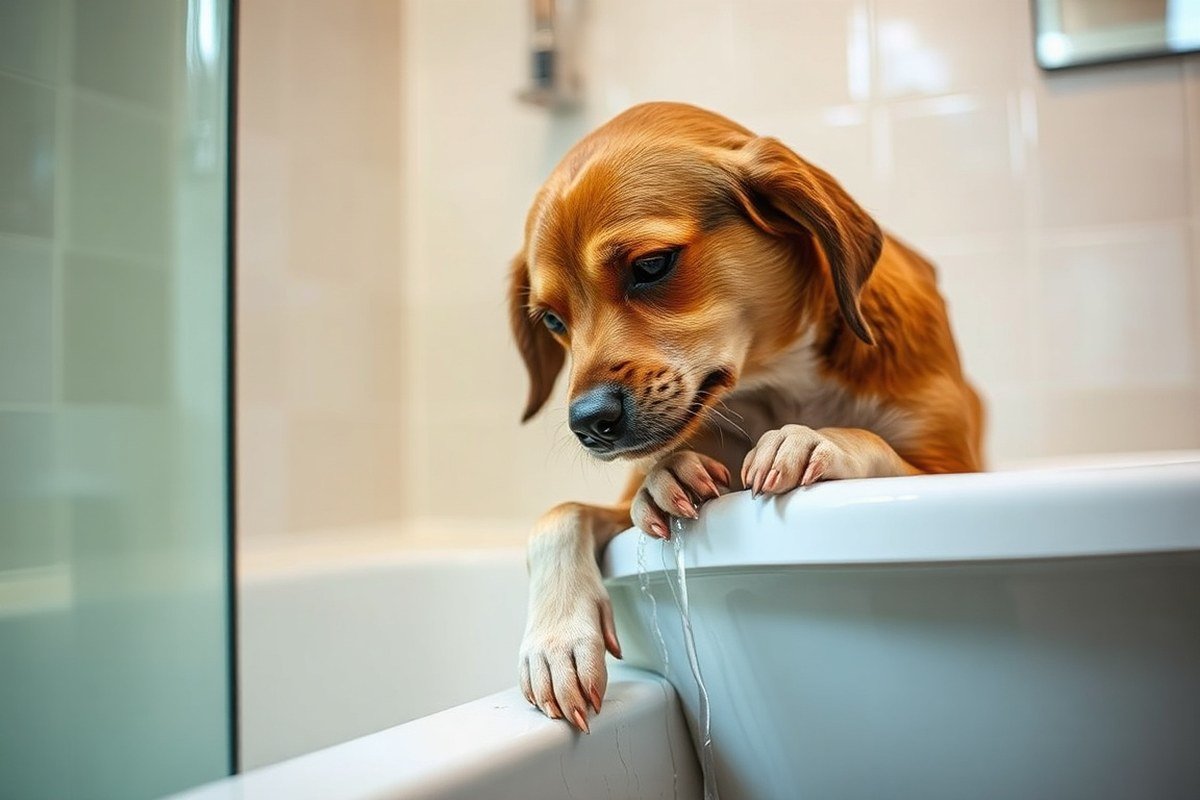
Itching often starts after a bath because bathing temporarily changes your dog’s skin environment. When you wash away dirt, oils, and debris that have built up, it exposes the skin more directly to the air and any underlying issues that were hidden. This sudden removal can disrupt the skin’s natural balance, which normally protects against irritation.
During a bath, the skin’s pH balance may shift, especially if the shampoo is not formulated for dogs. Their skin typically has a pH between 6.5 and 7.5, so using products with a higher or lower pH can dry out the skin or remove essential oils, leading to tightness and itchiness. Without these oils, the skin barrier weakens, making the skin more sensitive to allergens, environmental irritants, or even the shampoo ingredients themselves.
Removing dirt and oils is necessary, but it also exposes the skin to new potential irritants. Dirt and oils can act like a protective layer, helping trap moisture and shielding the skin from allergens. When these layers are washed away, allergens like pollen or dust that were on the coat can come into direct contact with the skin, triggering itching shortly after the bath. This reaction often happens within a few hours to a day after bathing, as the skin reacts to the sudden change.
Some dogs have skin that is already mildly compromised, but this condition remains unnoticed until the protective surface dirt and oils are removed. For example, a dog that is allergy-prone might only start itching after the bath reveals sensitive patches previously camouflaged. The bathing process can highlight these areas by causing redness or slight inflammation, even if itching wasn’t apparent before.
Also, improper drying after a bath can worsen itching. Moisture trapped close to the skin encourages irritation and may lead to discomfort. This is why fully drying the coat and skin carefully is critical. Paying attention to the drying method helps avoid this moisture buildup, which otherwise prolongs or intensifies itching by creating a moist environment where bacteria or yeast could grow.
When you bathe your dog, the key is to use a pH-balanced, soap-free shampoo designed for dogs to avoid stripping natural oils. Keeping baths at a frequency that maintains cleanliness without over-drying the skin, typically every 7 to 14 days for dogs with sensitive or allergy-prone skin, is ideal. Cutting back on harsh shampoos and ensuring thorough rinsing and drying can prevent the skin from becoming overly dry, which otherwise leads to itchiness post-bath.
Understanding these skin changes and triggers after bathing helps explain why itching starts afterward, not before. The washing process conquers visible dirt but may expose underlying sensitivities or cause temporary dryness and pH imbalance. Using gentle products and proper drying techniques makes a significant difference in minimizing itching and keeping your dog comfortable after every bath.
How Shampoo Type and Bathing Habits Impact Itching

Shampoos designed for humans can harm your dog’s skin because they have a different pH than canine skin, usually around 7.0 to 7.5, while dog skin pH ranges from 6.2 to 7.4 depending on breed. Human shampoos can disrupt your dog’s skin barrier, causing dryness, redness, and increased itchiness. Using a shampoo formulated specifically for dogs helps maintain healthy skin and coat balance. A pH-balanced dog shampoo supports your dog’s natural skin barrier, reducing irritation and the risk of secondary infections.
Shampoo ingredients also play a important role. Harsh detergents and fragrances can irritate sensitive skin or trigger allergic reactions. When washing your dog, use products without sulfates, parabens, artificial dyes, or strong fragrances. Look for shampoos labeled as gentle, hypoallergenic, or designed for sensitive skin. These typically contain soothing agents like oatmeal or aloe, which help calm irritation rather than cause it.
Bathing frequency matters, too. Bathing your dog too often can strip natural oils, leading to dryness and itching. Most dogs do well with baths every 4 to 6 weeks. Dogs with oily coats or outdoor lifestyles might need more frequent baths, but always use a gentle shampoo and rinse thoroughly to remove all residue. Dry your dog completely to prevent trapped moisture that worsens irritation. Here’s a comparison table of common shampoo ingredients and their effects on your dog’s skin:
| Ingredient Type | Effect on Dog’s Skin | Common Source | Recommendation |
|---|---|---|---|
| Sulfates (e.g., Sodium Lauryl Sulfate) | Can strip oils, cause dryness and irritation | Many human and budget shampoos | Avoid for dogs with sensitive skin |
| Fragrances and Dyes | May trigger allergic reactions and itching | Added for scent and appearance | Choose fragrance-free or natural scents |
| Oatmeal and Aloe Vera | Soothes skin and reduces inflammation | Hypoallergenic dog shampoos | Preferred for dogs prone to itching |
| PH-balanced Formulation | Supports skin barrier, prevents dryness | Quality dog shampoos | Essential for all bathing routines |
| Conditioners | Locks moisture, reduces dryness and tangling | Dog grooming products | Use after shampooing, especially for long coats |
After shampooing, spend 3 to 5 minutes gently massaging the lather into your dog’s coat. This allows active ingredients to work better. Next, rinse thoroughly with lukewarm water until it runs clear to remove all shampoo residue. Incomplete rinsing leaves behind irritants that cause itching. Avoid hot water as it can dry out skin. Finally, dry your dog properly with a towel or a pet-safe low-heat dryer. Proper drying prevents moisture trapped near the skin, which worsens itching.
Warning: Never use human shampoos on your dog, even if diluted, as they disrupt the skin’s pH and can cause severe irritation or allergic reactions.
Choosing the right shampoo for your dog’s coat type and skin sensitivity takes some trial and error but is important for long-term comfort. Always monitor your dog’s skin after baths for signs like redness, flaking, or persistent itching, which may mean a product change is needed. Regular brushing and cleaning between baths help maintain a healthy skin barrier and coat condition.
Why Trapped Moisture and Drying Methods Matter
Moisture trapped in your dog’s coat after a bath can lead to itching and even hot spots. Damp fur holds water close to the skin, creating a warm, moist environment where bacteria and yeast can grow. Proper drying minimizes this risk and helps keep your dog comfortable and itch-free.
Drying Short and Smooth Coats
Dogs with short, smooth coats like Boxers or Beagles dry relatively quickly but still need thorough drying to avoid irritation. Their minimal undercoat offers little protection from trapped moisture, which can cause itching and hot spots, especially near skin folds or under the tail. Follow these steps to dry short, smooth-coated dogs effectively:
- Use a large, absorbent towel designed for pets to blot excess water from the coat immediately after bathing.
- Gently squeeze any water trapped around skin folds or under the legs using your hands or the towel.
- If your dog tolerates it, use a pet-specific blow dryer on a low heat and low airflow setting, holding it at least 6 inches from the skin.
- Focus on drying the belly, underarms, and tail base where moisture lingers longest.
- Brush lightly with a soft bristle brush to separate the fur and help air circulate through the coat.
- Check the skin folds for dampness afterward and pat dry again if needed.
Handling Curly and Long Coats
Long-haired or curly coats, like those of Shih Tzus or West Highland White Terriers, require more care to prevent itching caused by trapped moisture. Thick fur holds water deeper near the skin, raising the risk for irritation and microbial growth. Regular brushing before and after baths can help. For these coats, drying should proceed as follows:
- Apply a microfiber towel or a high-absorbency pet towel to absorb water without rough rubbing.
- Work in sections, gently squeezing the fur to remove water near the skin without creating tangles.
- Use a conditioning detangling spray suited for your dog’s coat to ease brushing and reduce skin irritation.
- Use a wide-tooth comb or a soft grooming brush to gently detangle and allow air flow.
- Set a blow dryer to low heat and airflow, keeping it moving constantly to avoid overheating the skin.
- Dry the coat completely, paying attention to dense areas like under the legs, behind ears, and around folds.
Using Towels vs Blow Dryers Safely
Choosing between towel drying and blow dryers depends on your dog’s coat type, temperament, and sensitivity. Towels are inexpensive and reduce the risk of burns but can take longer, especially on thick coats. Blow dryers speed up drying but must be used carefully to prevent burns or stress. Here are some tips for safe drying:
- Select high-quality, super-absorbent microfiber towels or pet-dedicated drying towels, which cost roughly $10 to $20 each and trap more water than regular towels.
- Limit blow dryer usage to a low heat setting around 90°F, avoiding direct contact with the skin and constantly moving the dryer.
- Use dryers designed for pets, which often have quieter motors to reduce anxiety; avoid human hair dryers that run hotter and louder.
- Complete towel drying first to remove as much moisture as possible before using a blow dryer.
- Pause frequently during drying to monitor skin temperature and your dog’s comfort.
Underlying Skin Issues That Cause Itching After Baths
Allergies play a common role in causing your dog to itch after a bath. Environmental allergens like pollen, dust mites, and mold often trigger skin sensitivity that worsens when the skin’s natural oils wash away during bathing. This stripping of oils reduces the skin’s protective barrier, allowing irritants to penetrate more easily and activating your dog’s immune response, which results in itching and scratching. Food allergies contribute too, although they tend to cause chronic itching rather than sudden flares after baths. To limit this reaction, use mild, hypoallergenic shampoos designed for sensitive skin and avoid bathing more than once every two to four weeks unless your vet advises otherwise.
Parasites like fleas and mites can still cause itching even after a bath. Flea eggs and larvae often survive standard baths, so a quick wash may not eliminate them entirely. Flea bites trigger allergic reactions that lead to intense scratching, licking, and sometimes hair loss. Mites, such as those causing mange, are harder to spot and require a veterinary exam for diagnosis and treatment. Yeast overgrowth also causes itching that a bath alone won’t fix. Yeast thrives in warm, moist environments and can worsen if you use carbohydrate-rich oatmeal shampoos, feeding the fungi further. Signs like a strong musty odor, redness, crusting, or oily patches indicate yeast infections rather than simple dryness.
It’s important to distinguish infections from dry skin caused by frequent bathing or harsh shampoos. Dry skin usually presents as flaky, dull, or tight-feeling skin without odor or discharge. Infections, however, tend to show redness, swelling, crusting, or sores and often produce an unpleasant smell. Bacterial infections may start from skin broken by excessive scratching, resulting in painful hot spots that can expand rapidly, especially in warm, humid weather. Yeast infections also cause similar symptoms and may affect the ears, causing recurring ear infections with discharge or odor. If your dog’s scratching is severe, or you notice hair loss and skin changes, seek veterinary care to get an accurate diagnosis and proper treatment.
Persistent itching despite regular bathing or flea prevention often signals an underlying condition. A vet can perform skin scrapings, allergy tests, or fungal cultures to identify the cause. They may recommend medicated shampoos, antifungal treatments, or allergy management plans based on the diagnosis. Treatments vary in cost depending on tests and medications but addressing skin problems early prevents more serious complications. Avoid applying over-the-counter products without a vet’s advice as some may worsen infections or allergies. Good results include reduced itching, healed skin lesions, no ear infections, and restored coat health, typically noticeable within two to four weeks of proper treatment.
Grooming Mistakes That Make Itching Worse After Baths
Failing to rinse your dog thoroughly after shampooing can leave residue on the skin that causes itching and irritation. Residual shampoo or conditioner, especially those containing harsh chemicals or fragrances, dries out the skin or triggers allergic reactions. Use plenty of warm water to rinse, spending at least 3 to 5 minutes running water through your dog’s coat until the water runs clear. This helps remove any leftover product that might inflame the skin or trap irritants in the fur.
Brushing your dog’s coat before drying requires caution. Using wire slicker brushes or pulling on matted fur can cause tiny skin abrasions, bruising, and micro-tears that worsen itchiness. Instead, opt for a soft-bristle or rubber brush and gently detangle mats without forcing. Keep brushing sessions brief, avoid applying excessive pressure, and never brush if your dog’s skin looks raw or inflamed. Brushing is best done after your dog is dry to minimize skin trauma and reduce trapped moisture, which can promote itching.
Essential oils, often found in some grooming products, can increase itching or cause reactions in sensitive dogs. Because many essential oils are potent or toxic to pets when applied to the skin, shampoos free from essential oils, artificial fragrances, and drying alcohols are safer choices. Always read labels carefully, and if you want to try natural products, consult your veterinarian first for recommendations tailored to your dog’s skin type and health.
- Always rinse with warm water for at least 3 to 5 minutes until the water runs clear
- Choose gentle, fragrance-free shampoos and conditioners without essential oils
- Use soft brushes or rubber grooming tools rather than wire slicker brushes
- Brush only after your dog is completely dry to avoid skin irritation
- Handle mats gently; avoid pulling or using excessive force when detangling
- Limit brushing frequency to prevent over-grooming and cumulative skin damage
- Check and clean grooming tools regularly to avoid bacterial contamination
Never use human skin products or essential oils on your dog’s skin without veterinary approval, as these can worsen itching or be toxic.
Overlooked grooming errors like inadequate rinsing or harsh brushing can maintain or worsen your dog’s itchy condition after baths. These mistakes damage the skin’s natural barrier, reducing its ability to retain moisture and defend against irritants. Prioritize thorough rinsing with appropriate water temperature, gentle grooming tools, and products free from irritants to help your dog’s skin recover and reduce post-bath discomfort.
How to Ease Itching at Home After a Bath
To ease your dog’s itching after a bath, use products designed to soothe and hydrate their skin without causing further irritation. Anti-itch sprays with oatmeal and aloe are some of the most effective home remedies. They gently exfoliate dry skin, reduce redness, and restore moisture. A good routine is to spray these products directly onto irritated spots between baths, then use a matching shampoo during bath time to keep the skin calm and prevent flare-ups.
Oatmeal baths are generally safe and can help relieve mild itching by soothing inflamed skin. Use plain colloidal oatmeal made specifically for pets rather than human oatmeal, as this ensures no additives cause reactions. Prepare the bath with comfortably warm water, around 85°F to 90°F, and let your dog soak for 10 to 15 minutes. Avoid scrubbing harshly, rinse thoroughly to prevent soap residue, and dry your dog completely afterwards to minimize trapped moisture that can worsen itching.
Omega-3 fatty acids support skin health from the inside. They help rebuild the skin’s moisture barrier and regulate immune responses that trigger itching. Supplements usually come in fish or flaxseed oil forms and can be added to your dog’s food. Follow the dosing instructions on the product label, which typically recommend around 100 mg combined EPA and DHA per 10 pounds of body weight daily. Benefits can take several weeks to appear, so consistent use is necessary. Always check with your vet before starting supplements, especially if your dog is on other medications.
- Oatmeal + Aloe Itch Relief Spray: apply 2-3 times daily on itchy areas for quick comfort
- Oatmeal + Tea Tree Medicated Itch Shampoo: use during baths once every 1-2 weeks
- Fragrance-free OxyMed Hypoallergenic Anti-Itch Spray: safe for allergy-prone dogs over 12 weeks old
- Colloidal oatmeal bath: soak your dog 10-15 minutes with warm water (~85°F-90°F), rinse thoroughly
- Omega-3 fatty acid supplements: add daily to food; dose based on weight, expect results after 4-6 weeks
- Ensure complete drying post-bath using towels or a pet-safe blow dryer at a low setting
- Avoid harsh scrubbing to prevent skin barrier damage and more itching
One common reason dogs remain itchy after an oatmeal bath is leftover soap irritating the skin. Prevent this by rinsing thoroughly and drying your dog promptly. Some oatmeals contain sugars that may encourage yeast overgrowth if left on the skin too long, so keeping baths and shampooing gentle and not too frequent matters. Using sprays and shampoos from the same product line maximizes skin barrier support, offering consistent, balanced care. For mild itching relief, these steps can reduce discomfort safely at home while you monitor your dog’s skin condition over time.
How to Prevent Your Dog from Itching After Future Baths
Preventing your dog from itching after future baths starts with creating a skin-first grooming routine that includes the right bathing frequency, gentle products, and proper care steps. Tailor your approach based on your dog’s breed, coat type, and skin condition to reduce irritation and maintain skin comfort.
Breeds Needing More Frequent Baths
Dogs with short hair or oily coats often benefit from more frequent baths, while long-haired or thick-coated breeds require less frequent washing to avoid drying their skin. Breeds prone to allergies or skin infections, like Bulldogs, Boxers, or Golden Retrievers, may require baths every 1 to 2 weeks under veterinary guidance. For most dogs without skin issues, bathing once every 4 to 6 weeks is enough to keep their skin clean without stripping natural oils.
Adjust your bathing schedule if you notice increased itching, redness, or flakiness. Regular brushing between baths helps remove allergens and dead skin without over-washing.
Recommended Grooming for Sensitive Skin
Choose hypoallergenic, fragrance-free shampoos with moisturizing ingredients designed for sensitive or itchy skin. A recommended option is Cindra Moisturizing Dog Shampoo, which supports skin barrier health without harsh chemicals. Avoid products with parabens, dyes, or artificial fragrances, as these can increase irritation. Between baths, using an anti-itch spray like OxyMed Hypoallergenic Anti Itch Spray can soothe dry or irritated skin. Follow these steps for a skin-friendly grooming routine:
- Brush your dog’s coat daily or several times weekly to remove loose fur and allergens
- Use lukewarm water (between 85°F and 95°F) during baths to avoid skin dryness
- Apply a small amount of gentle shampoo, massaging softly into the skin
- Rinse thoroughly to remove all shampoo residue, which can cause itching
- Dry your dog completely with a towel or gentle air dryer on a low setting
- Spray anti-itch or moisturizing solutions recommended by your vet after drying
Always consult your veterinarian if your dog has ongoing skin problems or if medicated baths are necessary. This keeps your dog’s routine safe and tailored to their specific needs.
Seasonal Adjustments for Allergies and Dryness
The change of seasons can affect your dog’s skin condition. In spring and fall, pollen and environmental allergens often increase itching, requiring more frequent brushing and occasional bathing to remove irritants. During cold winter months, dry indoor heat can worsen skin dryness and itching, making it important to reduce bath frequency and add moisturizing products.
Observe your dog’s skin response by checking for increased scratching, redness, or flaky patches. Increase bath frequency only if recommended by your veterinarian. Layer your skin care with gentle cleaning and moisturizing between baths to keep itching at bay year-round.
When to See a Veterinarian for Persistent Itching
If your dog continues to itch severely or shows signs of skin problems after a bath, it’s important to consult a veterinarian promptly. Persistent itching may indicate infections, allergies, or more serious skin conditions that need professional diagnosis and treatment.
Signs of Infection or Hot Spots
Watch for moist, inflamed patches known as hot spots that can develop quickly within 24 to 48 hours after grooming. These acute moist dermatitis areas often feel warm and are painful for your dog, signaling an urgent need for veterinary care. Additional signs of infection include redness, sores, hair loss, foul odor, and thickened skin. A veterinarian can rule out bacterial or fungal infections and prescribe appropriate treatment such as antibiotics or medicated shampoos. Here are common indicators that an infection or hot spot may be present:
- Constant scratching or licking specific areas
- Redness, swelling, or oozing sores on the skin
- Hair loss in patches or thinning fur
- Foul or unusual skin odor returning soon after bathing
- Visible crusting, scabs, or thickened skin
- Signs of discomfort such as whimpering or sensitivity when touched
Act quickly at the first signs of hot spots to avoid worsening infections and further skin damage.
When Itching Lasts More Than 48 Hours
Mild itching after a bath should start to improve within one or two days if your grooming routine is correct. Itching that lasts more than 48 hours, especially if it gets worse, suggests an underlying problem like allergies, parasites, or skin diseases that requires veterinary evaluation.
Delayed treatment can lead to persistent inflammation and secondary infections, increasing both the discomfort for your dog and the cost of care. According to the PDSA, skin conditions can cost dog owners between £200 and £500 annually for veterinary treatment in the UK. Early consultation limits treatment time and helps identify if your dog needs specialized anti-itch medications, anti-inflammatories, or parasite control.
Persistent itching after two weeks of home care, or a sudden increase in scratching, warrants a vet visit. Don’t wait for hair loss or open sores to develop, as those conditions require more intensive therapy.
Questions to Discuss with Your Veterinarian
To ensure the best care during your appointment, prepare by noting your dog’s symptoms and grooming habits. Use this checklist to guide your discussion with the vet:
- How long has the itching lasted, and has it worsened or spread?
- Are there any visible changes like redness, hair loss, sores, or hot spots?
- What type of shampoo and bath routine do you follow?
- Have you noticed any other signs like skin odor or behavioral changes?
- Is your dog on flea or parasite prevention, and has it been effective?
- What medications or treatments do you recommend for relief?
- Will diagnostic tests, such as skin scrapings or allergy screening, be necessary?
Your vet may recommend treatments including topical or oral anti-itch medications, anti-inflammatory drugs, antibiotics, or parasite control products that last 30 days. Discuss the pros and cons of each option and follow the prescribed regimen closely for best results. Early intervention reduces the chances of complications like chronic skin sensitivity or bacterial infections.
Step-by-Step Action Plan to Stop Your Dog’s Itching After Baths
Follow these practical steps to reduce your dog’s itching right after their bath and prevent it from coming back.
- Before bathing: Choose a dog shampoo made for sensitive skin or recommended by your vet to avoid irritation. Your dog should show less skin redness and scratching within a few days.
- During the bath: Rinse your dog thoroughly to remove all shampoo residue. Rinse water should run clear and your dog should not lick or scratch the skin afterward.
- Immediately after bath: Dry your dog carefully with a towel and use a blow dryer on low heat if tolerated. Check that your dog’s skin feels dry and cool without any damp spots after drying.
- Day 1 after bath: Apply a dog-safe moisturizing spray or leave-in conditioner if recommended by your vet. Your dog’s skin should feel softer and less dry.
- Day 2 to 3: Watch for persistent itching or redness. Your dog keeps scratching; try an anti-itch spray or talk to your vet.
- Weekly: Brush your dog’s coat regularly to remove loose hair and improve skin breathability. Your dog’s coat should look healthy and your dog should scratch less.
- Monthly: Re-evaluate your dog’s shampoo and bathing schedule. Should itching come back, change your approach or have your vet examine your dog for skin issues.
Frequently Asked Questions
How Do I Stop My Dog from Itching After a Bath?
Use a gentle, pH-balanced shampoo and dry your dog thoroughly to avoid skin dryness. Applying an oatmeal and aloe itch relief spray after the bath can soothe irritated skin and reduce itching.
Do Dogs Feel Happier After a Bath?
Dogs often feel refreshed after a bath, but some may feel uncomfortable if the skin dries out. Proper drying and using a mild shampoo help ensure your dog enjoys bath time.
Why Do Groomers Spray Dogs with Vinegar?
Vinegar spray helps restore the skin’s natural pH balance and reduces bacteria on the coat. It can ease itching and leave the coat shiny without harsh chemicals.
Should I Give My Dog a Bath If He Is Itching a Lot?
Avoid frequent bathing if your dog is itching excessively, as it can worsen skin dryness. Consult a vet for underlying issues and use specialized shampoos designed for itchy skin.
Can Allergies Cause a Dog to Itch After a Bath?
Yes, some dogs are allergic to shampoo ingredients or even oatmeal baths, which can make itching worse. Switching to a hypoallergenic or fragrance-free product may help.
How Long Does Itching Last After a Dog’s Bath?
Itching can last 24 to 48 hours post-bath due to skin dryness but should lessen with proper care. Use soothing sprays and avoid overbathing to reduce discomfort.
The Bottom Line
Dogs itch after baths mainly due to shampoo irritation, trapped moisture, or existing skin issues. Paying attention to how you bathe and dry your dog, and treating any skin problems, can stop the itching from starting or returning. Try the action plan above to see improvements, and keep an eye on your dog’s comfort after each bath to catch any issues early.



One Comment