What Is a Blowout for a Dog? A Complete Guide for Easy Grooming
A blowout for a dog is the period when the dog sheds a large portion of its undercoat rapidly, often leaving piles of loose fur behind. This shedding can last from 2 weeks to over a month and requires extra grooming to keep your dog comfortable and your home clean. Understanding what is a blowout for a dog helps you prepare and care for your pet during this intense shedding season.
This information is especially helpful for dog owners with breeds that blow their coat regularly. You will learn the basics of why blowouts happen, how long they last, and practical steps to manage your dog’s fur with gentle grooming at home.
Key Takeaways
- Blowouts usually peak in intensity for 2, 3 weeks but can last 4, 8 weeks from start to finish.
- Most breeds blow their coat seasonally, shedding up to 40% of their fur within a few weeks.
- Younger dogs often develop their shedding patterns around 12, 18 months of age after adult coat establishment.
- Regular brushing is essential during blowouts; indoor dogs benefit from 3, 5 sessions per week outside this season.
- Start blow drying your dog only after they are fully comfortable with the dryer sound and airflow.
- Using quality grooming tools reduces loose hair and prevents mats during heavy shedding periods.
What Is a Blowout for a Dog and Why Does It Happen?
Blowing the coat in dogs refers to the process of shedding large clumps of fur, particularly the undercoat, over a short period. This typically happens in double-coated breeds, which have a thick, soft undercoat beneath a coarser outer coat. The primary purpose of shedding the undercoat is to adjust to seasonal temperature changes. Dogs naturally shed their dense winter undercoat in spring to prepare for warmer weather, making the coat lighter and more breathable.
This natural seasonal shedding usually lasts between two weeks and slightly over a month, depending on the dog’s breed, age, and environment. Blowing the coat often begins when temperatures rise consistently above 50°F, signalling your dog’s body to replace its insulating winter fur with a cooler summer coat. The process may repeat in fall as well, when the summer coat is replaced by a thicker winter undercoat. Shedding the old coat allows new growth to emerge, which protects the dog’s skin and helps regulate body temperature throughout the year.
Blowing the coat is normal and expected in dogs with double coats, such as German Shepherds, Siberian Huskies, and Akitas. It is not a health problem but a biological function that helps dogs adapt to seasonal changes. While all dogs shed to some degree, those with dense undercoats experience this more noticeably and in larger volumes. Dogs without a double coat tend to shed more evenly year-round without a defined blowout season.
Owners should expect a noticeable increase in loose fur during a blowout period. The undercoat comes off in clumps because the older hairs weaken and can no longer remain firmly attached. Trying to stop or reduce this process can harm your dog, as it interferes with their natural ability to adjust to the climate and maintain healthy skin. Excessive fur loss outside of the typical seasonal blowout, or accompanied by itching, redness, or changes in coat texture or color, may require a veterinarian’s evaluation to rule out health issues.
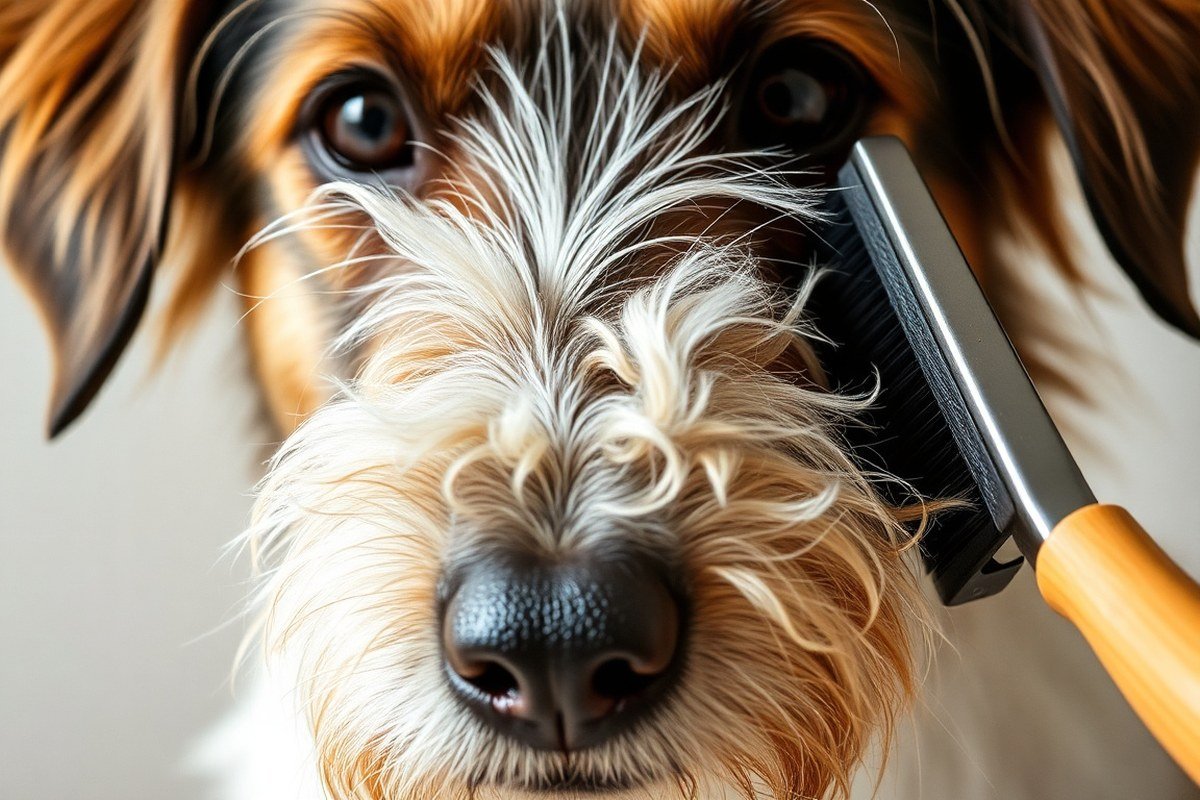
Managing a blowout involves regular brushing to remove the loose undercoat as it sheds, which helps your dog stay comfortable and controls the amount of fur that ends up around your house. Using an undercoat rake or de-shedding brush allows you to reach deep into the coat and remove old fur effectively. Consistency matters here; brushing daily or every other day during the blowout period produces the best results. This grooming routine supports your dog’s skin health, prevents matting, and keeps the coat looking its best.
Which Dog Breeds Blow Their Coat and How Often?

Not all dogs blow their coat in the same way or frequency. This shedding phase mostly happens in double-coated breeds, which have a dense undercoat beneath the topcoat. These breeds shed their undercoat heavily once or twice a year, typically during seasonal changes in spring and fall. For example, German Shepherds and Huskies are well-known for their dramatic blowouts, which can last between 2 to 4 weeks. In contrast, single-coated dogs may shed lightly and steadily year-round without a defined blowout period.
The type of coat directly influences how and when a dog blows its coat. Double-coated dogs undergo a natural cycle to replace their thick undercoat for temperature regulation. The outer layer sheds later, but the heavy loss of the undercoat makes the blowing stage more visible and intense. Single-coated or short-haired breeds have less undercoat, so shedding appears less intense and more continuous rather than seasonal. Coat type also guides what grooming tools work best; an undercoat rake is recommended for double-coated dogs during a blowout to remove the loose fur safely and efficiently. Here is a table summarizing common double-coated breeds prone to blowing their coat, typical shedding frequency, and grooming tips:
| Breed | Blowout Frequency | Average Duration | Coat Type | Recommended Grooming Tool |
|---|---|---|---|---|
| German Shepherd | Twice yearly (spring, fall) | 2 to 4 weeks | Double coat | Undercoat rake |
| Siberian Husky | Year-round or biannual | Up to 4 weeks | Double coat | Undercoat rake |
| Border Collie | Twice yearly | 2 to 3 weeks | Double coat | Undercoat rake |
| Labrador Retriever | More gradual, year-round shedding | Minimal blowout duration | Double coat | Bristle brush or slicker brush |
| Golden Retriever | Twice yearly | 2 to 4 weeks | Double coat | Undercoat rake |
Frequency and severity of coat blowing can vary widely even within breeds, influenced by age, sex, health, nutrition, and environment. For example, spayed or neutered dogs may shed differently than intact dogs. Puppies usually don’t blow their coat until their adult coat grows in, usually between 12 to 18 months. Constant grooming with the right tool during shedding seasons helps manage blowouts. Feeding supplements like fish oil can improve coat quality and make dead hair release more cleanly.
Use an undercoat rake gently and regularly during the blowout period to remove dead fur without damaging the new coat.
Homes with controlled temperatures, such as air conditioning and heating, may alter how often a dog experiences a strong coat blow. Even breeds known for heavy seasonal shedding can shed more evenly across months because climate control reduces natural environmental triggers. This makes regular brushing throughout the year important to keep your dog comfortable and your home clean.
How Long Does a Dog’s Blowout Last and What Are the Phases?
A dog’s blowout typically lasts between 4 and 8 weeks from start to finish. This shedding happens in stages: an initial ramp-up with increased loose hair, a peak period of heavy fur loss, and finally a winding-down phase when new fur grows back and the coat settles. How you handle each phase affects both your dog’s comfort and how quickly the coat returns to normal.
Phase 1: Ramp-Up Brushing and Increased Shedding
During the first phase, you’ll notice a steady increase in shedding as your dog prepares to blow its coat. Loose hair starts to come off in larger clumps than usual, often seen trailing behind as you pet or brush. This stage typically lasts about 1 to 2 weeks and signals the beginning of the coat changing to suit the upcoming season.
Increasing brushing frequency during this time helps manage shedding and prevents the loose fur from matting or coating your home surfaces excessively. Brushing 3 to 5 times per week is a good routine for indoor dogs, striking a balance between removing loose hair and maintaining skin oils that keep the coat healthy. It also helps ease uncomfortable itching that comes with shedding.
Phase 2: Peak Blowout and Heavy Fur Loss
The most intense shedding stage, called the peak phase, generally lasts between 2 and 3 weeks. During this period, dogs shed a significant amount of their undercoat, particularly those with double coats. Using an undercoat rake or deshedding tool can pull away enough fur to create a second dog’s worth of hair in just one grooming session for a medium-sized dog.
Daily brushing is important here. Dogs that are brushed daily through the peak weeks often move through this phase faster because you’re proactively removing loose hairs instead of letting them fall out naturally. The shedding is often heaviest in spring when the dense winter undercoat sheds out to make room for a lighter summer coat. Less dramatic shedding happens in autumn as the summer coat is replaced with a thicker winter layer.
It’s important not to bathe your dog too frequently during peak blowing since overbathing can strip natural oils and increase shedding. Regular brushing after baths is effective to remove loosened hair without irritating the skin.
Phase 3: Winding Down and Regrowth
After peak shedding slows, the dog enters the winding-down phase, which can last 1 to 3 weeks. Shedding decreases significantly and the coat begins to feel more even as new hairs grow in. Continuing daily brushing during this phase ensures you catch any lingering loose fur and keeps the coat smooth and healthy.
Once shedding returns to normal background levels, you can reduce brushing frequency to your regular maintenance routine. The coat usually looks fully recovered a few weeks after shedding peaks, though timing varies based on breed, age, and environment. Neutered dogs may have thicker coats that take longer to stabilize.
How to Safely Blow Dry Your Dog’s Coat at Home
Yes, you can safely blow dry your dog’s coat at home, but it’s important to do it carefully. Using the right dryer on a low heat setting and introducing your dog to the sound first will help keep them calm. Follow clear steps to make the drying process comfortable and effective for your dog.
Step 1: Acclimate Your Dog to the Dryer Sound
Before turning on the dryer near your dog, let them get used to the sound at a distance. Start by running the dryer in another room so your dog hears it without feeling threatened. Once your dog seems calm, bring the dryer closer but do not point it at them yet. This gradual exposure reduces fear and ensures your dog won’t associate the noise with discomfort.
Begin drying your dog’s tail first because it’s less sensitive. This helps your dog get used to the airflow and sound before moving to more sensitive areas like their body or head. A calm dog will make the rest of the drying process much easier.
Step 2: Towel Dry Fur and Remove Tangles First
Always towel dry your dog thoroughly before using the blow dryer. Removing excess water reduces the time your dog has to spend under the dryer and lowers the risk of heat damage or discomfort. Brush your dog’s coat to detangle knots and mats so the drying air can pass through evenly.
Drying a tangled coat can lead to more mats forming, which are uncomfortable for your dog and hard to remove later. Towel drying and brushing also help you estimate how much drying time your dog needs.
Step 3: Use a Pet-Safe Dryer on Low Heat and Distance
Choose a pet-specific dryer or a human dryer with adjustable low heat and speed settings. Set the dryer to low or cool air to avoid burning your dog’s skin. Hold the dryer nozzle about 6 to 12 inches from the fur. Keep the dryer moving constantly to prevent heat buildup in one spot.
Dry in the direction of hair growth and pause to brush the fur as you go. This prevents tangling and gives you a chance to check how dry your dog is. Monitor your dog’s comfort throughout, stopping if they show signs of stress.
- Turn on the dryer in another room so your dog hears it but doesn’t see it.
- Bring the dryer closer, but don’t point it at your dog yet; let them sniff it.
- Towel dry your dog fully and brush out any tangles.
- Set the dryer to low heat or cool air.
- Start drying your dog’s tail from about 12 inches away.
- Slowly move the dryer closer, drying in the direction of hair growth.
- Keep the dryer moving to avoid heat spots and brush the fur regularly.
- Watch your dog’s reactions and stop if they seem uncomfortable.
Best Grooming Tools and Techniques During a Blowout
During a dog’s blowout, using grooming tools designed to reach the undercoat is essential to efficiently remove loose fur and prevent matting. The best brushes penetrate beyond the topcoat to reach the dense undercoat shedding in heavy amounts, especially for double-coated breeds like German Shepherds and Huskies. Regular brushing with these tools not only speeds up shedding clearance but reduces hair left around your home. Aim to brush your dog daily, or at least once every other day, throughout the shedding period to collect loose hairs before they settle.
The right tools include an undercoat rake with double rows of rotating teeth that gently pull loose fur without damaging the topcoat. A Furminator-style deshedding tool is another popular option, designed to capture and remove dead hair effectively. Slicker brushes help break up tangles and prevent matting, while a Greyhound comb or line comb can be used in combination for detailed work to remove trapped dead hair from thick coats.
- Undercoat rake with rotating teeth for double-coated breeds
- Furminator deshedding tool to remove loose undercoat efficiently
- Slicker brush to smooth the topcoat and prevent tangles
- Greyhound or line comb to finish removing residual loose hair
- Use grooming gloves as an alternative for sensitive dogs
- Dry your dog thoroughly post-bath to prevent skin irritation
- Bath your dog before brushing to loosen dead undercoat
Brushing daily during the heavy shedding phase helps reduce the volume of hair your dog sheds around the house and prevents mats that can cause discomfort and skin irritation. Bathing your dog every few weeks with a gentle shampoo loosens dead undercoat, making brushing more effective. Always follow up baths with thorough drying using a dog-friendly dryer to avoid creating damp areas where matting or skin problems can start.
Regular brushing with an undercoat rake or deshedding tool helps prevent painful mats by removing loose hair before it tangles.
Using the right tools takes patience and time, especially with thick or long coats. Start brushing gently to avoid skin irritation and focus on problem areas like behind the ears, under the legs, and near the tail where mats often form. Investing between $20 and $50 in good-quality grooming tools can make a noticeable difference in your dog’s coat health and reduce grooming stress for both of you.
Diet, Health, and Environmental Factors Affecting Shedding
Your dog’s shedding, especially during a heavy blowout, is greatly affected by their diet. A balanced intake featuring Omega-3 and Omega-6 fatty acids improve the condition of their skin and coat. These nutrients keep the skin moisturized and calm inflammation, which helps prevent dry, flaky areas that often lead to more shedding. Including fish oil supplements or salmon in their meals can support this process, but checking with your vet for the right amount for your dog’s specific needs is important.
Shedding outside of the typical seasonal blowout can signal health issues. Allergies, skin infections, or parasites often lead to patchy fur loss and irritated skin. Notice clumps of hair coming out along with redness, itching, or a dull coat, and you should contact a veterinarian right away. Conditions like hypothyroidism or Cushing’s disease may also cause abnormal shedding patterns. Regular veterinary check-ups help detect and address these problems early, ensuring your dog’s coat stays healthy and shedding remains manageable.
Seasonal changes are the most common triggers for blowouts. Dogs shed their coats to adapt to temperature shifts, growing thicker coats for winter and lighter ones for summer. The timing of these blowouts depends on where you live, the local climate, and your dog’s breed. For example, dogs living in regions with distinct seasons may blow their coats twice a year, while those in milder climates may shed more gradually. Changes in daylight and humidity also affect the shedding cycle. Being aware of these factors helps you prepare with grooming tools and diet adjustments to support your dog through the shedding period.
Maintaining hydration is another key factor in reducing excessive shedding. Well-hydrated skin is less prone to irritation and flaky buildup, which can worsen hair loss. Ensure your dog always has access to fresh water, especially during hot or dry months. Stress reduction also helps control shedding since stress can disrupt the normal hair growth cycle, causing premature shedding or delayed coat regrowth. Creating a calm, consistent routine with regular exercise and avoiding sudden environmental changes can encourage a healthier coat.
Some dogs may experience dry or irritated skin if their coat is blown out too frequently or aggressively. To avoid this, use grooming methods that gently remove loose hair without scraping the skin or stripping natural oils. Good grooming combined with proper nutrition and health care results in a shiny, healthy coat and shorter blowing sessions. When you see shedding increase outside of typical seasonal periods, or if there are signs of skin problems, professional guidance from a groomer or veterinarian is the safest way to address the issue.
Common Mistakes Dog Owners Make During Blowouts and How to Fix Them
One of the biggest mistakes during a dog’s blowout is overbrushing. Brushing too often or using a harsh tool can irritate your dog’s skin and break the hair, making the coat look rough and unhealthy. Brushing your dog’s coat 2 to 3 times a week during heavy shedding is enough to remove loose fur without causing discomfort. Use a gentle, breed-appropriate brush that matches your dog’s coat type, like a slicker brush for double-coated breeds or a bristle brush for short-haired dogs.
Improper drying is another common problem. Blowing your dog dry with too much heat or airflow can stress the skin and damage the coat. Keep your blow dryer on a low or cool setting and hold it at least 6 to 10 inches from the fur. Moving the dryer constantly prevents hot spots. Make sure the area where you dry your dog is warm but well-ventilated to avoid chilling them, especially after a bath.
Using the wrong tool can slow down the grooming process and increase your dog’s resistance. For example, a fine-tooth comb won’t work well to remove loose undercoat, while a rake or deshedding tool is designed to reach down to the undercoat layer. Matching tools to your dog’s coat type lets you groom efficiently and keeps your dog comfortable.
Overbathing is a mistake that can harm shedding dogs. Too many baths strip natural oils from the skin and coat, leading to dryness and sometimes more shedding. Stick to bathing every 4 to 6 weeks unless your dog gets dirty or has specific skin problems. Use mild shampoos made for dogs to protect the coat’s natural barrier.
Some dogs resist grooming, especially during the blowout phase when their skin might feel sensitive. Helping your dog relax during grooming makes the process easier and reduces stress-related shedding. Offer treats, speak in a calm voice, and take breaks if your dog shows signs of anxiety. Harness positive reinforcement by rewarding your dog for staying calm and cooperative.
- Avoid brushing more than 3 times a week during shedding
- Use a cool or low dryer setting held 6, 10 inches from the coat
- Select grooming tools suited to your dog’s coat type
- Bathe no more than every 4 to 6 weeks using dog-friendly shampoo
- Offer treats and take breaks if your dog resists grooming
Following these simple steps reduces discomfort and keeps your dog’s coat shiny and healthy after shedding season. Paying attention to your dog’s reactions and coat condition helps you adjust grooming techniques as needed and avoid common blowout mistakes.
When to Seek Professional Grooming or Veterinary Advice
Seeking professional grooming and veterinary advice during a dog’s blowout is important when shedding becomes excessive or skin problems appear. You need to watch for signs that suggest abnormal shedding and know when a vet visit is necessary. Regular professional grooming can help manage heavy shedding, especially for thick-coated breeds, and prevent skin issues.
Signs of Abnormal or Excessive Shedding
Excessive shedding goes beyond the normal seasonal loss of hair and involves large clumps falling out, which can leave noticeable bald patches or a trail of fur around your home. Your dog may also show discomfort by scratching, licking, or chewing their skin. This behavior can indicate irritation caused by shedding or trapped mats in the coat, which may lead to painful skin conditions if not treated. Skin irritation, scabs, redness, or lumps found while grooming are also warning signs.
Heavy matting and tangling that causes discomfort or makes your dog sensitive to touch means the shedding is not just a natural process. Pay attention if your dog’s shedding seems heavier than usual for their breed and time of year, or if it lasts much longer than typical blowout phases. Excessive shedding combined with any of these symptoms calls for professional help to prevent skin infections or other health problems.
When to Consult a Veterinarian
A visit to the veterinarian is necessary if the rate of shedding seems unusual or worsens rapidly, especially if you notice bald spots or sores on your dog’s skin. Any signs of pain or changes in behavior during the blowing process, such as lethargy, loss of appetite, or excessive scratching, should prompt a vet consultation. Your vet can also rule out underlying health issues like allergies, infections, or parasites that cause abnormal shedding.
Routine veterinary check-ups help identify problems early. Immediate veterinary advice is needed if your dog develops hot spots, pus-filled wounds, or open sores from scratching or chewing. These conditions often require medical treatment to prevent worsening infections or other complications.
Choosing the Right Professional Groomer
Professional groomers have tools and techniques beyond what most dog owners can manage at home, like high-velocity dryers that remove loose undercoat efficiently during peak blowout seasons. For heavy-coated breeds such as Samoyeds, Malamutes, Chow Chows, and Great Pyrenees, scheduling groomings once a month during shedding seasons is advisable. These appointments can prevent matting, reduce loose hair, and keep skin healthy by avoiding buildup that can cause irritation.
Look for groomers who are experienced with your dog’s breed and coat type. They should offer deshedding services and be able to detect skin problems early during grooming. Prices for professional grooming vary by region and breed but expect to pay between $50 and $100 or more per session, especially for large, heavy-coated dogs. Choose a groomer who maintains a calm, stress-free environment and uses pet-safe shampoos and drying techniques.
Checking your dog’s skin carefully during drying helps catch early signs of irritation or lumps that you might otherwise miss between veterinary visits.
Step-by-Step Action Plan for Managing Your Dog’s Blowout
Follow these steps to handle your dog’s coat blowout efficiently and keep them comfortable throughout the process.
- Before the Blowout Starts: Prepare grooming tools like a slicker brush, undercoat rake, and a pet-safe blow dryer. Check your dog’s skin for any irritation to avoid worsening issues during grooming.
- At the First Signs of Shedding Increase: Start gentle daily brushing sessions to remove loose hair. You’ll know it’s working when shedding visibly reduces and your dog’s coat looks less tangled.
- Mid-Blowout Phase: Use a blow dryer on low heat and airflow to safely dry your dog after baths. Monitor your dog’s behavior, if they seem uncomfortable or the skin feels too hot, adjust your technique.
- During Peak Shedding Days: Increase brushing frequency to twice daily and remove loose fur around living areas to reduce mess. Successful efforts leave less fur on your furniture and floors.
- After Shedding Subsides: Resume regular grooming every few days and check for any remaining loose undercoat. A healthy, smooth coat means you’ve managed the blowout well.
- Weekly: Evaluate your dog’s diet for nutrients supporting skin and coat health. Notice improvements in fur quality or reduced shedding with dietary changes after several weeks.
- When You See Skin Issues or Excessive Shedding Persists: Contact a professional groomer or veterinarian for evaluation to prevent skin infections or underlying health problems.
Frequently Asked Questions
What Is the Main Goal of a Blowout Grooming Session for a Dog?
The main goal is to remove loose undercoat fur to reduce shedding. This helps keep your home cleaner and your dog more comfortable during heavy shed periods.
Can a Blowout Cause Skin Irritation If Done Too Often?
Yes, overbrushing or harsh blow drying can irritate your dog’s skin. Always use gentle tools and moderate frequency to protect their skin health.
Should Puppies Go Through Blowouts, or Is It Just for Adult Dogs?
Blowouts are more common in adult dogs with a full double coat. Puppies usually shed differently and may not need the same grooming routine.
How Does a Dog’s Lifestyle Impact the Severity of a Blowout?
Active dogs exposed to outdoor elements may shed more during blowouts. Dirt and debris can loosen fur, increasing shedding intensity.
Can Frequent Blowouts Improve a Dog’s Coat Quality Long-Term?
Regular grooming helps remove dead fur and distributes oils, improving coat health. However, overdoing it without proper care can harm the coat.
Is There a Best Time of Day to Perform a Blowout Grooming?
Early morning or late evening is ideal to avoid heat stress during blow drying. Cooler times prevent your dog from overheating during grooming.
The Bottom Line
Understanding a dog’s blowout helps you manage shedding without stress for you or your pet. Taking gentle, consistent care during shedding seasons improves your dog’s comfort and coat health. Start by scheduling regular brushing sessions today to keep your dog’s fur healthy and manageable.