

How Often Should You Groom a Long Haired Cat? Simple Steps for Healthy Fur
How often should you groom a long haired cat depends on your cat’s individual coat needs but typically ranges from once a week to every three months. Most long-haired cats benefit from brushing several times a week and a full bath and brush-out every four to six weeks. Cats with professionally maintained coats may only need light home grooming in between appointments.
This advice is for owners of long-haired cats who want to keep their pets’ fur healthy and reduce mats or tangles. You’ll learn what affects grooming frequency, essential tools to use, and how to groom your cat safely at home while recognizing when professional help is needed.
Key Takeaways
- Brush your long-haired cat at least two to three times a week to prevent mats and tangles.
- Bathe and brush your cat every four to six weeks unless professional grooming reduces the need.
- Trim your cat’s nails every two to three weeks, if they allow it, to maintain comfort and safety.
- Use a grooming comb, slicker brush, and detangling spray designed for long-haired cats to handle their coat effectively.
- Adjust grooming frequency for senior or overweight cats to every six to eight weeks based on their coat condition.
- Spend 5 to 10 minutes weekly combing your cat on non-grooming weeks to maintain coat health.
How Often Should You Groom a Long-Haired Cat?

Long-haired cats generally need brushing every few days, ideally daily, to prevent tangles and remove dead hair. Their dense coat tends to mat easily, especially behind the ears, under the belly, and around the tail. Brushing regularly distributes natural oils and helps reduce shedding buildup, which supports skin health. Indoor long-haired cats shed year-round, so maintaining this schedule keeps their coat manageable and comfortable.
Bathing a long-haired cat doesn’t have to be routine, but it’s important sometimes, especially if the fur gets oily, dirty, or smelly. Cats usually dislike water, so plan baths every 6 to 8 weeks or only when their coat really needs it. Baths support clean fur and lower allergen buildup. For cats that groom well and stay clean, bathing a couple of times yearly is often enough.
Professional grooming appointments are recommended every 4 to 8 weeks for long-haired cats with thick or prone-to-matting coats. Groomers provide important services like thorough mats removal, sanitary trims, nail clipping, and shampooing. These sessions prevent painful tangles that can trap moisture and dirt, causing infections or skin problems. Cats with health issues, older cats that groom less effectively, or breeds with especially dense fur (like Persians and Himalayans) will benefit from more frequent professional care. Scheduling every 4 weeks may be necessary in these cases.
Seasonal changes affect grooming needs significantly. During heavy shedding seasons, particularly in fall and spring when cats shed old undercoats, increase brushing frequency to daily or every other day. This extra care reduces the risk of mats and eases shedding-related messes around your home. Colder months may call for slightly less frequent bathing, though daily brushing remains important.
Adjust grooming frequency based on your cat’s individual health and lifestyle. Older cats or those with arthritis, dental problems, or obesity often groom themselves less efficiently, so they might require daily brushing and more frequent professional trims. Cats with outdoor access can get dirtier and may need baths more often than strictly indoor cats. Monitoring your cat’s coat for tangles, dirt, or oiliness helps you decide when to increase grooming sessions or schedule a professional appointment.
What Influences Grooming Frequency for Long-Haired Cats?
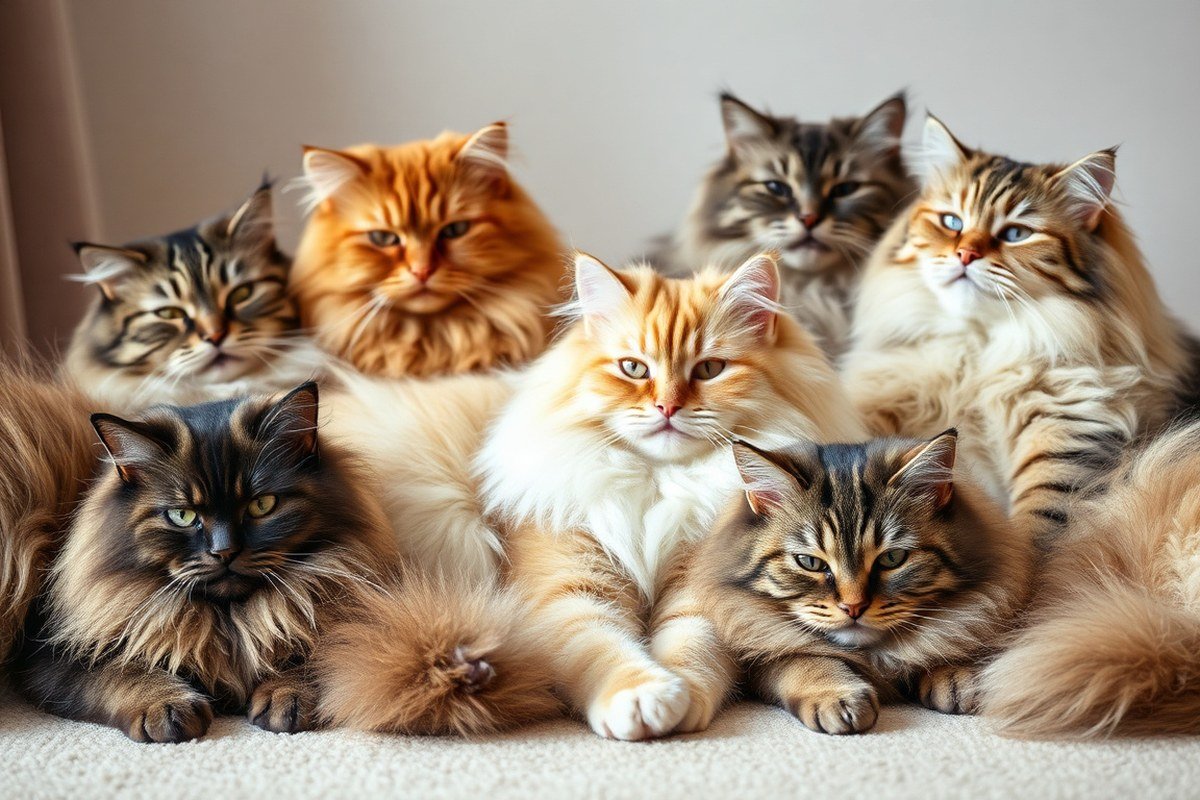
Grooming frequency for long-haired cats varies notably based on breed, age, health, living environment, and seasonal shedding. Cats with thicker or more delicate coats need more frequent grooming to avoid mats and tangles. Younger cats often require more regular brushing as they are more active and shed more, while senior or overweight cats may need less frequent but more careful grooming, typically every 6 to 8 weeks or as their coat condition demands.
Outdoor cats tend to gather more debris and dirt in their fur, which increases grooming frequency. Indoor cats usually have cleaner coats but can still shed heavily during seasonal changes in spring and fall, requiring more brushing to manage loose fur and prevent ingestion of hairballs.
Seasonal shedding can last several weeks, particularly in fall when cats shed their summer coats. This period demands additional grooming sessions, sometimes daily brushing, to keep shedding under control and reduce hair around the home. Ignoring increased shedding periods often leads to mats and skin irritation.
| Factor | Effect on Grooming Frequency | Typical Grooming Interval | Notes |
|---|---|---|---|
| Breed/Coat Type | Thicker or finer coats require more frequent grooming | Brush 3-5 times/week; bathe every 4-6 weeks | Longer, denser coats mat faster and trap dirt |
| Age | Senior cats groom less effectively, require more assistance | Brush weekly; bath every 6-8 weeks or as needed | Watch for sensitive skin or arthritis limiting mobility |
| Health and Weight | Overweight cats harder to reach, need careful grooming | Brush weekly; bath every 6-8 weeks | Monitor for mats, especially underbellies and hindquarters |
| Living Environment | Outdoor cats pick up more dirt, debris, and parasites | Brush every 2-3 days; more frequent baths if dirty | Check for fleas and ticks regularly |
| Seasonal Shedding | Shedding intensifies in spring and fall, requiring more brushing | Brush daily during peak shedding; normal otherwise | Use de-shedding tools to reduce loose hair ingestion |
Tip: Hold grooming sessions in a calm environment and keep them consistent to reduce anxiety and help your cat adjust to regular brushing and bathing.
Knowing how each factor changes your cat’s grooming needs helps you set a schedule that prevents mats, reduces shedding, and keeps your cat comfortable. Adjust the frequency according to your cat’s response: increase grooming during heavy shedding or health decline, and reduce it if your cat shows signs of stress or skin irritation. Professional groomers customize schedules based on these factors, so consulting one can help if you’re unsure.
Essential Tools and Supplies for Grooming Long-Haired Cats
Grooming a long-haired cat requires the right tools to keep their coat healthy and comfortable. Use brushes and combs suited for mats and tangles, along with cat-safe shampoos and gentle grooming wipes. Selecting proper nail trimmers and ear cleaning supplies ensures safe maintenance without causing stress or injury to your cat.
Best Brushes for Long-Haired Cats
Long-haired cats need brushes that remove tangles and mats while protecting their sensitive skin. Use a wide-toothed metal comb first to detect and loosen mats near the skin. Follow with a slicker brush on the outer coat to gently remove loose hair and prevent new tangles. Avoid brushes with pins that are too stiff, as they might scratch your cat’s skin. Extra care is needed around tricky spots like the armpits and paw pads where mats form easily.
For sensitive skin, look for brushes described as soft or gentle but still effective against tangles. Regular use slows mat formation and keeps your cat’s coat smooth.
| Tool | Purpose | Pros | Cons | Safety Tips |
|---|---|---|---|---|
| Wide-Toothed Metal Comb | Finds and loosens mats close to the skin | Effective for deep tangles; metal teeth durable | Too rough if used harshly | Use gently; never force through tight mats |
| Slicker Brush | Removes loose hair and surface tangles | Soft pins reduce skin scratching | Can irritate if pressed too hard | Brush gently; avoid over-brushing |
| Soft Bristle Brush | Suitable for sensitive skin areas | Prevents skin irritation | Less effective on dense mats | Use for finishing and sensitive spots |
Regular brushing every few days, or even daily quick sessions, stops mats from forming and improve your cat’s comfort. Avoid scissors for mats to prevent accidental cuts and seek veterinary help for deep mats that cause pain.
Safe Shampoos and Grooming Products
Choose shampoos made specifically for cats since human or dog shampoos can irritate their skin. Cat-specific shampoos maintain natural oils and protect against dryness or redness. Avoid fragrances or harsh chemicals that might cause allergic reactions or harm if licked. Grooming wipes made for cats can refresh their coat between baths and help clean delicate areas safely.
Bathing frequency for long-haired cats is usually every 6 to 8 weeks depending on lifestyle and coat condition. Always rinse thoroughly to remove shampoo residue that could cause itching or ingestion risks.
Tools for Nail Trimming and Ear Cleaning
Long-haired cats tend to mat around their paw pads, so frequent nail trimming prevents hair from catching dirt or moisture. Use trimmers designed for cats with a sharp, curved blade for clean cuts without crushing nails. Guillotine-style or scissor-like clippers work well, but you must avoid cutting near the quick, which causes pain and bleeding.
Ear cleaning requires gentle wipes or drops made for cats to avoid irritation; cotton swabs should be avoided inside the ear canal. Inspect ears regularly while grooming to spot infections early.
How to Groom a Long-Haired Cat at Home Safely and Effectively
Grooming a long-haired cat safely at home involves creating a calm space, gentle brushing to remove tangles, careful detangling of mats, occasional bathing with stress reduction in mind, along with nail trimming and ear cleaning. Managing anxious cats with patience and softness helps turn grooming into a positive experience.
Preparing Your Cat and Setting the Environment
Choose a quiet, comfortable area with good lighting where your cat feels secure. Sit or kneel at your cat’s level to avoid looming over them, which can increase anxiety. Have all grooming tools ready and within reach to avoid interruptions.
Help calm a nervous cat by speaking softly and using slow, deliberate movements. Begin by petting your cat gently, allowing them to sniff your hands first. A simple calming phrase you can say repeatedly is:
“It’s okay, nice and calm. You’re safe. Good job, sweetie.”
Introduce grooming tools slowly, letting your cat touch or sniff brushes or nail clippers before you begin.
Brushing and Dematting Techniques
Start grooming by using a wide-toothed comb or a slicker brush designed for long-haired cats. Brush gently in the direction of hair growth to avoid pulling or causing pain. Focus on areas prone to tangles such as behind the ears, under the legs, and around the neck.
Remove mats and tangles before any bath because wet mats tighten and become harder to detangle, increasing discomfort and risk of skin injury. Use scissors only if the mat is very tight and you are confident in safely clipping it out without hurting your cat. Follow these steps for effective brushing and dematting:
- Start by brushing a small area to test your cat’s comfort level and build trust.
- Use a wide-tooth comb to gently pull apart tangles, holding the fur close to the skin to avoid pulling.
- Work on mats by loosening the edges with your fingers before carefully combing through them.
- Trim mats with blunt-nosed scissors only if absolutely required and safe to do so.
- Brush thoroughly but pause frequently to praise and comfort your cat.
Safe Bathing and Drying Methods
Bathing long-haired cats is rarely necessary, usually only when they’re very dirty or have oily fur. Prepare lukewarm water between 90°F to 100°F (32°C to 38°C) and use a cat-specific shampoo to protect their skin.
Reduce stress by keeping bath sessions short and speaking softly. Wet your cat gradually with a damp cloth or handheld sprayer avoiding the head and ears. Lather shampoo gently, then rinse thoroughly with warm water. Wrap your cat in a dry towel right away and blot rather than rub their fur to avoid tangling. For drying, use a quiet, low-heat pet dryer only if your cat tolerates the noise, or let your cat air-dry in a warm, draft-free room while offering comfort and treats.
Nail Trimming and Ear Cleaning Basics
Nail trimming helps your cat avoid painful scratches and damage to furniture. Use a sharp clipper designed for cats and gently press each toe to extend the nail. Cut only the sharp tip, avoiding the pink “quick” to prevent bleeding.
For ear cleaning, use a vet-approved ear cleaner and cotton balls, never cotton swabs. Gently wipe visible dirt inside the ear flap without pushing deep into the canal. Stop if your cat shows signs of pain or excessive resistance. Trim nails and clean ears in short sessions, praising and rewarding your cat frequently indoors or on a non-slip surface to ensure safety and calm.
Recognizing and Managing Mats, Tangles, and Coat Problems
Mats in a long-haired cat’s fur appear as dense, tangled clumps that feel tight and hard to the touch. These mats pull at the skin, causing discomfort, restricting movement, and increasing the risk of skin irritation or infection underneath. Checking for mats once a month during a hands-on coat and skin exam helps you catch problems early before they worsen. Mats often form in areas where the fur rubs together or traps debris, like behind the ears, under the legs, and near the tail.
Besides a lack of brushing, mats can develop from trapped dirt, moisture, or leftover food, which encourages hair to knot. Cats with skin infections, fleas, or ear mites may also scratch excessively, leading to fur tangling. Stress or health issues that reduce grooming behaviors contribute to mat formation as well. Stimulating grooming through gentle brushing encourages air circulation and healthy coat condition, preventing mats from taking hold.
- Check behind ears, under legs, around the tail, and belly during monthly grooming sessions
- Use a wide-toothed comb or a gentle brush like the KONG Cat ZoomGroom to detect early tangles
- Be patient and avoid tugging on knots to keep your cat calm
- For minor tangles, carefully work through with a comb starting at the ends and progressing to the roots
- Consider a sanitary trim or professional grooming if mats form near the rear or cause frequent cleaning issues
- Avoid DIY cutting unless the mat is very small and you have experience; risk of skin injury is high
- If your cat resists grooming or the mats cause skin irritation, seek professional help promptly
Gentle mat removal begins by holding the mat at the base close to the skin and slowly teasing apart the hair with a comb. Applying a detangling spray designed for cats or dampening the area slightly can help loosen stubborn mats. Avoid scissors unless absolutely necessary; accidental cuts to the skin can risk infection and pain. Professional groomers have tools and experience to safely remove heavy mats without hurting your cat.
Signs that you should call a professional include heavy matting, skin wounds beneath mats, or aggressive behavior during grooming attempts. Professionals typically charge between $50 and $100 per session depending on the cats’ coat condition and grooming needs. Choosing professional grooming ahead of severe mats can save you stress, time, and potential veterinary bills. Consistent prevention through regular brushing and monthly mat checks keeps your long-haired cat comfortable and healthy.
Always be gentle when working on tangles to avoid pulling your cat’s skin, which can cause pain and resistance to future grooming.
When to Schedule Professional Grooming for Your Cat
Considering a professional groomer becomes necessary when home brushing proves too difficult or mats form that you cannot safely remove. Cats that resist strongly during grooming, creating a risk of harm to both of you, require expert care. Long-haired cats often develop dense mats in tricky spots like behind the ears or under the legs; groomers have specialized tools and experience to manage these areas while protecting your cat’s skin.
Professional grooming services typically include thorough brushing, mat removal, bathing, drying, ear cleaning, and nail trimming. In some cases, groomers will perform a sanitary trim or a full haircut if the fur is heavily matted or excessively long. Sessions usually last from 30 minutes up to 2 hours, depending on the condition of your cat’s coat and their level of cooperation. A professional groomer can break the session into shorter intervals if your cat is anxious, providing breaks and rewarding calm behavior to reduce stress.
The timing and frequency of professional grooming depend largely on your cat’s hair condition and lifestyle. For cats prone to matting or if you have limited time to groom at home, scheduling a professional appointment every 6 to 8 weeks can help keep the coat manageable. Cats with minimal matting and a regular home grooming routine might only need a professional visit once or twice a year. In cases of severe matting or skin issues, immediate grooming by a professional is advisable.
Prices for professional grooming vary based on the service and your region but generally range from $50 to over $100 per session. Additional costs may apply for specialized services such as deep mat removal or medicated baths. While professional grooming can reduce the risk of injury caused by forcibly cutting mats at home, it carries some risks too, like stress from handling and exposure to new environments. You can minimize this by choosing a groomer experienced with cats and confirming that they use gentle handling methods.
To decide when professional grooming is necessary, use this checklist: Does home grooming cause frequent bites or scratches? Are mats so thick and tight that your comb skips them or pulls painfully? Has your cat’s coat become greasy or smelly despite brushing? Are nails overgrown or causing discomfort? Spotting any of these signs means you should arrange a professional grooming session quickly, then adjust future appointments based on how well your cat handles the treatment.
Working with your veterinarian or an experienced groomer can help tailor the frequency and types of grooming to your cat’s needs. They can also recommend grooming tools or techniques you can try at home between appointments, increasing your cat’s comfort and coat health over time.
Common Grooming Mistakes and How to Avoid Them
Using harsh brushing techniques or the wrong grooming tools can cause skin irritation and discomfort for your long-haired cat. Overbrushing, especially with de-shedding tools used too aggressively in one area, may lead to redness or soreness. It’s important to use appropriate cat grooming brushes designed for long hair, such as slicker brushes or wide-tooth combs, which help detangle gently without pulling the fur or scratching the skin.
Bathing your cat more than necessary can dry out the skin and strip natural oils, which protect the coat. Most long-haired cats only need baths occasionally, depending on their activity and coat condition. Avoid shampoos formulated for humans, conditioners, or products with harsh chemicals, these can irritate sensitive feline skin and eyes. Choose shampoos made specifically for cats, which balance pH and are gentle on the skin.
Stress during grooming often happens when a cat is restrained too tightly or handled for too long. Signs include attempting to escape, vocalizations, rapid breathing, and flattened ears. To minimize stress, groom your cat in short sessions, use a calm tone, and stop if they become agitated. Choose a quiet, comfortable location and work at a pace your cat tolerates.
- Avoid harsh brushing; instead, use soft strokes with a slicker brush or wide-tooth comb
- Do not overuse de-shedding tools in one spot to prevent skin soreness
- Use cat-specific shampoos that are gentle and free of harsh chemicals
- Limit baths to only when necessary, typically every few months unless your cat gets very dirty
- Stop grooming if your cat shows signs of stress and try shorter, more frequent sessions
- Never attempt sharp haircuts at home; improper tools can cause injuries
- Resist grooming your cat during bursts of high energy or agitation to avoid stress or injury.
Grooming too infrequently allows mats, tangles, and hairballs to develop, causing discomfort and possible skin problems. However, grooming too often or too roughly can injure the skin and stress your cat. A typical schedule is several brushing sessions per week, with nail trims and baths as needed. Paying attention to your cat’s reactions helps you find the right balance and technique over time to keep grooming a positive experience.
Adjusting Grooming for Senior, Overweight, or Sensitive Cats
Grooming routines need to change as your long-haired cat ages, gains weight, or develops sensitivity. These changes affect how often you groom, what tools you use, and how gently you handle your cat. Adjustments help keep your cat comfortable and prevent health issues related to poor grooming or skin problems.
Age-Related Grooming Challenges
Older cats often lose flexibility and may slow or stop grooming themselves because of arthritis, dental pain, or decreased mobility. This means you’ll need to groom them more frequently to prevent mats, tangles, and skin irritation. Pay special attention to their claws, as nails tend to thicken and curl inward, causing discomfort or injury.
Watch for redness, scabs, bald spots, or excessive scratching, which can indicate skin problems or parasites. Regular, gentle grooming sessions help you spot these early. Keeping grooming sessions short, between 10 to 20 minutes, helps prevent stress, especially if your cat has mobility issues.
Always check with your veterinarian if your cat suddenly reduces grooming behavior or shows unhealthy coat signs to rule out underlying health problems. Older cats may also benefit from a softer brushing technique and gentle handling to accommodate brittle bones or sensitive skin.
Handling Overweight Cats Safely
Overweight cats often struggle to reach all areas for self-grooming, so you’ll need to increase grooming frequency to at least every other day. Extra attention to their belly and tail base will prevent mats from forming in these hard-to-reach zones. Start with 10-minute sessions and increase time only as your cat tolerates.
When working with a heavier cat, be mindful of mobility limits. Support their body properly during grooming to avoid stressing joints. Avoid pressing too hard on thick areas and consider a grooming table or counter edge to keep your cat steady.
Break grooming sessions into shorter intervals throughout the week when your cat resists grooming. Use treats and calm reassurance to create a positive experience that encourages their cooperation.
Tools and Techniques for Sensitive Skin
Sensitive or stiff cats need especially gentle grooming tools. Use soft-bristle brushes or rubber grooming gloves instead of fine-toothed combs to avoid skin irritation. Avoid grooming areas with visible redness or sores and let your veterinarian assess persistent skin issues.
Apply light pressure and slow strokes during brushing. You can warm the brush slightly with your hands to make contact more soothing. Pause and check for soreness when your cat suddenly flinches or growls. Using a detangler or conditioner spray formulated for cats can help ease brushing without tugging at the fur.
Regular grooming can become a relaxing routine by adapting to your cat’s comfort level and being patient. Keep sessions under 15 minutes and stop if your cat shows clear signs of discomfort like hissing or trying to escape.
Never force grooming sessions; watch your cat’s body language and break up sessions to prevent stress or injury, especially with older or sensitive cats.
Step-by-Step Grooming Plan for Your Long-Haired Cat
Follow these steps to keep your cat’s coat healthy and well-maintained without stress for either of you.
- Before you start: Gather all grooming tools, slicker brush, comb, nail clippers, and choose a quiet, comfortable spot where your cat feels safe.
- Day 1: Introduce brushing gently for 5 minutes to get your cat used to the routine. Look for relaxed body language to know it’s going well.
- Week 1: Increase brushing sessions to 10 minutes every other day, focusing on common tangle areas like behind ears and under the legs. Check for any mats that need careful attention.
- Week 2: Add combing after brushing to catch loose hairs and small tangles. Your cat should stay calm and allow you to comb without pulling away.
- After 3 weeks: Establish a grooming routine of 3 to 4 times weekly brushing and combing. Watch for coat shine and reduced shedding as signs of effective grooming.
- Monthly: Inspect your cat’s paws, ears, and nails, trimming nails carefully if needed. Your cat will tolerate gentle handling and stay relaxed.
- As needed: Schedule professional grooming if significant mats appear or if your cat resists grooming despite patience and care.
Frequently Asked Questions
Should You Take Long-Haired Cats to the Groomers?
Taking long-haired cats to professional groomers every 4-8 weeks can reduce the need for daily brushing at home and helps manage mats and tangles effectively. Professionals can also handle grooming tasks that might be difficult or stressful for your cat at home.
What Is the 3-3-3 Rule with Cats?
The 3-3-3 rule helps monitor a cat’s health: three days without eating, three weeks without grooming, and three months without a veterinarian visit indicate when you should seek professional help. It’s a quick way to spot problems early, especially in long-haired cats prone to coat issues.
Do Long-Haired Cats Groom More Often?
Long-haired cats do not groom themselves more often than short-haired cats, but they usually need more frequent brushing from owners to prevent tangles and mats because their coats hold more dead hair. Regular grooming sessions every few days help keep them comfortable and healthy.
What Is the Best Haircut for a Long-Haired Cat?
The best haircut for a long-haired cat depends on their lifestyle and coat condition, but a “lion cut,” which trims the body short while leaving fur on the head and tail, is popular for reducing mats and heat. Talk to a groomer for personalized recommendations.
How Often Should You Groom Your Cat?
Long-haired cats should be groomed every few days, often daily during heavy shedding seasons, to remove dead hair and prevent tangles. Consistency in grooming reduces matting and helps spot skin issues early. Adjust frequency based on your cat’s coat condition.
Can I Use Human Hairbrushes on My Long-Haired Cat?
Using human hairbrushes is not recommended as they can be too harsh for a cat’s skin; use grooming tools designed specifically for cats to avoid irritation and effectively remove loose fur.
The Bottom Line
Regular grooming every few days helps keep your long-haired cat’s coat healthy and comfortable. Start slow, pay attention to your cat’s reactions, and adjust your routine as they grow accustomed to it. Your next step is to pick up the recommended grooming tools and try a brief, gentle brushing session today to set the process in motion.




3 Comments