
How to Trim Dog Fur Safely and Effectively at Home
Trimming dog fur is a straightforward task that anyone can do at home with the right tools and techniques. The key to a safe and effective trim involves selecting appropriate grooming scissors or clippers, ensuring your dog is calm, and understanding the natural growth patterns of their coat. This approach helps maintain your dog’s comfort and appearance without causing harm.
Regular trimming prevents mats and tangles, manages shedding, and can keep your dog cooler in warmer months. Proper fur maintenance also reduces dirt accumulation and helps spot any skin issues early. This grooming process is vital for breeds with long or dense coats that require more frequent care.
In this article, we’ll explore how to prepare your dog for trimming, the best tools to use, step-by-step guides for different fur types, safety tips, and maintenance advice. Whether you’re a beginner or looking to improve your grooming skills, you’ll find practical guidance for trimming your dog’s fur effectively.
Understanding Your Dog’s Coat Type
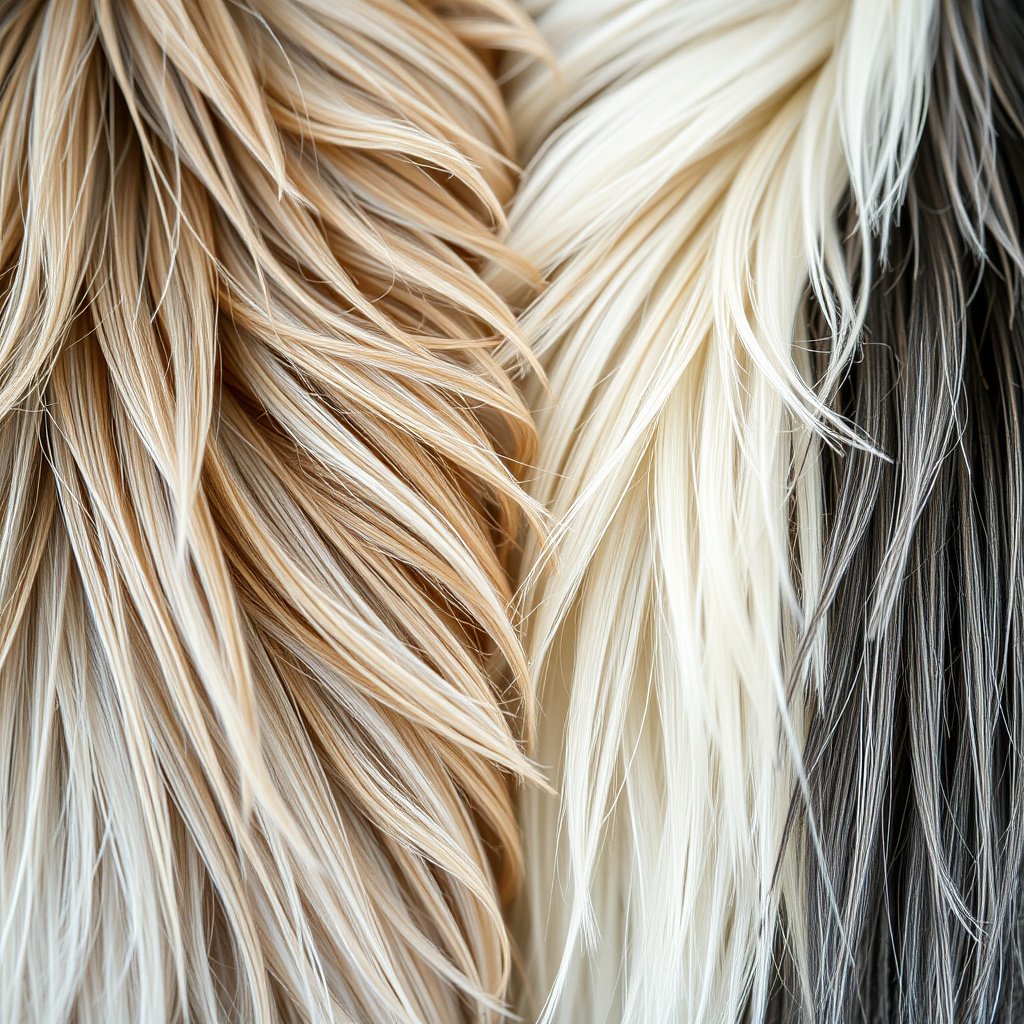
Single vs. Double Coats
Dogs have either single or double coats, which affects how you should trim their fur. Single coats consist of one layer that could be short or long, commonly seen in breeds like poodles or terriers. Double coats have a dense undercoat beneath a coarser topcoat, typical in breeds like huskies or golden retrievers.
Knowing your dog's coat type is crucial because trimming double coats too short can damage their natural insulation and lead to skin problems. Single coats generally tolerate shorter trims better, but every dog’s coat behaves differently depending on genetics and grooming history.
Fur Texture and Growth Patterns
Fur texture ranges from soft and silky to coarse and wiry, influencing your choice of grooming tools and techniques. Growth patterns, such as direction and density, also impact how you should cut or clip to avoid uneven results and irritation.
Paying attention to these details helps you avoid overcutting or accidental skin nicks. Studying your dog’s coat by running your hand through it and observing where knots develop first gives clues about how to approach trimming.
Preparing for a Fur Trim
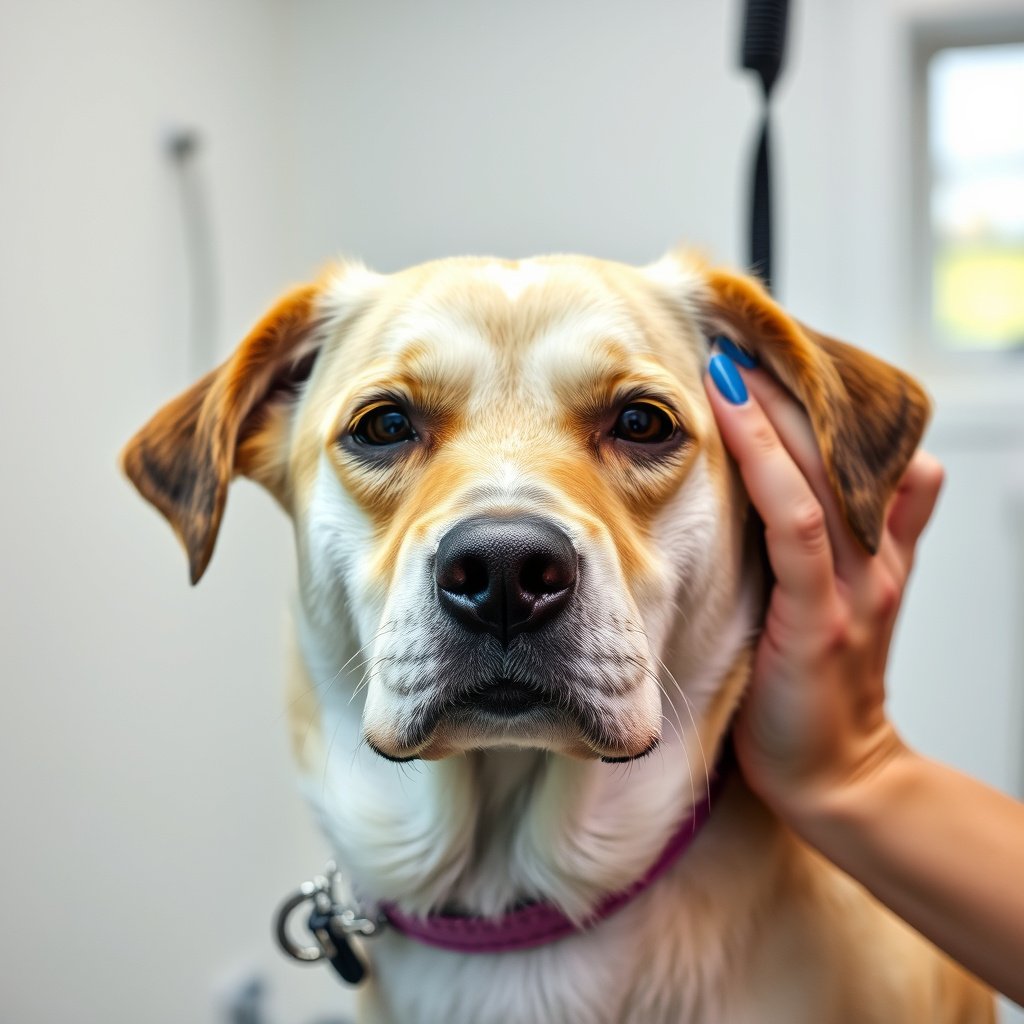
Bathing and Brushing Before Trimming
Before trimming, give your dog a bath using a gentle pet shampoo to clean the fur and loosen dirt. After drying thoroughly, brush the coat to remove tangles and mats that could catch during cutting or clipping.
This preparation softens the fur and makes the cutting process smoother and less stressful for your dog. It also reveals the true length and thickness of the coat, helping you plan how much to trim.
Setting Up a Calm Environment
Create a calm, quiet space for grooming with minimal distractions. Use a non-slip surface so your dog feels stable, and have treats handy for positive reinforcement during the process.
If your dog is nervous or fidgety, short and frequent trimming sessions can build their comfort over time. Keeping tools within reach and having a helper to gently hold your dog can make the experience safer and more controlled.
Tools and Equipment for Trimming Dog Fur
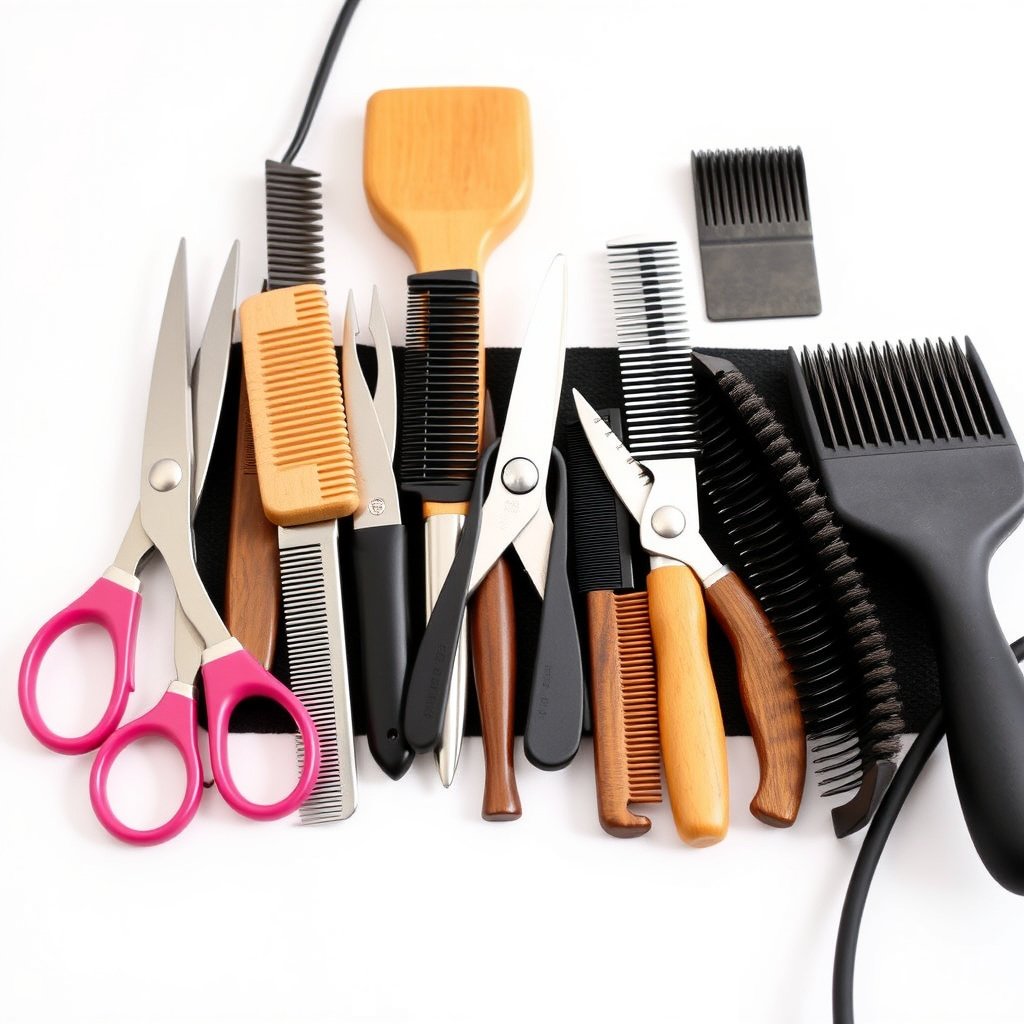
Choosing the Right Clippers and Blades
Dog clippers designed specifically for pet fur come with interchangeable blades numbered by cutting length. Selecting the right blade size depends on how short you want the fur and the dog's coat density. Sharp, well-maintained blades ensure clean cuts without pulling hair.
Investing in quieter clippers can reduce anxiety in sensitive dogs. Battery-powered models offer portability but check for sufficient motor power to handle thick coats.
- Blade sizes range from #10 (closest cut) to #40 (longer cut)
- Quiet motor reduces noise sensitivity
- Corded vs. cordless options
Scissors, Combs, and Additional Accessories
Beyond clippers, grooming scissors with rounded tips help trim delicate areas like around the ears and paws safely. Slicker brushes and metal combs assist in detangling before and after trimming.
Accessories like grooming tables and restraints improve ergonomics and safety during longer sessions. Cleaning tools regularly prevents bacterial buildup and prolongs blade life.
- Rounded-tip scissors for precision
- Slicker brushes for mats
- Grooming tables for control
Step-by-Step Guide to Trimming Dog Fur
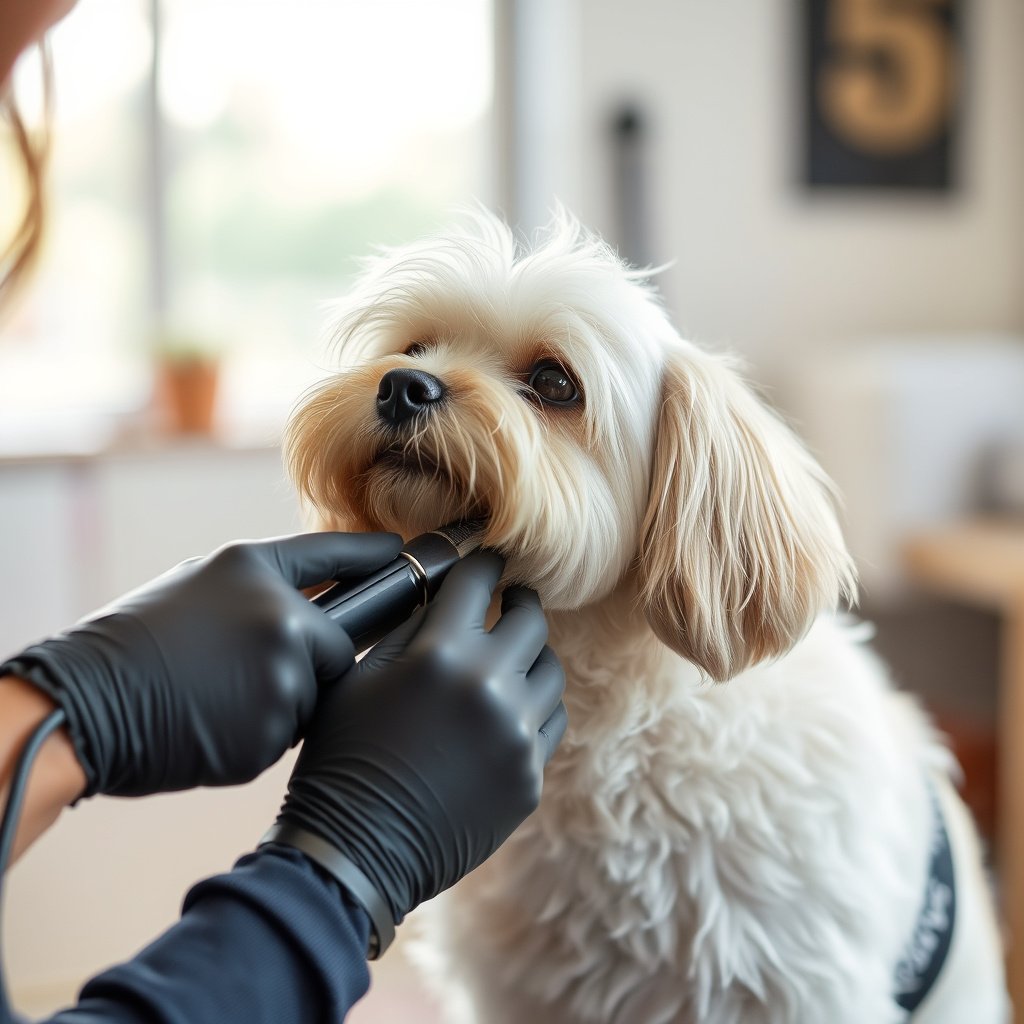
Trimming with Clippers
Start clipping along the dog's natural fur growth direction using a blade length that leaves enough fur for protection. Work slowly, beginning from the neck and shoulders, then move towards the back, chest, and legs. Avoid clipping over bony areas or sensitive spots too aggressively.
Maintain a steady hand and keep the clippers flat against the fur to prevent uneven cuts. Take breaks to check your progress and reward your dog to keep them calm.
- Follow fur growth direction
- Use longer blade settings first
- Avoid overcutting sensitive areas
Trimming with Scissors
For areas clippers can’t reach, such as around the eyes, ears, tail, and paws, use grooming scissors. Comb the fur and trim small amounts at a time carefully using the scissors’ tips, ensuring you avoid cutting skin or whiskers.
Scissor trimming also allows shaping for breed-specific looks or tidying uneven fur after clipping. Always sanitize scissors before and after use for hygiene.
- Trim small sections gradually
- Use rounded scissors near eyes and ears
- Sanitize scissors regularly
Post-Trimming Care and Maintenance
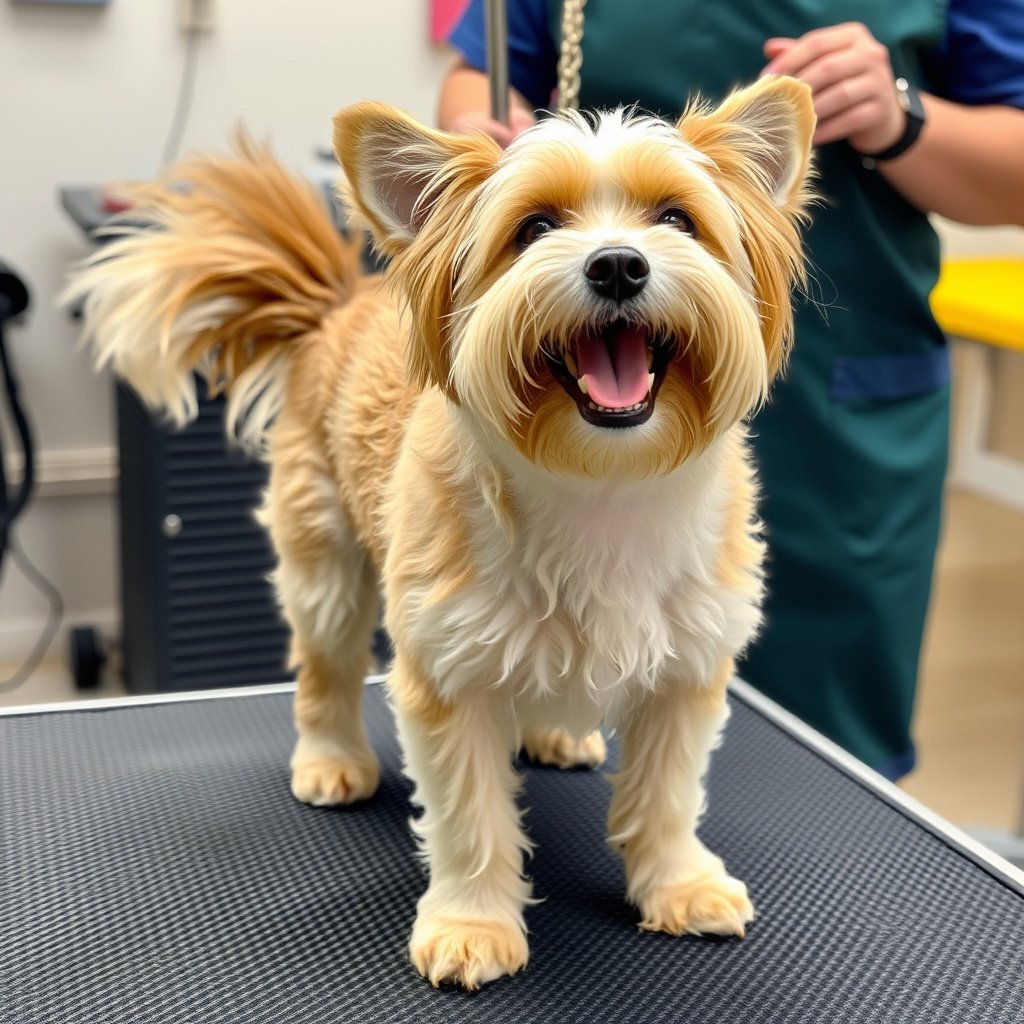
Inspecting the Skin and Coat
After trimming, check your dog’s skin for any irritation, cuts, or redness caused during the process. Some dogs may experience mild sensitivity after grooming, so observe their behavior closely.
Apply a soothing balm or pet-safe moisturizer to any dry or irritated spots. Keeping the coat trimmed helps you spot skin problems early for quicker treatment.
Scheduling Future Trims
How often you trim depends on your dog’s coat type, activity level, and season. Most long-haired breeds benefit from trims every 6 to 8 weeks, while short-haired breeds may only need occasional tidy-ups.
Maintain a regular brushing routine between trims to prevent mats and promote a healthy, shiny coat.
Safety Tips When Trimming Dog Fur
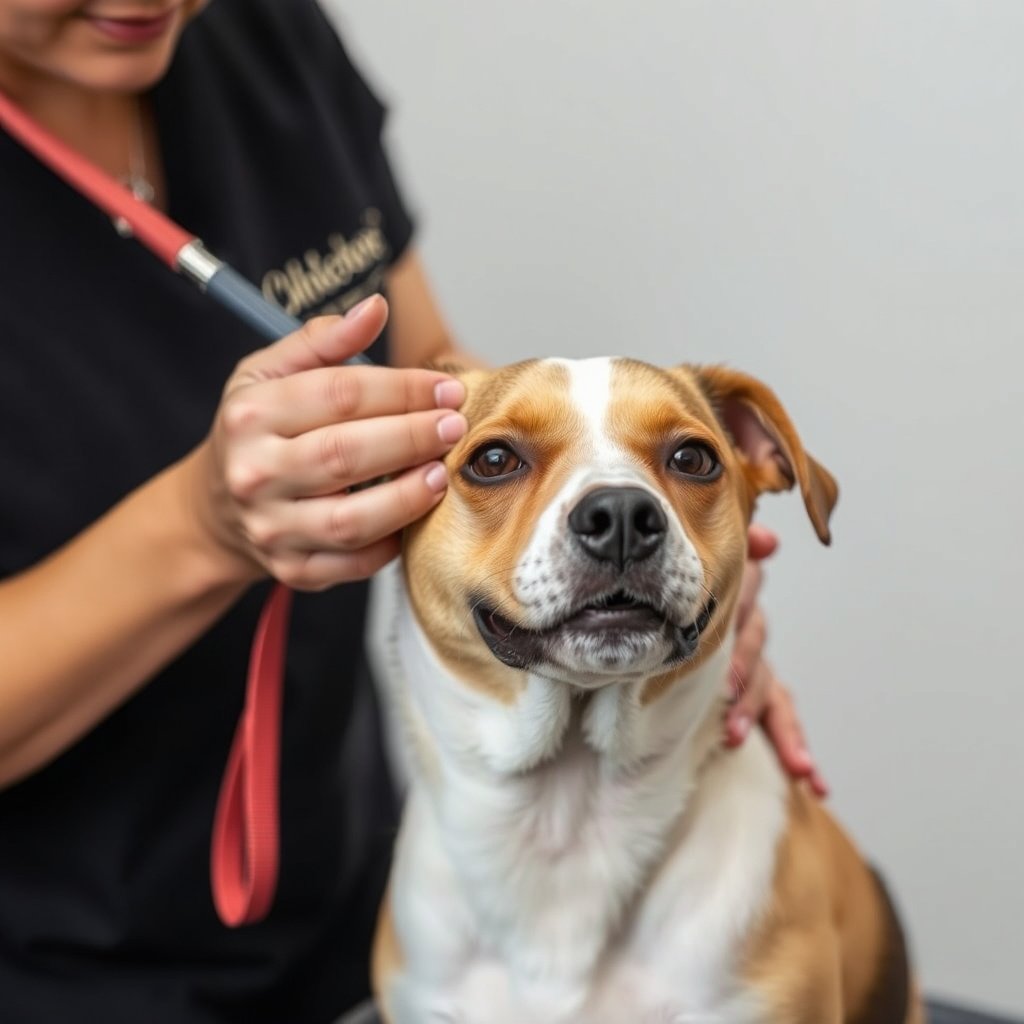
Preventing Accidental Cuts and Injuries
Use grooming tools designed for pets and keep blades sharp to reduce tugging. Avoid distractions during trimming sessions and never force your dog if they resist; take breaks as needed.
Proper restraint using gentle holds or grooming harnesses can prevent sudden movements that lead to accidental nicks or cuts.
- Use pet-specific sharp tools
- Take breaks if dog is restless
- Use grooming harness for restraint
For a broader overview of dog grooming practices, you can visit Wikipedia's dog grooming page. dog grooming.
Recognizing When to Seek Professional Help
If your dog’s coat is heavily matted, or if your pet is highly anxious or aggressive during grooming, a professional groomer’s expertise is safer. Professional groomers also handle breed-specific cuts and can provide medical grooming if needed.
Consult your veterinarian before trimming if your dog has skin conditions, wounds, or health issues that might complicate grooming.
Dog Fur Trimming Tool Comparison
Here’s a quick overview of popular trimming tools and their characteristics to help match one to your dog's needs.
| Tool Type | Ease of Use | Best For | Price Range |
|---|---|---|---|
| Electric Clippers | Moderate | All coat types, thick fur | $30–$150 |
| Battery-Powered Clippers | Easy | Short coats, portable use | $40–$130 |
| Grooming Scissors | Easy | Detail trimming, sensitive areas | $10–$50 |
| Cordless Clippers | Easy | Mobile grooming, nervous dogs | $60–$200 |
| Slicker Brushes | Easy | Removing tangles before trimming | $8–$20 |
Frequently Asked Questions
How often should I trim my dog's fur?
Most dogs with long fur should be trimmed every 6 to 8 weeks to prevent mats and manage shedding. Short-haired dogs may need trims less frequently but should still be brushed regularly.
Can I use human scissors to trim dog fur?
It's best to use grooming scissors designed for dogs to avoid injuring your pet. Human scissors may not be sharp enough or appropriately shaped, increasing the risk of cuts.
Is it okay to shave a double-coated dog?
Shaving a double-coated dog is generally discouraged because it disrupts their natural insulation and can cause skin problems. Instead, regular brushing and light trimming are recommended.
What should I do if my dog gets anxious during trimming?
Try short grooming sessions, offer treats and praise, and create a calm environment. If anxiety persists, seek help from a professional groomer experienced in handling nervous dogs.
How do I clean and maintain grooming tools?
After each use, clean tools with warm, soapy water; dry thoroughly to prevent rust. For clippers, regularly oil the blades according to manufacturer instructions to maintain sharpness.
Key Takeaways
- Identify your dog’s coat type to choose suitable trimming methods and tools.
- Prepare your dog with bathing and brushing before trimming to avoid tangles.
- Use proper grooming tools and techniques for safe, effective fur trimming.
- Regular trimming and maintenance promote your dog’s health and comfort.
Final Thoughts on How to Trim Dog Fur
Trimming dog fur requires understanding your pet’s coat characteristics and selecting the right tools to match their needs. Safety and comfort should always guide your actions during grooming, alongside familiarizing yourself with effective clipping and scissor techniques. Since every dog’s coat and temperament differs, adjusting your approach step by step builds confidence and skill over time, making at-home trims manageable and rewarding.
For dogs with thick or double coats, electric clippers with adjustable blades help manage the fur without damaging the undercoat, while single-coated breeds often respond well to a mix of scissor and clipper trims. If your dog is sensitive or if you seek breed-specific cuts, professional groomers provide expertise that can complement your home grooming efforts. Creating a calm environment and maintaining regular grooming intervals helps keep mats and tangling at bay.
To get started, gather a quality grooming kit and set aside short, calm grooming sessions. Focus on small sections, watch your dog’s comfort signals, and reinforce positive behavior with treats and gentle praise. With practice, trimming your dog’s fur can become a bonding routine that benefits both of you. For more detailed information on dog grooming, consider exploring resources from reputable pet care organizations.



2 Comments