
How to Use a Dog Shampoo Brush for a Better Bathing Experience
Using a dog shampoo brush is a simple and efficient way to bathe your pet, helping to clean their fur more thoroughly while providing a gentle massage. To use it, start by wetting your dog’s coat, then apply shampoo and use the brush to work the lather into their fur in gentle, circular motions. This method lifts dirt, loosens dead hair, and stimulates the skin, promoting a healthy, shiny coat.
Many pet owners find that a shampoo brush improves the bathing process by ensuring even distribution of shampoo and reducing the stress dogs can experience during baths. It not only cleans better than hands alone but also helps in keeping dogs calm through the calming tactile sensation.
This article will explain how to choose the right dog shampoo brush, detail the best techniques for using it during baths, address maintenance tips for the brush, and explore additional benefits for your dog’s grooming routine.
Choosing the Right Dog Shampoo Brush
Types of Dog Shampoo Brushes
Dog shampoo brushes come in several styles including rubber bristle brushes, silicone gloves, and soft bristle brushes. Rubber bristle brushes are great for all coat types and are effective in loosening dirt and shedding fur. Silicone gloves provide a gentle massage while shampooing, ideal for sensitive skin.
Selecting a brush depends on your dog's coat type and skin sensitivity. For short-haired dogs, soft bristle brushes work well, whereas longer or thick coats benefit from rubber bristle brushes that penetrate deeper into the fur.
- Rubber bristle brushes for deep cleaning
- Silicone gloves for a soothing massage
- Soft bristle brushes for sensitive or short coats
Materials and Durability
The material of the dog shampoo brush impacts its effectiveness and lifespan. Brushes made from durable rubber or silicone resist breaking or bending during use. They also dry quickly, reducing the risk of mold or mildew.
Choosing one with a comfortable handle or ergonomic design also makes a significant difference for longer grooming sessions, helping you maintain control and reduce hand fatigue.
- Durable rubber or silicone
- Quick-drying materials
- Ergonomic or cushioned grips
Step-by-Step Guide to Using a Dog Shampoo Brush
Preparing Your Dog and Bathing Area
Before bathing, brush your dog thoroughly to remove tangles and loose hairs. Prepare the bath with lukewarm water to keep your pet comfortable and have the shampoo and dog shampoo brush ready within reach.
Place a non-slip mat in the bathtub or bathing area to prevent your dog from slipping. Wet your dog’s coat thoroughly with water before applying shampoo.
- Brush coat before bath
- Use lukewarm water
- Place a non-slip mat
For more on this, see our related guide: How to Wash a Dog with a Hose: Simple Steps for Outdoor Bathing.
Applying Shampoo with the Brush
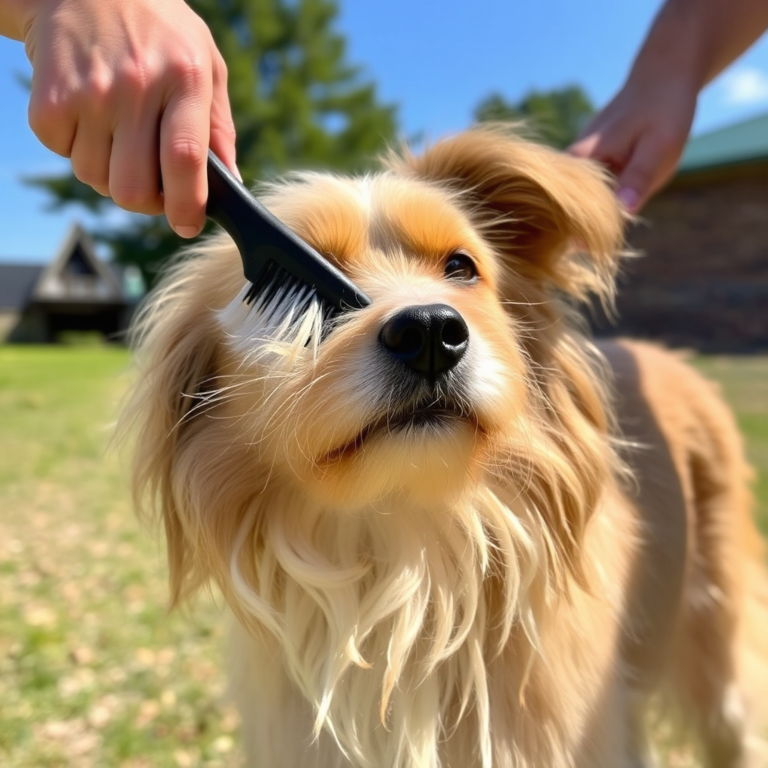
Squeeze a dog-appropriate shampoo onto the brush or directly onto your dog's wet coat. Use the brush to gently work the shampoo into a lather, moving in small circular motions over your dog’s body.
Be gentle around sensitive areas like the face and avoid direct contact with eyes and ears. This brushing action also massages the skin, which can reduce itching and improve circulation.
- Use dog-specific shampoo only
- Brush in circular motions
- Avoid eyes and ears carefully
Cleaning and Maintaining Your Dog Shampoo Brush
Rinsing the Brush After Use
After each bath, rinse the shampoo brush thoroughly under running water to remove all soap residue and hair trapped in the bristles or nubs.
Regular cleaning prevents bacteria buildup and keeps the brush hygienic for your dog's next bath, reducing the risk of skin infections.
- Rinse under warm water thoroughly
- Remove any fur or debris
- Allow to air dry completely
Storing the Brush Properly
Store your shampoo brush in a dry, well-ventilated place away from moisture to prevent mold. Avoid storing it in the bathroom or near humid surfaces.
Consider hanging it or keeping it on a clean shelf to prolong its lifespan and maintain its functionality.
- Keep in dry, ventilated area
- Avoid humid environments
- Hang or shelf storage recommended
Additional Grooming Benefits of Using a Dog Shampoo Brush
Improves Coat Health and Skin Condition
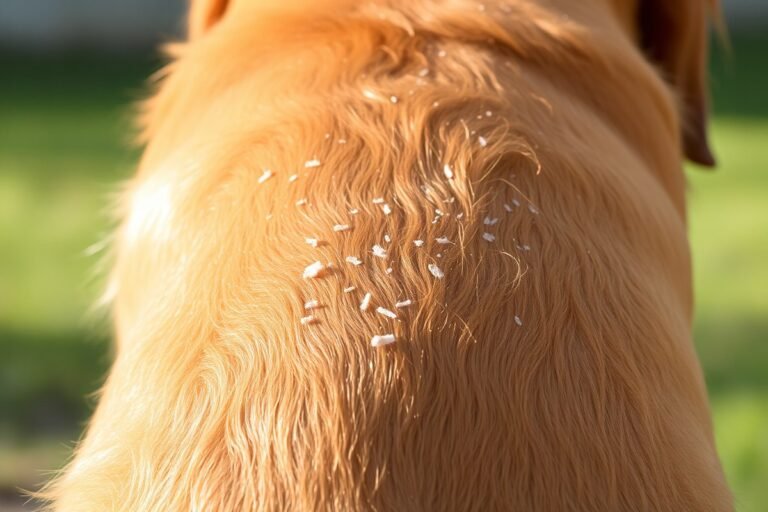
Regular use of a dog shampoo brush during baths can help remove dead hair and promote better distribution of natural oils. This leaves the coat shinier and prevents dry, flaky skin.
The gentle massage from the brush stimulates the skin, increasing blood flow which supports healthier hair follicles and reduces hotspots or irritation.
For more on this, see our related guide: Dog Breeds That Need Grooming: Essential Care for Long-Haired Pets.
Reduces Shedding and Fur Build-up
By loosening undercoat hair during baths, the shampoo brush can significantly reduce the amount of shedding around the house. Combining brushing before and during baths maximizes loose hair removal.
This is especially valuable for medium to long-haired breeds that shed seasonally or heavily.
Cleaning Techniques and Safety Tips
Cleaning Sensitive Areas Safely
When using a dog shampoo brush around sensitive areas such as the face, ears, and paws, use a softer brush or your hands with caution. Avoid vigorous brushing here to prevent discomfort or injury.
Many silicone gloves come with gentler tips for these regions, making careful brushing easier while still delivering the benefits of massage and cleaning.
For more detailed information on dog grooming techniques and tools, refer to this comprehensive resource. dog grooming techniques.
Avoiding Common Bathing Mistakes
Using too much shampoo or harsh human shampoos can irritate your dog's skin. Always use pet-safe products and rinse all soap out completely to avoid residue.
Don’t press the brush too hard, as this can cause irritation or micro abrasions. Keeping strokes gentle and relaxed keeps your dog comfortable and happy.
Dog Shampoo Brush Types Comparison
Here’s a quick comparison of common dog shampoo brush types to help match your dog’s needs with the right grooming tool.
| Brush Type | Best For | Material | Advantages | Disadvantages |
|---|---|---|---|---|
| Rubber Bristle Brush | All coat types, deep cleaning | Rubber | Penetrates thick coats, good at removing loose hair | May be less gentle on sensitive skin |
| Silicone Glove Brush | Sensitive skin, gentle cleaning | Silicone | Soft massage, easy to handle | Less effective for thick undercoats |
| Soft Bristle Brush | Short-haired or thin coats | Synthetic bristles | Very gentle, distributes shampoo well | Not great for deep cleaning or thick coats |
| Nylon Pin Brush | Long-haired dogs | Nylon | Detangles and cleans | Pins can be uncomfortable if used roughly |
Frequently Asked Questions
Can I use a human shampoo brush on my dog?
Human shampoo brushes are generally not designed for pet fur and skin and may be too harsh or ineffective. Use brushes made specifically for dogs to avoid skin irritation.
How often should I use a shampoo brush on my dog?
Use a dog shampoo brush every time you bathe your dog, which typically ranges from once a month to every six weeks, depending on their coat type and activity level.
Will using a shampoo brush reduce shedding?
Yes, shampoo brushes help remove loose fur during baths, which can noticeably reduce shedding around your home when combined with regular pre-bath brushing.
Is a shampoo brush safe for puppies?
Shampoo brushes with very soft bristles or silicone gloves are safe for puppies, but use them gently and avoid over-brushing sensitive skin areas.
Do I need to clean the dog shampoo brush regularly?
Cleaning the shampoo brush after every use is necessary to remove trapped hair and shampoo residue, preventing bacteria growth and maintaining brush hygiene.
Key Takeaways
- Use the dog shampoo brush in circular motions to clean and massage the coat.
- Choose a brush type suited to your dog’s coat and skin sensitivity.
- Clean and store the brush properly to maintain hygiene and durability.
- Regular shampoo brushing helps reduce shedding and promotes healthy skin.
Conclusion
Selecting and using a dog shampoo brush effectively enhances your pet’s bathing routine by improving cleanliness and promoting skin health. The key is to adjust your choice of brush and technique based on your dog’s coat type and personal comfort, applying gentle but thorough strokes that lift dirt and loosen hair. This hands-on tool brings grooming benefits beyond shampoo application, such as improved blood circulation and reduced fur shedding.
For dogs with thick or long coats, a rubber bristle brush is often the best choice, while those with sensitive or short coats may respond better to softer bristle or silicone glove brushes. Regular use during baths, paired with gentle pre-bath brushing, creates a comprehensive grooming approach that keeps your pet’s coat vibrant and skin healthy. Additionally, understanding how to cleanse and store the brush prolongs its usability, making grooming a more enjoyable process for both you and your dog.
If you’re new to dog grooming tools, start small by trying a silicone glove brush for gentle cleansing and build from there. Watching how your dog reacts will guide which brush type works best and how often to use it. Maintaining the brush and using it correctly will result in a noticeably cleaner, happier dog with a glossy, healthy coat.
One Comment