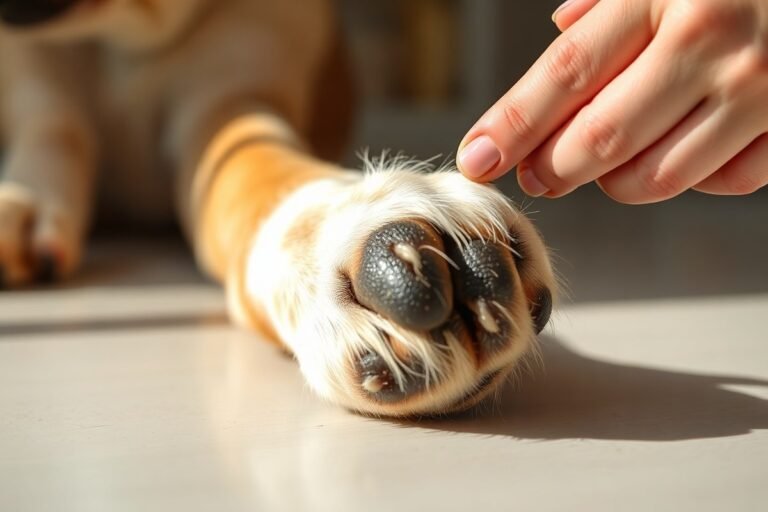
How to File Dog Nails Safely and Effectively at Home
Filing your dog's nails is an effective method to keep them short and smooth without risking the discomfort or injury that can occur with clipping. Filing gently removes the sharp edges and helps prevent splitting or cracking nails. Many pet owners find filing easier to control, especially on dogs that resist traditional nail clippers.
Keeping your dog’s nails properly filed is essential not just for their comfort but also for their overall health. Nails that are too long can lead to joint pain and affect their gait. Unlike clipping, filing lets you gradually shorten nails over a few sessions, making it a great choice for anxious or older dogs with brittle nails.
This guide will cover the proper tools for filing dog nails, detailed steps for safe filing, tips to calm your dog during the process, how often to file, and signs you’re filing nails correctly to avoid injury.
Choosing the Right Tools for Filing Dog Nails
Types of Dog Nail Files
Dog nail files come in different styles, including manual metal or emery board files and electric nail grinders. Manual files require more effort but give precise control, while grinders work faster and smooth the nail surface evenly. Selecting a file depends on your dog's temperament and nail thickness.
Electric grinders often have variable speed settings and can reduce the nail length gradually without cutting into the quick, the sensitive part inside the nail. For dogs new to filing, starting with a gentle manual file might be best to get them accustomed to the sensation.
- Manual emery board
- Electric rotary grinder
- Diamond-coated files
- Battery-operated mini grinders
Safety and Comfort Features
Look for files with ergonomic handles to maintain a steady grip during filing. Safety guards on grinders help prevent over-filing. Quiet electric models reduce noise anxiety. Also choose files with smooth grit surfaces to prevent harsh scraping.
Using the right tool not only speeds up the job but keeps your dog calm and comfortable, which encourages easier maintenance sessions over time.
- Non-slip grips
- Protective safety guards
- Quiet motor in electric models
- Smooth grit surfaces
Step-by-Step Guide on How to File Dog Nails
Preparing Your Dog for Filing
Begin by creating a calm environment with your dog relaxed and settled. Offer treats and gentle petting to build positive association. Inspect each nail for the quick, usually visible as a pink area inside light nails, to avoid filing too close.
Hold the paw firmly but gently, ensuring controlled movement. Introduce the file slowly by letting your dog sniff and see the tool before starting.
- Calm setting
- Positive reinforcement
- Inspect for quick
- Hold paw securely
Filing Technique for Safe and Effective Results
File in one direction rather than back and forth to prevent nail splitting. Light, consistent strokes gradually wear down the nail edges. Avoid aggressive filing in one session; several short sessions over days produce the best results.
Pay attention to your dog's response. Stop if they show discomfort or anxiety to resume when calm again. The goal is smooth edges and gradual shortening without heat or bleeding.
- One-direction strokes
- Multiple short sessions
- Monitor your dog's comfort
- Smooth edges only
Calming Techniques During Nail Filing
Behavioral Tips to Relax Your Dog
Use treats intermittently to reward your dog for staying calm. Gentle massage of the paw before filing helps reduce tension. Consider playing soft music or using pheromone sprays that promote relaxation.
Gradual desensitization by practicing paw handling without filing can build trust. Patience is key; short, positive experiences make future sessions easier.
- Treat rewards
- Gentle paw massage
- Relaxing environment
- Gradual desensitization
For more on this, see our related guide: How to File a Dog’s Nails: A Complete Guide for Safe, Stress-Free Grooming.
Handling Anxious or Resistant Dogs
For dogs who resist, try filing after exercise when they are tired. Enlist a helper to gently hold the dog steady if needed. Using thicker treats as distraction or calming supplements recommended by veterinarians may also assist.
If your dog shows significant distress, pause the session and try later to associate filing with comfort, avoiding negative experiences.
- File after exercise
- Use an assistant
- High-value treats or distractions
- Calming supplements
Frequency and Maintenance for Filing Dog Nails
How Often to File Your Dog’s Nails
Most dogs benefit from nail filing every 1 to 2 weeks to keep nails at a healthy length, but activity level and nail growth rate vary. Regularly check nails to avoid overgrowth or curling into the paw pads.
Indoor dogs usually need more frequent filing than outdoor dogs because they do less natural nail wear from running on rough surfaces.
- One to two weeks average
- Check nail length regularly
- Adjust frequency per lifestyle
Signs Your Dog Needs Filing
Look for scratching on floors, clicking sounds when walking on hard surfaces, or nails visibly extending past the paw pad. Overlong nails can affect walking comfort and cause joint strain.
If nails snag on fabrics or furniture, these are also strong indicators that filing or trimming is due.
- Scratching or clicking noises
- Visible nail overgrowth
- Nail snagging
Troubleshooting Common Issues When Filing Dog Nails
Avoiding Injury and Handling Accidental Cuts
Filing reduces injury risk but if you accidentally hit the quick and cause bleeding, apply styptic powder or cornstarch immediately to stop bleeding. Stay calm to reassure your dog and avoid future anxiety during filing.
Only file small amounts gradually; never rush through to prevent cutting the sensitive quick.
- Styptic powder for bleeding
- Handle with calm confidence
- Gradual filing approach
For more on this, see our related guide: How to Stop a Dog Nail from Bleeding: Quick and Effective Solutions.
Dealing with Thick or Hard Nails
Older or large breed dogs often have thick nails that require more time and patience. Use low speed on electric grinders and firm pressure on manual files. Filing in multiple short sessions can prevent heat buildup and discomfort.
If nails are excessively thick or damaged, consult your veterinarian or a professional groomer for advice or assistance.
- Low speed grinders
- Multiple sessions
- Professional help if needed
Comparing Filing to Clipping and Other Nail Care Methods
Benefits and Drawbacks of Filing vs. Clipping
Filing offers a more gradual, controlled way to shorten nails compared to clipping, reducing the risk of cutting into the quick. Filing smooths edges that clippers often leave sharp, preventing snagging and splitting.
However, filing takes longer than clipping and may require more patience from both owner and dog, especially during initial sessions.
- Gradual nail shortening
- Smoother nail edges
- Longer grooming time
For detailed dog nail care basics, consult this reliable AVMA guide on dog nail trimming. Dog nail care guidelines.
Alternative Nail Care Methods
Other options include natural wearing by walking on rough outdoor surfaces and professional grooming appointments. While natural wear helps, it often isn't enough for indoor dogs. Regular professional trims can complement at-home filing.
Understanding your dog’s lifestyle helps decide the best combination of filing, clipping, and natural wear to keep nails healthy.
- Natural nail wear
- Professional grooming
- Combined approaches
Dog Nail Care Method Comparison
Here’s a quick glance at how filing compares to other popular nail care methods for dogs.
| Method | Speed | Safety for Quick | Ease of Use | Nail Finish |
|---|---|---|---|---|
| Filing | Slow | High | Moderate | Smooth |
| Clipping | Fast | Moderate | Easy | Rough edges |
| Natural Wear | None | Very High | None | Varies |
| Professional Grooming | Varies | High | Very Easy | Smooth |
Frequently Asked Questions
Can I file dog nails every day?
Daily filing is generally unnecessary and might irritate your dog's nails. Filing once a week or every two weeks is usually sufficient unless you’re gradually shortening very long nails.
How do I know if I’m filing too close to the quick?
If you see a pink area inside light nails, stay clear of this when filing. Dark nails require extra caution by filing in small increments to avoid heat or bleeding.
Is filing better than clipping for puppies?
Filing can be gentler and less intimidating for puppies, allowing gradual acclimation to nail maintenance without the loud clippers' noise.
What if my dog hates having their nails filed?
Try short, frequent sessions with positive reinforcement and calming techniques. Consult a trainer or groomer if resistance continues.
Can filing remove all sharp edges from dog nails?
Yes, properly filed nails have smooth edges that reduce snagging and discomfort compared to clipped nails that often leave sharp points.
Key Takeaways
- Filing dog nails prevents injury by gradually shortening and smoothing nails.
- Choose the right tool for your dog's size and temperament.
- Calm your dog with treats and gentle handling during filing sessions.
- Regular filing every 1-2 weeks maintains healthy nail length.
Conclusion
When deciding how to care for your dog’s nails, gentle filing stands out as an effective method to maintain proper nail length and smoothness without the risk of cutting the sensitive quick. Because filing allows gradual removal of nail material, it reduces sudden discomfort and can ease nail care anxiety in many dogs. Your choice should balance your dog’s comfort, your patience for grooming sessions, and the condition of their nails.
For dogs with thick, fast-growing nails, combining filing with occasional clipping or professional maintenance can keep nails in best shape. Small and anxious dogs often benefit particularly from filing methods, especially with slow-speed electric grinders or manual files. Meanwhile, outdoor enthusiasts may naturally wear nails but should still inspect and maintain nails regularly to avoid overgrowth. Using the best dog nail file suited to your dog's needs helps make nail care a supportive part of your bonding routine.
Start your filing routine by gathering the right tool, creating a calm environment, and proceeding with short sessions. Focus on gentle, one-direction strokes and positive reinforcement to build your dog’s tolerance. If you encounter resistance or unusual nail problems, don’t hesitate to seek advice from your vet or a professional groomer. Regular, careful filing prevents nail problems and helps your dog enjoy comfortable walks and play.