
How to Hand Strip a Dog: A Step-by-Step Grooming Guide
Hand stripping a dog involves manually removing dead hair from a dog's coat by pulling out the old, dead hairs rather than clipping or shaving. This technique helps maintain the natural texture and color of wire-haired and broken-coated breeds while promoting healthy new growth.
This grooming method matters because it preserves the dog’s coat qualities that cutting or trimming can damage, especially for breeds like terriers or schnauzers. Hand stripping also reduces skin irritation and keeps dogs looking their best by removing dead hairs and preventing matting.
In this article, you’ll find a step-by-step guide for hand stripping a dog, tips on selecting proper hand stripping tools for dogs, safety advice, and breed-specific considerations. This will help you confidently groom your dog at home while supporting their coat health.
Understanding the Basics of Hand Stripping
What is Hand Stripping and Why It’s Done
Hand stripping removes dead outer hair by pulling it out at the root, rather than cutting the hair. This encourages the coat to regenerate properly, preserving the hard, wiry texture typical of some breeds.
Unlike clipping, hand stripping prevents the coat from becoming soft or dull and helps to maintain the coat’s distinct appearance and waterproof qualities, which is critical for many hunting and working dog breeds.
Which Breeds Benefit Most
Breeds such as Scottish Terriers, Wire Fox Terriers, Schnauzers, and some spaniels benefit most from hand stripping. Their coats have a double texture with a harsh outer layer that requires regular stripping to keep it healthy.
Regular stripping supports skin health by encouraging air circulation and removing dead hair that can harbor bacteria or cause itchiness.
Selecting the Right Hand Stripping Tools for Dogs
Types of Hand Stripping Tools
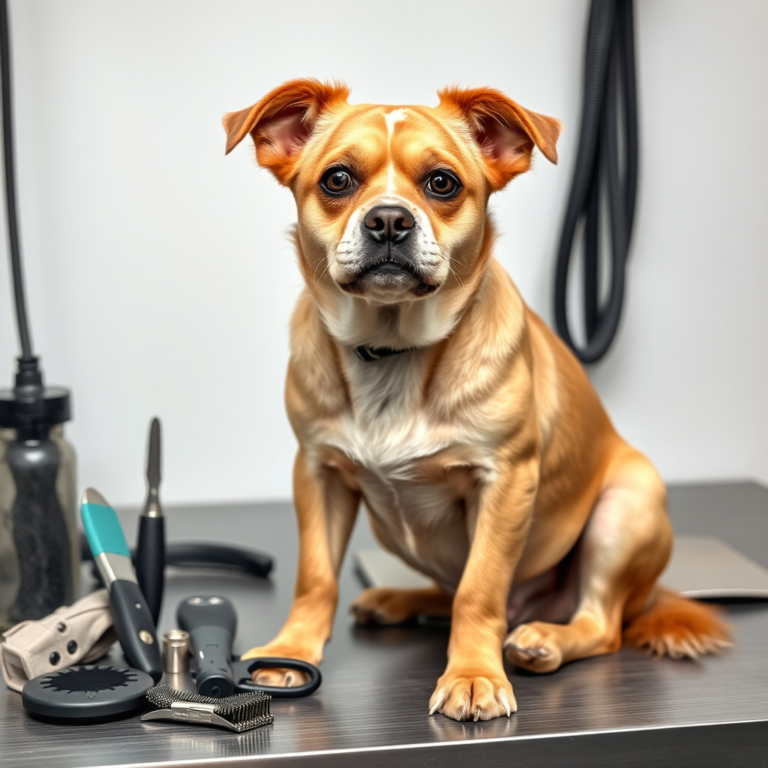
Stripping knives and blades are common tools designed with serrated edges to grip and pull out dead hair efficiently. Rubber fingers or peeling gloves help rollers of hair stay in place during stripping.
Choosing the right tool depends on your dog’s coat thickness and your comfort; some owners prefer manual blade tools while others use rubber stripping gloves to reduce hand fatigue.
- Stripping knives in various blade sizes
- Rubber stripping gloves for gentler removal
- Grooming combs to prep and section hair
Maintaining and Cleaning Tools
Regularly cleaning your tools prevents build-up of hair and oils, extending their life and helping avoid discomfort for your pet. Use warm water and mild soap to wash rubber gloves and dry metal tools thoroughly.
Sharpening serrated blades when needed keeps stripping efficient and reduces pulling on the coat, making the experience more comfortable for your dog.
Step-by-Step Guide: How to Hand Strip a Dog
Preparing Your Dog and Workspace
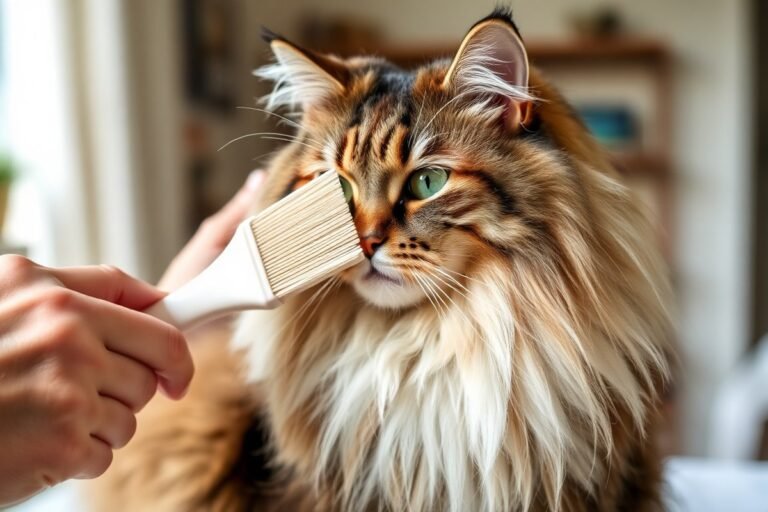
Start by brushing your dog thoroughly to remove tangles and dirt. A clean coat makes stripping easier and more effective. Set up a comfortable grooming area with good lighting and secure footing for your dog.
Make sure your dog is calm and relaxed before you begin. Offering treats and talking softly can help ease anxiety during grooming sessions.
- Use a slicker brush to remove loose hair
- Have treats ready for positive reinforcement
- Keep grooming tools within easy reach
For more on this, see our related guide: How to Groom a Bernedoodle: Detailed Guide for a Happy, Healthy Dog.
Performing the Hand Stripping
Hold a small section of the coat between your thumb and forefinger and gently pull out the dead hairs in the direction of hair growth. Apply firm but careful pressure to avoid discomfort.
Work methodically across the dog's body, focusing on areas with more dead hair like the back, shoulders, and chest. Avoid pulling too hard or stripping new growth, targeting only the coarse, dead hairs.
- Strip small sections at a time
- Follow hair growth direction
- Take breaks if your dog seems stressed
Safety and Comfort Tips During Hand Stripping
Recognizing Signs of Discomfort
Watch for signs like pulling away, whining, or nipping, which could indicate pain or irritation. If your dog shows discomfort, stop and assess if the technique or tool needs adjustment.
Stripping sessions should be kept brief, gradually increasing in duration as your dog gets used to the process.
Protecting Your Dog’s Skin and Coat
Avoid stripping inflamed or sensitive skin areas. Always work on clean, dry coats to minimize irritation risk. Using a detangler spray beforehand can make hair removal smoother.
After stripping, brushing the coat helps to even out texture and remove remaining loose hair, contributing to a neat appearance and healthy skin.
- Do not strip scabs or sores
- Use gentle, smooth motions
- Brush after stripping for coat health
Hand Stripping Frequency and Maintenance
How Often to Hand Strip
Most wire-haired breeds require hand stripping every 6 to 8 weeks to maintain coat texture. Frequency depends on individual coat growth rate and lifestyle factors like outdoor activities.
Neglecting hand stripping can cause the coat to become soft, matted, or dull, while too frequent stripping might cause skin irritation.
For more on this, see our related guide: How to Give a Dog a Lion Cut: A Step-by-Step Grooming Guide.
Maintaining the Coat Between Strippings
Regular brushing and occasional washing with breed-appropriate shampoo help maintain coat cleanliness and health between stripping sessions.
Spot stripping can be done to address specific rough patches or areas prone to matting without performing a full grooming session.
- Brush 2-3 times per week
- Use gentle, fragrance-free shampoos
- Spot strip as needed
Professional vs. Home Hand Stripping
Advantages of Professional Grooming
Professional groomers have experience and specialized tools to hand strip efficiently and safely. They can identify coat issues early and maintain breed standards for show dogs.
Regular professional grooming can enhance your dog’s coat condition and relieve you from the physical effort of stripping large areas.
For more in-depth information about the technique and its history, you can explore the detailed Hand Stripping article on Wikipedia. Hand Stripping on Wikipedia.
Benefits of Hand Stripping at Home
Grooming at home builds a stronger bond with your dog and can be less stressful than salon visits. It allows you to maintain the coat on your own schedule while learning your dog’s unique coat needs.
Home hand stripping can save money over time and gives you control over handling and comfort throughout the process.
Hand Stripping Tools Category Comparison
Here's a breakdown of common hand stripping tools to help you choose the best fit for your dog's coat and your grooming style.
| Tool Type | Best For | Ease of Use | Maintenance | Price Range |
|---|---|---|---|---|
| Stripping Knife | Thick wiry coats | Moderate | Sharpen regularly | $15-$40 |
| Rubber Stripping Gloves | Gentle removal, sensitive skin | Easy | Clean with soap and water | $10-$25 |
| Peeling Comb | Light stripping, prep work | Easy | Wash after use | $8-$20 |
| Electric Stripping Shears | Large area stripping, speed | Advanced | Regular cleaning | $60-$120 |
Frequently Asked Questions
Can I hand strip my dog if they have sensitive skin?
Yes, but proceed gently and avoid inflamed or sore areas. Using rubber stripping gloves can reduce irritation compared to knives, and always monitor your dog’s comfort.
How do I know if hand stripping is the right grooming method for my dog?
Evaluate your dog’s coat type. Wire-haired and broken-coated breeds benefit most. If your dog’s coat is soft or fluffy, clipping might be more suitable.
Will hand stripping hurt my dog?
Proper hand stripping shouldn't hurt if done carefully. It removes only dead hair. Watch your dog for discomfort and stop if they show signs of pain.
How long does a hand stripping session take?
Sessions typically last 30 minutes to 2 hours depending on coat size, condition, and your experience level. Shorter sessions are better for beginners and anxious dogs.
Can I use regular grooming scissors instead of hand stripping?
Scissors only trim hair and don’t remove dead outer layers like hand stripping does, which is important for coat texture and health in certain breeds.
Key Takeaways
- Hand stripping removes dead hair to maintain coat texture and health in wire-haired breeds.
- Choosing the right hand stripping tools for dogs influences grooming ease and comfort.
- Perform hand stripping methodically and gently, focusing on dead hair only.
- Regular maintenance between sessions supports a healthy and neat coat.
Conclusion
The decision to hand strip a dog should be based on your dog’s breed, coat type, and comfort level. Hand stripping supports the natural characteristics of wire-haired and broken-coated breeds by removing dead hair that clipping cannot address. This technique promotes healthier skin, a proper coat texture, and prevents matting, ultimately keeping your dog looking and feeling better.
For those considering which tools to use, stripping knives offer an effective option for thicker coats, while rubber gloves provide a gentler approach suitable for sensitive skin. Frequency matters too—hand stripping every six to eight weeks aligns with natural hair growth cycles for many breeds without causing irritation. If you’re unsure or manage show dogs, professional groomers can offer expertise that ensures breed standards are met flawlessly.
Starting with short, calm hand stripping sessions at home introduces your dog to this grooming method with lower stress. Pair this with regular brushing between sessions to maintain coat cleanliness and health. Whether you choose to do it yourself or seek professional help, hand stripping is a valuable grooming technique that enhances your dog’s well-being and appearance.



2 Comments