What Is a Double Coat? Understanding This Unique Fur Type
A double coat is a type of fur consisting of two distinct layers: a dense undercoat for insulation and a protective outer coat that repels water and dirt. This combination helps animals maintain body temperature in varying climates and offers extra protection from harsh weather conditions.
Understanding what a double coat is can help pet owners recognize the grooming needs and seasonal changes their animals experience. This fur type is common in dogs like Siberian Huskies and certain outdoor clothing like jackets designed for cold and wet weather.
This article will explore the characteristics of a double coat, why animals develop it, how to care for double-coated pets, its presence in outerwear, and what to expect in terms of maintenance and grooming.
The Anatomy of a Double Coat
The Undercoat’s Role
The undercoat is made of soft, short hairs that provide insulation by trapping warm air near the skin. This layer keeps animals warm in cold environments and cool in the heat by blocking external temperatures from reaching the skin.
This dense layer is often shed seasonally, leading to increased shedding periods. The thickness and density depend on the species and the climate they evolved in.
Functions of the Outer Coat
The outer coat consists of longer, coarser guard hairs that help repel water, dirt, and debris. These protective hairs shield the undercoat from moisture, often allowing water to roll off without penetrating.
This outer layer also serves as a barrier against environmental damage like UV rays and minor injuries.
Double Coat Animals and Their Adaptations
Common Double Coat Breeds
Many dog breeds such as Siberian Huskies, Alaskan Malamutes, and Golden Retrievers have double coats. These breeds evolved in colder regions and rely on their fur to regulate body temperature and weather resistance.
Double coat animals also include certain cat breeds and wild animals like wolves and foxes. Their undercoat and outer coat give them survival advantages in variable climates.
Seasonal Shedding Patterns
Double coat animals typically go through heavy shedding twice a year, usually in spring and fall, to prepare for changing temperatures. The undercoat sheds to allow cooling during summer and thickens again before winter.
Proper grooming is essential during these periods to manage loose fur and prevent mats.
- Spring shedding for warmer weather
- Fall shedding to add insulation
Caring for Your Double-Coated Pet
Grooming Essentials
Regular brushing is key to keeping a double coat healthy and free from tangles. Undercoat rakes and de-shedding tools can effectively remove loose fur without damaging the outer guard hairs.
Avoid shaving double-coated pets as it can interfere with their natural temperature regulation and damage the coat’s structure.
- Brush 2-3 times weekly
- Use undercoat rake tools
For more on this, see our related guide: How to Brush a Double Coated Dog: Effective Grooming Tips.
Bathing and Seasonal Care
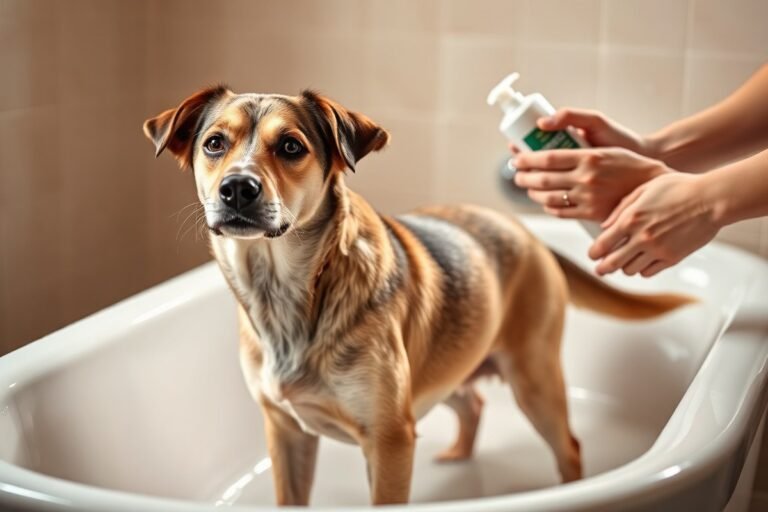
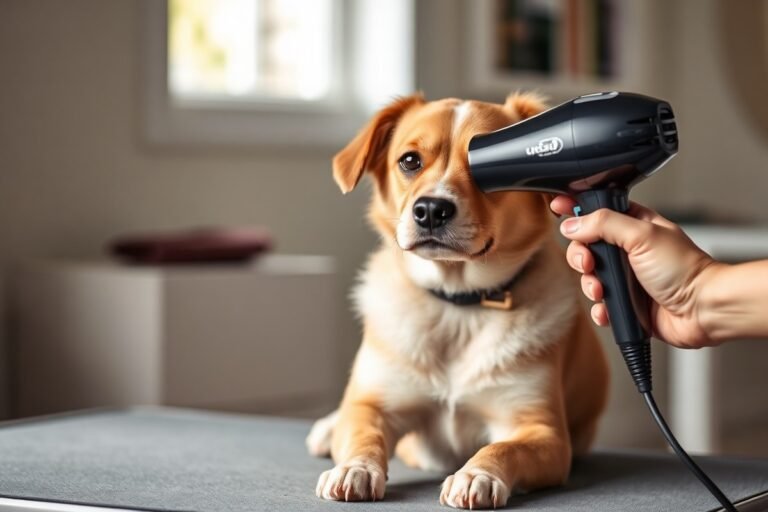
Bathing should be done sparingly to preserve the natural oils that protect the coat. After bathing, drying thoroughly helps prevent skin irritation and fungal issues.
During heavy shedding seasons, additional grooming sessions can help control fur and maintain coat integrity.
Double Coats in Outdoor Apparel
Design Principles of Double Coat Clothing
Some outdoor jackets mimic the double coat concept with an insulating inner layer and a weather-resistant outer shell. This dual-layer design enhances warmth retention and protects against wind and moisture.
Materials like fleece or down serve as an insulating undercoat, while synthetic shells repel rain and snow.
Benefits for Outdoor Activity
Wearing double coat-like apparel offers balanced protection, keeping wearers warm without overheating. The outer shell’s breathability prevents moisture buildup, enhancing comfort on long hikes or cold weather outings.
These garments are typically lightweight and packable, convenient for changing conditions.
- Windproof outer shell
- Insulating inner layer
Common Misconceptions About Double Coats
Shaving Is Safe for Double Coats
A widespread myth is that shaving a double-coated dog helps reduce shedding and heat. However, shaving can permanently damage the coat, disrupt natural temperature regulation, and increase risk of sunburn.
Maintaining the full double coat with proper grooming is the healthier approach.
For more on this, see our related guide: Should You Shave a Double Coated Dog? What Actually Happens and Safer Alternatives.
All Double Coats Are Thick and Fluffy
Not all double coats appear densely fluffy; some have shorter or coarser outer layers that may feel rough to the touch. The undercoat’s density often defines the fluffiness.
Breed and climate influence coat texture significantly.
Tools and Techniques for Managing Double Coats
Best Grooming Tools
An undercoat rake is essential to reach and remove the dense underlayer effectively. A slicker brush works well on the outer coat for detangling and smoothing.
Combining different tools based on coat condition helps maintain health and appearance.
- Undercoat rake
- Slicker brush
- Wide-tooth comb
For a broader scientific view of double coats, consult the Double Coat Wikipedia article for detailed explanations. Double Coat Wikipedia article.
Step-By-Step Grooming Routine
Start by gently detangling with a slicker brush. Then use an undercoat rake to remove loose hair from the base layers. Finish with a wide-tooth comb to catch any remaining mats or debris.
Consistency and patience during grooming reduce stress on pets and skin irritation.
- Begin with outer coat brushing
- Undercoat removal
- Final combing
Comparison of Different Double Coat Animal Breeds
Here’s how various double coat breeds compare in size, coat density, shedding level, and grooming needs.
| Breed | Size | Coat Density | Shedding Intensity | Grooming Frequency |
|---|---|---|---|---|
| Siberian Husky | Medium | High | Heavy seasonal | 3 times/week |
| Golden Retriever | Large | Medium-High | Moderate-Heavy | 2-3 times/week |
| Alaskan Malamute | Large | Very High | Very Heavy | 3-4 times/week |
| Norwegian Forest Cat | Medium | High | Moderate | 2 times/week |
| Samoyed | Medium-Large | Very High | Heavy | 3-4 times/week |
Frequently Asked Questions
Why do double coats shed so much?
Double coats shed heavily to adjust to seasonal temperature changes. The undercoat is replaced to allow better temperature regulation during warmer or colder months.
Is it okay to shave a double-coated dog in summer?
Shaving double-coated dogs is generally discouraged as it disrupts natural insulation and sun protection, potentially causing overheating and skin damage.
How often should I groom a double-coated pet?
Grooming should occur at least 2-3 times weekly, increasing during heavy shedding seasons to prevent mats and maintain coat health.
Can double coats prevent water from reaching the skin?
The outer guard hairs repel water, often letting it roll off, while the dense undercoat provides insulation once dry, keeping the skin protected.
Do double coats appear the same in all breeds?
No, double coats vary in texture, length, and density depending on the breed and environment, influencing how fluffy or coarse they appear.
Key Takeaways
- A double coat consists of an insulating undercoat and a protective outer coat.
- Double coats help animals regulate temperature and resist weather elements.
- Proper grooming prevents matting and supports coat health in double-coated pets.
- Double coat principles are also applied to outdoor clothing for weather protection.
Conclusion
Deciding how to care for or understand a double coat starts with recognizing its two distinct layers—the insulating undercoat and the protective outer coat. This combination equips animals to handle diverse weather conditions but also requires attentive grooming and care, especially during shedding seasons. Appreciating these two layers helps owners maintain their pets’ health and comfort throughout the year.
For pet owners, breeds like Siberian Huskies or Golden Retrievers demonstrate how double coats function in real environments—providing warmth in winter and cooling advantages in summer after shedding. Regular use of undercoat rakes and slicker brushes helps manage shedding and preserve the coat’s natural protective qualities. For those considering outdoor apparel, clothing designed with a double coat approach merges insulation and weather resistance effectively.
If you have a double-coated pet or are interested in double coat clothing, the next step is to invest in proper grooming tools and understand seasonal changes. Observing your pet’s coat health and adapting your care routine will make a significant difference in their wellbeing. For clothing, look for guaranteed insulated inner layers paired with durable waterproof outer shells for full double coat benefits.