How to Choose the Best Tick Remover for Dogs: Safe and Effective Options
The best tick remover for dogs is one that safely lifts the tick from your pet’s skin without squeezing its body, reducing the risk of infection. Tools like fine-point tweezers, specialized tick hooks, and tick removal pliers are designed to grasp the tick's head and pull straight out, minimizing harm to your dog.
Ticks pose a serious health risk to dogs by transmitting diseases such as Lyme disease and ehrlichiosis. Removing ticks promptly and correctly is vital to prevent infections and avoid flea-borne illness complications. Using the proper tick removal tool helps you safely and effectively remove ticks without leaving mouthparts embedded.
This article outlines different types of tick removers suited for dogs, discusses key features to look for, explains how to use each type properly, compares popular products, and answers common questions, ensuring you can confidently protect your pet.
Types of Tick Removers for Dogs
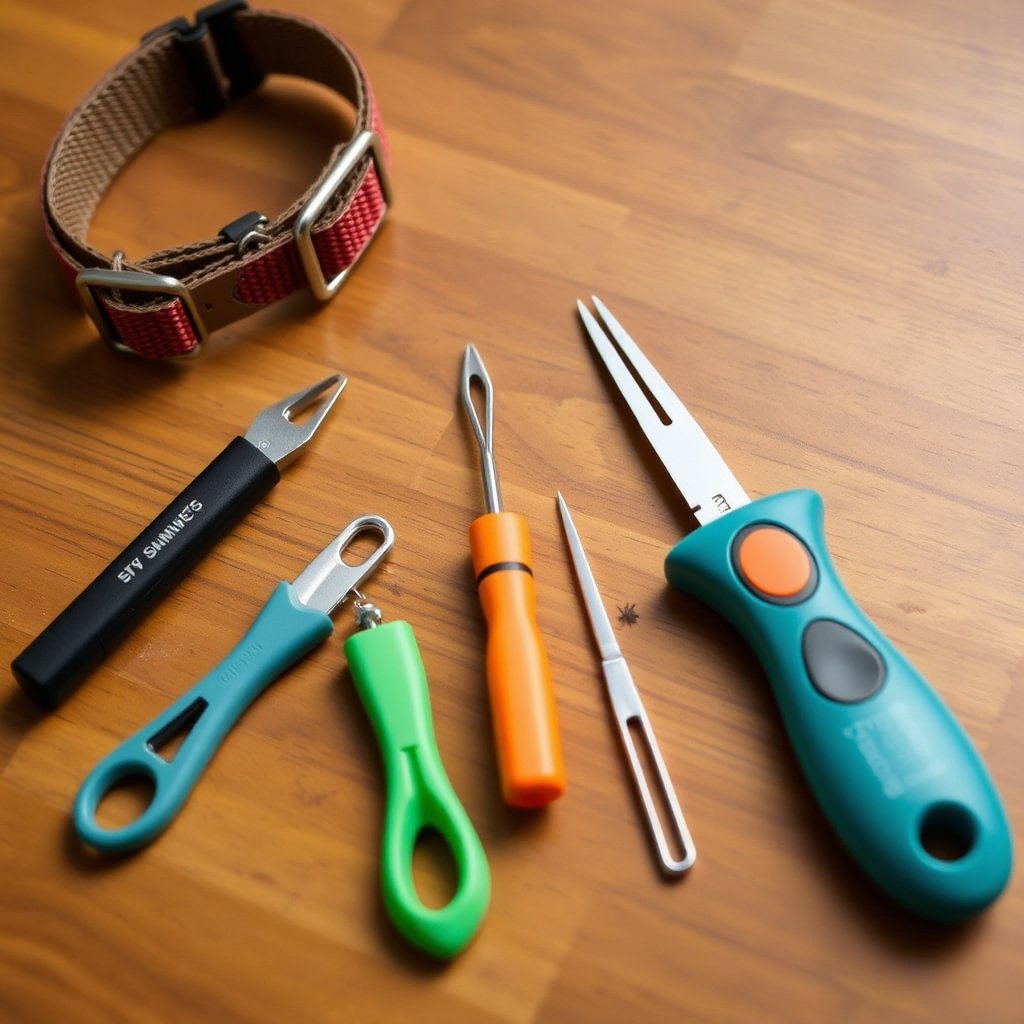
Fine-Point Tweezers
Fine-point tweezers are one of the most common and accessible tick removal tools. Their narrow tips allow you to grab the tick close to the dog's skin, enabling a slow and steady pull that minimizes the chance of the tick’s mouthparts remaining embedded.
When using tweezers, it is important to avoid squeezing the tick’s body to reduce the risk of injecting bacteria. Sterilizing the tweezers before and after use with alcohol also prevents contamination or infection.
- Affordable and widely available
- Requires steady hands
- Can be used on small or flat ticks
Tick Removal Hooks
Tick removal hooks, sometimes called tick keys or tick cards, have a specialized notch or slot designed to slide under the tick’s head. These tools twist and pull the tick out gently, increasing the chance of complete removal without squeezing.
Tick hooks are often made from lightweight plastic or metal and are easy to carry on walks or trips, making them a convenient choice for dog owners needing a quick, safe solution.
- Compact and portable
- Simple twisting action reduces risk of tick damage
- Reusable and easy to clean
Key Features to Look For in a Tick Remover for Dogs
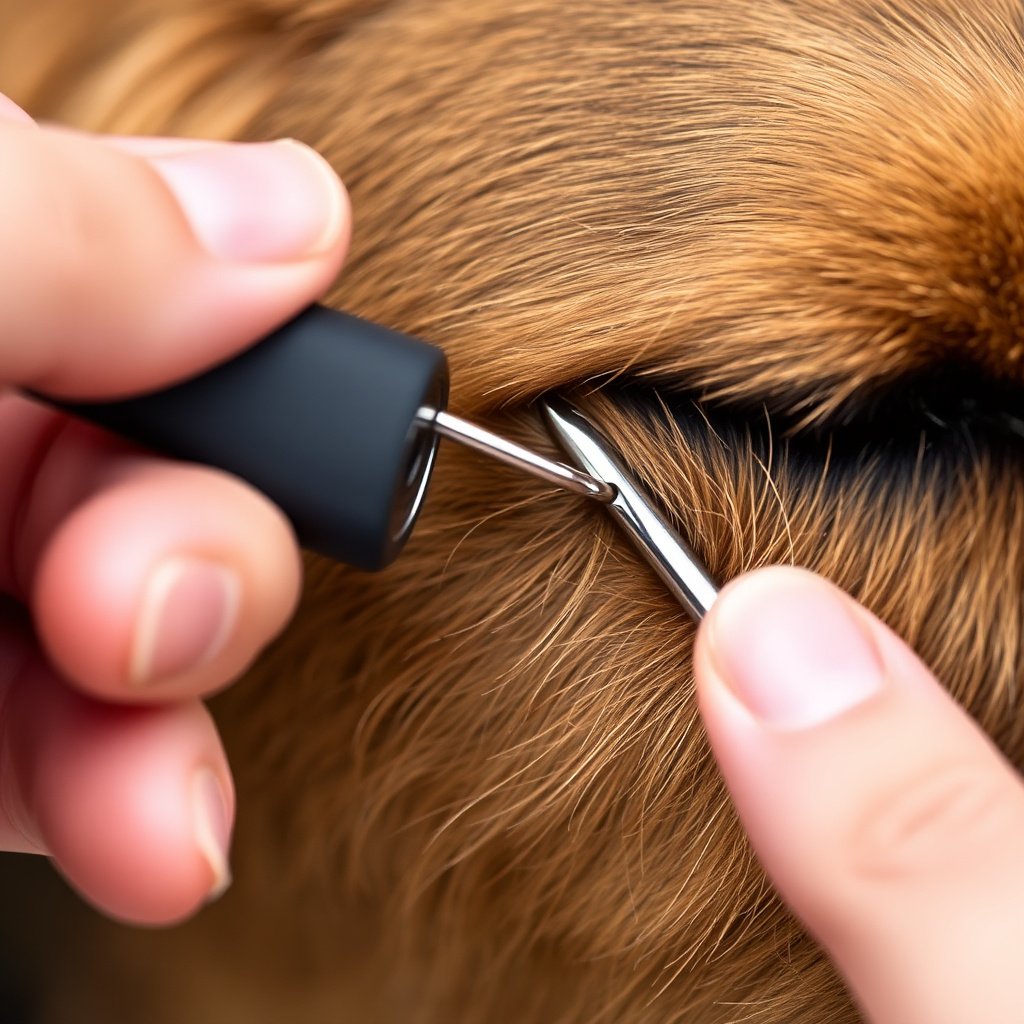
Precision and Grip
A good tick remover provides a precise grip on the tick’s head to avoid squeezing its body, which can inject harmful pathogens. Tools with fine, pointed tips or specialized slots are designed to hold the tick firmly while allowing gentle extraction.
Strong grip prevents the tick from slipping away during removal, which can be stressful for both you and your dog, and may cause incomplete extraction posing health risks.
- Narrow tips or notches for better control
- Non-slip handle for steady grip
- Sturdy build to avoid bending or breaking
Ease of Use and Safety
Ease of use is crucial in a tick removal tool, especially when working with a potentially nervous dog. Tools that require minimal force and simple motions reduce the time needed for removal, decreasing discomfort for your pet.
Safety features like blunt edges prevent accidental skin injury while handling your dog’s sensitive coat. Additionally, tools that are easy to sterilize help maintain hygiene between uses.
- Ergonomic handles for comfort
- Simple design reduces misuse
- Materials that can be sanitized (metal/plastic)
Using the Best Tick Remover for Dogs Correctly
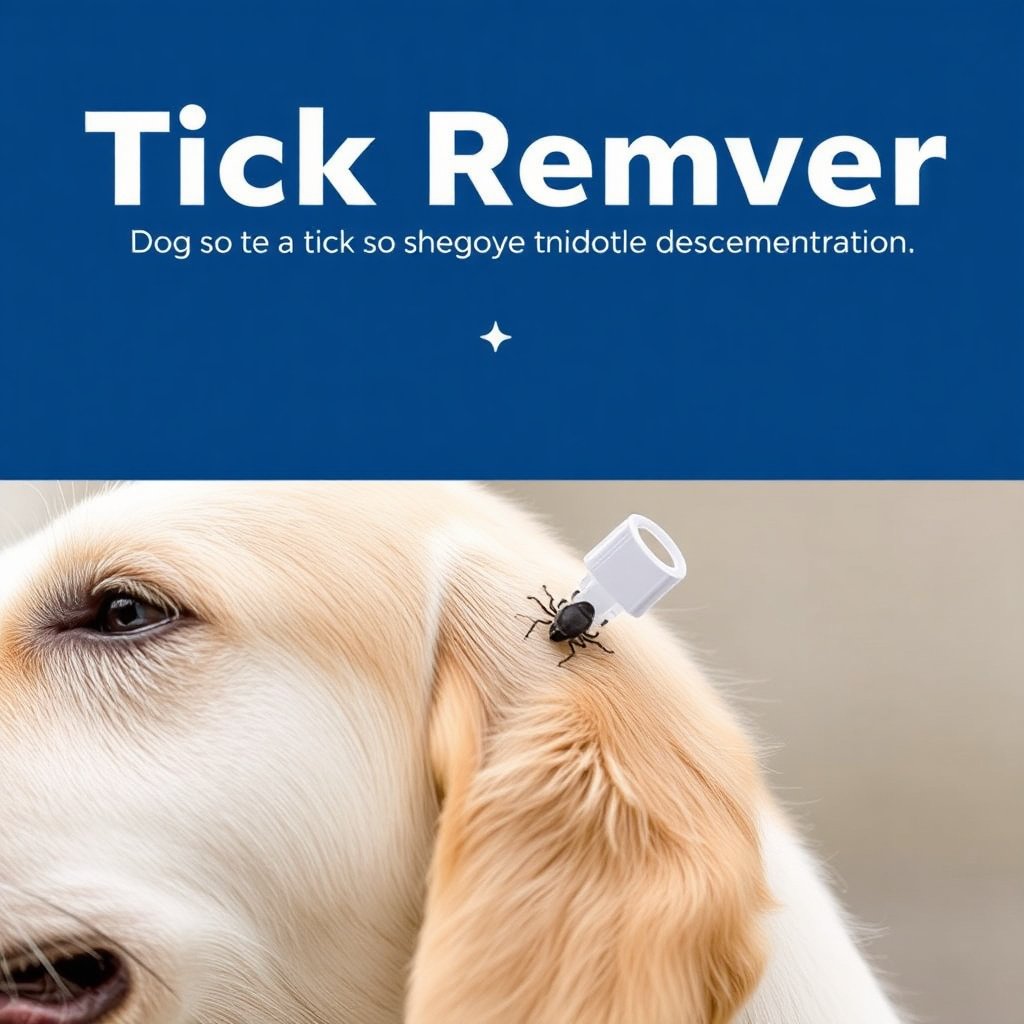
Step-by-Step Removal Technique
First, calm your dog and expose the tick by parting the fur around the bite. Position the tick remover tool close to the skin, gripping the tick’s head or mouthparts firmly but gently. Pull upward with steady, even pressure without twisting or jerking to avoid leaving parts behind.
If the tick's mouthparts do break off, try to remove them carefully with the tool or sterilized tweezers. After removal, clean the bite area and the tool with antiseptic. Dispose of the tick by flushing it down the toilet or placing it in alcohol.
- Avoid crushing the tick's body
- Do not use bare fingers
- Ensure full extraction for safety
For more on this, see our related guide: How to Remove Tree Sap from a Dogs Fur: 8 Safe Steps for Fast Relief.
Aftercare and Monitoring
After removing the tick, monitor your dog for any signs of infection or illness such as redness, swelling, fever, or lethargy. Contact your veterinarian if symptoms develop or if you’re unsure about the removal process.
Keeping records of tick bites and locations can be helpful for your vet to assess potential exposure to tick-borne diseases and recommend preventive measures moving forward.
- Clean bite site daily
- Watch for behavioral changes
- Schedule veterinary check if necessary
Popular Tick Remover Tools for Dogs on the Market
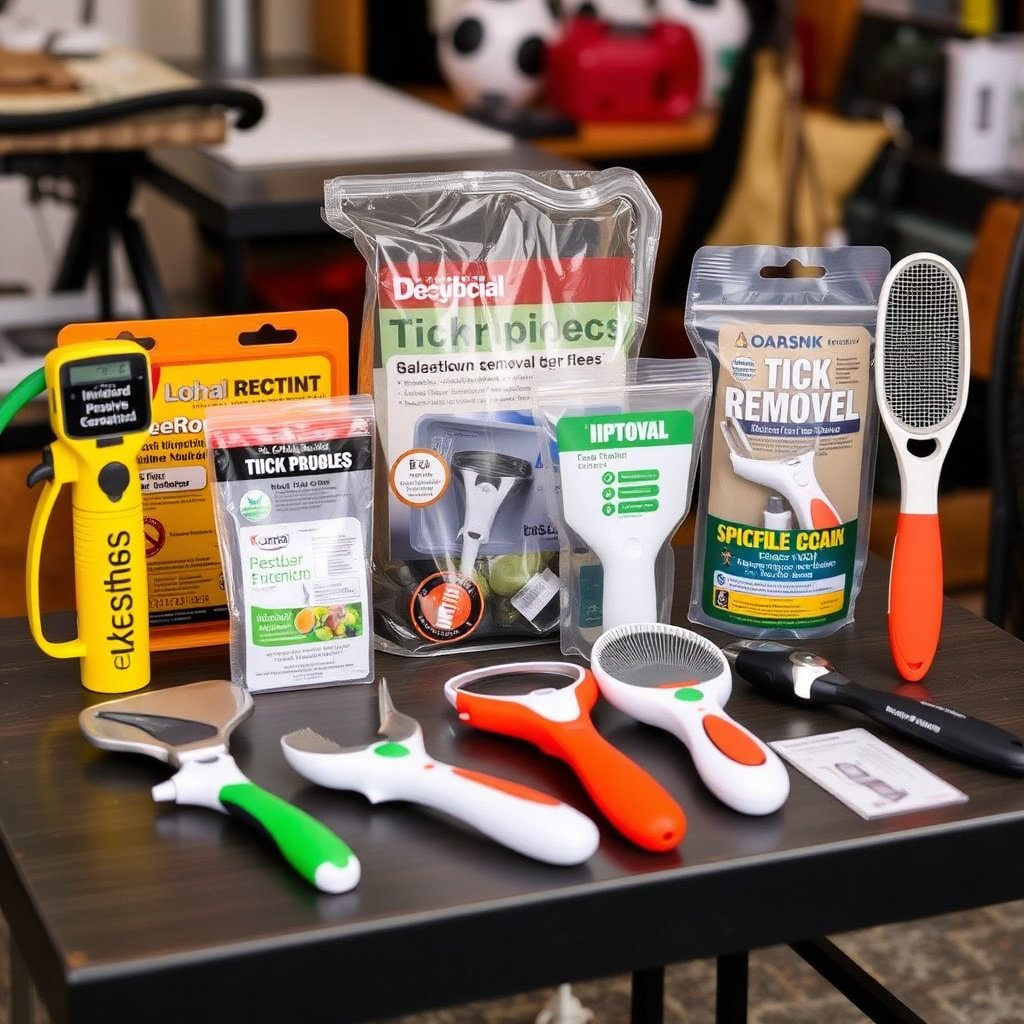
Tick Twister Tools
Tick twisters are curved, hook-like devices that slide under the tick and are then twisted to loosen the mouthparts from the skin. They come in different sizes for large and small ticks and are often made of plastic, making them lightweight.
They are praised for reducing the risk of the tick mouthparts detaching and remaining embedded, which can happen with tweezers if not used carefully.
- Available in multiple sizes
- Reusable and easy to sanitize
- Gentle twisting action
Premium Fine-Point Tweezers
Premium tweezers designed specifically for tick removal feature ultra-fine tips with serrated edges to improve grip on tiny ticks. They are typically crafted from stainless steel for durability and easy cleaning.
These tweezers are popular with veterinarians and professional groomers due to their precision and reliability, but they may require careful handling to avoid pinching your dog’s skin.
- High precision tips
- Durable stainless steel
- Suitable for various tick sizes
Preventative Measures Beyond Tick Removal

Tick Preventative Collars and Treatments
Tick preventive collars release insecticides that repel or kill ticks before they can attach to your dog, reducing the chance of needing tick removal tools frequently. These collars vary in efficacy duration, typically lasting several months.
Other topical or oral medications provide systemic protection, complementing physical removal tools by limiting tick survival and attachment.
- Long-lasting protection options
- Some require vet prescription
- Effectiveness varies by tick species
For more on this, see our related guide: How to Remove Ticks from a Dog: Safe Steps and Best Tools Explained.
Environmental Control and Inspection
Managing your dog’s outdoor environment is another layer of defense against ticks. Keeping grass trimmed, avoiding tick habitats, and inspecting your dog and family members after outdoor activities lower the risk of tick attachments.
Regularly using the best tick remover for dogs after walks further reduces health risks connected to tick bites.
- Maintain short grass and remove leaf litter
- Conduct daily tick checks
- Limit exposure in peak tick seasons
Cleaning and Maintaining Tick Removal Tools
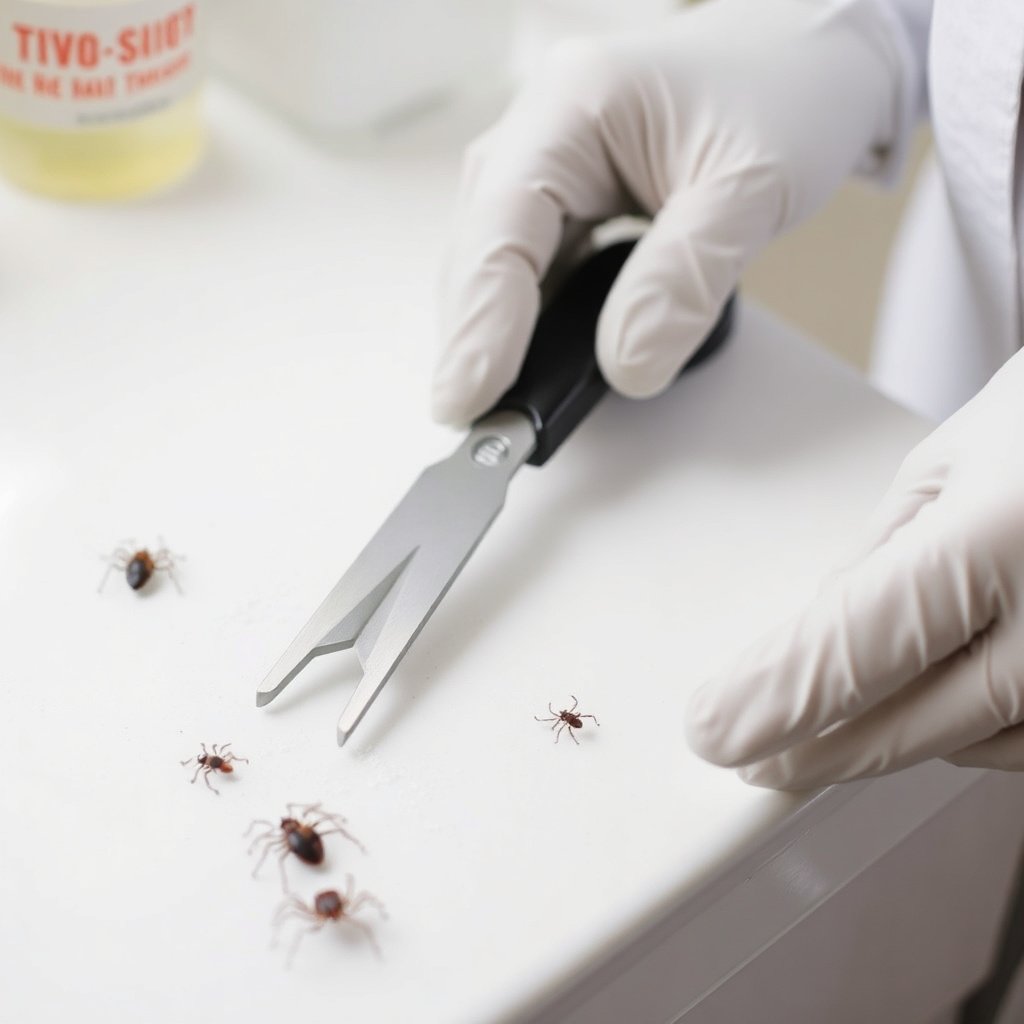
Proper Sterilization Techniques
After each use, tick removal tools should be cleaned with warm soapy water and then wiped or soaked in alcohol-based disinfectants to kill bacteria and prevent cross-contamination between pets or humans.
Avoid using harsh chemicals that can degrade the tool’s material. Dry the equipment thoroughly before storing to prevent rust or damage.
- Use isopropyl alcohol for disinfection
- Do not submerge wooden handles
- Ensure complete drying before storage
For detailed information on tick species and prevention, refer to tick information from the Centers for Disease Control and Prevention. tick information from the Centers for Disease Control and Prevention.
Storage Tips to Preserve Effectiveness
Store tick removers in a clean, dry container away from direct sunlight and moisture to maintain their shape and sharpness. Keeping them accessible ensures you’re ready for quick tick removal when needed.
Consider including your tick remover in your dog’s first aid kit alongside antiseptics and gloves.
- Keep in original protective case if available
- Store at room temperature
- Avoid contact with other sharp tools
Comparison of Popular Tick Remover Tools for Dogs
This table compares key features of common categories of tick removers for dogs, helping you decide which suits your needs best.
| Category | Material | Ease of Use | Best For | Price Range |
|---|---|---|---|---|
| Fine-Point Tweezers | Stainless steel | Moderate | All tick sizes; precision removal | $8 – $20 |
| Tick Hook/Key | Plastic or metal | Easy | Small to medium ticks; portability | $5 – $15 |
| Tick Twister | Plastic | Easy | Various tick sizes; gentle twisting | $7 – $18 |
| Specialized Tick Pliers | Metal with grips | Moderate | Heavy infestations; professional use | $15 – $30 |
Frequently Asked Questions
Can I remove a tick from my dog with my fingers?
Using your fingers is not recommended because it can squeeze the tick’s body, increasing infection risk. Always use a proper tick removal tool that grips the tick’s head to safely extract the entire tick.
How long should it take to remove a tick from a dog?
Removing a tick should take a few minutes with the right tool. Patience is key—pull steadily and avoid jerking to ensure the whole tick comes out intact.
What do I do if the tick’s head breaks off during removal?
If the head remains in the skin, try carefully removing it with sterilized tweezers. If unable to remove, clean the area and monitor for irritation or infection, contacting your vet if symptoms appear.
Are tick removal tools reused safely between pets?
Yes, as long as tools are properly cleaned and disinfected with alcohol between uses. Sharing uncleaned tools risks cross-contamination and spreading diseases.
How often should I check my dog for ticks?
Inspect your dog daily after outdoor activities, especially in areas prone to ticks. Early detection facilitates timely removal and reduces disease risk.
Key Takeaways
- Use tick removers that grip the tick's head to avoid infections.
- Twisting or pulling steadily helps extract ticks fully and safely.
- Keep removal tools clean and disinfected between uses.
- Complement removal with preventative treatments and environmental control.
Conclusion
Choosing the best tick remover for dogs hinges on safety, ease of use, and effectiveness in removing the tick entirely without causing harm to your pet or yourself. Assessing tools like fine-point tweezers, tick hooks, and tick twisters helps you find one that fits your comfort level and your dog's needs. Understanding the proper technique and aftercare complements the selection, ensuring you protect your dog from tick-borne illnesses efficiently.
For everyday use, tick hooks and twisters are excellent for their portability and user-friendly design, especially for owners managing smaller ticks during outdoor walks. Premium fine-point tweezers offer precision for heavier infestations or when dealing with very small ticks, suitable for careful hands. Combining these tools with preventative collars or topical treatments creates a comprehensive defense against ticks.
Your next step should be to acquire a trusted tick removal tool that fits your lifestyle, practice removing ticks safely, and maintain vigilant inspections after outings, especially in tick-prone seasons. By pairing the right tool with preventative measures and knowing the correct removal steps, you ensure your dog stays comfortable and protected year-round.