How to Get Rid of Dog Odor: 8 Proven Ways for Fresh Homes and Pets
To get rid of dog odor effectively, focus on cleaning your home thoroughly, grooming your pet regularly, and using odor-neutralizing products. Consistently treating surfaces like carpets and furniture, combined with good ventilation, helps keep your living space fresh. This approach suits dog owners who want practical, proven solutions to reduce pet smells at home and on their dogs.
Here, you’ll find simple ways to control and eliminate odors through grooming, targeted cleaning techniques, and safe natural remedies. These methods can work together to maintain a fresh environment for you and your dog without relying on harsh chemicals or expensive equipment.
Key Takeaways
- Brush and bathe your dog regularly to remove dirt and loose hair that trap odors.
- Use enzymatic cleaners on carpets and upholstery to break down odor-causing bacteria effectively.
- Let cleaning solutions sit for 10 to 15 minutes before wiping to maximize odor removal.
- Dry pet bedding in direct sunlight or tumble dry on high heat for 45 minutes to kill bacteria.
- Ventilate your home well to improve air quality and prevent buildup of persistent dog odors.
- Spot-clean accidents immediately and avoid hot water to prevent urine odor from setting.
1. Effective Ways to Remove Dog Odor from Your Home and Pet

To effectively remove dog odor from your home and pet, combine regular cleaning with targeted odor neutralizers and improved air quality. Keeping your dog clean, washing their bedding frequently, using enzymatic cleaners and baking soda, maintaining good airflow, and vacuuming floors are proven steps to control and eliminate dog smells quickly and thoroughly.
Bathe Your Dog with Pet-Safe Products
Bathing your dog regularly reduces odors caused by dirt, oils, and bacteria on their coat. Choose shampoos formulated specifically for dogs to avoid irritating their skin. Bathing frequency depends on your dog’s breed and activity level, but a bath every 2 to 4 weeks is common for most dogs.
Overbathing can dry out your dog’s skin and cause more odor problems, so avoid daily washes. Besides shampooing, brushing between baths removes loose hair and dander that trap odors.
Deep Clean and Deodorize Pet Bedding
Dog bedding absorbs sweat, dirt, and odors, so washing it regularly is critical. Use hot water (at least 130°F) and a pet-safe detergent to kill bacteria and remove odor buildup. Wash bedding at least once a week or more often if your dog sheds heavily or spends much time outside.
Using a baking soda rinse or adding 1 cup of white vinegar during the wash cycle helps neutralize resistant smells. Dry bedding thoroughly in sunlight or a hot dryer to prevent mildew and lingering smells.
Use Baking Soda and Enzymatic Cleaners
Baking soda is an odor absorber that works well on carpets, rugs, and upholstery. Sprinkle about 1/4 cup evenly over problem spots, let it sit for 15 to 30 minutes, then vacuum it up. Baking soda neutralizes odors rather than masking them.
Enzymatic cleaners target organic stains and odors caused by urine, saliva, and other pet sources. They break down molecules that cause odors. Apply enzymatic cleaner to stain areas, follow label instructions for dwell time, and blot the area dry. These cleaners are especially important for accidents on carpets or floors to prevent lingering smells.
- Sprinkle baking soda over the affected surface and wait 15-30 minutes.
- Vacuum the area thoroughly to remove baking soda and loosened debris.
- Apply enzymatic cleaner directly on pet stains or odor spots.
- Let the cleaner sit for the recommended 10-15 minutes.
- Blot with a clean cloth and avoid rinsing so enzymes continue working.
Increase Air Circulation and Use Air Purifiers
Good ventilation helps prevent dog smells from building up in rooms. Open windows and use ceiling or floor fans to circulate fresh air. Air purifiers with HEPA and activated carbon filters capture pet dander, bacteria, and airborne odor molecules without covering up smells with fragrances.
Place purifiers in areas your dog frequents most, such as living rooms and bedrooms. Empty or replace purifier filters regularly according to manufacturer recommendations to maintain effectiveness.
Vacuum and Clean Floors Regularly
Vacuuming removes hair, dander, and dirt that contribute to odors. Use a vacuum with a HEPA filter and clean multiple times a week. For hard floors, mop with pet-safe floor cleaners that include enzymatic action to break down residue.
Bare floors trap less odor than carpets but still need regular mopping to remove oils and dirt your dog brings in. Avoid harsh chemical cleaners that may irritate your dog or worsen odors.
2. How Regular Grooming Reduces Dog Odor Significantly

Regular grooming reduces dog odor significantly by tackling the smells at the pet’s source. Bathing, brushing, and dental care keep oil, dirt, and bacteria from building up on your dog’s skin, coat, and mouth. This routine prevents odor before it starts and helps your dog stay comfortable and cleaner longer.
Bathing Frequency Based on Breed and Activity
Bath your dog roughly once a month to keep odor under control without drying out their skin. Dogs with oily or short coats, like Beagles or Boxers, may benefit from monthly baths. Longer-haired or outdoor dogs might need a bath every three to four weeks depending on their activity level.
Dogs that swim, roll in dirt, or get sweaty generally need baths more often, while low-activity indoor dogs can go longer between washes. Use a mild dog-specific shampoo to avoid stripping natural oils. Always rinse thoroughly and dry your dog completely to prevent lingering damp smells.
Brushing and Coat Care for Odor Control
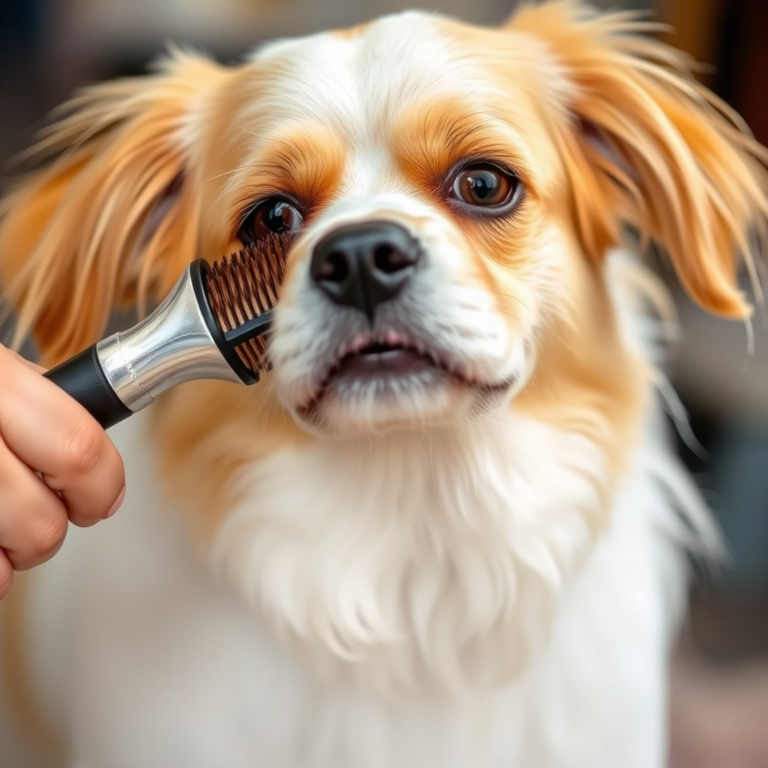
Regular brushing removes loose hairs and dirt before they cause odor and matting. Long-haired breeds need daily brushing, while shorter coats benefit from brushing at least twice a week. Brushing also distributes skin oils evenly, which keeps the coat healthy and smelling clean.
Besides odor control, brushing reduces hair shedding around the home and detangles fur where dirt can hide. Check for any skin irritations or hotspots while brushing, as infections can cause strong odors if untreated.
- Brush long-haired dogs daily, or at least five times a week
- Brush short-haired dogs twice weekly
- Use a slicker brush or grooming glove suitable for your dog’s coat type
- Clean your grooming tools regularly to avoid spreading bacteria
- Remove debris and mats carefully to avoid skin injuries
Neglecting to brush regularly can let odor-causing oils and debris build up, making future baths less effective.
Regular grooming appointment or a professional trim can also help keep odor-prone areas neat, such as around the ears, paws, and rear.
Dental Hygiene and Mouth Odor Prevention
Bad breath contributes to overall dog odor. Plaque and tartar buildup cause foul smells linked to dental disease. Brush your dog’s teeth at least two to three times a week using a dog-safe toothpaste and a soft toothbrush or finger brush.
If brushing is difficult, dental chews, rinses, or water additives designed to reduce plaque can assist. Regular dental checkups with your vet can catch and treat infections before they create strong oral odors.
- Brush teeth with dog toothpaste 2, 3 times weekly
- Use dental chews or treats as a supplement
- Provide fresh water to help wash away bacteria
- Schedule professional dental cleanings annually or as advised
Spot-Cleaning Between Baths
In between full baths, use spot-cleaning sprays or wipes to freshen odor-prone areas like paws, underarms, and around the mouth. Products like Citrus Magic Pet Odor Eliminator neutralize odors quickly without irritating skin.
For sensitive skin, natural options such as oatmeal baths or a light application of coconut oil can soothe and deodorize. Wipe your dog down after outdoor walks to remove dirt and allergens that can cause odor buildup indoors.
- Use pet-safe odor neutralizing sprays for quick refreshes
- Wipe paws and underarms with damp cloth or pet wipes
- Apply coconut oil sparingly for dry skin and odor control
- Try oatmeal baths occasionally for skin soothing and deodorizing
- Keep ears clean and dry to avoid yeast infections and smell
Don’t over-bathe to spot-clean; too much washing strips oils, causing dry, itchy skin and worsening odors.
3. Natural and DIY Remedies for Neutralizing Dog Smell Safely
Natural ingredients like baking soda, white vinegar, and certain essential oils neutralize dog odors effectively without harsh chemicals. These remedies work by absorbing or breaking down the compounds that cause smell, making your home fresher and safer for pets. Homemade sprays and deodorizing methods are affordable and easy to apply, with attention to pet safety.
Baking Soda Applications for Fabric and Carpets
Baking soda is a trusted natural deodorizer that absorbs moisture and neutralizes odors on contact. It’s safe for use around pets and works well on fabrics, carpets, dog beds, and upholstery. Apply baking soda liberally and allow it to sit long enough to soak up smells before vacuuming it away for best results.
Use baking soda about once a week or after your dog spends time in the area. It’s inexpensive, costing roughly $1 to $3 per box, and readily available at most stores.
- Sprinkle a generous layer of baking soda evenly over the carpet, furniture cushions, or the dog’s bedding.
- Allow it to sit for at least 1 hour, preferably overnight for stronger odors.
- Vacuum thoroughly to remove all baking soda residues.
- Repeat as needed if the odor persists, but avoid soaking fabrics as baking soda can leave residue if not removed completely.
DIY Vinegar and Water Spray for Surfaces
Mixing equal parts white vinegar and water creates a simple, natural spray that deodorizes and cleans hard surfaces safely. Vinegar’s antibacterial properties help neutralize odor-causing bacteria, while its smell dissipates quickly after drying. Avoid spraying this mixture directly on your dog or delicate surfaces like hardwood without testing first.
This spray works well on floors, walls, crates, and hard furniture. Prepare a fresh batch using household white vinegar, which costs around $2 to $4 per gallon.
- Combine 1 cup of white vinegar with 1 cup of water in a spray bottle.
- Shake gently to mix.
- Spray the mixture onto the odor-prone surface, such as pet beds or floors.
- Let it sit for 5 to 10 minutes to allow neutralization.
- Wipe or air dry the surface completely.
- Use weekly or after cleaning to maintain freshness.
- Keep your dog out of the treated area until it dries to prevent irritation.
Using Essential Oils Safely Around Pets
Certain essential oils like lavender, eucalyptus, and citrus may help mask dog odors but must be used carefully. Some oils can be toxic to dogs, especially in concentrated forms or when sprayed directly on them. Dilute oils properly and avoid direct contact with your pet’s skin or nose.
Create a mild essential oil spray by diluting drops in water and test in small amounts electronically or in well-ventilated rooms. Ensure your dog can leave the area if they choose to avoid the scent. Consult your veterinarian before introducing any new oils.
- Fill a spray bottle with 8 ounces of water.
- Add around 3 to 5 drops of an essential oil that is safe for pets, like lavender, to your mixture.
- Shake well to combine.
- Lightly mist carpets, furniture, or air, avoiding direct application on your dog.
- Observe your dog’s reaction; discontinue if you notice coughing, sneezing, or other distress.
- Use sparingly to avoid overwhelming your pet with fragrance.
Herbal Simmer Pots and Natural Air Fresheners
Simmering herbs and citrus peels in water on the stove releases natural fragrances that help cover dog odors safely. Ingredients like rosemary, cinnamon sticks, lemon slices, and cloves create a gentle, chemical-free air freshener. This boosts air quality without exposing your pet to synthetic scents or sprays.
Setting out small containers filled with baking soda or fresh coffee grounds near where your dog sleeps helps soak up smells gradually. Swap these out every few days to maintain their effectiveness.
- Fill a small pot with 2 to 4 cups of water.
- Add a handful of citrus peels, a cinnamon stick, and fresh herbs like rosemary.
- Simmer on low heat for several hours, replenishing water as needed.
- Keep the simmer pot away from your dog’s reach.
- Place bowls of baking soda or coffee grounds near dog beds or crates to absorb lingering smells.
- Replace absorbers every 3 to 5 days to maintain effectiveness.
4. Targeted Cleaning Techniques for Carpets, Furniture, and Floors
Deep cleaning carpets and upholstery is essential for removing dog odors embedded in fibers. Start by vacuuming thoroughly to lift surface dirt and pet hair. For spots where your dog frequently lies or pet accidents have occurred, apply an enzyme cleaner designed to break down the organic compounds causing the odor. Let the enzyme cleaner sit for at least 10 to 15 minutes before blotting with a clean cloth to allow the enzymes time to neutralize odors. For larger carpet areas, consider renting a carpet cleaner that uses hot water extraction; this method flushes out deep-set odors and residues. Keep your dog outside or in another room during this process until carpets dry completely, which usually takes 6 to 12 hours, to prevent new odors settling in. Frequent use of enzyme cleaners costs around $10 to $20 per bottle but can be applied repeatedly over weeks for persistent smells.
Upholstered furniture benefits from similar targeted treatments. If removable, machine-wash covers using a mild detergent combined with a pet-safe vinegar rinse to neutralize smells. For non-removable upholstery, spray the enzyme cleaner lightly and allow it to air dry. Baking soda sprinkled on cushions and vacuumed after 30 minutes also helps absorb lingering odors without harmful chemicals. Be cautious using steam cleaners on delicate fabrics to avoid water damage or shrinkage. Regularly wiping hard surfaces and the pet’s furniture with a natural pet odor eliminator can prevent buildup before smells become noticeable.
Sealed hardwood floors require gentle but effective treatment. Use a pet-safe cleaning solution and mop the floors thoroughly. Let the cleaning solution sit on the sealed wood for 5 to 10 minutes before wiping it off, as this waiting period helps break down deeper odor molecules according to the American Kennel Club. Avoid excessive water, which can damage hardwood. For tile or vinyl floors, hot water and a mild detergent work well, followed by a rinse with a pet-safe disinfectant to remove any residual scent. Regular sweeping and mopping reduce pet hair and dander collection that contribute to odor.
Consistent cleaning routines that address each surface based on its material offer the best chance of eliminating dog odors effectively. Carpets and soft furnishings trap the most smells and require enzyme treatments and occasional professional cleaning for stubborn cases. Hard floors benefit from sitting time with cleaning solutions to maximize odor removal without damage. Investing time and the right products leads to noticeable freshness and reduces the need for harsh chemical use, which can irritate your pet or family members.
5. Air Quality Improvements to Reduce Persistent Dog Odors
Ventilation is a foundational step in reducing dog odors indoors but usually isn’t enough by itself. Opening windows for 10 to 15 minutes daily helps push stale air out and bring fresh air in, which can noticeably reduce lingering smells. However, ventilation works best combined with other air quality improvements because dog odors often embed in furniture, carpets, and fabrics, releasing continuously over time.
Using an air purifier equipped with a HEPA filter specifically designed for pet odor control can make a significant difference. Air purifiers trap airborne dander, dust, and odor-causing particles, helping keep the air fresher for longer. The Shark NeverChange5 Air Purifier HP150UK, for example, was rated highly for removing pet odors quickly in independent tests, making it a solid choice for pet owners. Ensure the purifier you choose can cover the square footage of the room where your dog spends the most time, common placement includes the bedroom or near the dog’s bed.
HVAC system upkeep is equally important in homes with pets. Air filters in these systems typically need to be replaced every 60 days in pet households, compared to the usual 90 days in pet-free homes. Dirty filters trap pet dander and odors but eventually become saturated, reducing airflow and causing stale smells to circulate. Regular replacement keeps your HVAC system running efficiently and prevents odor buildup over time.
| Air Quality Approach | Why It Matters | How Often to Maintain | Approximate Cost |
|---|---|---|---|
| Open Windows for Ventilation | Replaces stale, odor-filled air with fresh air | Daily, 10, 15 minutes | Free |
| HEPA Air Purifier (e.g., Shark NeverChange5 HP150UK) | Removes airborne dander and odors | Filter replacement every 6, 12 months depending on usage | $100, $200 upfront; $30, $60 per filter |
| HVAC Air Filter Replacement | Prevents pet dander from recirculating and reduces odors | Every 60 days in pet homes | $15, $30 per filter |
To keep your home’s air fresh, create a maintenance checklist: open windows daily for short bursts, inspect and replace air purifier filters every 6 to 12 months based on manufacturer recommendations, and schedule HVAC filter changes every two months if you have pets. If your dog tends to bring in dirt after walks, increasing air purification and ventilation frequency may be necessary during muddy seasons or shedding periods.
Avoid relying solely on ventilation to clear strong dog odors; combine it with regular HEPA air purifier use and timely HVAC filter changes for the best results.
6. How Diet and Health Affect Your Dog’s Smell
Bad diet can definitely cause your dog to have unpleasant body or breath odor. Foods that are low quality or not suited to your dog’s digestive system often lead to stronger gas and a foul smell coming from their mouth or rear. Sometimes, a sudden change in diet or feeding them table scraps can disrupt their gut balance and worsen the odor. Choosing a well-balanced dog food with high-quality protein and limited fillers helps keep smells at bay. Notice a rise in your dog’s breath or body odor after changing their diet? Try a formula made for sensitive digestion and talk with your vet for customized guidance.
Persistent or unusually strong dog odor is often a sign that a medical issue is developing. Skin infections, yeast overgrowth, or dental disease are common culprits that cause a yeasty or sour smell that no cleaning or bathing can fix. Dogs with chronic ear infections may also have a strong, unpleasant odor from the buildup in their ears. Your dog develops a strong odor that lasts despite regular grooming? Schedule a thorough exam with your veterinarian to check for underlying issues. They can check for infections, dental problems, or other health issues that might be causing the odor.
Deciding when to call the vet depends on a few signs. Use this symptom checklist: Is the odor strong and persistent? Is it accompanied by redness, swelling, scratching, or discharge from ears or skin? Does your dog have bad breath that smells sour or rotten? Are there any changes in behavior like lethargy, loss of appetite, or discomfort? You say yes to any of these questions? Make an appointment with your vet as soon as possible. Left untreated, infections and dental disease can cause more serious health problems and worsen the odor over time.
Regular health checks also help catch issues before they become noticeable smell problems. This includes routine dental cleanings, ear inspections, and skin assessments at your vet or groomer. Keeping up with these prevents buildup of odor-causing bacteria and yeast. Costs for vet visits vary, but a basic checkup usually runs between $50 and $150, with additional treatment depending on the condition. Investing in your dog’s health not only improves their quality of life but also reduces the persistent odors that can affect your living space.
Diet management can prevent dog smell related to digestion. Feeding smaller, more frequent meals and avoiding sudden diet changes helps reduce gas and odor. Some dogs benefit from probiotics or supplements aimed at supporting gut health, but check with your vet before adding these. For body odor directly linked to skin health, omega-3 fatty acid supplements can improve coat condition and reduce inflammation. Good water intake and regular bathing also support a healthier skin environment. Monitoring your dog’s smell keeps your home fresher and your pet more comfortable.
7. Common Mistakes in Dog Odor Removal and How to Fix Them
Using the wrong cleaning products or techniques can make dog odors worse by setting the smell deeper into fabrics or leaving behind residues that attract dirt and bacteria. For example, ammonia-based cleaners can mimic the smell of urine, confusing your dog’s instincts and causing repeat marking. Avoid bleach or harsh chemicals on pet bedding and upholstery, as these can degrade fibers and irritate your dog’s skin.
Masking sprays and scented air fresheners often do more harm than good when trying to eliminate dog odor. These products cover the smell temporarily but don’t remove the underlying cause. The combination of pet odor and artificial scents may create an unpleasant mix, sometimes intensifying the perceived smell rather than reducing it. Use neutralizing sprays specifically designed for pet odors, not just standard air fresheners.
Handling pet fabrics like dog beds or blankets requires care. Using hot water or high heat in the dryer might shrink or damage materials, but cold or warm water with an enzymatic cleaner helps break down odor-causing proteins effectively. Avoid fabric softeners, which can leave residues that trap smells. Let the items air out completely before returning them to their spot.
- Don’t use ammonia or bleach on pet odor stains, opt for enzymatic cleaners designed for pet urine and odors.
- Skip scented sprays that only mask odors; choose pet-safe odor neutralizers instead.
- Wash dog fabrics in cold or warm water using pet odor detergents; avoid hot water and fabric softeners.
- Spot-test any new cleaner on a hidden fabric area to avoid damage.
- Dry pet fabrics fully in natural air or low dryer heat to prevent shrinkage and bacterial growth.
- Regularly clean dog bedding and upholstery to prevent odor buildup.
- Replace heavily soiled pet items that no longer respond to cleaning.
Following these steps costs little more than purchasing a quality enzymatic cleaner, which typically ranges from $10 to $20 for a bottle that lasts several cleanings. The extra time spent on proper washing and drying routines, about 30 to 60 minutes for a full load plus air drying, is a worthwhile investment for lasting odor control. Good results look like fabrics that smell fresh without any chemical or artificial scent lingering, creating a healthier space for your dog and your family.
8. When to Call a Professional for Dog Odor Problems
Persistent or unusually strong dog odor around your home can signal the time to call in professionals. When your cleaning efforts, including enzymatic cleaners or homemade remedies, fail to remove odors from carpets, furniture, or air ducts, hiring a professional cleaner is a good choice. Professional services use industrial-strength equipment such as truck-mounted steam cleaners and specialized pet stain removers that penetrate deep layers of carpet or upholstery fibers. Renting a carpet cleaning machine can help, but professionals often achieve more thorough results, especially when odors have soaked into drywall or air ducts, which might need cleaning every 2 to 3 years to reduce embedded smells.
Watch for signs from your dog that suggest a veterinary exam is needed. Strong dog odor may result from skin infections, dental disease, ear problems, or other health issues. A sudden change in your dog’s smell, paired with symptoms like scratching, redness, discharge, or lethargy, calls for a prompt vet visit. A vet can diagnose and treat conditions that contribute to odor, such as yeast infections or periodontal problems, which no cleaning method can resolve. Keeping your dog’s grooming and health checkups current also prevents odor buildup related to poor hygiene or untreated illnesses.
Deciding when to seek professional cleaning or veterinary help depends on how long the problem has lasted and how much DIY cleaning has been attempted. Cleaning dog urine stains quickly with enzymatic cleaners reduces odors, but if smells linger after several days, contacting a professional cleaner is wise. For chronic smells persisting beyond a week despite regular cleaning, or odors returning repeatedly from the same spot, professional intervention can address underlying contamination. Similarly, unexplained odors from your dog that won’t clear after grooming require vet assessment within days.
Professional cleaning services generally cost between $100 and $300 for a single room, depending on size and severity, with prices rising for whole-house treatments or duct cleaning. Though this is more expensive than DIY methods, the investment usually results in noticeably fresher surfaces and air quality for months, avoiding recurring odors. Veterinary visits for odor-related issues may cost $50 to $200 or more, especially if diagnostics and treatments like medications or professional grooming follow. Ignoring unresolved odors can lead to worsened pet health or even structural damage to your home’s materials.
Don’t delay a vet visit if your dog’s odor changes suddenly or comes with skin irritation; underlying health problems can worsen quickly if untreated.
Step-by-Step Action Plan to Eliminate Dog Odor
Follow these steps to quickly reduce dog odors and create a fresher home environment.
- Day 1: Bathe your dog using a gentle, odor-neutralizing shampoo to remove surface oils and dirt. You’ll notice less pet smell right after drying.
- Day 2: Deep clean any carpets, rugs, and furniture your dog uses with an enzymatic cleaner designed for pet odors. Check if the smell improves within 24 hours.
- Day 3: Wash all dog bedding, blankets, and washable toys with hot water and pet-safe detergent. Fresh laundry smell is a good sign of success.
- Week 1: Set up an air purifier with a HEPA filter near high-traffic pet areas to reduce airborne odors and dander. Monitor air freshness throughout the week.
- Week 2: Adjust your dog’s diet to include foods known to reduce body odor, avoiding low-quality fillers. Observe any changes in your dog’s scent over the next several days.
- Ongoing: Groom your dog regularly, including brushing and dental care, to prevent odor buildup. Keep grooming twice a week or as needed for your dog’s breed.
- If odor persists after 3 weeks: Contact a professional cleaner for deep steam cleaning and consult a veterinarian to rule out underlying health issues affecting your dog’s smell.
Frequently Asked Questions
What Is the Most Effective Way to Quickly Get Rid of Dog Odor?
The fastest way to get rid of dog odor is giving your dog a thorough bath. This removes surface oils and dirt causing the smell, helping freshen your dog and your home in minutes.
How Often Should I Brush My Dog’s Teeth to Reduce Odor?
Brushing your dog’s teeth regularly, ideally daily or at least several times a week, helps reduce bad breath and overall dog odor. Dental care prevents bacteria that cause foul smells from building up inside your dog’s mouth.
Can Natural Oils Like Lavender Eliminate Dog Odors Safely Around Pets?
Natural oils such as lavender and eucalyptus can help cover dog odors, but always use them diluted and in well-ventilated areas to avoid irritating your dog’s sensitive nose or skin.
What Cleaning Products Work Best for Dog Urine Odors on Carpets?
Enzyme-based cleaners are best for dog urine odors on carpets as they break down odor-causing molecules, fully eliminating the smell rather than masking it. Avoid harsh chemicals that can irritate pets.
Do Dietary Changes Really Affect How Much a Dog Smells?
Yes, a dog’s diet impacts its natural scent. High-quality food with balanced nutrients supports better skin and coat health, reducing strong odors from skin or digestive issues.
When Should I Consider Hiring a Professional to Deal with Dog Odor?
Call a professional when home methods fail, especially if odors persist despite cleaning or if health issues might cause the smell. Experts offer deep cleaning and help identify underlying problems.
Key Points to Remember
Removing dog odor effectively depends on a combination of cleaning, grooming, and addressing your pet’s health. Starting with these steps can significantly freshen your home and improve your dog’s comfort. Begin by scheduling a bath and targeted cleaning today to experience the first signs of improvement.