Should You Bathe a Dog Before or After Grooming? A Complete Guide for Dog Owners
It’s generally best to bathe your dog before grooming to remove dirt and loosen mats for easier brushing and clipping. Bathing first also helps you spot any skin issues early and promotes smoother grooming sessions. This advice suits dog owners planning to groom their pets at home or prepping for a professional appointment.
You’ll learn how different coat types influence whether to bathe before or after grooming, tips on preparing your dog for grooming, and when to consider professional help. Implementing the right order keeps your dog comfortable and improves grooming results.
Key Takeaways
- Bathe your dog before grooming to remove dirt and loosen tangles for easier brushing and clipping.
- Brush your dog’s coat prior to bathing to remove loose hair and mats, especially with long-haired breeds.
- Feed your dog a light meal 1 to 2 hours before grooming to reduce anxiety and keep energy steady.
- Short-haired and curly-coated dogs typically need grooming every 4 to 6 weeks; long-haired dogs require it every 3 to 4 weeks.
- Start grooming puppies after 8 to 12 weeks once they have basic vaccinations to get them comfortable early.
- Post-bath brushing helps remove remaining loose fur and gives the coat a polished, healthy look.
Should You Bathe a Dog Before or After Grooming?
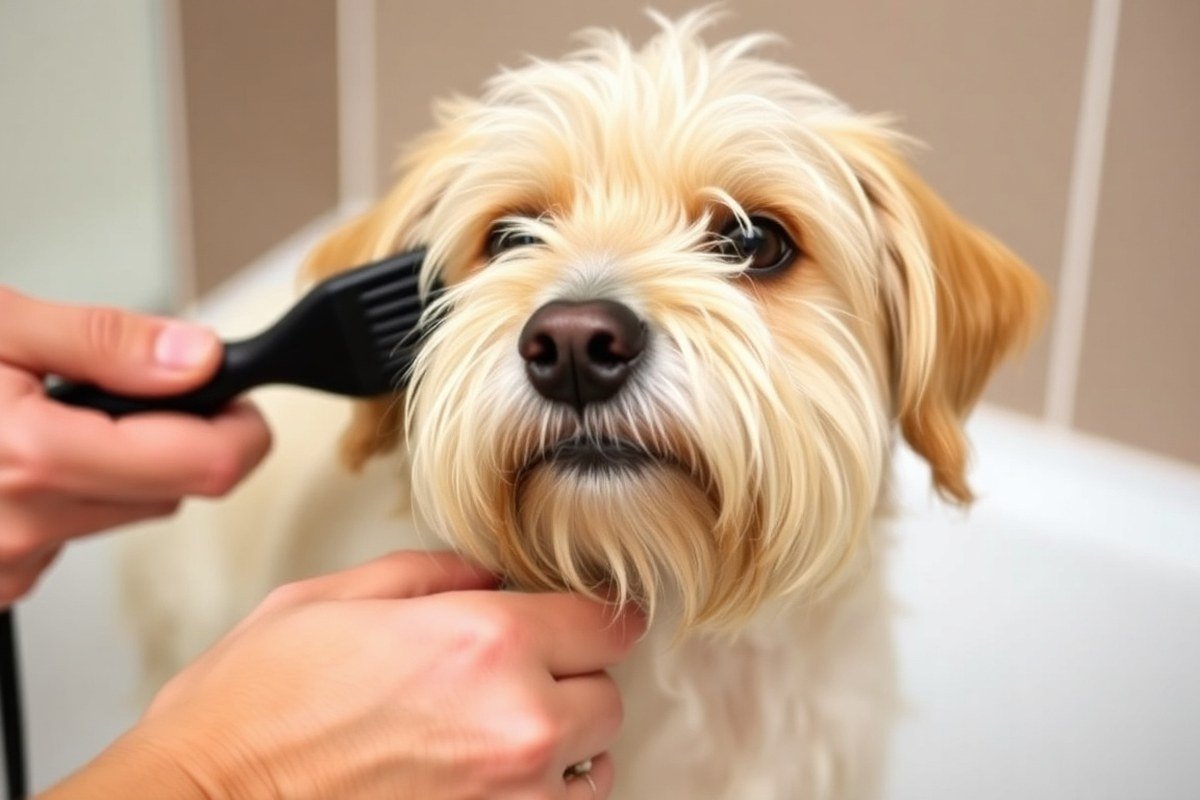
Bathing your dog before grooming usually makes the grooming process easier and cleaner. Washing removes dirt, oils, and loose hair that can interfere with brushing and clipping. For example, a bath softens the coat, making mats easier to brush out or clip away, which helps prevent tugging or discomfort during grooming. This approach works well when your dog’s coat is fairly clean and mat-free at the start. Bathing first sets you up to do a thorough job with trimming and styling since the fur is fresher and more manageable.
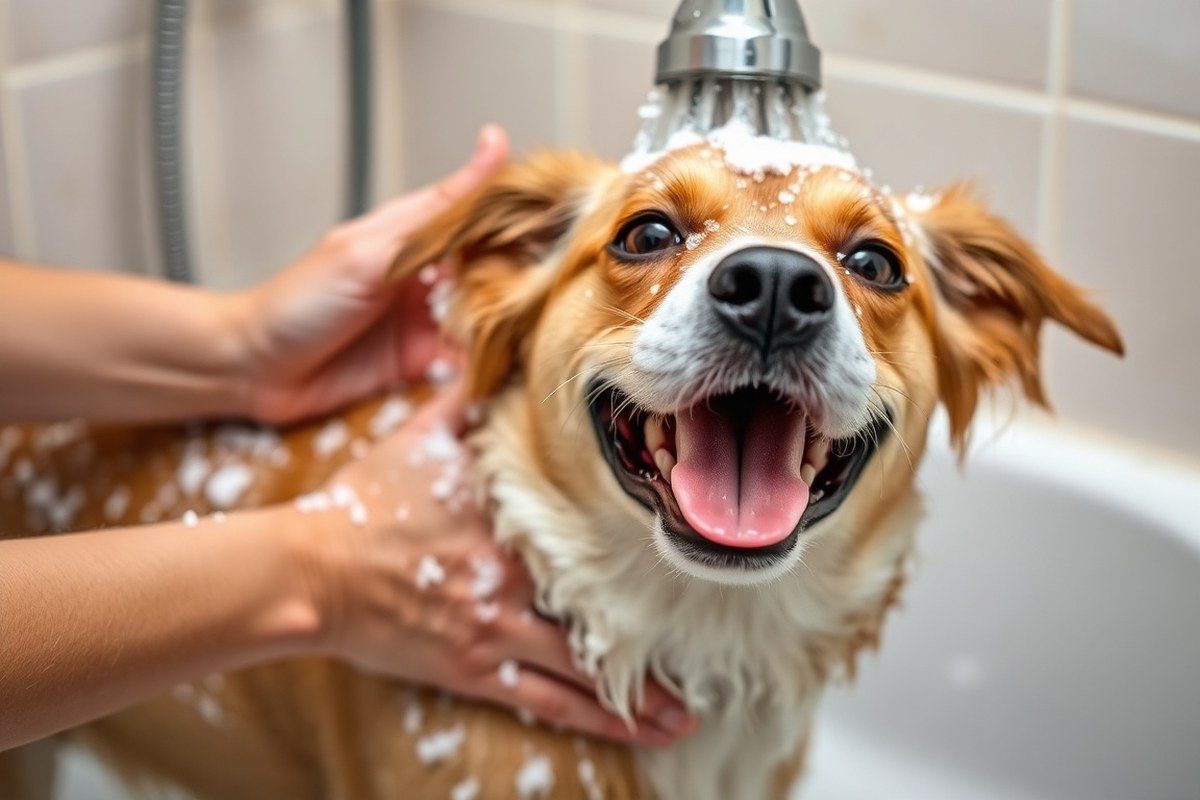
To bathe before grooming effectively, use lukewarm water around 90 to 100 degrees Fahrenheit. Apply a dog-specific shampoo suitable for your dog’s coat and skin type, then rinse thoroughly. Dry the coat well with towels or a pet dryer before starting grooming. Allow at least 30 minutes of drying time if you plan to clip or trim, especially for dogs with thicker coats. This prevents clippers from clogging with wet fur and helps scissors make cleaner cuts. Baths before grooming typically take about 15 to 30 minutes, depending on coat length and dirtiness.
Grooming before bathing makes sense when the dog has severe matting, thick tangles, or heavily soiled fur. Working with dry hair lets you clip or rake out mats carefully without them tightening up as they would when wet. It also helps remove dead hair and roughen up the coat, allowing shampoo to penetrate better during the bath. In these cases, start with brushing and clipping away mats or excess fur, then follow with a bath to clean remaining debris and soothe the skin. This staged approach reduces discomfort and makes both bathing and grooming safer and more effective.
This method suits breeds prone to matting, like Shelties or poodles, where tackling mats and tangles first is key. It’s also effective if your dog is very dirty or has debris stuck in the coat that needs to be clipped away before soaking. Grooming before bathing often takes longer overall since you’re splitting tasks into two sessions: a dry groom first, then a bath and finishing touches afterward. You’ll want to plan for about 30 to 45 minutes for initial grooming and another 20 to 30 minutes for bathing and drying.
Choosing whether to bathe before or after grooming depends on your dog’s coat condition and your grooming goals. For quick touch-ups or routine grooming with a clean coat, bathing first works best. When the coat is tangled, matted, or very dirty, groom first to reduce discomfort and improve coat condition before the bath. Both approaches contribute to a cleaner, healthier coat, but picking the right order helps avoid skin irritation, improves grooming ease, and helps you keep your dog comfortable throughout the process.
How Your Dog’s Coat Type Affects Bathing and Grooming Order
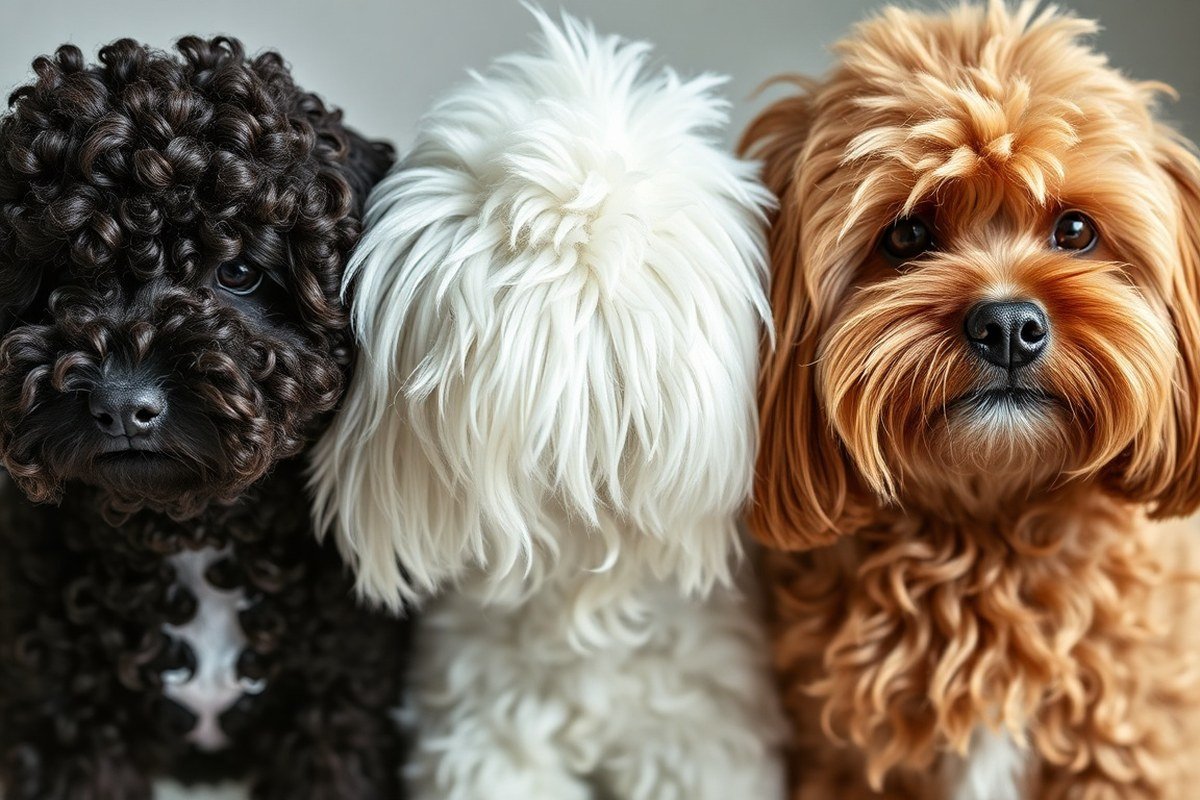
Your dog’s coat type plays a big role in deciding whether to bathe before or after grooming. Coats that are long, thick, or prone to matting usually benefit from a bath first. Wetting and shampooing loosen dirt and make brushing out tangles easier. Short-haired breeds with smooth coats often require less preparation and can be groomed before a bath to remove loose hair and check skin condition. Shampooing right before trimming or styling makes the coat softer and easier to manage, especially if a conditioner follows the bath.
Breed-specific considerations also influence the order. For example, breeds like Poodles, Shih Tzus, or Bichon Frises, which have dense, curly coats, need thorough bathing and conditioning before grooming to avoid damage and matting during clipping. On the other hand, breeds like Boxers or Dobermans with very short coats can often skip an immediate bath, focusing instead on clipping and nail care first, then bathing if needed for skin issues or odor.
Consulting your dog’s coat condition right before grooming helps you tailor the process. If mats are extreme, it might be safer to clip down the coat dry before bathing, since water can tighten mats. Drying must be thorough before trimming to prevent irritation or uneven cuts. Sensitive skin or anxiety can call for adjusting the order to reduce stress.
| Coat Type | Bathing Timing | Reason | Breed Examples |
|---|---|---|---|
| Long, Thick, Curly | Before Grooming | Loosens mats, softens coat for clipping and brushing | Poodle, Bichon Frise, Shih Tzu |
| Short, Smooth | After Grooming or Optional | Remove loose hair and check skin first, bath for odor or skin care | Boxer, Doberman |
| Double Coat (Dense Undercoat) | Before Grooming | Helps shed loose undercoat and reduces tangles | Golden Retriever, Siberian Husky |
| Matted or Severely Tangled Coat | Groom (clip) Before Bath | Prevents mats tightening and discomfort | Any breed with heavy mats |
| Sensitive Skin | Bath After Grooming or Delayed | Reduces irritation by spacing out washing and clipping | Any breed prone to sensitivity |
This approach helps you avoid common pitfalls like clipping wet, tangled fur which causes uneven results or irritated skin. Proper drying between bath and grooming is key. Two people can make bathing and drying easier, managing your dog safely and keeping them calm. After grooming, a final check for mats, skin health, and nail trim ensures your dog looks and feels their best.
Make sure your dog’s coat is completely dry before starting any clipping or styling to avoid pulling hair and causing skin irritation.
Preparing Your Dog for Grooming: Bathing, Brushing, and Feeding Tips
Feeding your dog before grooming helps reduce their stress and makes the session go more smoothly. Brushing before the bath removes tangles that water can tighten, preventing discomfort and skin irritation. Managing anxiety is important, especially for dogs fearful of water, to ensure a calm experience.
Optimal Feeding Timing Before Grooming
Feeding your dog about an hour before grooming can calm them and lower stress levels. Giving food too close to the session, such as right before, risks upset stomach or vomiting, especially if your dog is nervous. Consider your dog’s age and health; puppies and senior dogs may need smaller, more frequent meals to avoid discomfort. A light meal or snack is usually best.
Water should remain available to keep your dog hydrated. Also, avoid strenuous play immediately after feeding to prevent digestion issues. Feeding beforehand can help your dog focus less on hunger and more on the grooming process.
Pre-Bath Brushing Strategies
Brushing your dog before bathing removes loose fur, mats, and tangles that water can tighten and make worse. Skipping this step often leads to painful grooming sessions and potential skin irritation. Focus on problem areas like behind the ears, under the legs, and around the collar where mats commonly form.
Use a slicker brush for thick coats or a comb for finer fur. Gentle but thorough brushing is key, take your time to avoid hurting sensitive spots. If you find severe mats, separate them carefully rather than pulling hard.
- Brush your dog in a well-lit, calm area
- Start with gentle strokes and increase pressure carefully
- Work in sections to ensure full coverage
- Use detangler sprays if your dog tolerates them
- Check for skin irritations or lumps as you brush
Regular brushing between grooming sessions keeps coats manageable and reduces haircut time, benefiting both you and your dog.
Managing Bathing Anxiety and Stress
Some dogs fear water or the bathing process, making grooming difficult. Preparing your dog gradually with positive reinforcement can help. Start by introducing them to water sources gently, for example, letting them explore a shallow tub with toys over several days.
Use calming techniques such as soothing voice tones, treats, and familiar bedding during grooming. A non-slip mat in the bath improves stability, decreasing anxiety related to slipping. Keep water temperature comfortable, around 90 to 100°F, to soothe your dog.
- Bring treats or favorite toys into the bathing area
- Keep bath time short and move at your dog’s pace
- Speak softly and avoid sudden movements
- Consider pheromone sprays or calming collars if suitable
- Ask your veterinarian about anxiety options if needed
For dogs with severe fear, break grooming into smaller sessions or seek help from a professional groomer experienced in handling anxious pets.
Step-by-Step Guide to Bathing Your Dog Before Grooming
Bathing your dog before grooming helps loosen dirt, soften the coat, and makes brushing and clipping more comfortable. Follow a clear routine using the right tools, shampoo, rinsing method, and drying techniques for the best results. Proper coat conditioning and detangling after the bath prevent matting and protect your dog’s skin during grooming.
Choosing the Right Shampoo and Conditioner
Select a shampoo that matches your dog’s coat type and skin condition. For dogs with sensitive skin, opt for a hypoallergenic or oatmeal-based shampoo to reduce irritation. Dogs with oily coats may benefit from a degreasing shampoo, while those with dry coats need a moisturizing formula. Conditioner is important for detangling and protecting the fur, especially in long or double-coated breeds.
Apply shampoo evenly over the wet coat, avoiding the eyes and ears. Let it sit for the time recommended on the label, usually 3 to 5 minutes, to thoroughly clean and benefit the skin. Follow with a conditioner that suits the coat type, leaving it on for 2 to 3 minutes if instructions specify.
Effective Rinsing and Water Temperature Tips
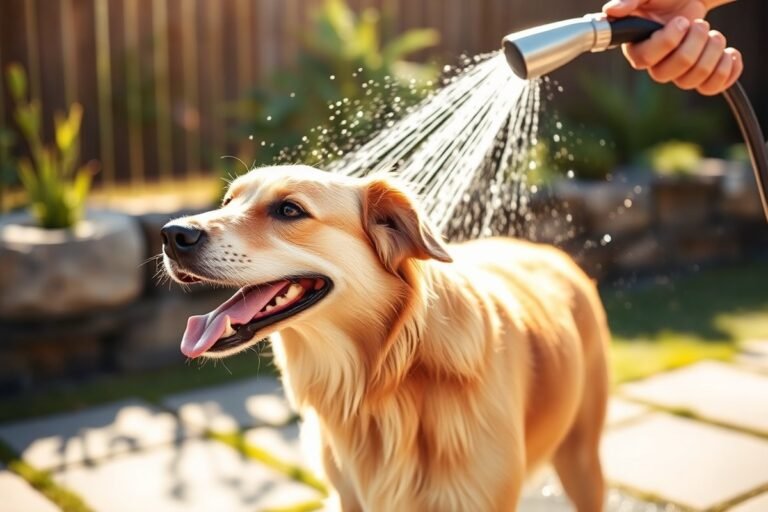
Rinse your dog thoroughly to remove all shampoo and conditioner residues, which can cause itching and dryness. Use lukewarm water, around 90 to 100 degrees Fahrenheit, to keep your dog comfortable and to open hair cuticles for better cleansing and conditioning. A handheld shower spray or grooming faucet attachment often helps rinse faster and more evenly, reaching deep into thick coats.
Ensure no product is left behind by running your fingers through the fur during rinsing. Excess soap or conditioner can end up causing irritations or make the coat sticky, complicating grooming tasks like clipping or styling.
Drying Techniques Before Grooming
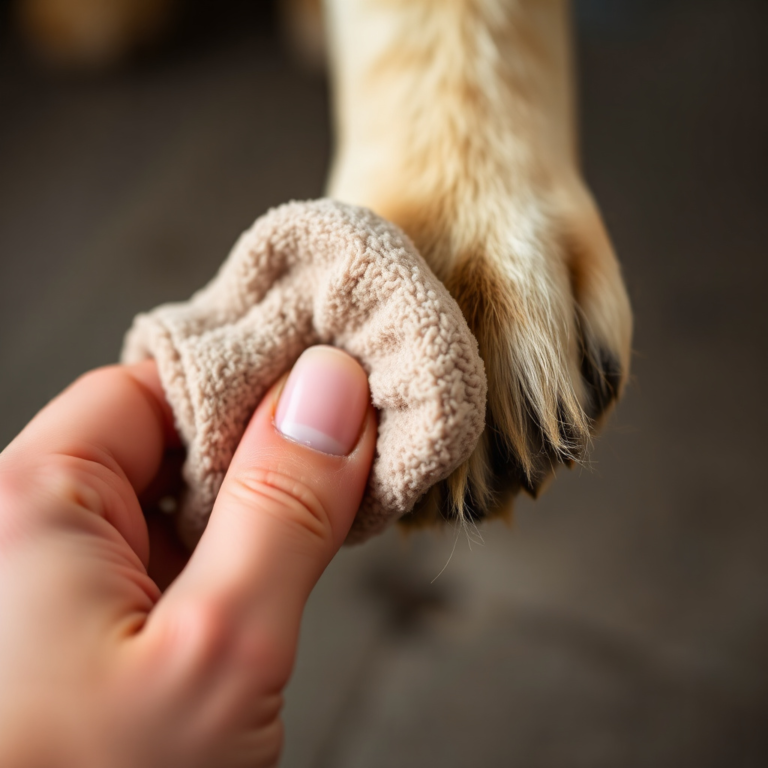
Proper drying prepares the coat for brushing and trimming, reducing snagging and discomfort. Begin by gently squeezing excess water from the coat with your hands, then use an absorbent towel to blot the fur, avoiding rubbing that can tangle the hair. For dogs with longer coats, using a high-absorbency microfiber towel can save time.
After towel drying, use a pet-safe blow dryer set on a warm, low airflow setting to completely dry the coat. Keep the dryer moving and hold it at least 6 inches away from the skin to prevent burns. Drying the coat fully softens the fur, making brushing easier and preventing damp mats that can worsen when cut or clipped.
- Brush your dog before the bath to remove loose hair and mild tangles.
- Wet the coat completely using lukewarm water and a shower spray if available.
- Apply shampoo evenly, avoid sensitive areas, and leave on 3 to 5 minutes.
- Rinse thoroughly with lukewarm water until no suds remain.
- Apply conditioner suited to your dog’s coat and leave for 2 to 3 minutes.
- Rinse out all conditioner thoroughly, checking the coat with your fingers.
- Gently squeeze out excess water and towel dry carefully.
- Use a pet dryer on a low setting to finish drying, ensuring the fur is fully dry before brushing and grooming.
Grooming Tasks Best Done Before Bathing Your Dog
Grooming activities like dematting, clipping heavily matted fur, nail trimming, and ear cleaning are often safer and more effective when done before bathing your dog. Tackling mats and tangles on a dry coat reduces the risk of pushing moisture deeper into the hair shafts, which can worsen mats and skin irritation. Clipping while the coat is dry also gives you more control and precision, preventing accidental cuts that could happen on a slippery, wet coat.
Dematting requires careful separation and cutting out of mats without pulling painfully on your dog’s skin. Doing this before the bath helps because wet mats become tighter and more painful to manage. Similarly, heavy clipping on a dry coat avoids uneven cuts and clogged clippers that can happen from wet fur. Nail trimming before bathing helps maintain nail health and reduces the chance of slipping on wet surfaces afterward. Ear cleaning prior to bath prevents water from entering and causing infections, especially if your dog is prone to ear issues.
Always use the right tools for dry grooming, such as dematting combs and electric clippers suited for dry fur, to avoid injury or discomfort.
- Dematting and removing tangles gently with a mat splitter or comb
- Clipping away heavily overgrown or matted fur with sharp dry-only clippers
- Trimming nails carefully with a proper clipper to avoid splintering or cracking
- Cleaning ears using veterinarian-approved wipes or solutions
- Brushing out loose fur to reduce shedding and prevent mats after the bath
Removing loose undercoat and dead hair before bathing helps get a more thorough washing and drying, especially for double-coated breeds. This pre-bath grooming usually takes 10 to 20 minutes, depending on coat condition and breed, but it significantly reduces post-bath tangles and drying time. Skipping these steps can cause mats to tighten, making them harder to remove and increasing skin irritation risks. Professionals often recommend scheduling full clipping sessions every 4 to 8 weeks to maintain coat health and avoid painful mat removals. At-home groomers should use caution and sharp tools to prevent discomfort and cuts on dry coats.
Post-Bath Grooming: Brushing, Clipping, and Styling Tips
After bathing your dog, it’s important to complete grooming by carefully brushing, clipping, and styling the coat to keep your dog comfortable and maintain healthy skin and fur. These steps allow you to remove tangles, shape the coat neatly, and avoid irritation or damage. Doing these tasks after bath time ensures the coat is clean, soft, and easier to manage.
Brushing and Detangling Techniques After Bath
Start by making sure your dog’s coat is mostly dry, either by towel drying or using a blow dryer on a low heat setting. A damp but not wet coat is easier to detangle. Use a wide-tooth comb or a slicker brush to gently work through mats and knots, starting near the ends of the hair and working toward the skin to avoid pulling on the roots. This reduces discomfort and prevents bath mats, deep knots that can irritate the skin.
Regular brushing after bathing helps remove dirt and dead hair loosened during the wash, distributing natural oils to keep the coat glossy. For dogs with thick or long fur, you might need several passes over the same section of coat. If stubborn mats remain, apply a detangling spray designed for dogs to help loosen them.
Safe Clipping and Styling on a Dry Coat
Once brushing is done and the coat is dry, clipping and styling become safer and more effective. Clippers work best on dry fur to ensure an even cut and avoid skin irritation. Holding the skin taut and using sharp, clean blades reduces tugging and prevents accidental cuts. Keep clipper speed moderate to avoid overheating, which can lead to discomfort.
For detailed styling, separate the coat into sections and clip or trim each area carefully. Finishing with scissor shaping allows refining the style without stressing the skin. Heating from drying also helps fluff the coat, making it easier to shape and reducing grooming time.
Some owners wonder if skipping the bath before grooming can save time. While trimming a very matted or heavily soiled coat before a bath can reduce grooming effort, clipping after bath ensures the fur stays clean and styling is more accurate. Choose the sequence based on how clean and tangled your dog’s coat is.
Preventing Skin Problems Post-Bath
Bathing and clipping can irritate the skin if you don’t take precautions. Make sure your dog’s skin is fully dry before clipping to prevent razor burn and friction sores. Avoid clipping too close to sensitive skin areas and watch for redness or discomfort during grooming. Using clipper blades and scissors with smooth edges helps minimize risks.
Post-bath application of a moisturizing pet conditioner or skin balm can help soothe the skin and reduce inflammation. Also, maintain hydration for your dog during grooming sessions to avoid overheating and stress, which can affect skin health. Here’s a checklist to help you complete post-bath grooming safely and effectively:
- Towel dry or blow dry your dog’s coat until mostly dry
- Gently brush with a wide-tooth comb or slicker brush to detangle
- Use detangling spray on stubborn mats if needed
- Clip or trim the coat with sharp, clean blades on dry fur
- Work in sections when styling or shaping the coat
- Avoid clipping too close to the skin or sensitive areas
- Apply a pet-safe moisturizing conditioner or balm after grooming
Special Cases: Tracking Skin Sensitivity, Matting, and Anxiety
Dogs with sensitive skin or allergies often require special timing and products for their baths. Bathing before grooming is usually best to remove allergens, dirt, and irritants that could worsen skin issues. Use a shampoo specifically designed for dogs with sensitive skin, avoiding human shampoos that disrupt pH balance. Keep water temperature lukewarm, around 90-95°F, to prevent drying or irritating their skin further. Limit bath frequency to avoid stripping natural oils; some dogs with allergies benefit from weekly or bi-weekly baths as directed by a veterinarian.
Stress during bathing or grooming shows in behaviors such as trembling, whining, panting, freezing, or attempts to escape. Dogs might also exhibit increased aggression or excessive licking of paws afterward. Grooming is a stressful experience for roughly 65% to 70% of dogs, so building a calm, positive environment is essential. For dogs with anxiety, split up grooming tasks into shorter sessions, using gentle praise and treats throughout. Start with slow introductions to handling before moving on to bathing, and use calm, reassuring tones. A pleasant bath that focuses on soothing touch rather than speed can help form positive associations with grooming.
Severe matting requires careful handling before any bath to avoid causing pain or damage to the skin. Start by brushing out tangles gently; if mats are very tight or close to the skin, saturate the coat with a conditioner, targeting those mats directly down to the skin. This softens the hair and reduces tugging during combing. Bathing after detangling can wash away loose hair and soothe skin pressed beneath the mats. Mats that are too severe require professional grooming, since removing them improperly can cause skin wounds or infections. Total grooming time can increase significantly with mat removal, expect sessions to last from 30 minutes to over an hour depending on coat severity and dog size.
For dogs showing signs of stress or skin sensitivity, consider breaking grooming into stages rather than completing everything in one day. For example, detangle and trim mats one day, then bath and clip two days later to reduce discomfort. Offering breaks and rewarding calm behavior during each step is key. Pause grooming and seek veterinary advice before proceeding when you spot inflammation, redness, or parasites while inspecting your dog’s skin during a bath. Handling sensitive skin and anxious dogs patiently helps encourage cooperation and reduces the risk of worsening skin problems or behavioral issues.
When to Consult a Professional Groomer for Bathing and Grooming
You should consider professional grooming if you notice persistent mats, excessive shedding, skin irritations, or signs of discomfort during home grooming. A professional groomer can assess your dog’s coat and skin health, managing issues that might be difficult to handle alone. Visit a groomer if your dog has a thick double coat, severe matting that brushing can’t fix, or if they resist grooming due to anxiety or sensitivity.
Professional groomers provide a range of services beyond washing, including safe blow-drying, sanitary trims, nail care, and ear cleaning. They use specialized tools and techniques to protect your dog’s skin and coat health, especially when dealing with mats or sensitive areas. This complete approach can reduce the risk of injury or stress that sometimes happens with inexperienced handling at home.
Skipping the bath before a grooming appointment might save you time, but it won’t always improve the quality or safety of the grooming session. Groomers often prefer to bathe after brushing out mats, as the International Professional Groomers Association recommends removing tangles before wetting to prevent tightening of mats and discomfort. In some cases, a bath before grooming can loosen dirt and hair, simplifying the cut and reducing allergens. However, if your dog’s coat is heavily soiled, a professional bath may be more effective since groomers have access to higher-quality shampoos and drying equipment.
Common mistakes owners make include bathing without properly brushing out mats first, leading to tighter tangles and skin irritation. Another error is trying complex grooming tasks like trimming or drying without professional tools or experience, which can cause uneven results or stress your dog. A fail-safe approach is to observe your dog’s reactions during home care and consult a groomer if you notice persistent grooming difficulties.
Budget is a factor as well. Regular professional grooming often averages $50 to $90 per session, depending on your dog’s size and coat condition, with extra charges for services like mat removal or conditioning treatments. DIY bathing can cut costs but might require more frequent grooming visits to maintain coat health. Evaluating your dog’s needs and your ability to safely manage grooming aspects will guide when professional help is needed.
Always brush out mats before bath time to prevent painful tightening; if mats are too severe, seek professional grooming to avoid skin damage.
Step-by-Step Action Plan for Bathing and Grooming Your Dog
Follow these steps in order to bathe and groom your dog effectively, with attention to coat type and comfort.
- Before grooming: Brush your dog thoroughly to remove loose hair and tangles; success looks like a smoother coat with fewer mats.
- Bath time: Bathe your dog using a gentle shampoo suited for their coat and skin; the skin should feel clean and not irritated afterward.
- After bathing: Dry your dog completely with towels and a low-heat dryer; the coat should be fully dry to prevent fungal growth and matting.
- Post-dry brushing: Brush again to detangle any new knots and fluff the coat; the coat should look soft and even.
- Clipping and trimming: Proceed with clipping nails, trimming fur around sensitive areas, or full haircut if needed; your dog should stay calm and comfortable throughout.
- Final grooming touch: Clean ears and eyes using safe wipes or solutions and check for any skin issues; look for clear, healthy skin and no signs of irritation.
- Maintain routine: Plan baths and grooming sessions based on your dog’s breed and coat type, ranging from every 4 weeks to as needed; adjust frequency if you notice excessive dirt or odor.
Frequently Asked Questions
Which Dog Breeds Should Not Be Shaved?
Breeds like Huskies and Malamutes should not be shaved, as their double coats protect them from heat and cold. Shaving can disrupt their natural insulation and lead to skin problems.
What Should You Avoid When Bathing a Dog?
Avoid using human shampoo, getting water in your dog’s ears, and bathing too frequently, which can dry out their skin. Use dog-specific products and rinse thoroughly.
Can You Groom a Dog Without Bathing First?
Yes, grooming without a bath is possible if their coat is clean and free of mats. Sometimes brushing or trimming before bathing helps remove dirt and tangles more easily.
Do You Wash Your Dog Before or After Clipping?
Washing before clipping is usually better to remove dirt and oils that can clog clippers. However, if the coat is heavily matted, trimming mats before bathing may be necessary.
How Often Should You Bathe a Dog Before Grooming?
Bathing frequency depends on coat type, typically every 2-6 weeks; more frequent baths suit long-haired or heavily soiled dogs. Proper timing ensures grooming goes smoothly.
Can You Bathe a Dog with Sensitive Skin Before Grooming?
Dogs with sensitive skin should be bathed using gentle, vet-recommended shampoos before grooming, minimizing irritation during brushing or clipping afterward.
The Bottom Line
Bathing your dog before grooming generally produces the best results, ensuring a clean, manageable coat ready for trimming or styling. Pay close attention to your dog’s coat type and skin sensitivity to adjust the process without causing stress or irritation. Start by brushing thoroughly before the bath and plan regular grooming sessions tailored to your dog’s needs. Taking these steps will keep your dog comfortable and looking their best between professional appointments.