

How to Stop a Dog from Shaking After a Bath: 8 Effective Strategies That Work
To stop a dog from shaking after a bath, dry them thoroughly, keep the water and bath temperature warm, and calm your dog immediately afterward. Proper drying and maintaining warmth reduce shaking caused by cold and discomfort. Addressing stress and coat type also helps prevent persistent trembling.
This advice suits dog owners who want to minimize their pet’s post-bath shaking and improve their comfort. Following these steps can make bath time less stressful and keep your dog cozy and calm right after cleaning.
Key Takeaways
- Use warm water for the bath, around body temperature, to avoid chilling your dog.
- Thoroughly towel-dry your dog immediately after the bath to remove excess moisture efficiently.
- Consider a low-heat blow dryer to warm and speed drying, especially for thick coats.
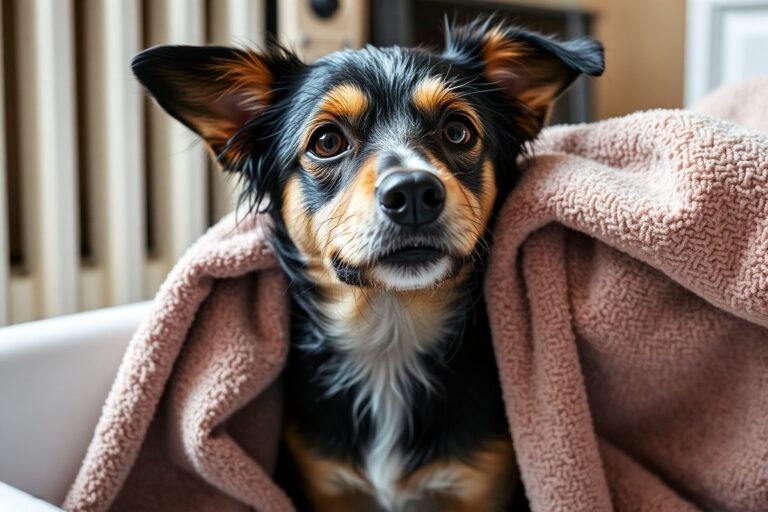
- Wrap your dog in a cozy towel or blanket to maintain warmth post-bath for 30 to 40 minutes.
- Create a calm environment with minimal noise and gentle petting to reduce anxiety-induced shaking.
- Understand your dog’s coat type to tailor drying methods and prevent trapped water that causes shaking.
1. Why Dogs Shake After a Bath and What It Means

Dogs shake after a bath primarily to remove water from their fur, just as they would after swimming or getting caught in the rain. This shaking helps shed roughly 70% of the moisture within just a few seconds. It serves a practical purpose by accelerating the drying process, which prevents skin irritation and discomfort. Shaking off the water also resets their body temperature, which drops quickly when their wet fur makes their skin cold.
This type of shaking is different from trembling or shivering caused by stress, illness, or fear. Shaking right after a bath is usually fast and short-lived, focused on flicking water away from the skin. It is a natural behavioral response and not a sign of illness. In contrast, trembling or shivering can be slower, accompanied by whining or stiffness, indicating your dog may feel scared, cold, or unwell.
When wet fur cools your dog’s skin below its normal body temperature, shaking intensifies to generate warmth through muscle contractions. This reaction is similar to how people shiver after a cold swim. The quick muscle movement boosts circulation and helps your dog warm up faster. Without this shaking, your dog could stay chilled much longer, which might cause stress or discomfort.
Understanding this, the best way to support your dog after a bath is to help them dry efficiently and stay warm. Gently towel dry your dog immediately after the bath to remove excess moisture before they start shaking. This speeds up the drying process and reduces the time your dog feels cold. You can also use a dog-safe blow dryer on a low, warm setting to help, but keep it at a safe distance to avoid overheating or stressing your pet.
Some dogs shake more than others depending on factors like coat type or how much water their fur retains. For example, breeds with thick double coats or long fur trap more moisture, triggering stronger shaking. Thin-coated dogs often shake less visibly but still go through the same natural process internally. If you notice shaking accompanied by signs like whining, stiffness, or lethargy, it may indicate stress or a health concern that requires attention.
Changes in water temperature also affect shaking. Baths with water that’s too cool can chill your dog quickly, causing more vigorous shaking. Ensuring the bath water is comfortably warm, about 90 to 100 degrees Fahrenheit, helps keep your dog relaxed and warm during and after the bath. Cold water exposure can increase shaking, so monitor bath temperatures carefully to support your dog’s comfort and reduce excessive trembling.
2. How Bath and Water Temperature Affect Post-Bath Shaking

Water temperature during a bath plays a key role in whether your dog will shake afterward. Baths that feel too cold can lower your dog’s body temperature, especially in puppies and senior dogs, who struggle to regulate heat efficiently. A bath that is warm but not hot helps prevent this chilling effect and reduces the chance of your pet shivering or shaking in response to cold stress.
The ideal water temperature range for most dogs is between 90°F and 100°F. This range mimics a comfortable warm environment that doesn’t shock their system but still cleans effectively. Baths below 77°F can cause discomfort and trigger shaking, as the cool water chills the dog’s skin and coat. Temperatures above 104°F risk burns or overheating, so avoiding extremes is important.
| Dog Type | Cold Sensitivity | Water Temperature Recommendation |
|---|---|---|
| Puppies | Moderate | 95°F to 100°F with limited duration |
| Senior Dogs | High | 90°F to 95°F with care to avoid chills |
| Short-haired Breeds | High | Warm water 95°F to 100°F |
| Double-coated Breeds | Low | 90°F to 100°F; may tolerate cooler water |
Dogs with thicker or double coats tolerate cooler water better but still benefit from warmer water to prevent cold stress once the bath ends. Puppies and seniors need the warmest water within the safe range because they cannot warm themselves quickly after the bath. You want the water to feel warm to the touch; testing with your wrist or elbow ensures it stays comfortably within the recommended range.
Running warmer water gradually lets your dog adjust to the bath without the sudden shock that triggers shaking. For puppies, limiting the bath duration to under 10 minutes helps avoid chilling. Seniors may need extra attention to water temperature and drying speed to maintain warmth.
Always check water temperature with your wrist before placing your dog in the bath; avoid sudden changes to keep them comfortable and reduce shaking.
Incorrect water temperature leaves moisture trapped near the skin, which cools the body and triggers shaking as a natural heat-regulating reflex. Proper temperature control combined with fast towel drying prevents this prolonged chilling effect. For dogs prone to shaking after baths, maintaining water temperature in the recommended range can make a noticeable difference in how soon they stop trembling.
3. How to Dry Your Dog Properly to Minimize Shaking
Drying your dog quickly but gently can reduce shaking after a bath by lowering chill and discomfort. Using the right technique, whether towel drying, blow drying, or air drying, helps control your dog’s body temperature and stress levels, which are the main triggers for shaking. The best drying method depends on your dog’s coat type, size, and tolerance for noise or handling.
Towel Drying: Techniques and Tips
Towel drying is the simplest and most natural way to remove water from your dog’s fur immediately after a bath. It helps stop heat loss, keeping your dog warmer and less likely to shiver. Using multiple towels can speed this up and allow you to target harder-to-reach areas.
- Choose an absorbent, soft towel to avoid irritating your dog’s skin.
- Gently pat your dog’s coat instead of rubbing, which can tangle long fur or cause discomfort.
- Focus on large, flat areas like the back and sides first to soak up excess water.
- Use a different towel for the legs, belly, and tail to avoid spreading water around.
- Lift your dog’s ears and underarms carefully to dry places that hold moisture and can cause skin issues.
- Change towels if they become too wet, which limits absorption efficiency.
- Spend about 5 to 10 minutes towel drying, adjusting time based on your dog’s coat thickness.
While towel drying is quiet and low-cost, it can be slow for dogs with thick or double coats. Be careful not to irritate sensitive skin with harsh rubbing, and expect some shaking as your dog tries to shake off water remaining on the fur.
Using a Blow Dryer Safely on Dogs
A blow dryer can speed up drying and reduce shaking caused by cold skin, especially in cooler rooms or for dogs with heavy fur. However, it requires caution to avoid burns or frightening your dog. Low heat and noise levels are essential for a safe experience.
- Select a pet-specific dryer or a low-heat human dryer with adjustable settings.
- Keep the dryer on the coolest, gentlest setting to prevent overheating your dog’s skin.
- Maintain a distance of at least 6 to 12 inches from the dog’s fur to avoid hot spots.
- Use continuous movement, directing the airflow around the body instead of focusing on one spot.
- Gently brush your dog’s coat during drying to separate fur and help air circulate.
- Stop frequently to check your dog for signs of discomfort or stress.
- Complete the drying process within 5 to 15 minutes, depending on coat density and drying power.
This method can be faster and more thorough but may cause anxiety or increased shaking if your dog dislikes the noise. Introducing the dryer gradually, paired with treats, can help your dog tolerate it better. Avoid high heat settings and direct blasts onto skin folds or ears, as these areas are vulnerable.
When and How to Air Dry Without Causing Shivers
Air drying is natural but takes longer and risks your dog becoming cold, triggering shaking to warm up. It works best in warm, draft-free environments and when your dog has a coat that dries quickly. Proper preparation can reduce the risk of shivering.
- Place your dog in a warm room, ideally around 72°F or higher, with no drafts.
- Use a clean, absorbent towel first to remove as much water as possible before air drying.
- Encourage your dog to stay active or rest on a warm surface like a heated mat or blanket.
- Monitor for signs of shivering and offer treats to keep your dog calm and distracted.
- Allow at least 30 minutes to an hour for light coats; thick coats may need longer.
- If your dog starts shaking excessively, switch to towel or blow drying to avoid chilling.
Air drying can be the gentlest for sensitive dogs but may increase shaking if they get cold. It usually requires more supervision and patience, especially with puppies or senior dogs more vulnerable to temperature drops.
4. How to Keep Your Dog Warm and Calm After Bathing
Warmth and calmness are key to stopping your dog from shaking after a bath. After bathing, your dog’s body temperature can drop, so creating a warm environment helps prevent shivering. Keep the room temperature comfortable, ideally around 70 to 75°F (21 to 24°C), to help your dog maintain body heat. Avoid cool drafts or direct air conditioning, which can make your dog colder and increase shaking.
Using dog-specific clothing or blankets also helps maintain warmth and comfort. Lightweight, fleece dog sweaters or drying robes designed to wick moisture are effective for keeping your dog warm without causing overheating. They typically cost between $15 and $40 and fit snugly without restricting movement. For smaller or short-haired breeds, a snug sweater with soft lining works best. Larger breeds or those with thick coats may just need a cozy towel wrap while they dry.
- Wrap your dog in a warm, absorbent towel immediately after the bath.
- Use a dog sweater or drying robe that fits well and is made of breathable fabric.
- Place a soft blanket in your dog’s resting area to encourage relaxation.
- Keep your dog in a quiet, dimly lit room to reduce overstimulation.
- Maintain room temperature between 70 and 75°F to help your dog warm up.
- Speak in a soft, calming tone while gently petting or stroking your dog if they welcome touch.
- Limit exposure to loud noises or sudden movements that can heighten anxiety.
Calming your dog after a bath involves creating a peaceful setting. Use a low voice and slow movements to reassure your dog. Some dogs respond well to gentle petting or sitting close to their owner; others may prefer just being near their favorite blanket or bed. Avoid forcing interaction if your dog seems stressed or tries to retreat. Removing stress triggers, such as bathroom noises or other pets running nearby, also helps your dog feel safe.
In cases where your dog shows intense shaking paired with other signs like drooling, refusal to eat, or lethargy, warming and calming might not be enough. These symptoms could indicate stress beyond normal post-bath reactions, requiring veterinary advice. For most dogs, however, a warm environment, cozy clothing or blankets, and a quiet, comforting atmosphere will stop shaking within minutes, helping your dog relax and dry comfortably.
5. How Stress and Anxiety Trigger Shaking After Baths
Shaking after a bath often results from stress and anxiety in dogs. Recognizing when fear causes shaking, calming your dog during the bath, and using soothing methods afterward can significantly reduce nervous trembling. Addressing emotional triggers helps your dog associate bath time with positive experiences instead of distress.
Recognizing Anxiety Signs During Bath Time
Shaking caused by anxiety usually comes with behaviors like trembling localized to the head, ears pinned back, tucked tail, whining, or attempts to hide. Your dog might also show restlessness, panting, yawning, or avoiding eye contact. These signs differentiate nervous shaking from cold-induced shivering, which tends to involve the whole body.
Watch for any sudden changes in behavior at the start or during bathing. Dogs fearful of baths may resist getting near water, show tension in muscles, or freeze. Knowing these signs helps you calmly intervene before the stress escalates.
Calming Your Dog Before and During Bath
Lessening anxiety starts before the bath with a calm environment and gradual exposure. Using warm water near 85°F to 90°F helps avoid a chill that can worsen shaking. Keep bath time short to reduce distress, especially for anxious dogs. Try this checklist to ease your dog’s anxiety before and during the bath:
- Speak in a soothing tone and maintain slow, gentle movements.
- Introduce bath tools (shampoo, towel) outside the bath to familiarize your dog.
- Use a non-slip mat to provide secure footing inside the tub.
- Offer treats frequently to create positive associations.
- Avoid forceful restraint; instead, let your dog move as much as safely possible.
- Keep bath sessions brief, around 5 to 10 minutes, to minimize stress.
- Use a hand shower or cup to control water flow and lessen surprise sensations.
- Monitor body language to pause or stop if anxiety escalates.
Forcing a scared dog to stay still can increase fear and extend shaking; gentle reassurance is more effective.
Post-Bath Soothing and Rewarding Techniques
After the bath, many dogs perform a full-body shake as a way to release built-up tension from fear. Providing a calm, warm space immediately after drying helps them settle down faster. Softly talking and petting reassure your dog they are safe.
Following up with treats or favorite activities reinforces that bath time isn’t threatening. For example, giving a chew toy or playing gently encourages relaxation and positive memories of the experience.
For dogs that remain shaky, try a short quiet time together in a familiar room with minimal stimuli. Avoid loud noises, sudden movements, or other stressors for at least 15 to 30 minutes post-bath.
6. When Trapped Water or Coat Type Causes Persistent Shaking
Water trapped in your dog’s fur or ear canals can cause shaking that lasts longer than the usual post-bath shake. This happens because thick coats, long fur, and deep skin folds hold small pockets of water, keeping your dog damp even after drying. In addition, water caught inside the ears often leads to persistent head shaking, as your dog tries to clear the uncomfortable wetness. Addressing these spots helps reduce shaking and makes your dog feel more comfortable.
Coat type greatly influences how much water your dog retains after a bath. Dogs with thick double coats, like Golden Retrievers or Huskies, often hold more water than short-haired breeds. Belly fur and skin folds can trap moisture as well. Larger dogs usually carry more water weight in their coats, which means their shakes can be bigger and last longer. That shaking is your dog’s natural way to fling off water, studies show dogs can remove nearly 70% of the water from their fur in just a few seconds of shaking, which is much more energy efficient than just drying off with body heat.
Check your dog carefully after the bath using this simple checklist: First, feel the thick parts of the coat, especially under the belly and around the neck and legs, for any dampness. Run your hand through skin folds and the base of the ears to detect moisture trapped underneath. Gently lift the ears and look inside for wetness or possible irritation. If you find water in the ears, use a soft towel or cotton ball to carefully absorb it without pushing too deep. Avoid inserting anything that could damage the ear canal. For damp thick fur or skin folds, use a high-absorbency towel to press and squeeze water out rather than rubbing harshly, which could irritate the skin.
In cases of dense fur or long coats, consider using a pet-specific blow dryer on the lowest heat setting, keeping the device at least a foot away to prevent overheating. Hold your dog calmly during drying to reduce stress. Spending about 5 to 10 minutes focusing on problem areas can make a difference. Drying may take longer for larger or thick-coated dogs, but this effort reduces the need for excessive shaking and the discomfort it causes.
Persistently shaking your dog after addressing trapped water may signal irritation or mild discomfort. Use moisturizing ear drops recommended by your vet if ears remain sensitive, and consider shorter, lukewarm baths to avoid saturating the coat deeply. Bathing every 4 to 6 weeks helps maintain coat health without overloading the skin’s moisture balance.
By carefully checking for trapped water and drying those challenging areas, you reduce your dog’s shaking after baths and help keep them comfortable. This reduces the risk of chills from a damp coat and lowers the chances of skin irritation or ear infections associated with trapped moisture. Proper routine and attention tailored to your dog’s coat type can make bath time smoother for both of you.
7. When to Be Concerned: Medical Causes of Shaking After Baths
Excessive shaking after a bath can sometimes signal serious health issues in your dog. Medical causes range from conditions like epilepsy, Addison’s disease, and canine cognitive dysfunction (CCD) to infections such as distemper or generalized tremor syndrome (GTS). These medical shakes differ from normal post-bath trembling by their severity, persistence, and accompanying symptoms.
Look closely for signs that go beyond typical shivering. Your dog’s shaking that is uncontrollable, lasts more than a few minutes, or happens repeatedly without an obvious cause means you should contact your vet. Watch for symptoms like lethargy, refusal to eat for more than one or two meals, vomiting, excessive drooling, panting with shaking, or shaking paired with belly pain or weakness. These symptoms suggest underlying illnesses needing prompt veterinary evaluation.
A reliable approach is to use a simple decision checklist at home. First, note how long the shaking lasts. Normal post-bath shaking usually stops within a few minutes after drying. Second, check for any additional symptoms: Does your dog vomit, pant heavily, or show signs of pain? Is your pup lethargic or refusing food? Third, gently inspect the ears for redness, discharge, or foul smell, as constant head shaking might reveal ear infections. When shaking continues or comes with other symptoms, call your vet right away.
For example, a dog that shakes mildly but remains alert, eats normally, and quickly calms probably has no medical issue. On the other hand, shaking combined with vomiting or lethargy requires same-day veterinary attention. Emergency vet visits can vary in cost but expect fees starting around $100 to $200 for an examination, with additional tests if needed. Early intervention often prevents complications and improves outcomes.
Pregnant dogs may also shake for normal reasons late in pregnancy, but shaking near the time of giving birth can indicate eclampsia, a dangerous drop in calcium levels requiring urgent care. This again highlights the importance of knowing your dog’s baseline behavior and recognizing when shaking shifts from normal to concerning.
Persistent, severe, or shaking that comes with symptoms requires veterinary attention. Use a clear checklist: duration, additional signs, ear inspection, and appetite changes. Never ignore new or worsening shaking episodes, as catching medical conditions early can make a significant difference in your dog’s health.
8. Effective Ways to Reduce Post-Bath Shaking Every Time
Preventing your dog from shaking after every bath involves a calm, consistent routine that focuses on warm water, gentle handling, thorough drying, and helping your dog feel safe. Following these practical steps regularly builds trust and reduces shaking over time by addressing both physiological and emotional causes.
Prepare Your Bath Area and Supplies
Start by organizing your bathing area with all necessary supplies within reach. This minimizes handling stress and interruptions, helping your dog stay calm. Gather high-quality towels, a mild dog shampoo, a non-slip mat, and a brush to use after drying. Having these ready before starting speeds up the process and makes the bath less stressful.
Speak softly and move slowly while preparing the bath to set a calm tone. Avoid sudden movements or loud noises that may increase anxiety. Consistency in your approach helps your dog associate bath time with a predictable, safe experience and reduces shaking from nervousness.
Use Lukewarm Water and Short Bath Times
Bath your dog in lukewarm water, ideally between 95°F and 105°F, as recommended by veterinary professionals. Water that’s too cold triggers shivering and discomfort, making shaking more likely after the bath ends. Keep the bath duration short, around 5 to 10 minutes, to limit stress and prevent your dog from cooling down excessively while wet.
Wet your dog slowly and gently to avoid startling them, and use calm praise throughout. Quick changes in temperature or hurried baths often lead to increased shaking due to sudden discomfort or fear.
Dry Thoroughly with Proper Techniques
Dry your dog immediately after the bath using absorbent, good-quality towels. Focus on thorough drying, especially in skin folds, ear flaps, and dense fur areas where moisture easily lingers and can cause discomfort or infections. This also prevents the cold feeling that can trigger shaking.
Many dogs shake to remove about 70% of water on their bodies naturally, so towel drying reduces this need and helps keep them warm. Use gentle rubbing motions rather than vigorous scrubbing, which may irritate your dog’s skin. For breeds with dense or double coats, consider using a dog-specific blow dryer on a low, warm setting, taking care not to overheat or frighten your dog.
Warm and Calm Your Dog Post-Bath
After drying, keep your dog in a warm environment. Evaporation causes heat loss, and shaking is the body’s reflex to generate warmth. Cover your dog with a dry towel or a lightweight doggy robe if needed. Sitting with your dog quietly gives reassurance and helps reduce post-bath energy or anxiety that leads to shaking.
- Keep the room temperature between 70°F and 75°F to prevent chilling.
- Offer a favorite treat or chew toy after drying to create a positive association.
- Give gentle praise and calm pets to soothe your dog.
- Avoid drafts or cold floors where your dog will rest immediately after bathing.
- Consider using calming aromas like lavender or chamomile if your dog is anxious.
Allow your dog to relax post-bath naturally rather than rushing back to vigorous play, which can sometimes increase shaking from pent-up energy or excitement.
Address Anxiety and Body Language
Shaking after baths often signals underlying stress or fear beyond physical coldness. Watch for signs like tucked tails, flattened ears, or avoidance to adjust your approach. If your dog exhibits anxiety, increase your calm verbal cues and slowing your pace during all steps of the bath routine.
Consistency is key: use the same words and tone every time, and avoid forcing your dog into uncomfortable positions. Building your dog’s trust over time reduces shaking related to nervousness. Signs of success include a more relaxed posture during baths and reduced post-bath shaking in successive sessions.
Start each bath by speaking softly and offering a gentle touch to signal safety and ease your dog’s nerves before getting wet.
Step-by-Step Action Plan to Stop Your Dog from Shaking After a Bath
Follow these steps to reduce your dog’s shaking after baths and help keep them comfortable and calm.
- Before the Bath: Use lukewarm water between 85°F and 90°F to prevent chilling. Test the water temperature with your wrist to confirm it’s comfortable.
- During Bathing: Keep sessions brief and gentle, using a mild dog shampoo to avoid irritating your dog’s skin or causing stress.
- Immediately After Bath: Towel dry your dog thoroughly, focusing on removing as much water as possible from the coat, especially under the legs and belly.
- Within Five Minutes Post-Bath: Use a pet-safe blow dryer on the lowest heat and speed settings to finish drying, watching for signs of discomfort or overheating.
- Five to Ten Minutes After Bathing: Wrap your dog in a dry, warm towel or dog drying coat to maintain warmth and reduce shaking caused by cold.
- Throughout the Hour After Bath: Provide a calm, quiet space where your dog can rest and recover; offer treats to create a positive post-bath association.
- After Several Baths: Monitor your dog’s shaking patterns. Shaking that continues even after thorough drying and warming might mean water is trapped or a health check is needed, so contact your vet.
Frequently Asked Questions
How Can I Stop My Dog from Shaking During the Bath Itself?
Use warm water and keep the bath area warm and calm to reduce shaking during the bath. Speaking softly and offering treats can help ease your dog’s anxiety and lower shaking.
Is It Okay for Dogs to Shake Off Water Outside After a Bath?
Yes, shaking off water is a natural way for dogs to dry and warm up quickly. Allow your dog to shake freely outside, but be ready to dry them thoroughly afterward to prevent chilling.
Can Brushing My Dog’s Coat Right After a Bath Help Reduce Shaking?
Brushing gently after drying can help remove trapped moisture and mats that cause prolonged shaking. Use a brush suited for your dog’s coat type once the fur is mostly dry to avoid discomfort.
Will Using a Heated Dog Drying Jacket Stop My Dog from Shaking After Baths?
Heated drying jackets can help keep your dog warm and reduce shaking by raising their body temperature. Always monitor your dog for comfort and avoid overheating while using these devices.
Does the Time of Day When I Bathe My Dog Affect Shaking?
Bathing your dog during warmer parts of the day can help reduce post-bath shaking, as ambient temperature affects how quickly they warm up. Avoid cold or damp times to minimize shaking due to chill.
Can Dehydration Increase Shaking After a Bath?
Dehydration can make your dog more prone to shaking, as it affects muscle function and body temperature regulation. Make sure your dog drinks fresh water before and after the bath to stay hydrated.
Final Thoughts
Managing your dog’s shaking after a bath is mainly about keeping them warm, dry, and relaxed. Start improving the experience today by adjusting your drying technique and post-bath care. Excessive shaking may indicate medical issues, so consult your veterinarian for a proper diagnosis and personalized care recommendations.




One Comment