

How to Clean a Dogs Eyes Safely: 8 Essential Steps and Expert Tips
To clean a dog’s eyes safely, use a sterile 0.9% saline solution and a clean, soft cloth or gauze to gently wipe away dirt or discharge. Avoid using harsh chemicals or unapproved eye drops, and always wash your hands thoroughly before touching your dog’s eyes. This ensures you remove irritants without causing pain or damage.
Dog owners wanting clear, comfortable eyes for their pets will find reliable methods here. This article covers practical steps and expert advice to help you spot issues, choose the right cleaning tools, and soothe your dog during the process.
Key Takeaways
- Use plain sterile 0.9% saline solution to flush or clean your dog’s eyes safely at home.
- Apply a clean, warm, damp cloth to soften crusts or discharge for 5, 15 minutes as needed.
- Always wash your hands before handling your dog’s eyes to prevent introducing infection.
- Avoid using any eye drops or chemicals unless prescribed or approved by a veterinarian.
- Flushing eyes is essential after chemical exposure: rinse continuously for 10, 15 minutes before veterinary care.
- For persistent debris, gently wipe from the inner corner outward with a soft, moistened cloth.
1. How to Clean Your Dog’s Eyes at Home Safely

Cleaning your dog’s eyes safely at home requires gentle care and the right materials to avoid irritation or injury. Use sterile 0.9% saline solution designed specifically for dogs to flush out debris without stinging or harming the eye. Avoid homemade salt water and contact lens solutions, as these can cause discomfort or damage due to preservatives or incorrect salt concentrations. Removing eye discharge, often called eye gunk, is important because it keeps the area clean and prevents infection. You can do this carefully with a warm, damp cloth or veterinary-approved dog eye wipes that are gentle on sensitive skin around the eyes. Follow these steps to clean your dog’s eyes safely and effectively:
- Wash your hands thoroughly before touching your dog’s eyes to prevent introducing bacteria or dirt.
- Prepare a fresh sterile saline solution or use single-use preservative-free saline vials, making sure the solution is at room temperature to avoid shocking the eye.
- Secure your dog calmly by gently holding their head or having someone assist you to keep them still while you clean their eyes.
- Flush each eye several times by gently pouring or spraying the saline solution on the eye to rinse out dirt and minor irritants. Avoid touching the eye with the bottle tip.
- Use a warm, damp cloth or dog eye wipes to carefully wipe away any loosened gunk or crust from the corners and eyelids. Use a separate cloth or wipe for each eye to prevent cross-contamination.
- Trim surrounding facial hair if needed, to keep fur from irritating the eyes or trapping dirt.
- Observe your dog’s eyes after cleaning. Healthy eyes look clear and moist without redness, swelling, or persistent discharge.
Costs for supplies like sterile saline and dog eye wipes are generally low. A bottle of saline eye wash can cost around $10 to $20 and last for multiple cleanings. Eye wipes often come in packs for $8 to $15. Clean eyes help your dog stay comfortable and reduce risks of infections or more serious problems. Skip cleaning if your dog resists strongly or you notice signs like swelling, blood, or cloudiness; these require a vet visit.
2. Common Causes and Types of Dog Eye Discharge
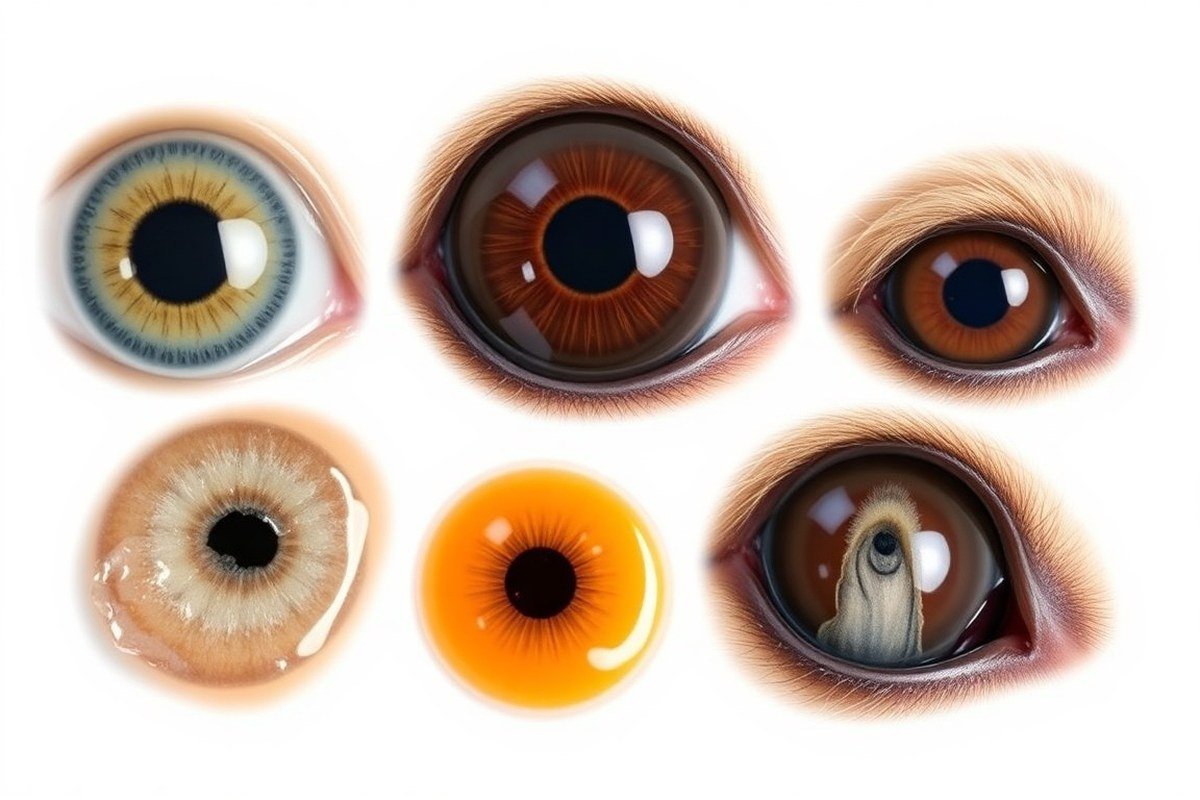
Dogs can have different types of eye discharge that indicate varying levels of health concern. Normal discharge tends to be clear or milky, while colored or thick discharge often signals irritation, infection, or injury. Knowing what each type means helps you decide when to clean gently at home and when to seek veterinary care.
Clear or Watery Discharge Causes
Clear, watery discharge in dogs is usually a sign of mild irritation from environmental factors like dust, wind, or allergies. It is often minimal and temporary, resolving within 24 to 48 hours without treatment. Some breeds naturally produce more tears, which can appear as clear discharge but doesn’t generally mean a health problem.
This kind of discharge often does not require immediate veterinary attention unless it worsens or is accompanied by other symptoms like redness or squinting. Monitoring your dog’s behavior and eye condition over the next couple of days helps determine if the issue is mild or needs further care.
Thick White, Yellow, or Green Discharge Significance
Thick discharge that appears white, yellow, or green often points to an eye infection or more serious irritation. Yellow or green mucus usually signals bacterial infection or conjunctivitis, especially if the eye is red, swollen, or painful. Dogs with dry eye may also produce thick, sticky white-gray discharge because their eyes do not produce enough tears.
Infections require prompt veterinary treatment, so watch for accompanying signs like squinting, eye redness, or the dog keeping the eye closed. Sudden onset of colored discharge or worsening symptoms calls for same-day veterinary care. Delayed treatment can lead to complications like corneal ulcers or more severe injury.
Tear Staining Explained with Causes
Tear staining appears as reddish-brown discoloration on the fur below the eyes due to porphyrin pigment in tears. This is common and often cosmetic rather than a sign of illness, particularly in light-colored breeds like Maltese or Poodles. Consistent tear staining without other symptoms usually requires no emergency but can be managed through regular cleaning and grooming.
Excessive tear staining can occasionally indicate blocked tear ducts or chronic irritation, so monitor your dog’s eyes for any new swelling, colored discharge, or discomfort. For ongoing tear staining without infection, routine cleaning at home and veterinary advice on possible underlying causes help manage this issue.
| Appearance of Eye Discharge | Potential Cause | Urgency of Care |
|---|---|---|
| Clear, watery, minimal | Mild irritation, dust, wind, allergies | Low, monitor 24-48 hrs |
| Reddish-brown staining of fur around eye | Tear pigment (porphyrin) buildup, often cosmetic | Low, unless it suddenly worsens |
| Thick, white-gray, sticky | Dry eye, significant irritation to cornea | Moderate, needs diagnosis |
| Yellow or green | Bacterial infection or conjunctivitis | High, same-day care recommended |
| Blood | Trauma or severe injury | Emergency care immediately |
Monitor your dog’s eye discharge closely and seek veterinary care immediately if you notice yellow or green discharge, blood, or if your dog is squinting or pawing at the eye.
Understanding the type and appearance of eye discharge helps you decide when home cleaning is appropriate and when professional evaluation is necessary. Maintaining a record of discharge changes and any other symptoms improves communication with your veterinarian and supports your dog’s eye health.
3. Best Cleaning Solutions and What to Avoid
Use only safe and gentle cleaning solutions for your dog’s eyes to prevent irritation or damage. The best option is plain, sterile 0.9% saline solution, this means it contains only sodium chloride and water, with no added medications or chemicals. It effectively rinses away dust, pollen, and other loose debris without causing harm. You can buy sterile saline solutions made for dogs at pet stores or use contact lens saline if it has no additives. Avoid contact lens solutions that contain enzymes or anti-redness ingredients, as these chemicals can irritate a dog’s eyes.
Homemade saline is another option and easy to prepare. Mix 1/4 teaspoon of non-iodized salt with 1 cup (8 ounces) of boiled, cooled water. Make sure the salt fully dissolves and the water is sterile before use. Use this solution within 24 hours and keep it refrigerated to avoid bacterial growth. This homemade rinse is safe and effective for flushing mild irritants but avoid using it if your dog’s eyes show signs of infection or injury.
Some dog owners ask about using baby wipes or makeup remover wipes around their dog’s eyes. Avoid both because they often contain fragrances, alcohol, or other chemicals that can irritate or harm your dog’s eyes. Instead, use dog-safe eye wipes formulated specifically for this purpose or a soft washcloth moistened with saline. Tea bags, sometimes suggested for eye cleaning, aren’t recommended since they can introduce tannins and other substances that might cause an allergic reaction or dryness.
| Cleaning Option | Safe for Dog Eyes? | Notes |
|---|---|---|
| Sterile 0.9% Saline Solution | Yes | Flushes out dust and debris without chemicals; can be purchased ready-made. |
| Homemade Saline (1/4 tsp salt + 1 cup boiled water) | Yes | Must be sterile, used within 24 hours, and refrigerated. |
| Contact Lens Solution (with enzymes or redness relief) | No | Contains chemicals that can irritate or damage eyes. |
| Dog-Safe Eye Wipes | Yes | Formulated to be gentle; convenient for cleaning discharge and tear stains. |
| Baby Wipes or Makeup Remover Wipes | No | Contain fragrances and chemicals that irritate sensitive eye areas. |
| Tea Bags | No | May cause allergic reactions and dryness; not sterile. |
Using saline solution or dog-specific eye wipes keeps your pet comfortable and reduces the chance of infections linked to irritation. Clean your dog’s eyes gently by applying the saline with a sterile dropper or using a fresh, moistened wipe. Always avoid using harsh chemicals, alcohol-based products, or any item not designed for sensitive eyes. This approach helps maintain eye hygiene without risking harm.
4. How to Manage Tear Stains and Prevent Build-Up
Dark, blotchy marks under a dog’s eyes usually result from too many tears or moisture trapped in that area. To control these marks, you should keep the hair around your dog’s eyes short, helping to cut down on trapped moisture and dirt buildup. Longer hair can hold onto discharge and irritate the skin, making stains worse. Dogs with flat faces and big eyes, like Shih Tzus or Pugs, may need their eyes cleaned daily or every other day due to their shallow eye sockets and extra hair that catches debris.
Regular grooming combined with consistent cleaning is key. Use a soft, damp cloth or specialized dog eye wipes to gently wipe away discharge. Applying a warm, moist compress before cleaning can loosen dried debris, making it easier and more comfortable to remove. Always wipe from the inside corner outward to avoid pushing dirt toward the eye. Keeping the area dry after cleaning prevents bacterial growth that contributes to staining and irritation.
- Trim hair around the eyes every few weeks to keep it short
- Wipe your dog’s eyes daily if prone to tear stains or discharge
- Use warm compresses to soften crusty discharge before wiping
- Avoid harsh chemicals or soaps that can irritate the skin
- Bath your dog regularly with a vet-recommended medicated shampoo to keep skin healthy
- Monitor for redness, swelling, or persistent discharge, which may need veterinary care
- Consider professional grooming if trimming around the eyes is difficult to do safely at home
Regular flushing of the eyes with clean, lukewarm water or a vet-approved cleanser can prevent irritation, especially if your dog plays outside in dusty or muddy conditions. The cost of trimming or professional grooming varies by location but typically ranges from $30 to $60 per session. Good results look like clear skin around the eyes with minimal staining and no signs of discomfort. Stains or irritation that come back fast suggest you should check your cleaning routine and ask your vet for help, since allergies or infections could be causing the problem. Some dog owners explore dietary changes or supplements to reduce tear stains, but any adjustments should be cleared by a veterinarian to avoid affecting other health issues.
5. How to Hold and Calm Your Dog During Eye Cleaning
Holding your dog calmly during eye cleaning is key to avoiding stress or injury. Use gentle restraint and soothing tones. Distracting your dog with treats can also make the process smoother.
Preparing Your Dog Mentally and Physically
Before starting, wash your hands thoroughly to prevent introducing germs to your dog’s eyes. Let your dog see and sniff the cleaning materials to reduce fear. Speak softly and keep movements slow to help your dog relax. Try a brief cuddle or petting session beforehand if your dog responds well to touch.
Cleaning dried crusts or goop requires patience. Warm a clean, damp cloth or moistened cotton ball with plain water (around body temperature, 98, 102°F). Hold the cloth gently against the eye for 5 to 15 minutes to soften the crust before wiping.
Safe Holding and Positioning Techniques
Proper restraint protects both you and your dog while minimizing discomfort. Sit your dog on a stable surface like the floor or a low table. For small dogs, holding them in your lap with their back against your chest helps control movement.
Use one hand to gently hold the dog’s muzzle or head steady, avoiding pressure near the eyes. With long-haired breeds, trim fur carefully away from the eye area using blunt-nosed scissors placed flat against the skin and pointing away from the eye. Follow these steps to hold and clean effectively:
- Wash your hands well and gather all cleaning materials within reach.
- Encourage your dog to sit or lie down comfortably on a non-slip surface.
- Hold your dog’s head gently but firmly with one hand to prevent sudden movements.
- Use a warm, moistened cotton ball or cloth to soften any dried discharge.
- Wipe away softened crusts gently, wiping from the corner of the eye outward.
- Avoid touching the eyeball itself or forcing the eye open.
- Repeat on the other eye using a fresh cotton ball or cloth to prevent cross-contamination.
- Offer praise and pet your dog throughout and after to reinforce calm behavior.
Never force your dog’s eyes open or scrape dried discharge, as this can cause injury and increase anxiety.
Distracting and Rewarding During Cleaning
Distract your dog from any discomfort during eye cleaning by offering a tasty distraction. Apply a little peanut butter or spray cheese onto a lick mat or a favorite toy. Your dog will focus on licking the treat, giving you the chance to clean their eyes more easily.
This positive distraction lowers stress and can make future eye cleanings easier. Always finish with praise or a reward to create a positive association with the process.
6. When to Visit a Veterinarian for Eye Problems
Seek veterinary care immediately if your dog’s eye shows signs of injury, chemical exposure, or sudden and severe symptoms. Serious eye problems can lead to permanent damage or blindness if left untreated. Knowing when to act protects your dog’s vision and comfort.
Signs that require prompt attention include excessive redness, persistent squinting, pawing at the eye, cloudiness, or any discharge that worsens despite regular cleaning. These symptoms can indicate infections, ulcers, glaucoma, or other conditions needing professional treatment.
Here’s a simple decision rule to decide if a vet visit is necessary: if your dog’s eye symptoms last more than 24 hours or worsen after initial gentle cleaning, book a veterinary appointment. Also, get urgent care if you see any trauma to the eye or your dog was exposed to chemicals, as these can cause serious internal damage quickly.
- Red or swollen eyes not improving within a day
- Yellow, green, or bloody discharge
- Visible cloudiness or color change in the eye
- Frequent pawing, rubbing, or squinting
- Signs of pain, sensitivity to light or vision loss
- History of eye injury or chemical exposure
- Repeated flare-ups despite regular cleaning
In the case of injury or chemical contact, rinse the eye immediately with lukewarm, sterile saline or clean water for 10 to 15 minutes to flush out irritants. Avoid harsh soaps or shampoos, which can worsen irritation. After flushing, take your dog to the veterinarian without delay for evaluation and treatment.
Vet visits typically involve a thorough eye exam, possibly including fluorescein staining or pressure measurement, costing around $75 to $200 depending on location and procedures. Early care can prevent costly treatments later and reduce risks of lasting harm.
Pay attention to your dog’s eyes daily, especially if your breed is prone to eye problems or allergies. Early detection followed by timely vet consultation improves outcomes significantly. Do not attempt prolonged home treatment if symptoms persist or intensify; professional care is important to keep your dog’s eyes healthy and pain-free.
7. How to Flush Your Dog’s Eyes to Remove Debris
Flushing your dog’s eyes with saline or clean lukewarm water is an effective and safe way to remove debris and soothe mild irritations. Use an ophthalmic-grade saline solution, or clean water if saline is unavailable, to gently rinse the eyes for several minutes. Flushing for 10 to 15 minutes is recommended in emergencies like chemical splashes, while shorter rinses often suffice for routine debris removal.
Preparing the Flushing Solution
Choose an isotonic saline solution intended for eye use, as it matches the natural salt levels of tears and won’t irritate your dog’s eyes. Commercial dog eye washes often contain moisturizing additives like aloe and chamomile to protect sensitive tissues. You can use clean, lukewarm tap water only if sterile saline is not available, but avoid homemade saltwater mixes, contact lens fluids, or redness drops, which may cause harm.
Warm the saline or water to roughly body temperature (around 98°F) before using to avoid discomfort or eye spasms. Make sure you have a clean container or an eye dropper for controlled application. When using water, leave it uncovered for a few minutes to release chlorine odor or choose filtered water to cut down on impurities.
Flushing Procedure Step-By-Step
Follow these steps to flush your dog’s eyes safely and effectively, reducing irritation and removing dirt or mucus:
- Wash your hands thoroughly with soap and water to prevent introducing bacteria into your dog’s eye.
- Secure your dog gently but firmly, using a helper if needed, to keep their head steady and minimize sudden movements.
- Hold the eye open with your thumb and forefinger, carefully exposing the white of the eye and the inner corner.
- Using a sterile syringe without a needle, a clean eye dropper, or a gentle squeeze bottle, apply the saline or water directly into the eye.
- Allow the liquid to flow across the surface of the eye, washing out debris toward the corner nearest the nose.
- Repeat the rinsing in short bursts, aiming to flush the eye lightly for 1 to 3 minutes during routine cleaning, or 10 to 15 minutes continuously if the eye has been exposed to chemicals.
- Wipe away excess fluid and loosened debris cautiously with a clean, soft cloth or gauze, wiping from the inner to the outer corner of the eye.
Aftercare Following Flushing
Observe your dog’s eye after flushing to ensure no irritation, redness, or discomfort remains. Normal signs of relief include decreased tearing and less visible debris. When the eye looks painful, cloudy, very red, or your dog keeps pawing it, get veterinary attention right away.
In cases of chemical exposure, even after flushing, immediate veterinary evaluation is important because damage may not appear right away. For routine cleaning, avoid over-flushing, which can dry out the eye and remove beneficial tears. Use a dog-specific eye lubricant afterward if recommended by your vet to maintain moisture and comfort.
8. Supporting Long-Term Eye Health Through Grooming and Diet
Trimming the hair around your dog’s eyes helps prevent irritation and keeps foreign particles from accumulating. When you feel ready, use rounded-tip scissors or pet grooming clippers designed for trimming facial hair. Hold the hair gently away from the eye and trim small amounts at a time to avoid accidental pokes. Your dog may squirm, or the hair may be very close to the eye; in that case, visiting a professional groomer helps prevent injury. Regular trims every 4 to 6 weeks can maintain clear visibility and reduce tear staining.
Diet plays a role in long-term eye health. Including omega-3 fatty acids, such as those found in fish oil supplements, supports the eyes’ cellular function and may reduce inflammation. Vitamins A, C, and E also contribute antioxidants that protect eye tissues. Before starting any supplement, consult your veterinarian to ensure appropriate dosages and avoid supplement interactions, especially if your dog is on other medications.
Building daily habits provides ongoing protection and comfort for your dog’s eyes. Dry your dog’s face gently with a soft towel after exposure to water or sprinkler play to prevent irritation. Use a warm, damp washcloth or gauze pad to wipe around the eyes for 5 to 15 minutes, two to four times a day if you notice mild discharge. Always focus only on the area surrounding the eyes, not directly in the eyeball, to avoid causing discomfort or damage.
- Check and trim eye hair every 4 to 6 weeks to avoid obstruction and irritation.
- Offer omega-3 supplements after vet approval, following recommended dosage on the product label.
- Use a clean, warm, moist cloth to gently wipe away any tear stains or debris daily or as needed.
- Dry the eye area promptly after your dog drinks or plays in water to prevent fungal or bacterial growth.
- Observe your dog’s eyes regularly for changes in color, discharge, or squinting as signs to seek vet care.
Never trim hair or clean near the eyes without ensuring your dog is calm and still; sudden movements can cause injury.
Consistent grooming and careful attention to diet and daily care support your dog’s comfort and preserve clear, healthy eyes. Taking these steps not only keeps your pet looking their best but can also reduce the risk of irritation and infections that might require veterinary treatment.
Step-by-Step Action Plan for Cleaning Your Dog’s Eyes
Follow these steps to keep your dog’s eyes clean and healthy while making the process easy and stress-free for both of you.
- Before you start: Gather lukewarm water, cotton balls or pads, and a dog-safe eye cleaning solution. Make sure your dog is calm before beginning.
- First cleaning session: Gently wipe away any visible discharge using a soaked cotton ball, wiping from the inside corner outward. You should see the eye area visibly cleaner without redness or irritation.
- Daily routine: Check your dog’s eyes once a day and clean them if you notice discharge or tear stains. The eyes should look clearer and your dog should show no signs of discomfort.
- After accident or exposure: If your dog gets debris or irritants in its eyes, flush the eyes gently with lukewarm water immediately and repeat cleaning. The eye should look less irritated and the dog should blink normally.
- Weekly grooming: Trim hair around the eyes carefully to reduce tear stains and debris buildup. You’ll notice less dirt and staining in the eye area over time.
- Ongoing diet check: Provide a balanced diet rich in omega fatty acids to support eye health. Over several weeks you may see a decrease in tear staining and better overall eye condition.
- If discharge persists over 24 hours or worsens: Contact your veterinarian promptly for an examination. Early treatment helps avoid infection or other complications.
Frequently Asked Questions
What Can I Clean My Dog’s Eyes with at Home?
Use a damp cloth or a cotton ball with fresh water to gently wipe your dog’s eyes. Avoid soaps or harsh chemicals to prevent irritation and clean any discharge softly without pressing.
Should I Remove the Gunk from My Dog’s Eyes?
Yes, gently removing discharge helps keep your dog’s eyes clean and prevents infection. Use a fresh cotton ball for each eye to avoid spreading bacteria.
Can I Wipe My Dog’s Eyes with Baby Wipes?
Unscented baby wipes specifically designed for sensitive skin can be used, but never use scented or harsh wipes. Avoid makeup remover or other wipes not made for pets.
What Is the Black Gunk in My Dog’s Eyes?
Black gunk often comes from dirt, tear stains, or natural eye discharge mixing with dust or bacteria. Regular cleaning helps clear it and prevents buildup around the eyes.
How Often Should I Clean My Dog’s Eyes?
Clean your dog’s eyes as needed when you notice discharge or tear stains, typically once daily for pets prone to buildup. Frequent cleaning prevents irritation and keeps eyes healthy.
Can I Use Saline Solution to Clean My Dog’s Eyes?
You can use a sterile saline solution to flush your dog’s eyes safely, but avoid any solution with added chemicals. This helps remove debris and soothe irritation without harm.
Key Points to Remember
Cleaning your dog’s eyes regularly with gentle methods helps keep them comfortable and reduces the risk of infections. Stay observant for changes in discharge or redness that need veterinary care. Start by incorporating a simple daily wipe into your routine to maintain your dog’s eye health effectively and safely.


2 Comments